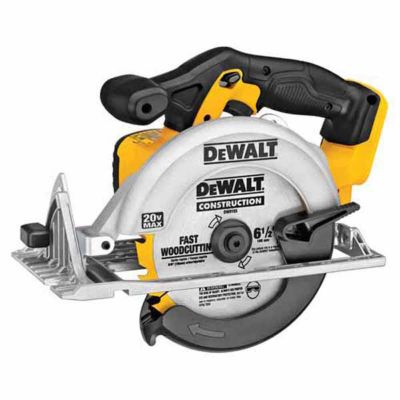
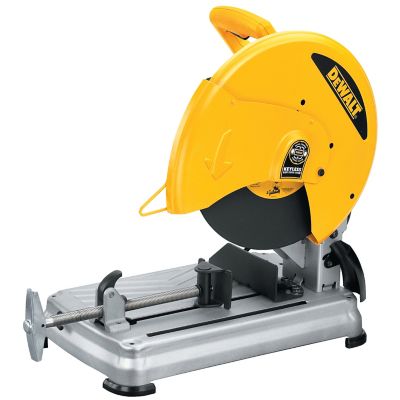
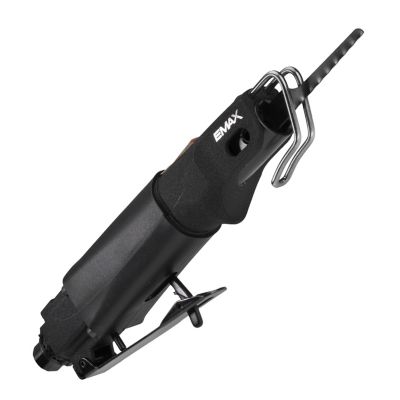
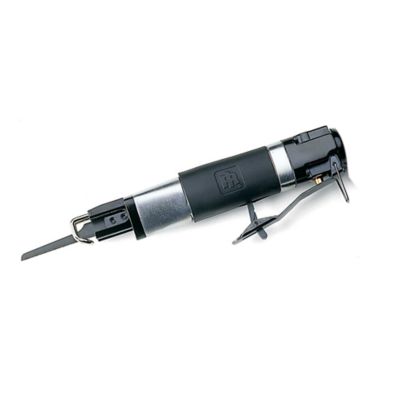
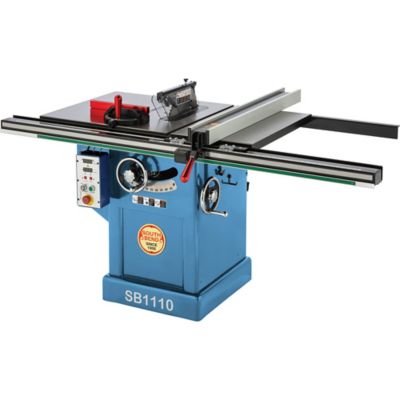
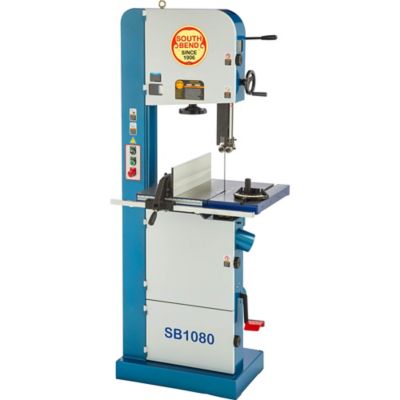
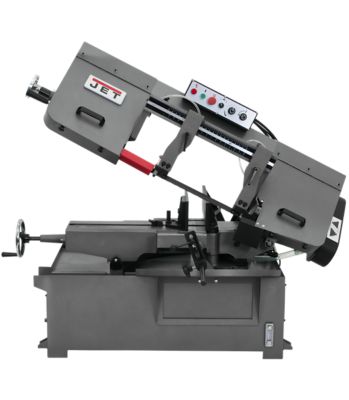
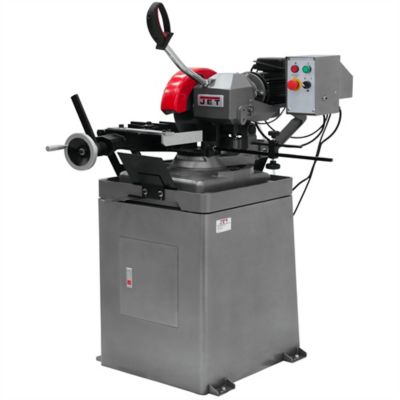
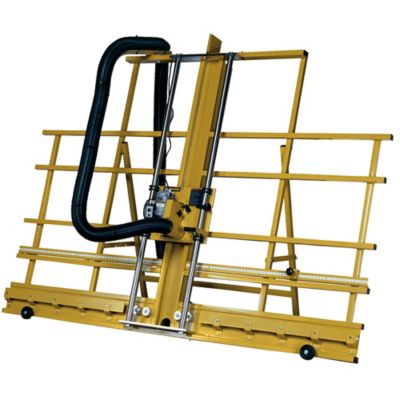
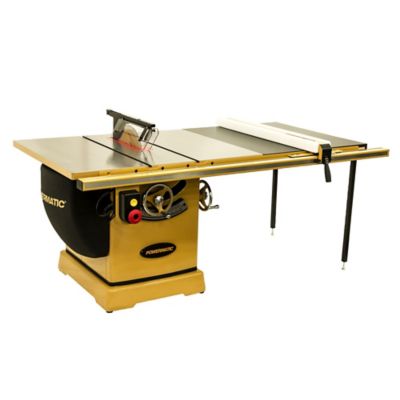
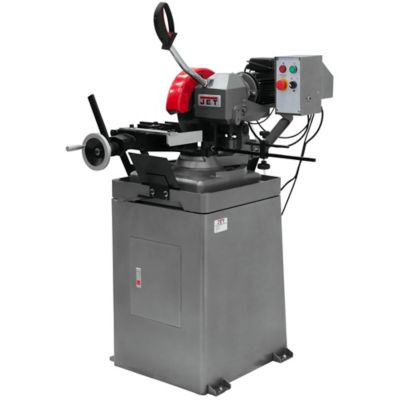
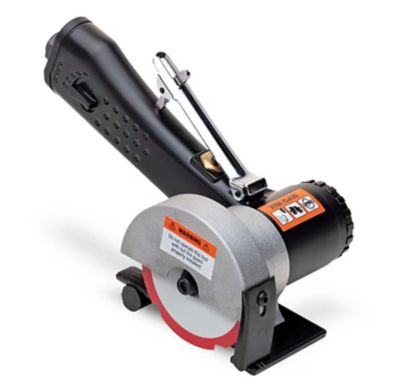
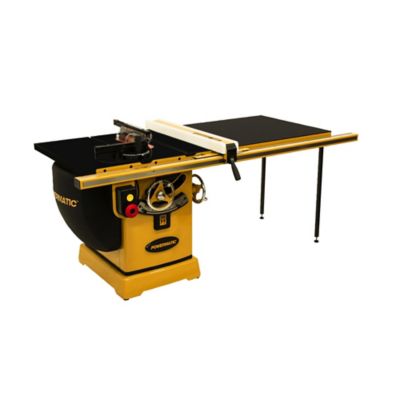
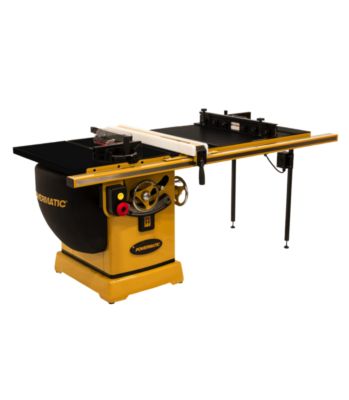
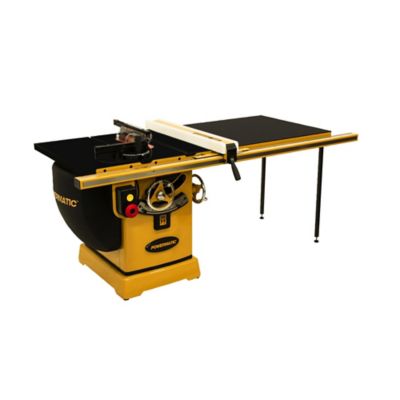
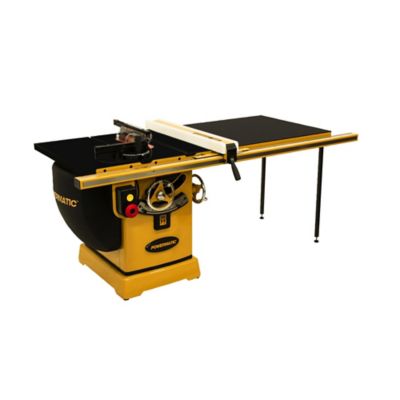
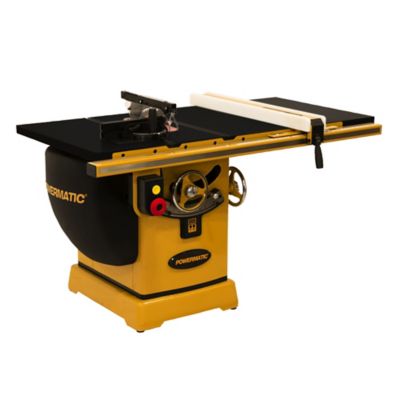
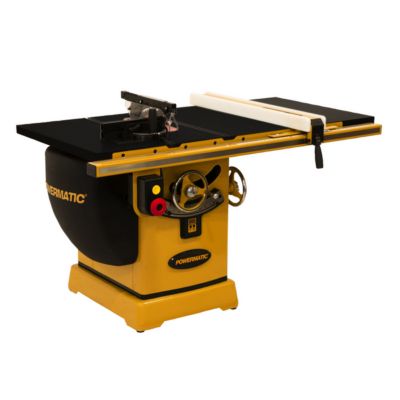
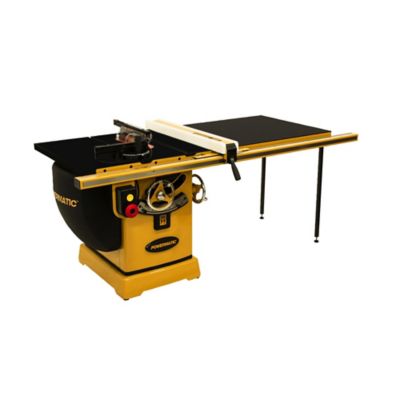
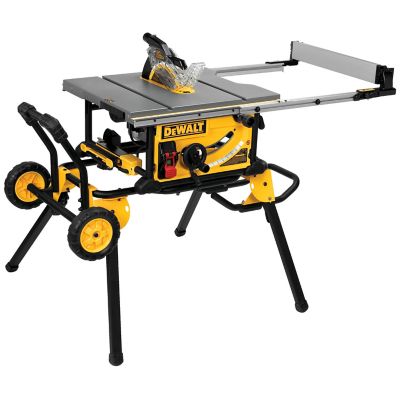
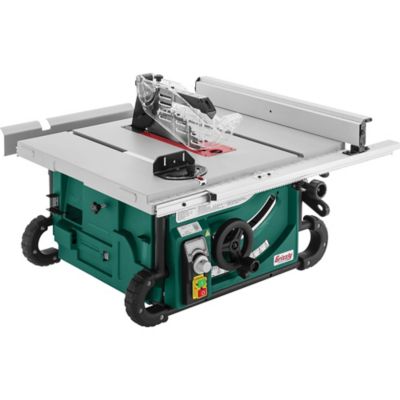
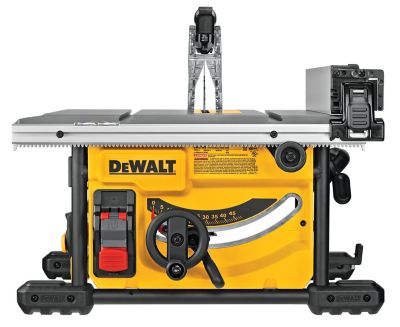
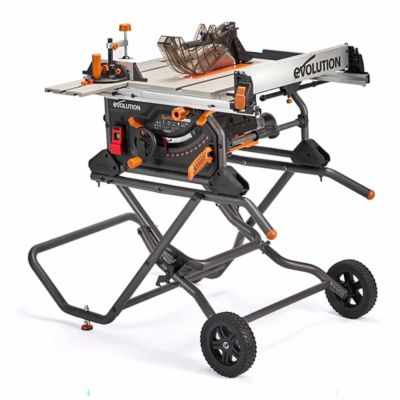
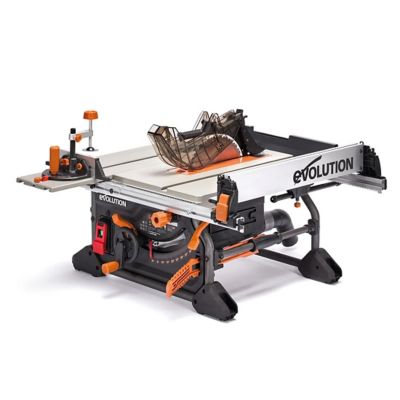
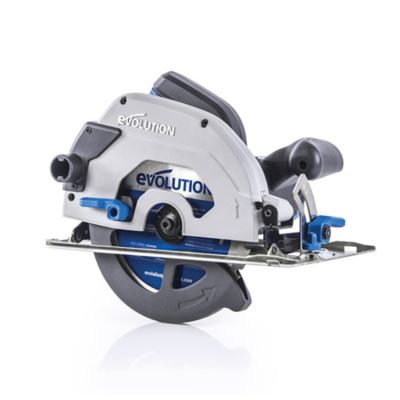
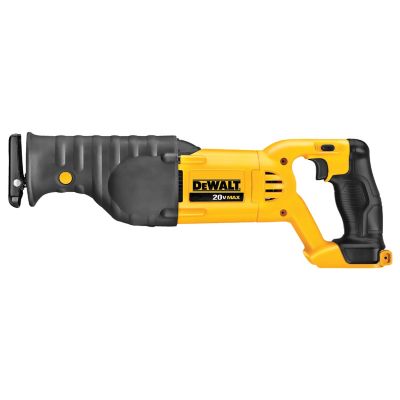
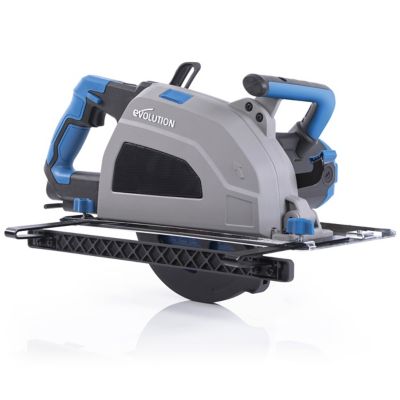
Industrial saws are heavy-duty cutting machines built for repeated work in metal fabrication, manufacturing, woodworking, and equipment repair. Compared with light-duty cutting tools, they generally put more emphasis on rigid support, controlled feeding, larger cutting capacities, and repeatable results across a run of parts. They earn their place in fabrication shops, maintenance departments, cabinet shops, and farm workshops where cutting pipe, trimming lumber, or sizing steel is part of the regular workload. The main types include band saws, circular saws, cold saws, and stationary woodworking saws, with each style suited to a different mix of materials and cuts. A band saw moves a continuous toothed blade around wheels, producing a relatively narrow cut that limits material loss. Horizontal metal-cutting band saws are commonly suited to straight cuts through bar, pipe, tubing, and structural shapes, while vertical band saws support contour work and other cuts where the material moves across a table. Blade width and machine design determine how tight a curve the saw can follow. Circular saws cut with a rotating blade and can suit wood, metal, or certain plastics when the machine and blade are rated for that material. Cold saws are metal-cutting machines that typically run toothed circular blades at controlled speeds, often with coolant, to manage heat and produce clean ends. Their cutting action differs from an abrasive cutoff wheel, which removes material through friction. In woodworking, cabinet-style table saws provide a stable surface for ripping boards and sizing parts, while sliding table designs help support larger panels. Some panel-cutting setups include a scoring blade that reduces chipping along the underside of laminated sheet goods. Portable reciprocating saws fill another role, reaching into repair areas where a stationary machine cannot go, though they generally are not the first choice for repeated production cuts. For a shop making gate frames or cutting several lengths of tubing for equipment repairs, the right saw type can mean less wrestling with material and less cleanup before the next operation.
Material compatibility is the starting point for comparing industrial saws, but the size and shape of the work matter just as much. Solid steel bar, thin-wall tubing, aluminum shapes, hardwood boards, and plywood panels place different demands on a blade and its feed system. A stated cutting capacity needs a closer look because round stock, rectangular stock, and angled cuts may each have different limits. On a mitering metal saw, the opening that handles a square cut may accept a smaller piece when the head turns for an angle. Long material also needs support beyond the saw itself; a heavy length of pipe hanging off a short table can shift the work and interfere with a square cut. Blade fit includes length or diameter, width, thickness, arbor size where applicable, and the specifications approved by the machine manufacturer. Compatible
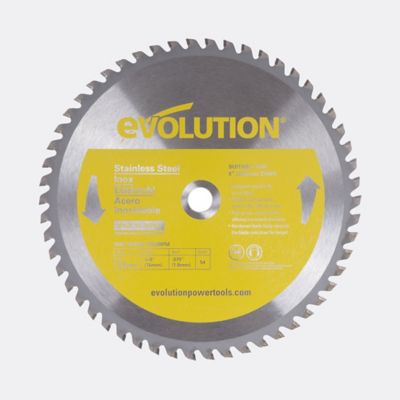
Power Saw Blades also need the right tooth pattern and material rating for the job. Tooth spacing affects how the blade engages the work and clears chips: thin sections need enough teeth in contact to reduce snagging, while thicker sections need room between teeth to carry chips away. Blade speed and feed rate influence heat, finish, and blade life, so adjustable controls can be helpful when a shop handles more than one material. Motor horsepower alone does not tell the whole story. Electrical phase, voltage, circuit requirements, duty rating, and the manufacturer’s operating limits all affect whether a machine fits the building and the workload. A shop with single-phase service cannot assume that a three-phase machine will connect without additional planning. Manual feed can suit occasional cutting, while controlled feed, repeat stops, and automatic cycles may better support repeated parts. Floor space matters, too, including room for the full length of the work, access to controls, chip collection, and routine service. The machine needs to fit the way material travels through the shop, not just the open patch beside the workbench.
Construction and upkeep have a big influence on how an industrial saw holds up through regular shop work. A rigid frame, well-supported table, sound blade guides, and a vise that grips firmly all help keep movement where it belongs. Cast iron and heavy steel construction can add stability, but machine weight also affects delivery, placement, and the floor beneath it. For a fabrication shop turning out fence brackets, repeat stops and a secure clamping arrangement may matter more than a broad range of cutting angles. For a cabinetmaker handling sheet material, table support, fence alignment, and dust collection connections may carry more weight. Repair crews working around equipment may put greater emphasis on access, portability, and a secure way to hold awkward parts. Across these settings, blade condition remains central to cut finish and machine performance. A dull or damaged blade can lead to wandering cuts, extra heat, rough edges, and unnecessary strain. Clean chip paths, correctly adjusted guides, proper blade tension where applicable, and lubrication specified in the manual support steady operation. Metal-cutting machines with coolant systems also need attention to fluid concentration, cleanliness, and compatibility with the material being cut. Woodworking dust collection and metal chip handling have different requirements; sparks or hot metal debris do not belong in a collection system intended for wood dust. Guards, blade covers, accessible stop controls, and secure workholding are practical parts of the machine’s design, not extras to work around. Operators need training for the particular saw, and maintenance or blade changes require the prescribed shutdown and energy-isolation procedures. Service access is worth considering before a machine takes its place against a wall, especially when belts, guides, filters, or coolant components need regular attention. Industrial saws make the most sense when their cutting capacity, controls, support surfaces, and maintenance needs line up with the work they will handle day after day.