Husqvarna tractor parts help keep a riding mower ready for the work that comes with changing seasons, from clearing a wide stretch of grass to keeping paths, field edges, and open areas in good shape. The right replacement part can restore smooth operation when a mower starts cutting unevenly, loses traction, makes an unfamiliar sound, or shows signs of wear around the deck, steering, engine, or drive system. These parts may suit homeowners with larger lawns, landowners caring for acreage, and anyone who depends on a riding tractor to keep grass under control without spending every warm afternoon behind a push mower. They can also be useful for maintaining a mower that belongs to a parent, neighbor, or family member, especially when a trusted machine has plenty of work left in it but needs attention before the cooler months arrive. Before placing an order, gather the tractor’s full model number, product number, serial number, and deck size. Those details are often found on a frame label beneath the seat, along the side of the chassis, or near the engine compartment. A part that appears similar at a glance may differ in mounting holes, belt length, shaft size, connector style, or overall dimensions, so matching the mower’s identification information is an important step. Assembly diagrams, owner documentation, and part listings can help narrow the selection, while clear photos of the old part may make it easier to compare shape and connection points. For shoppers comparing factory-spec replacements with compatible alternatives, pay close attention to stated fitment, materials, measurements, and installation requirements rather than relying on appearance alone. If the mower has been modified, repaired in the past, or fitted with a different deck, confirm each detail before ordering. Keeping the model information written down or saved with maintenance records makes future searches easier and can save a trip back to the shed for another look at the label.
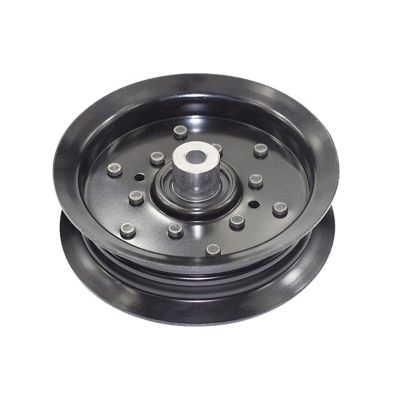
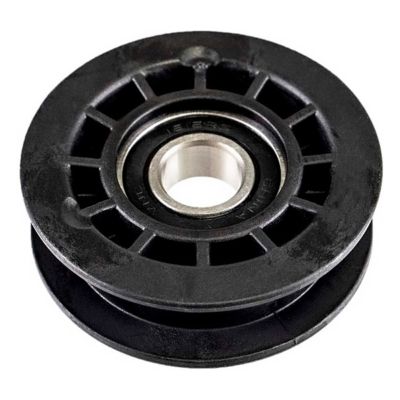
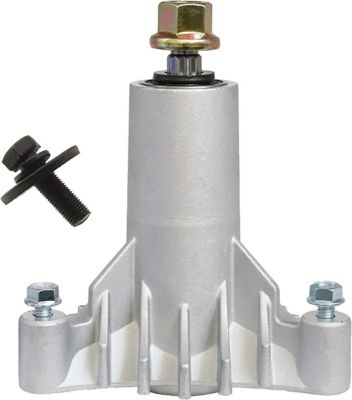
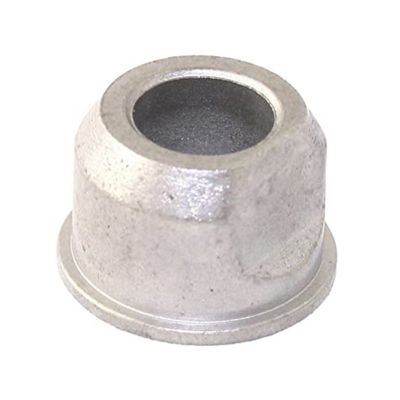
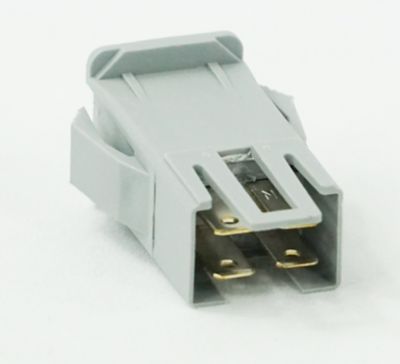
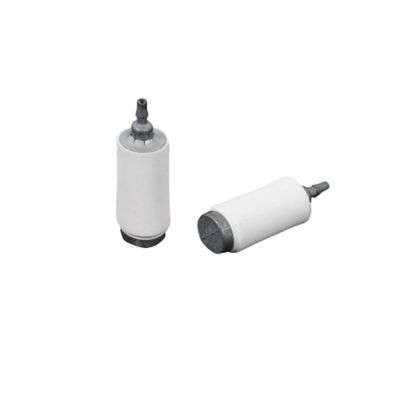
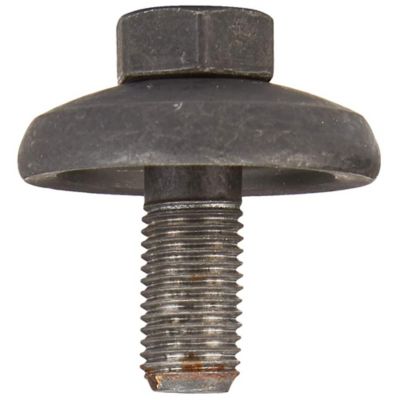
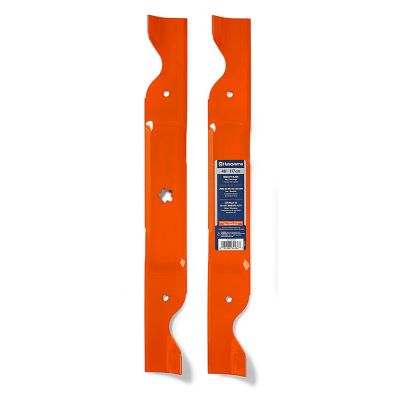
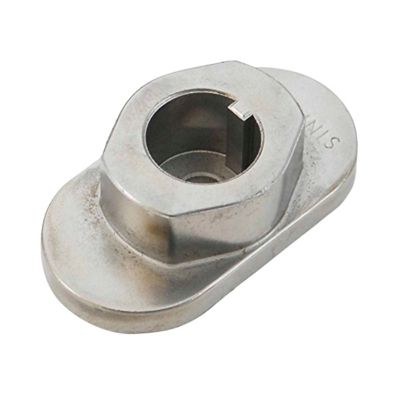
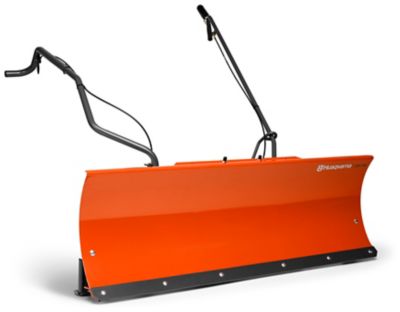
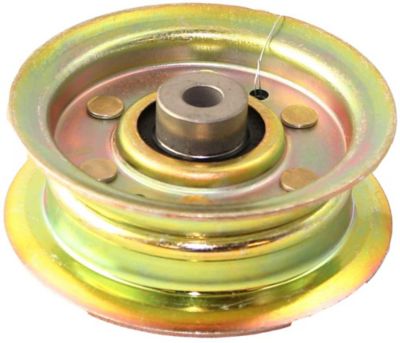
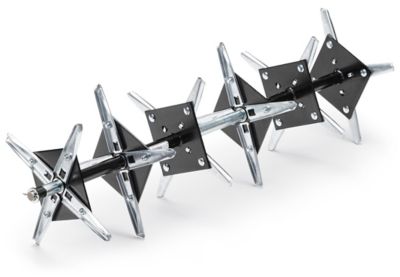
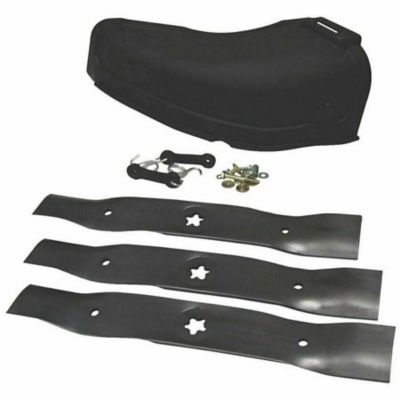
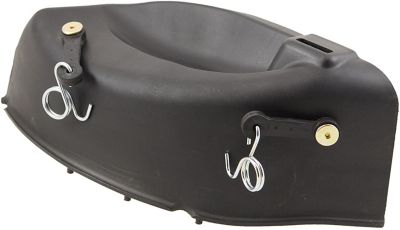
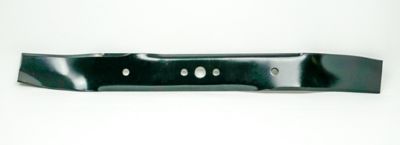
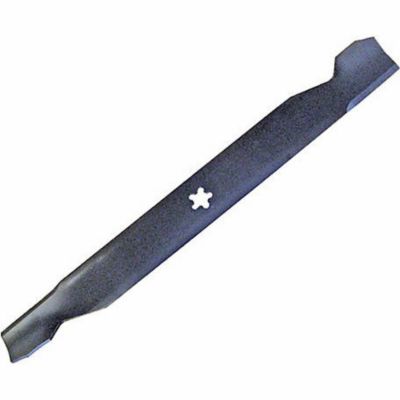
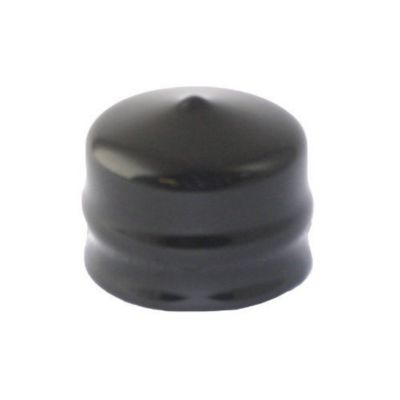
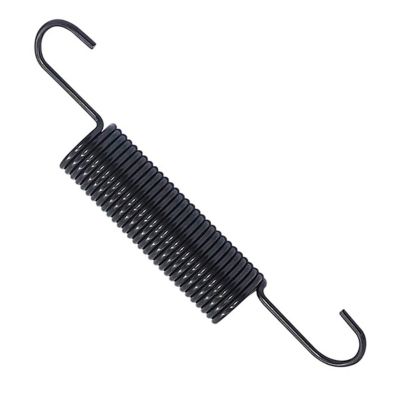
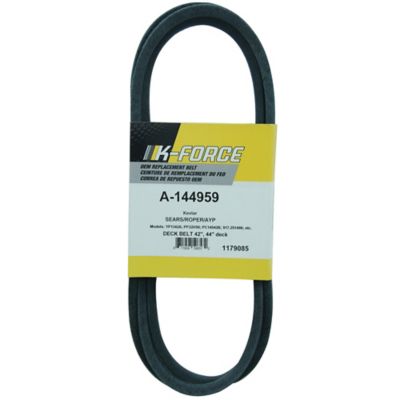
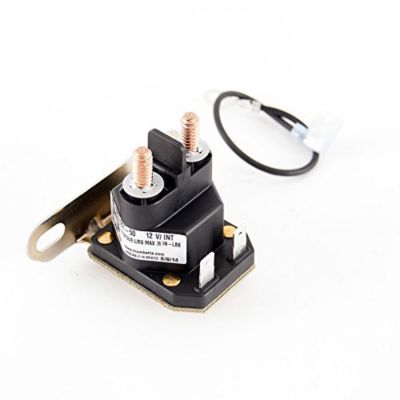
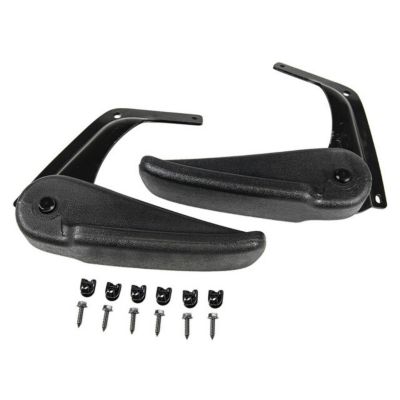
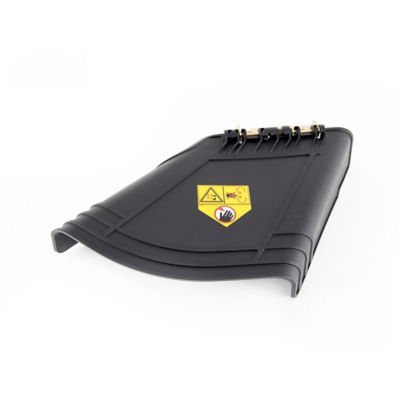
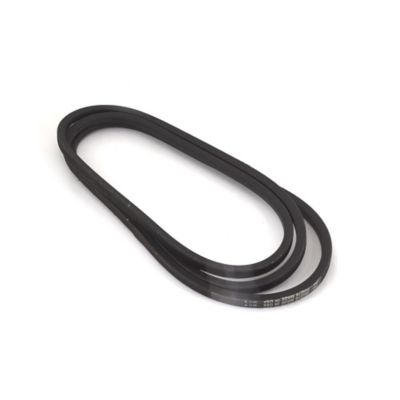
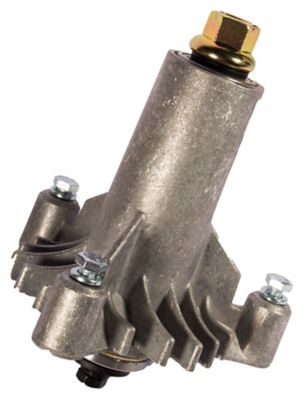
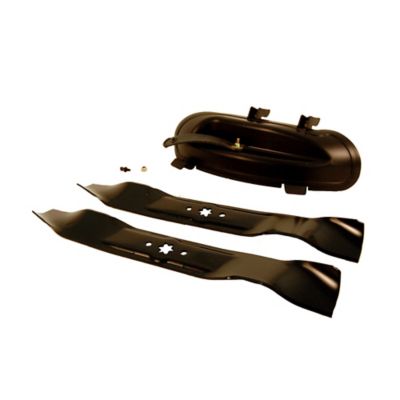
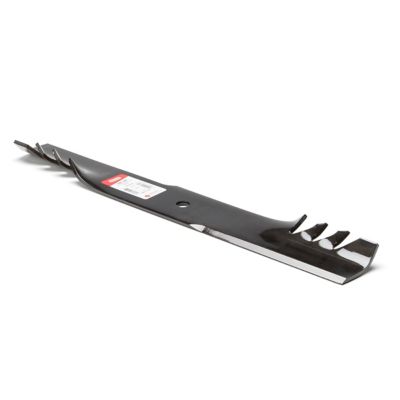
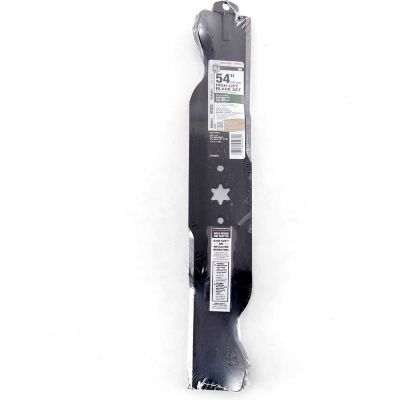
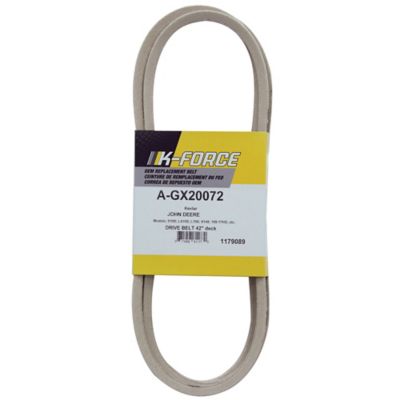
Common Husqvarna tractor parts include items for the cutting deck, drive system, steering assembly, wheels, engine support, electrical connections, and operator comfort. Deck-related replacements may help bring back a cleaner, more even cut when grass is left in rows or the mower begins to leave tall strips behind. Belts and pulleys should be checked for fraying, glazing, cracks, slack, or unusual movement, while blades and related hardware call for careful inspection after contact with rocks, roots, or hidden branches. Traction components can be especially helpful on sloped ground, damp grass, or long driveways, but they should be selected with the tractor’s wheel and axle specifications in mind. Bumpers, covers, guards, seats, handles, and other exterior pieces can help keep a frequently operated mower serviceable and comfortable as time outdoors stretches from early fall into the colder part of the year. When installing any part, park on a level surface, remove the key, set the parking brake, and follow the service instructions for the machine. Disconnecting the spark plug wire or battery when appropriate adds an important layer of safety, and sturdy gloves and eye protection are sensible when working around sharp edges, springs, belts, or built-up grass. A quick inspection before storage can reveal loose fasteners, worn bushings, cracked pulleys, damaged wiring, and packed debris that may become harder to address after the mower sits idle. Brush away grass clippings, keep moving parts free of buildup, and store removed hardware where it will not roll beneath a workbench. For related lawn equipment searches, visit
Yard Machines Lawn Mower Parts. Whether the tractor handles a few acres behind the house or keeps a larger property presentable, taking time to match the correct part and inspect the surrounding assembly can help the machine start the next cutting season ready for steady work.