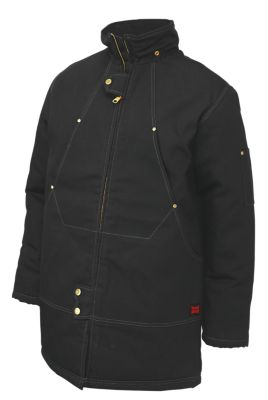
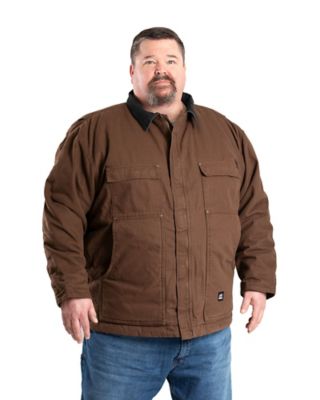
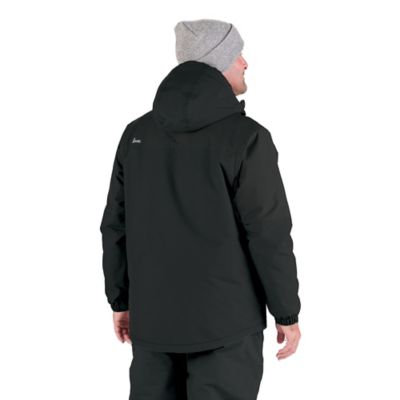
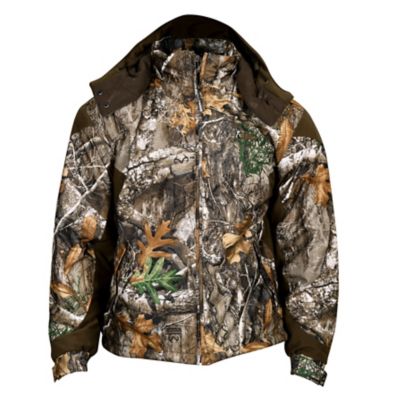
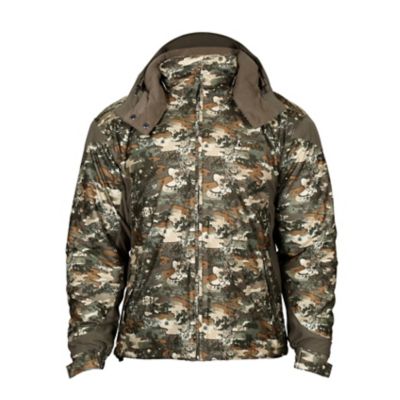
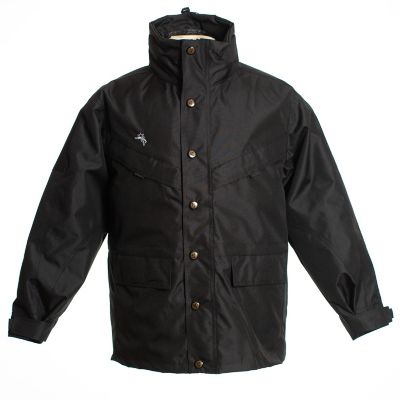
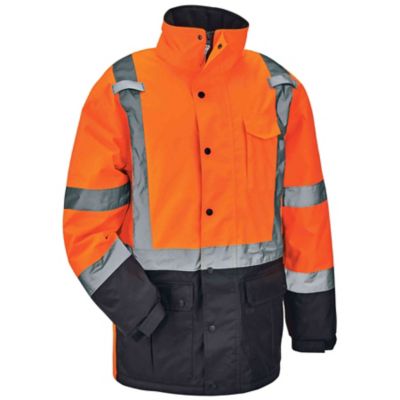
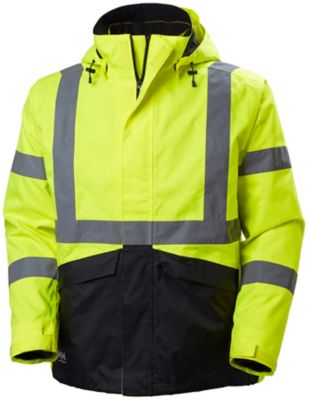
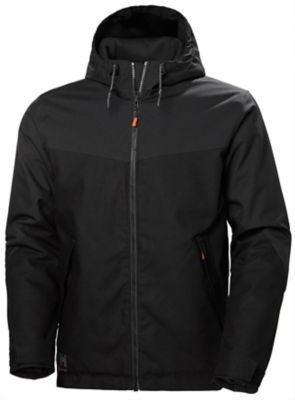
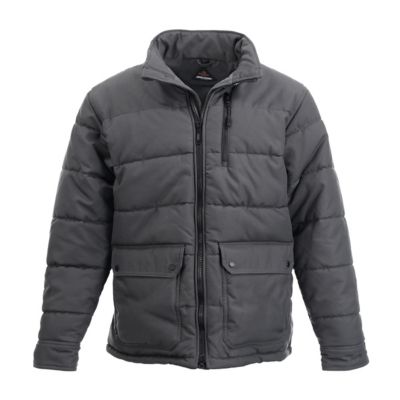
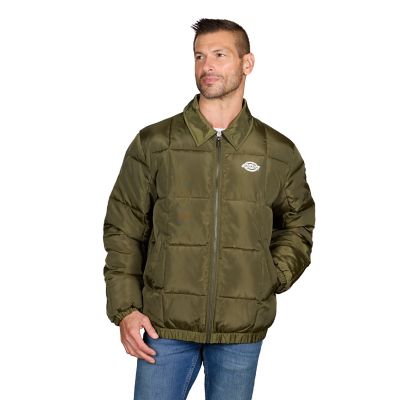
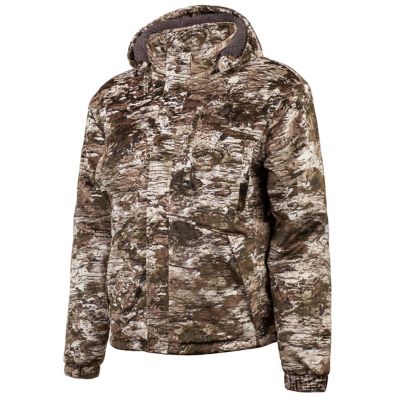
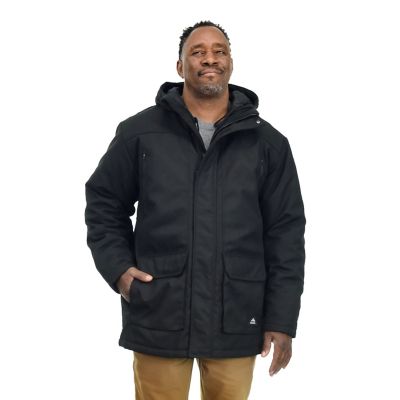
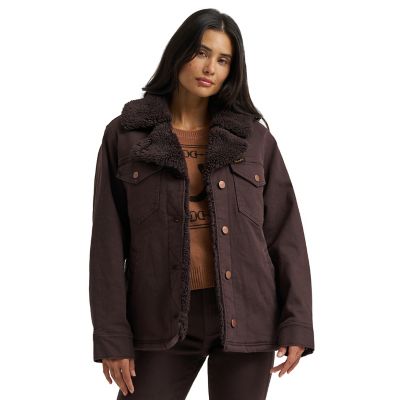
A men’s winter parka is an insulated coat with extended coverage designed to help keep cold air, wind, and light precipitation from cutting a day outdoors short. Compared with a waist-length jacket, a parka generally reaches over the hips, with some styles extending toward the thighs. That extra length makes a difference when walking a fence line, feeding livestock, or standing beside the field at an outdoor game. Many parkas pair a protective outer shell with an insulated hood, a high collar, and adjustable openings that help hold warmth close. The right amount of insulation depends on both the conditions and the work ahead: hauling feed creates more body heat than sitting on a tractor or waiting at the bus stop. Down insulation offers substantial loft for its weight and packs down easily, making it a practical option for cold, mostly dry conditions. Synthetic insulation generally retains more insulating ability when damp and can suit chores where snow, moisture, and frequent wear are part of the routine. Neither fill type tells the whole story on warmth. Insulation amount, coverage, lining, wind protection, and the layers underneath all matter. Down fill power describes loft rather than a temperature rating, so that number alone cannot establish how warm a finished coat will feel. Shell materials deserve the same attention. Nylon and polyester are common choices, while heavier canvas-style fabrics bring a more substantial feel for everyday work. Fabric weight, weave, and reinforcement influence how the shell handles rubbing against fence rails, truck seats, and rough surfaces. A water-repellent finish can help light snow or brief drizzle bead up, but water resistance is not the same as waterproof protection. For longer exposure to wet snow or rain, waterproof fabric, sealed seams, and protected closures matter more than a surface treatment alone. Breathability also matters during active work, since trapped perspiration can leave inner layers damp even when moisture stays outside.
Fit is where a winter parka either earns its place by the door or becomes a coat that gets left behind. A comfortable fit leaves space for a flannel shirt, sweatshirt, or other insulating layer without pulling across the shoulders or squeezing the sleeves. Too much extra room can make a coat cumbersome around gates and equipment, while a close fit may compress insulation and limit movement. Reaching forward to carry a feed sack, lifting an arm to latch a barn door, and sitting behind the wheel all put different demands on the cut. Articulated elbows, roomy shoulders, and a back that stays covered during a bend can make those everyday motions easier. Length deserves particular attention for men who divide their time between walking and driving. Longer coverage helps shield the seat and upper legs, but the hem should not bind across the lap. A two-way front zipper can open from the bottom for seated comfort while leaving the upper body covered. A storm flap adds another barrier over the front closure, and a soft chin guard helps keep zipper hardware away from the face. Hood adjustments matter when the wind picks up; a hood that follows head movement can protect the ears without falling across the eyes. Removable hoods allow a different setup for days when less coverage is needed. Adjustable cuffs can close over or beneath gloves, while an adjustable waist or hem helps reduce drafts without requiring a tight overall fit. Pocket placement is another small detail that becomes noticeable over a long day. Hand pockets positioned above the hem are easier to reach, secure chest pockets keep small belongings close, and larger zipper pulls are easier to manage with gloves on. For chores that involve frequent bending or carrying, pocket closures help keep keys and other necessities from slipping into the snow. The most practical details are the ones that match the wearer’s regular routine rather than adding extra weight or fuss.
A men’s winter parka can serve as an everyday chore coat, a layer for long stretches outside, or a practical gift for someone whose day rarely stays indoors. A man clearing the driveway may value freedom through the shoulders and openings that allow excess heat to escape; someone checking water troughs before daylight may put more emphasis on hood coverage, an insulated collar, and protection below the waist. For a gift, his usual coat size, preferred layers, and daily activities offer a better starting point than appearance alone. Sleeve length and torso proportions matter as much as the size on the tag, especially for taller men or anyone who finds that standard coats ride up when reaching. Color and finish also play a part in everyday wear, though comfort and function tend to matter most when a coat gets pulled on several times a day. Care requirements vary with the shell, insulation, lining, and any protective treatments. The sewn-in care label takes priority, particularly for down-filled coats, coated fabrics, and removable trim. Dirt and body oils can affect how a shell sheds moisture, while detergent residue or an unsuitable cleaning method may interfere with its finish. Some parkas allow machine washing; others call for different care. Complete drying is especially important for insulated garments, since lingering moisture can leave fill clumped and reduce loft. Following the recommended drying method and storing a clean coat without prolonged compression helps preserve its shape between wears. Attention to loose stitching, worn cuffs, and sticky zippers can also keep small problems from turning into bigger repairs. For a broader look at winter outerwear beyond longer insulated coats,
Men's Winter Outdoor Jackets covers related styles for different routines and levels of activity. A well-matched parka brings together warmth, useful coverage, and enough freedom to handle the work without making every movement feel like a chore.