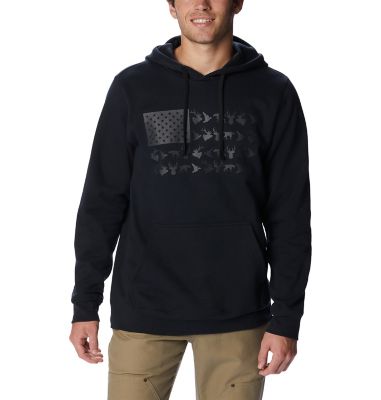
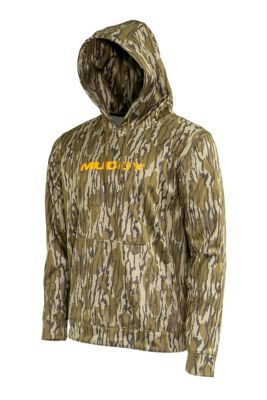
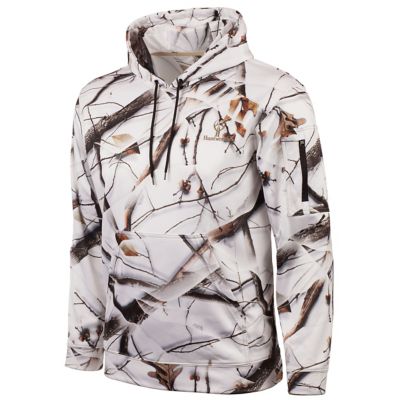
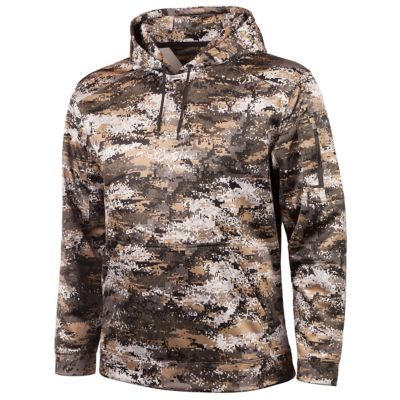
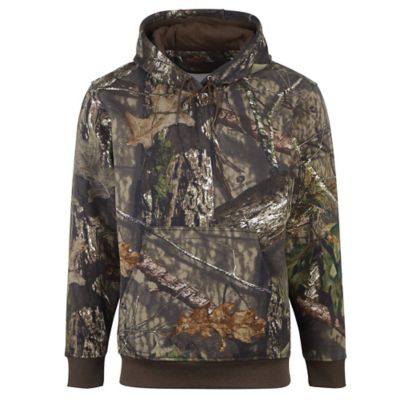
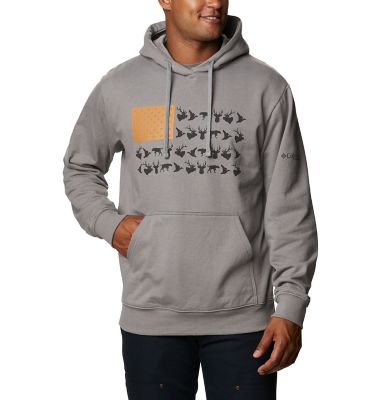
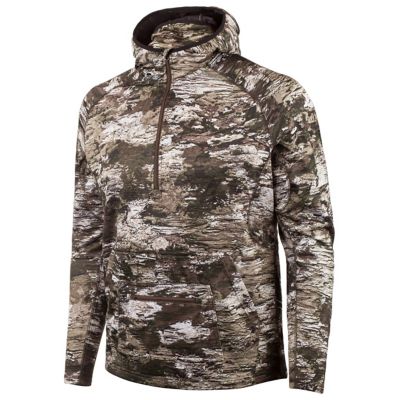
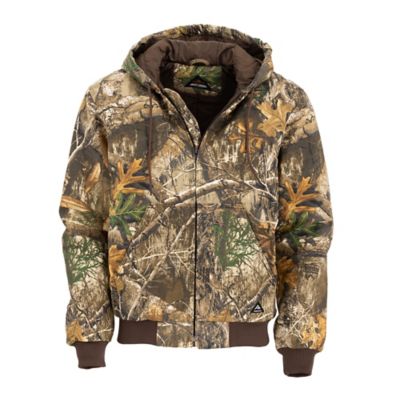
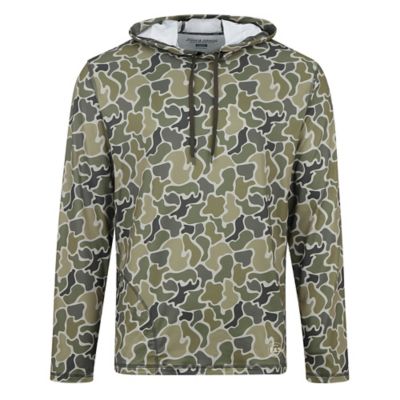
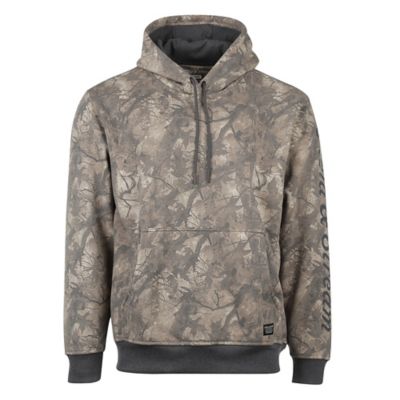
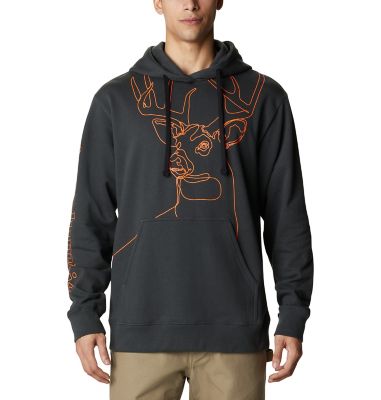
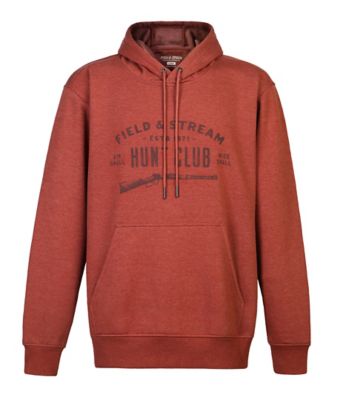
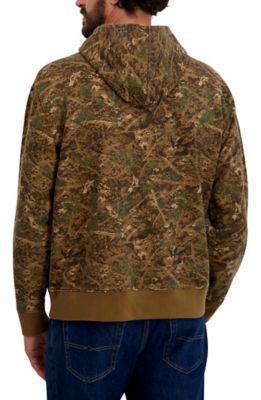
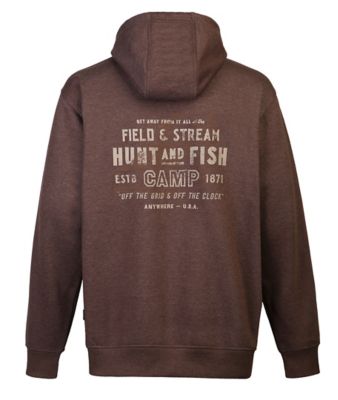
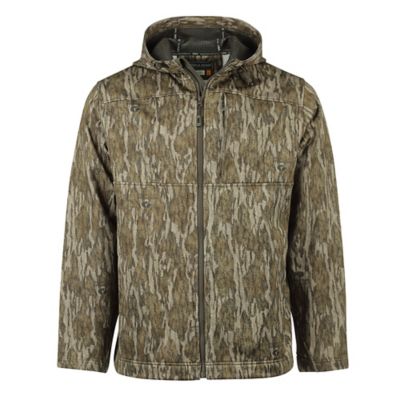
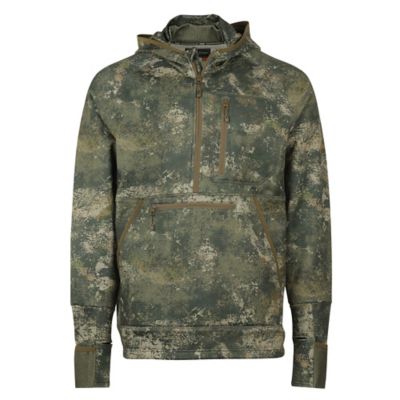
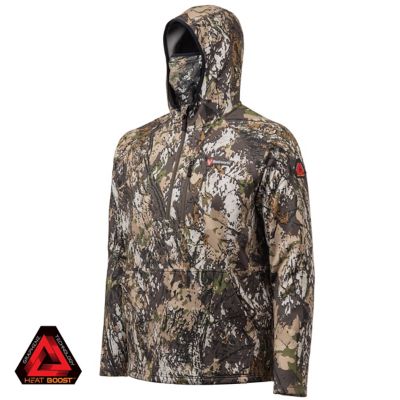
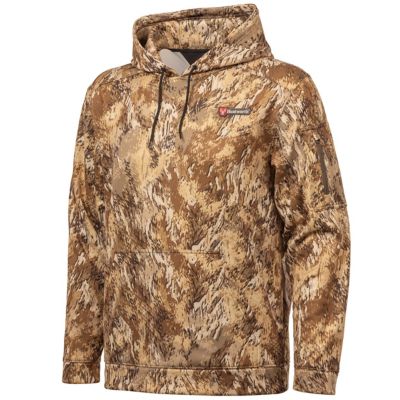
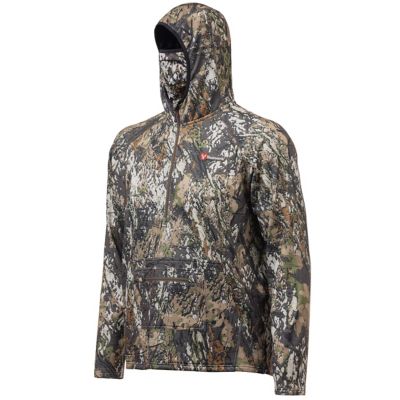
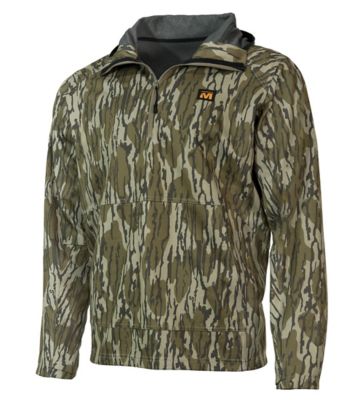
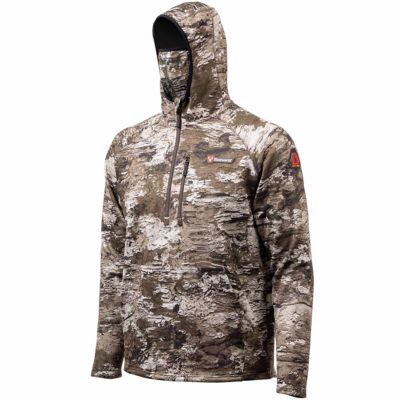
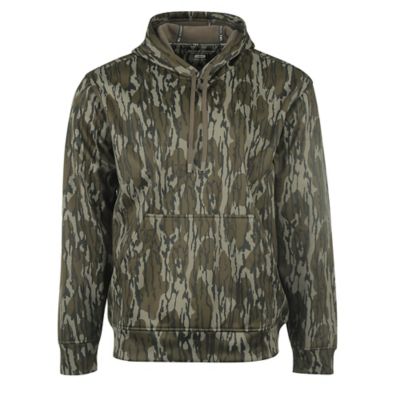
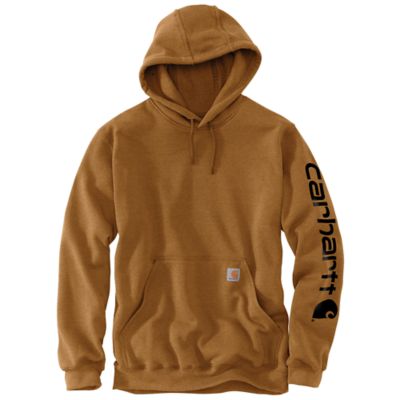
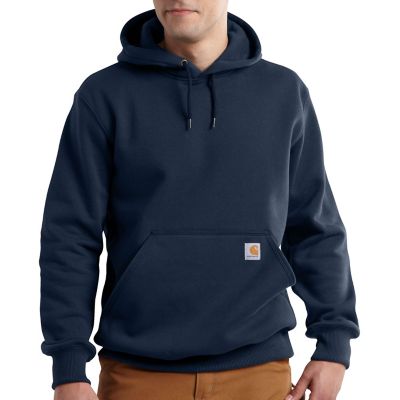
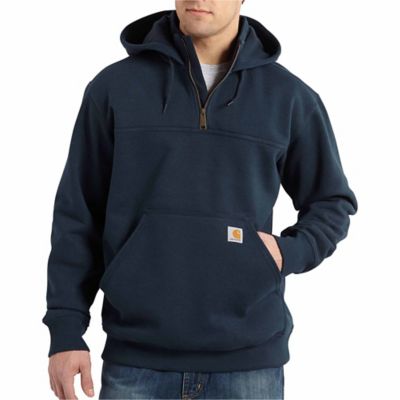
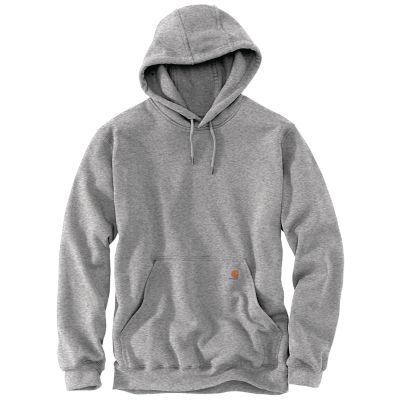
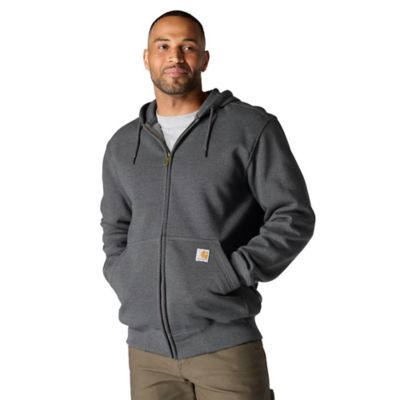
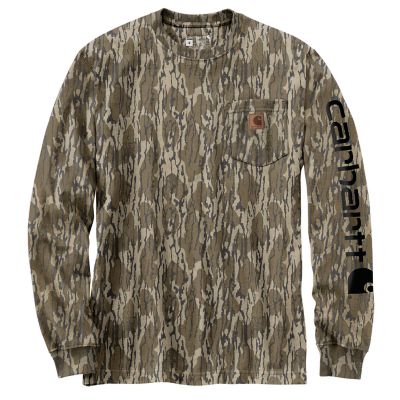
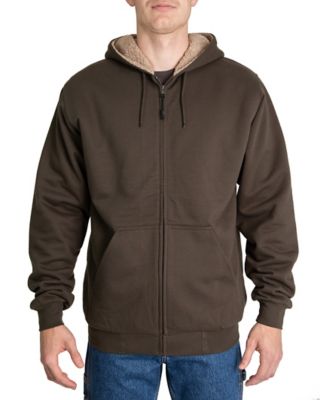
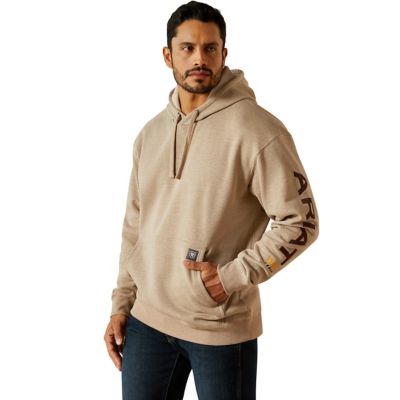
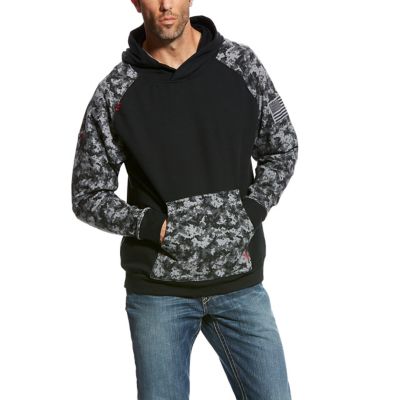
Men’s hunting hoodies provide a comfortable layer for the walk to a stand, a stretch in the blind, or chores back at camp. The best match depends on activity level, layering needs, and how much protection the hunt calls for. A long hike demands a different balance of warmth and breathability than sitting still while watching a field edge. Lightweight synthetic knits can move perspiration away from the skin and dry faster than cotton, making them practical for active hunts and layering beneath a jacket. Cotton-rich blends bring a familiar sweatshirt feel for camp and casual wear, though they hold moisture longer and are less suited to strenuous activity in cold, wet conditions. Polyester fleece traps warmth within its loft, with lighter fabrics fitting easily under outerwear and heavier versions providing more insulation for less active stretches. A brushed face can help limit fabric noise when an arm brushes against the body, although overall quietness also depends on the garment’s construction and anything worn over it. Stretch fabric adds give through the shoulders and elbows, where a hunter needs room to climb, carry gear, or settle into position. For damp conditions, water resistance deserves a closer look: a water-repellent finish may shed light moisture, but it does not make a hoodie waterproof. Wind resistance is another separate feature, and a thick fleece does not necessarily block a steady breeze. A weather-protective outer layer may still be necessary when the forecast calls for prolonged rain or strong wind. Across these fabric types, men’s camo hunting hoodies serve different roles, from breathable layers for moving through timber to insulating pieces beneath a shell. The useful distinction is not simply how heavy a sweatshirt feels in hand, but how its fabric handles moisture, movement, and time spent sitting still. That balance helps a hunting layer earn its place in the truck, at camp, and out in the field.
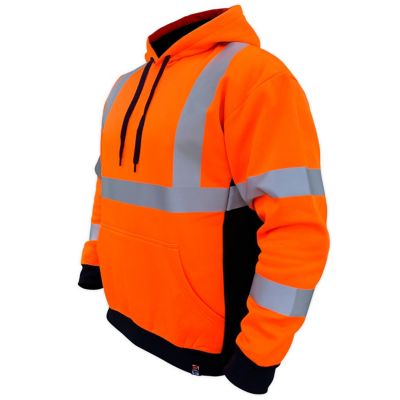
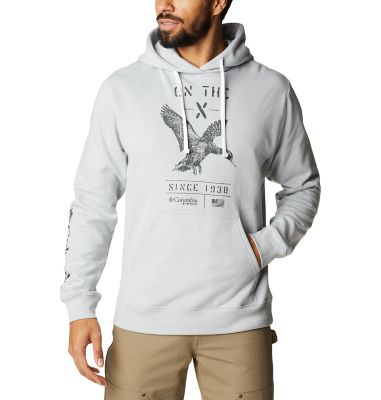
Fit makes just as much difference as fabric when a hoodie becomes part of a hunting outfit. A close-fitting style can slide beneath a vest or jacket without bunching, while a roomier cut leaves space for a base layer and allows easier movement across the back. Neither needs to feel tight at the shoulders or hang so loose that extra fabric catches on equipment. Sleeve length matters when arms reach forward, and a hem that stays put helps prevent gaps above the waistband while climbing or sitting. Pullover hunting hoodies keep the front simple and often include a broad pocket for resting hands between tasks. Full-zip styles make it easier to release heat on the walk in or remove a layer without pulling it over a cap. A zipper can add stiffness or sound, so its placement and backing matter when a garment sits close to the neck or beneath other gear. Hood shape also affects comfort. A hood with enough room for a hunting cap should still allow a clear view to either side, rather than sliding forward when the head turns. Adjustable openings can help control the fit, with loose cords kept clear of bowstrings and other equipment. Ribbed cuffs or fitted sleeve openings help hold the sleeves in place, while thumbholes, when present, can make pulling on another layer less of a struggle. Pocket placement deserves attention, too: a front pouch may sit beneath a safety harness, pack belt, or waders, making it harder to reach. Zippered pockets can help keep small belongings from slipping out, but hard objects may make noise against nearby gear. Camouflage patterns can complement timber, brush, or marsh surroundings, while solid colors offer a simpler look around camp and town. Camouflage never replaces visibility clothing required by hunting regulations. Blaze orange or other required apparel belongs in the outfit regardless of how well the hoodie blends into the surroundings.
Everyday wear and proper care help determine how long a hunting hoodie stays comfortable and useful. Closely stitched seams, reinforced pocket corners, and cuffs that recover their shape are worth considering for clothing that sees repeated trips through brush, time under pack straps, and frequent washing. Fabric weight alone does not tell the whole story; a lighter knit with sound construction can serve a different purpose than thick fleece without being a lesser choice. Care labels provide the right starting point for washing temperature, drying method, and any special treatment. Excessive dryer heat can affect stretch fibers, printed patterns, and water-repellent finishes, while fabric softener may interfere with moisture management or certain performance treatments. Mud, burrs, and plant debris are easier to deal with before they work deeper into the fabric, and fully drying a garment before storage helps prevent musty odors. For hunters who prefer fragrance-free laundry products, consistent care can keep strong laundry scents from lingering, though no wash routine makes clothing scent-free in the field. Between hunts, a hoodie also fits naturally into checking fence, stacking firewood, walking the property, or grabbing breakfast on the way to camp. Those everyday uses make comfort at the collar, softness inside the sleeves, and an easy-moving fit worth as much attention as camouflage. A hunting hoodie can also make a thoughtful gift for a father, brother, spouse, or hunting partner when the size, preferred fit, and hunting style are familiar. Someone who spends more time around camp than in a blind may appreciate different features than a hunter who covers miles on foot. For a broader look at comfortable layers beyond hunting-specific patterns and features,
Warm Hoodies for Men offers a related place to browse. The right hunting hoodie fits the way a man moves, works with the rest of his gear, and feels comfortable enough to reach for again after the hunt.