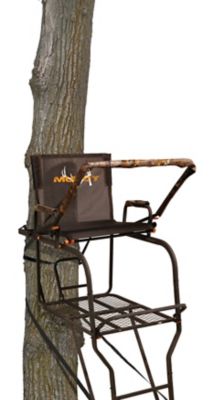
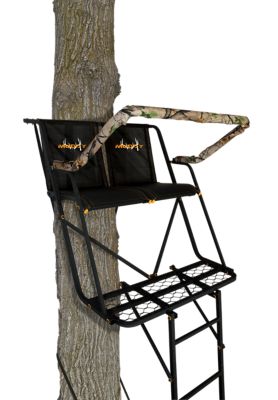
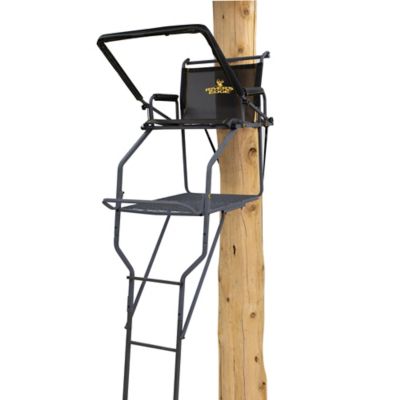
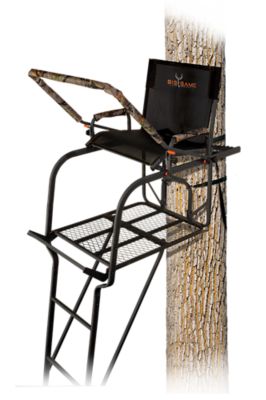
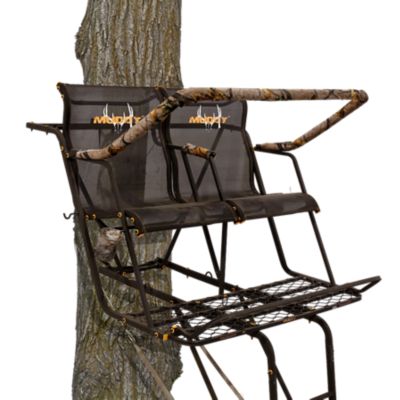
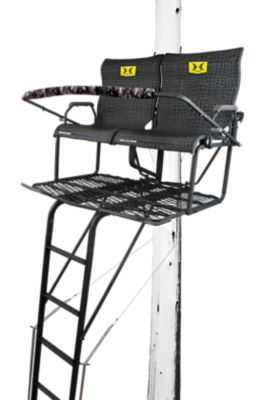
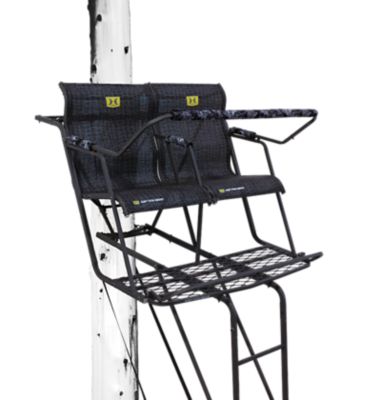
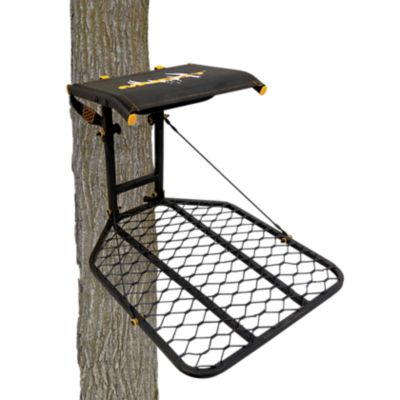
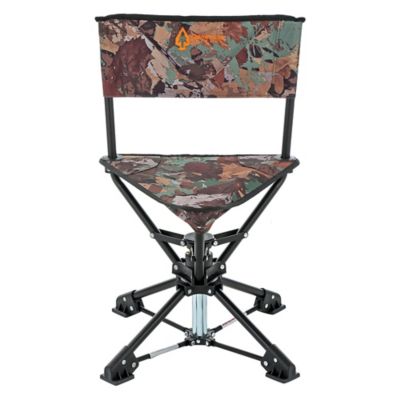
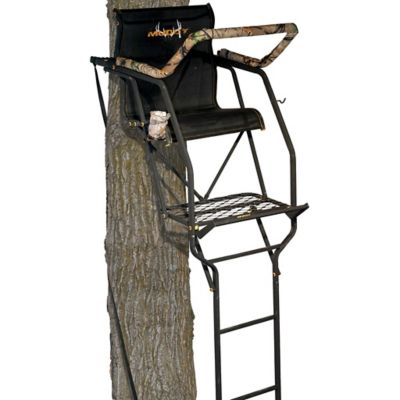
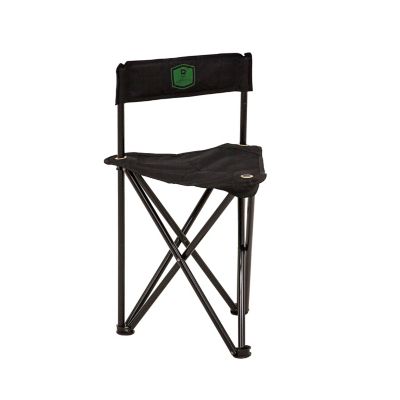
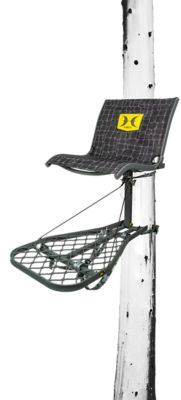
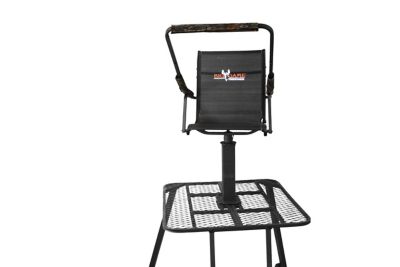
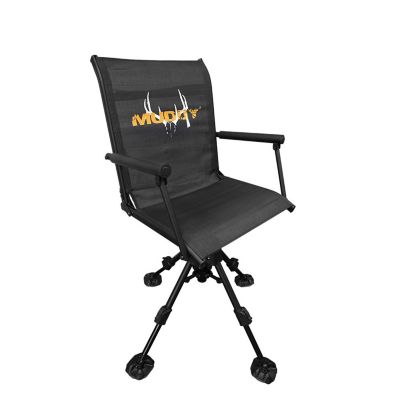
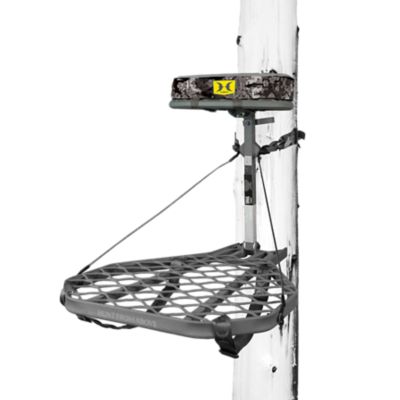
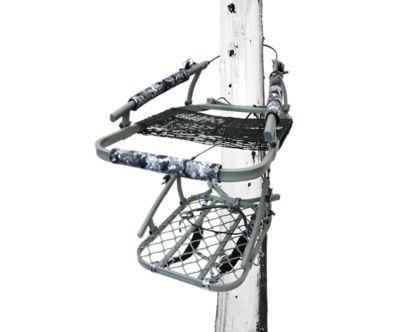
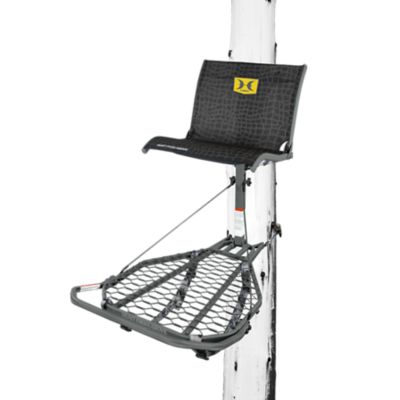
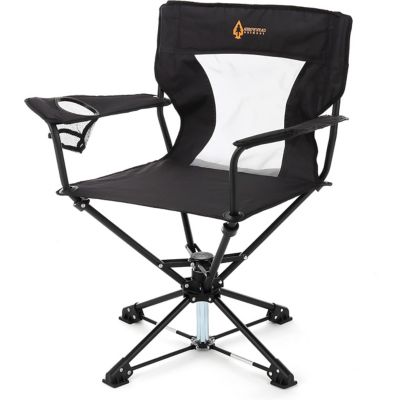
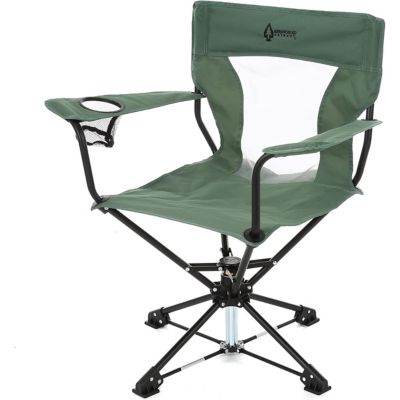
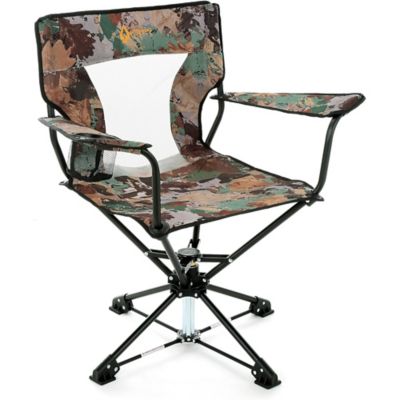
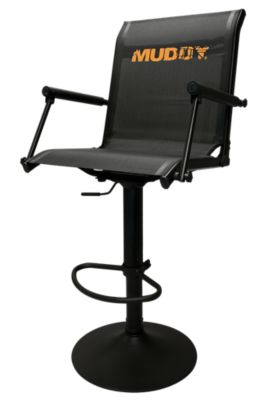
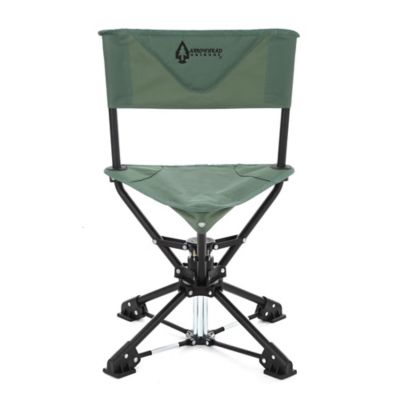
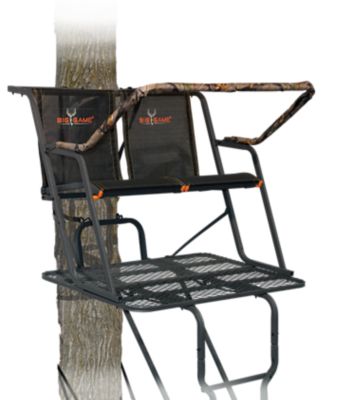
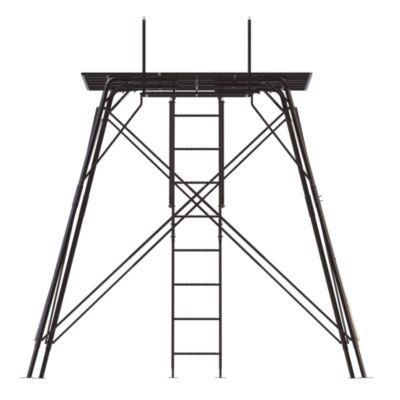
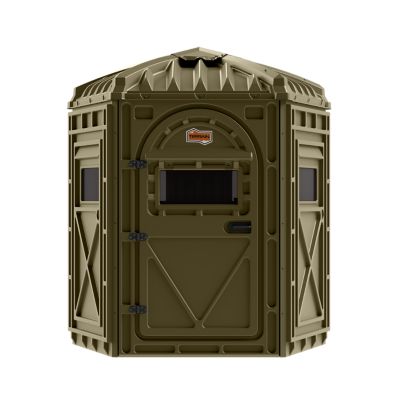
Hunting seats range from portable foam cushions and folding stools to chairs with backrests, swivel seats and tree-mounted designs. The main differences are how much support they provide, how they travel and where they can sit securely. A cushion adds padding between the hunter and a suitable ground surface or compatible bench without much extra gear to carry. That simple setup suits someone who walks between several locations or prefers to sit low against natural cover. Folding stools lift the hunter off the ground while keeping the load manageable for a walk along a field edge or down a wooded trail. Their smaller seats and limited back support tend to suit shorter sits or hunters who value pack space over room to stretch out. Chairs with backrests provide more support through a long wait, especially inside a ground blind where the hunter stays in one position. Swivel hunting seats allow the seated hunter to turn toward another viewing angle without picking up the entire chair, though smooth movement and clearance around the seat still matter. Tree-mounted designs attach to a suitable trunk with the attachment system specified by the manufacturer. A ground-level tree seat is not a climbing aid or a substitute for an elevated hunting stand. Across these styles, the best match depends on the spot as much as the person. A broad chair may feel right at home in a roomy blind but crowd a narrow shooting opening, while a small stool leaves room for a pack and other gear. Ground contact matters, too: widely spaced legs and feet that resist sinking can help on suitable soft surfaces, but no leg design makes an unstable slope a safe seating location. Hunters waiting near a food plot, watching a travel corridor or calling from tucked-in cover each have different reasons to favor a low cushion, a packable stool or a more supportive chair.
Materials and construction shape how a hunting seat feels, carries and holds up to repeated trips. Closed-cell foam cushions resist taking on water and offer padding without a frame, while fabric-covered cushions may provide a softer feel depending on their fill and thickness. Nylon and polyester seat fabrics are common choices for folding designs, with reinforced seams and well-supported attachment points helping the material handle regular sitting and packing. Mesh panels allow airflow, although an open mesh seat feels different from a fully padded one during a long stretch without moving. Steel frames often bring more carrying weight, while aluminum can lighten the load; the complete frame design and stated weight capacity matter more than the metal name alone. A seat’s load rating needs to account for the hunter and any clothing or gear supported by the seat. Fit is just as important as construction. Seat width should allow a comfortable position without squeezing the hips, and depth should support the thighs without pressing behind the knees. A suitable sitting height lets the hunter keep steady footing rather than perch with feet dangling or struggle to rise from an overly low position. Inside a blind, that same height affects the view through the opening and the space available for safe movement. Armrests can ease a long sit, but their height and placement may interfere with a bow, pack straps or the hunter’s preferred shooting position. Backrests vary in angle and height, and more padding does not automatically mean better support. A firm, well-positioned seat can be more comfortable than a thick cushion that compresses unevenly. Swivel mechanisms, folding hinges and adjustable legs add convenience, but they also add moving parts. Quiet operation matters when a small creak or scrape could carry beyond the blind. Thoughtful details such as covered contact points, secure adjustment hardware and straps that stay tucked away can make the setup less distracting when the woods go still and every little movement seems louder.
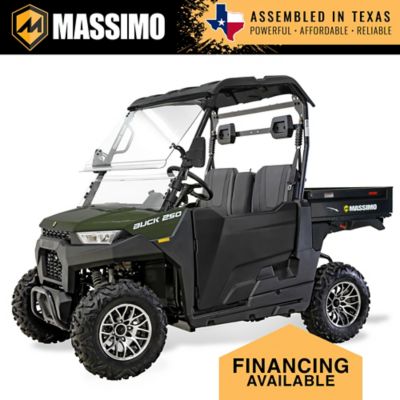
Carrying and storage features deserve a close look because a hunting seat spends plenty of time between the house, the truck and the hunting spot. A shoulder strap leaves hands free for other gear, while a compact folding shape can make a narrow trail less awkward to navigate. The packed length matters alongside the listed weight: a light chair that catches on brush can be more bothersome than a slightly heavier seat that rides close to a pack. Hunters hauling gear in
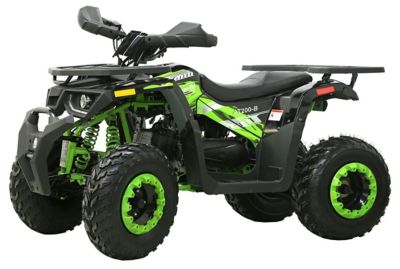
Hunting Vehicles may favor seats that fold neatly alongside their other equipment and can be secured so they do not shift during transport. Once at the spot, easy setup has value, especially when the seating area is tight and there is little room to unfold a frame. Carry bags help contain loose straps and keep seating surfaces separated from other equipment, but a seat needs to be clean and dry before extended storage. Care requirements vary by material. Fabric generally benefits from cleaning according to its care label, with attention to dirt caught around seams and folds. Foam needs protection from sharp edges and prolonged compression that can change its shape. Frames, hinges, straps and fasteners deserve regular inspection for cracks, fraying, loose connections or corrosion, and replacement parts need to match the manufacturer’s specifications. Lubricants and cleaners also need to suit the seat’s materials rather than leave a strong odor or damage a coating. For a gift, the hunter’s routine offers better direction than appearance alone. Someone who covers ground on foot may appreciate low carrying weight and a simple strap, while a hunter who settles into one blind for hours may place more value on back support and room to sit comfortably. Knowing the recipient’s preferred seat height, carrying limits and usual setup helps make the choice practical, with fewer adjustments needed before the next trip down the trail.