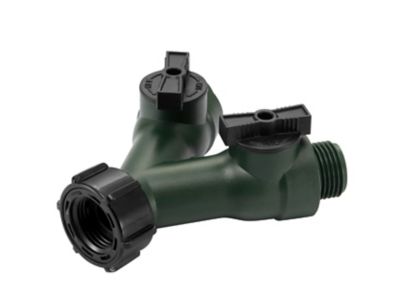
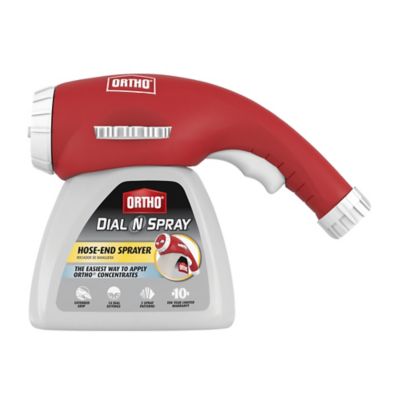
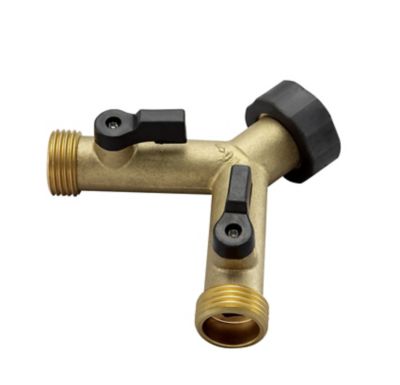
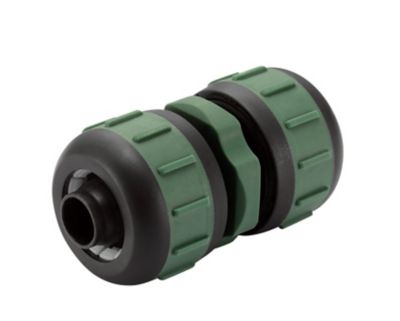
Hose attachments can turn the same garden hose into a gentle wand for watering seedlings, a steady stream for filling a stock tank or a sprayer for rinsing mud off a wheelbarrow. Common types include spray nozzles, watering wands, quick-connect couplings, hose splitters, hose-end sprayers and repair menders. The differences show up in everyday chores. A wide, soft spray settles water over a seedbed without scattering potting mix, while a narrow stream helps knock packed dirt out of tire treads or the corners of a feed cart. A watering wand puts the spray head down near the soil in a deep planter or up over the lip of a hanging basket. For someone who goes from watering the garden to rinsing off tools, a multi-pattern nozzle offers both a soft spray and a more focused stream without a trip back to the spigot. A thumb control can be handy for dialing back the flow near delicate plants, while a trigger makes sense for chores where the water needs to stop and start as you move. At the spigot, a splitter with separate shutoff valves lets one hose stay hooked up to a soaker line while another stays free for chores around the barn. It won’t add pressure, though, and running both lines at once can cut the flow to each. Quick-connect fittings come in handy when several attachments share one hose, especially if the nozzle comes off every time a trough needs filling. Hose-end sprayers serve a different purpose: They draw a compatible lawn or garden treatment from a reservoir into the water stream. The treatment label and sprayer directions determine whether the two can be paired and what settings are appropriate. And for jobs that call for more cleaning force than a garden hose can deliver,
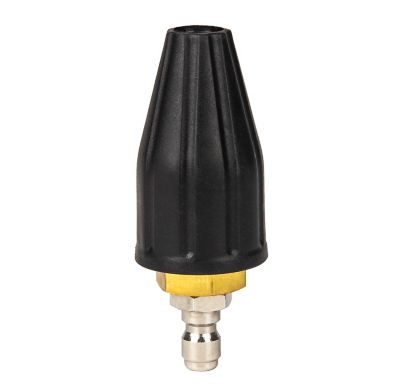
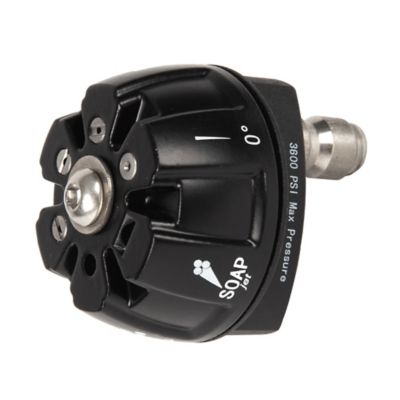
Pressure Washer Attachments are made for a different kind of equipment, not for the end of an ordinary hose.
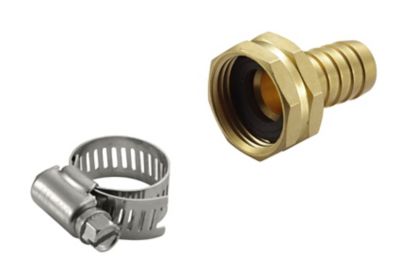
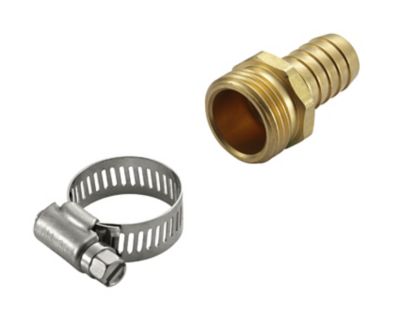
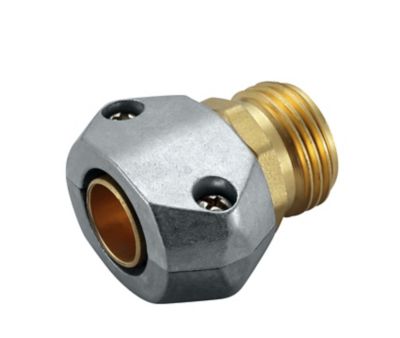
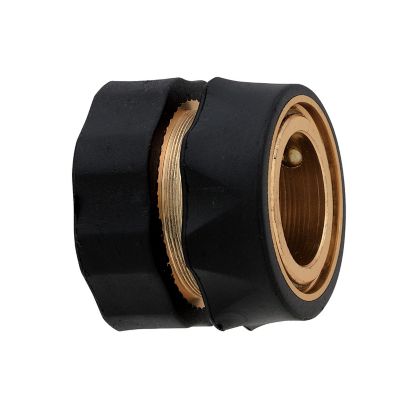
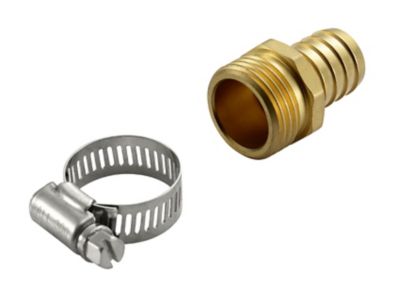
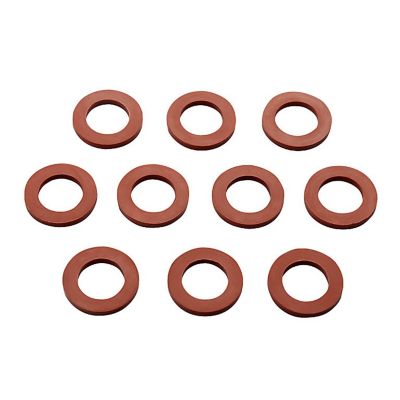
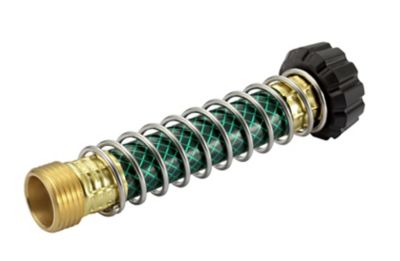
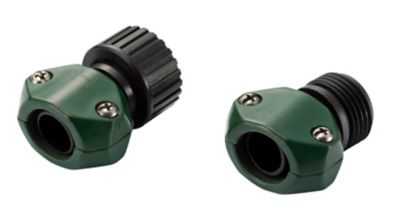
Fit comes down to what the attachment connects to: the threaded end of the hose, a quick-connect fitting or the hose itself. Many garden hoses and outdoor spigots in the United States have 3/4-inch garden hose threads, but a hose marked 5/8 inch usually measures 5/8 inch across the inside of the hose, not across the threads. That’s why a nozzle that screws onto a standard garden hose can fit hoses of several diameters, while a repair mender that slips inside the hose needs to match its inside diameter. Garden hose threads aren’t the same as pipe threads, even when both fittings carry the same nominal size. On a standard threaded hose connection, a flat washer inside the female fitting makes the seal when it seats against the end of the male fitting. A drip at the swivel can come from a missing, flattened or cracked washer rather than from the hose itself. A leak just behind the connector is a different matter. If the rest of the hose is sound, a replacement end can save a good length of hose, while an inline mender can join two sound sections when the damage is farther down the line. Expandable or fabric-covered hoses may need fittings made for their construction rather than the same clamp-on style that fits a conventional rubber or vinyl hose. Quick-connect systems also vary: Two pieces can look like a match without locking together or sealing. For a setup with several hoses and attachments, matching each plug to its coupling saves a lot of fiddling at the spigot. The opening through those fittings matters, too. A compact connector may work just fine for a handheld nozzle, while a fitting with a wider passage makes more sense on a line that fills a large tank or supplies a sprinkler.
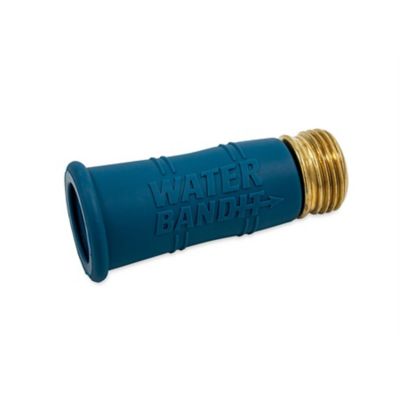
Brass, other metals and molded plastics each have a place among garden hose attachments. Brass fittings have some heft and hold up well to repeated threading, which is helpful when hoses get moved from the garden spigot to the wash area and back again. A lighter molded plastic nozzle can be easier to hold through a long row of container plants, and a rubberized grip gives wet hands something to hang on to. A metal nozzle may suit a wash area where it gets set down on concrete between chores, though the body material is only part of what determines how long an attachment lasts. A sturdy swivel, a handle that turns without much effort and a washer that can be replaced all matter when the fitting sees regular work. Size and shape can matter as much as material: A splitter needs enough room for its handles to move, and a long, heavy assembly hanging off a spigot puts more strain on that connection when someone pulls the hose sideways. Care is mostly a matter of keeping grit out of fittings, rinsing dirt from spray openings and letting the pressure out of the line after shutting off the water. Storing the hose without a sharp bend behind the connector helps protect the spot that gets tugged most often. Hand-tightening a threaded connection with a washer in good shape is generally enough; cranking down harder won’t fix a worn seal or threads that started crooked. For someone setting up a first garden or taking on chores at a new place, a hose attachment can make a practical gift when it fits a job they do often. A gentle wand makes sense for the person tending trays of starts, while a splitter earns its keep where the same spigot serves the garden and the animal pens.