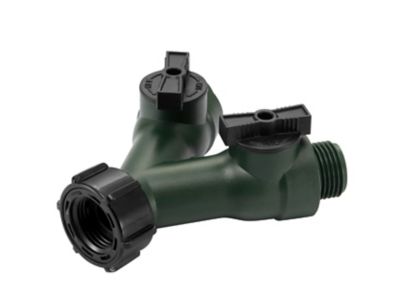
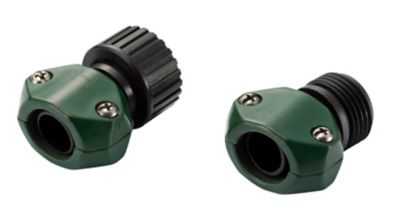
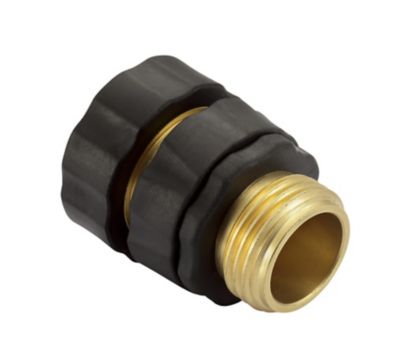
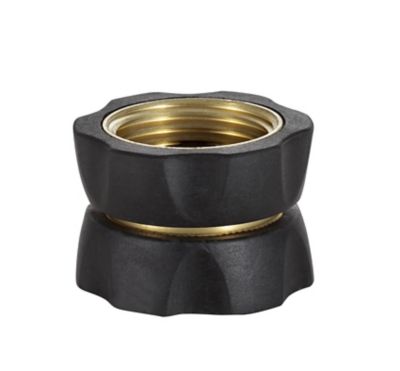
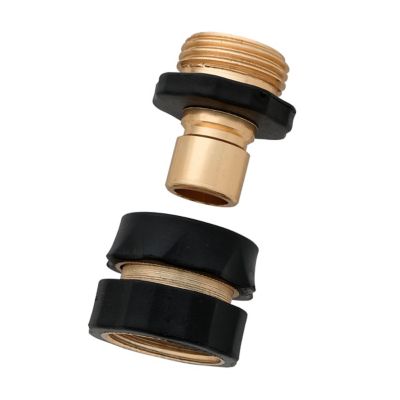
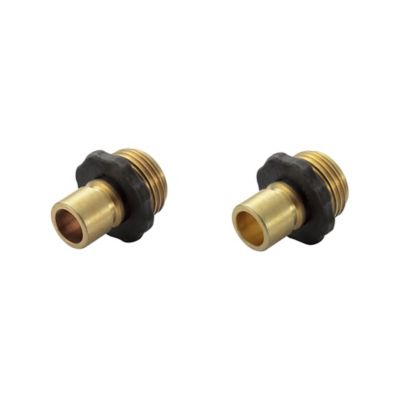
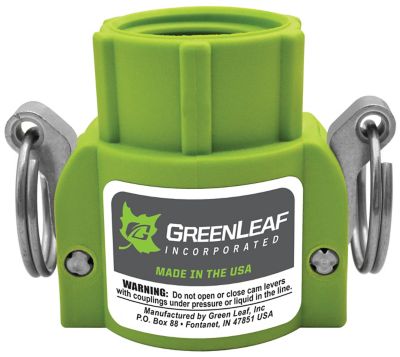
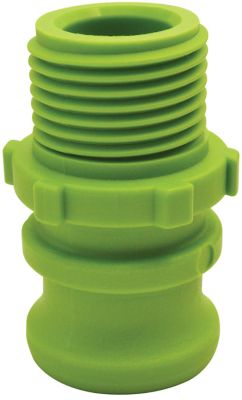
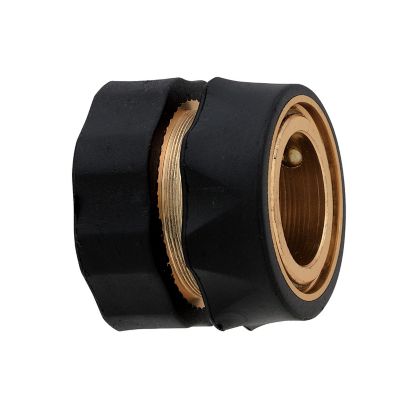
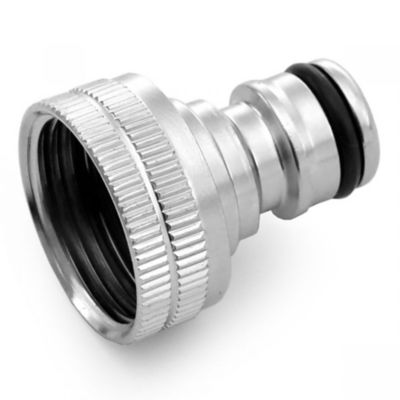
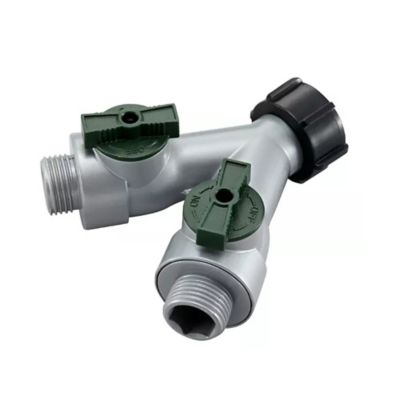
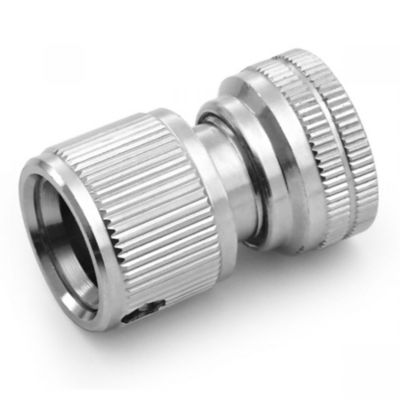
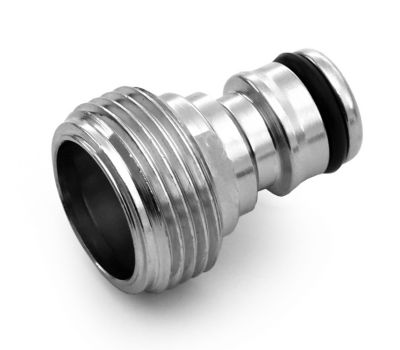
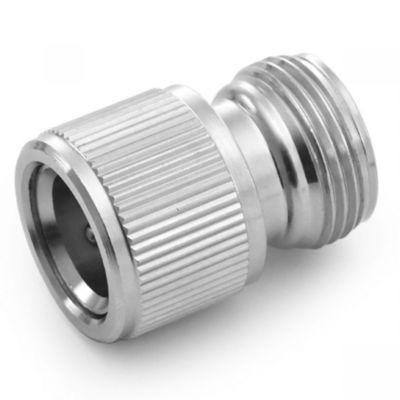
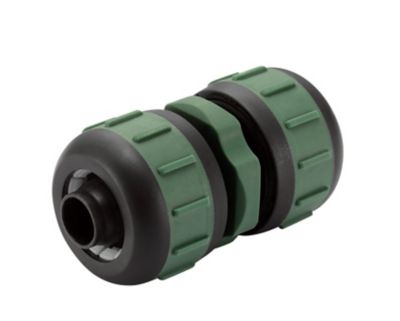
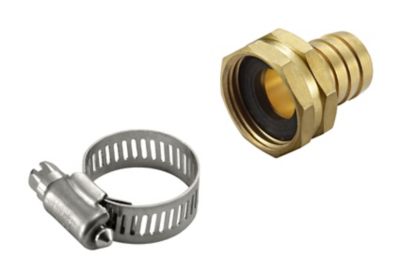
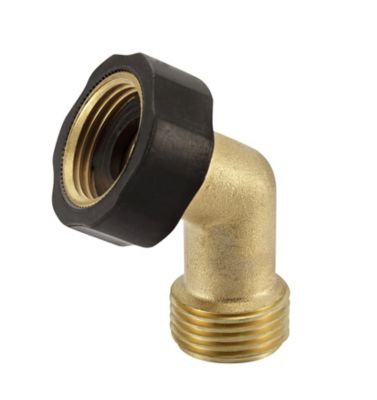
Quick hose connectors are fittings that let a garden hose snap onto a faucet, nozzle, sprinkler, or another hose without threading and unthreading the connection each time. A matching plug and socket form the connection, while an internal seal helps keep water where it belongs. Depending on the design, a sliding collar or another release mechanism holds the fittings together and lets them separate when needed. The threaded adapters generally stay attached to the hose and watering equipment, making changes quicker once the setup is in place. That comes in handy when one hose handles several chores: watering a vegetable patch, rinsing muddy boots beside the barn, and running a sprinkler across a stretch of lawn. Fit is the first thing to check. Standard U.S. garden hose connections commonly have 3/4-inch garden hose threads, often labeled GHT, but that measurement describes the threaded connection rather than the hose’s inside diameter. A hose marked 5/8 inch, for example, can still have standard 3/4-inch garden hose fittings. Garden hose threads are also different from pipe threads, so matching the stated size alone does not establish compatibility. The threaded ends must suit the faucet, hose, or attachment, and the quick-connect ends must match each other. A plug from one connector system may not lock or seal properly in a socket from another, even when they look much alike. Male and female labels can describe either the threaded ends or the quick-connect halves, so checking both parts of the connection helps avoid confusion. For a setup with several attachments, compatible fittings across the whole system make everyday swaps simpler. The opening through the connector matters, too. A narrow internal passage can restrict water flow, which may be more noticeable with a sprinkler or a long hose than with a small hand nozzle. Connector dimensions, flow information, and the requirements of the attached equipment all help determine whether a fitting suits the job.
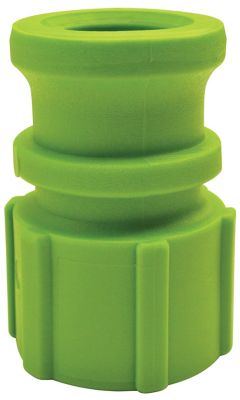
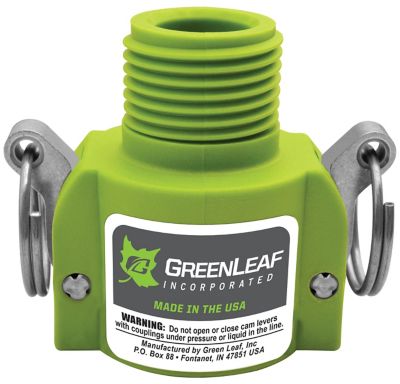
Material and construction influence how quick hose connectors feel in the hand and how well they hold up through repeated chores. Brass fittings have a substantial feel and resist corrosion in many ordinary watering applications, while plastic fittings keep weight down at the end of a hose. Less weight can be welcome when carrying a nozzle around garden beds or handling a hose for extended periods. Plastic construction varies, though, and resistance to sunlight, impact, and repeated connection cycles depends on the material and design. Metal construction varies as well; the locking mechanism, threaded sections, and seals deserve as much attention as the outside body. A collar with a comfortable grip can be easier to operate with wet hands, and a compact fitting may fit more neatly beside a hose reel or under a faucet. Rubber washers typically seal the threaded garden hose connections, while O-rings commonly seal the mating quick-connect parts. These small components do important work: a missing washer, damaged O-ring, or bit of grit on a sealing surface can turn a handy connection into a steady drip. A watertight connection depends on compatible parts, properly seated seals, and operation within the manufacturer’s limits. Pressure ratings vary, so there is no single maximum pressure that applies to every garden hose quick connector. The fitting’s rating should suit the water supply and intended task. Ordinary garden hose connectors should not be treated as fittings for a pressure washer’s high-pressure outlet, compressed air, or chemical handling unless expressly rated for that application. Shutoff features also differ. Some connectors have an automatic water-stop valve that closes when an attachment is removed, while others allow water to flow through an open socket. An automatic shutoff can make attachment changes less messy, but it does not necessarily release pressure trapped elsewhere in the hose. Turning off the supply and releasing pressure before separating fittings helps prevent an unexpected spray and makes the connection easier to handle.
Around a home, small farm, or acreage, the most useful connector arrangement usually follows the way the hose travels through the day. A gardener moving between a watering wand and a sprinkler may want matching adapters on both attachments. Someone rinsing tools near a shed may care more about an easy-to-grip release collar and a connection that does not leave a puddle by the doorway. For a hose that gets pulled along gravel or past gates, protecting the fittings from dragging and sideways strain can help extend their service life. Quick connectors simplify attachment changes, but they are not substitutes for a sound hose, secure faucet mounting, or proper backflow protection. Existing backflow-prevention devices should remain part of the water setup, especially where a hose could reach a stock tank or other standing water. For filling drinking-water containers or supplying animal drinking water, check that every water-contact component is identified as suitable for drinking-water use; a brass appearance alone does not establish that suitability. Planning the complete setup also means accounting for the faucet end, hose ends, and each attachment rather than looking at a connector in isolation. Matching
Quick Connect Hoses with compatible fittings can help keep those connections straightforward. Routine care is mostly about keeping sealing surfaces clean and avoiding unnecessary force. Dirt can collect when disconnected ends rest on the ground, so keeping them out of mud and rinsing away grit helps protect the seals. Threaded adapters should start straight and tighten according to their instructions; forcing a crooked connection or overtightening can damage threads or crush a washer. Periodic checks for worn seals, cracks, and a collar that no longer locks fully can catch trouble before the next watering chore. Replacement seals need to match the connector, and any lubricant should be approved for its materials and intended water use. With the right fit and a little attention between tasks, quick hose connectors can cut down on repetitive threading and make a hardworking hose easier to manage.