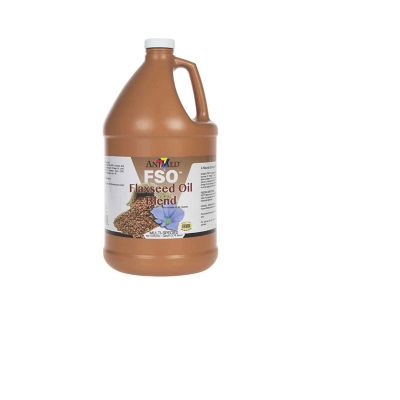
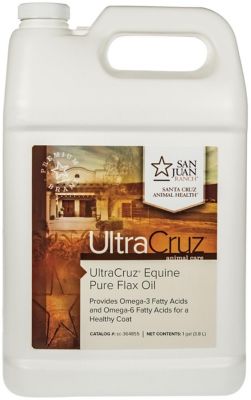
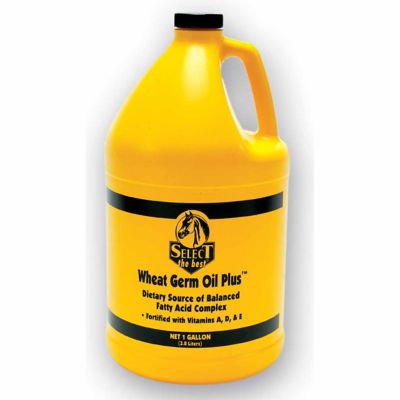
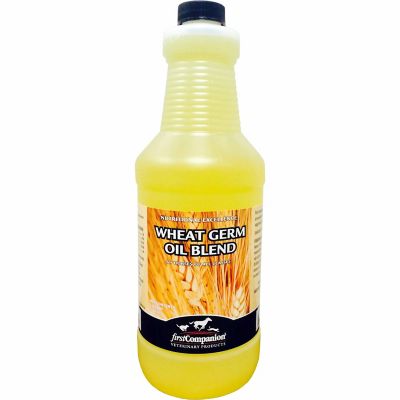
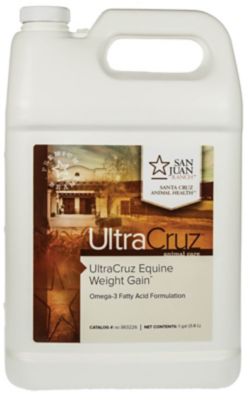
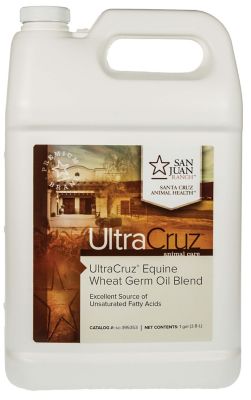
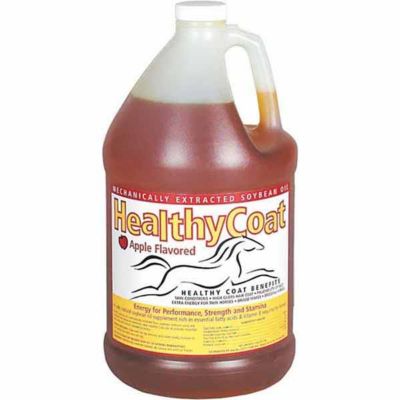
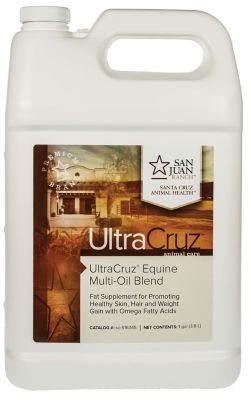
Horse oils are a practical addition to many equine feeding programs, especially when a horse needs extra calories, a more concentrated energy source, or support for a healthy-looking coat and skin. Oil is energy-dense—roughly three times as calorie-rich as an equal amount of grain—so a small serving can add useful calories without adding the same level of starch found in some grain-based feeds. That can make horse oils worth considering for hard keepers, older horses that have trouble maintaining condition, active horses with higher energy needs, or horses that need a little more weight going into the cooler months. Fat also provides a slower-burning source of energy than many high-starch feeds, which may be helpful for horses that become overly excitable on grain-heavy diets. Every horse is different, though, and an oil supplement should fit the entire ration rather than being added on top without a plan. Body condition, workload, forage quality, age, dental health, and any existing health concerns all matter. A horse owner may choose an oil with a particular fatty-acid profile, too. Flax, camelina, and other omega-3-rich oils are often selected to add beneficial omega-3 fatty acids, while common vegetable oils may provide more omega-6 fatty acids. Omega-6 is a normal and necessary part of a horse’s diet, but balance matters, particularly when the ration already includes several fortified feeds or supplements. Some specialty formulas also include natural vitamin E or other nutritional ingredients, so checking the label helps prevent doubling up on nutrients already present elsewhere in the feeding program. Horse oils can make a thoughtful gift for a barn owner, trail rider, or horse-loving family member, especially when paired with other practical stable supplies. They are useful for everyday care, not just show preparation, and a well-chosen feeding supplement can fit right into the routine of measuring feed, checking water, and giving the horse a once-over at the end of the day.
Introduce any horse oil gradually so the digestive system has time to adjust. A common starting point is about 1 to 2 fluid ounces per day, mixed thoroughly into the horse’s regular feed, with the amount increased slowly over a couple of weeks as needed and as directed by the product label or an equine nutrition professional. Typical maintenance amounts are often in the range of 1 to 4 ounces daily per 1,000 pounds of body weight, while higher amounts—sometimes up to about 8 ounces per day—may be used for weight gain or demanding work only when they suit the horse’s overall ration and have been recommended by a veterinarian or qualified nutritionist. Begin with the smallest useful serving and monitor the horse’s manure, appetite, energy, and body condition. A shiny coat may develop over time, but coat quality also depends on grooming, parasite control, forage, hydration, and general health. Oil should never be used as a substitute for adequate hay or pasture, clean water, balanced minerals, or veterinary care. Horses with metabolic conditions, a history of digestive trouble, pancreatitis, or other special dietary needs may require a more careful plan. The same goes for senior horses, growing youngsters, pregnant or nursing mares, and performance horses in hard training. A kitchen measuring cup can be convenient, but a dedicated feed scoop or marked container keeps barn chores more consistent. Pour the oil over the feed and stir well so the horse does not sort around it, particularly when feeding a powdered supplement at the same time. If more than one horse shares a feeding area, give each horse an individually measured portion; one horse should not wind up eating the whole bucket while another gets none. Keep notes during the adjustment period, including the amount fed and any changes in weight, manure, attitude, or coat condition. That simple record can be especially helpful when working with a veterinarian or equine nutritionist.
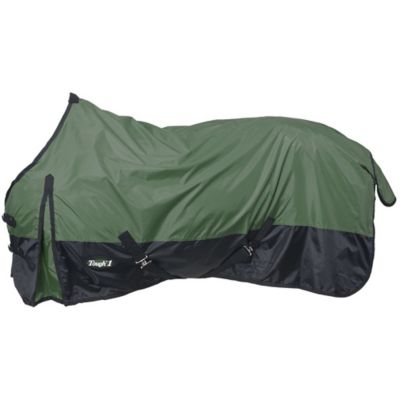
Proper storage is just as important as choosing the right oil. Keep containers tightly closed in a cool, dark place away from direct sunlight, heaters, and damp feed rooms. Heat, light, and air can cause oil to go rancid, so smaller containers may be a smart choice for barns that use oil slowly. Check the label for storage instructions and use-by guidance, and give the oil a quick smell before feeding; a sharp, stale, paint-like, or otherwise unpleasant odor is a good reason to discard it. Do not leave an opened container sitting in a hot tack room or in the bed of a truck during warm weather. Some oils include vitamin E, while others do not, and horses receiving substantial amounts of added fat may need their vitamin E intake reviewed. Ask a veterinarian or equine nutritionist before adding a separate vitamin E supplement, since more is not always better and the full diet should be considered. During the cooler months, many owners pay closer attention to weight, coat condition, and energy as pasture quality changes and horses spend more time in stalls or under shelter. A measured oil serving may help maintain calories, while a good grooming routine brings natural shine to the coat and gives you a chance to spot dry skin, rubs, or changes in body condition. On wet or windy days, appropriate turnout gear and
Horse Jackets can provide another layer of seasonal care, but no outerwear replaces shelter, forage, and regular checks. Whether the goal is supporting weight, supplying cool energy for work, or adding fatty acids to a balanced ration, horse oils work best as one part of a thoughtful feeding routine built around the individual horse.