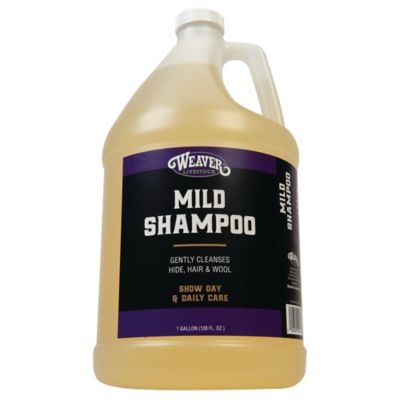
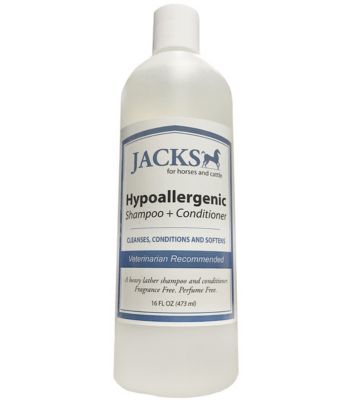
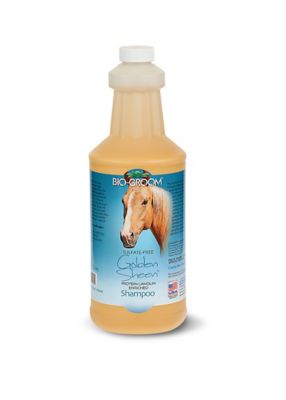
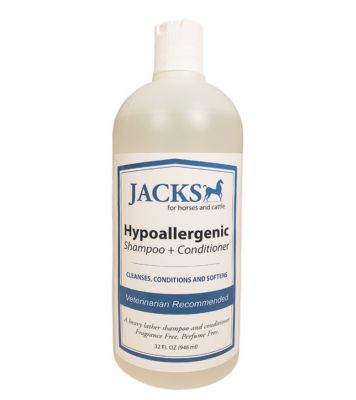
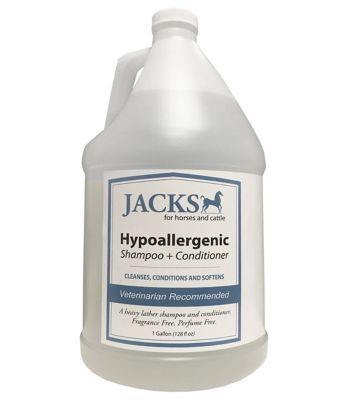
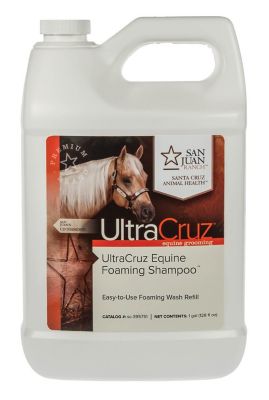
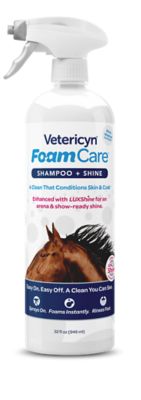
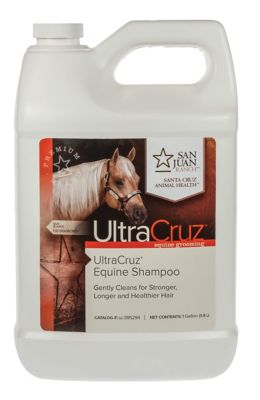
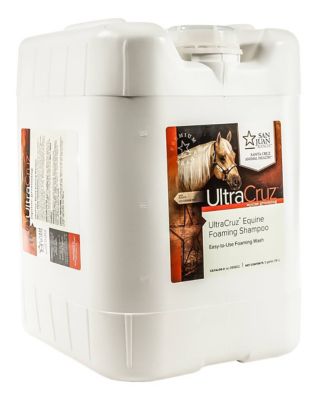
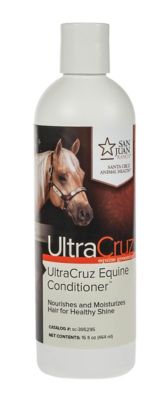
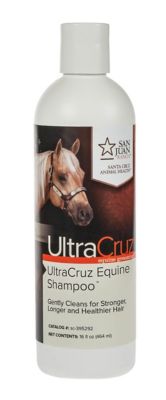
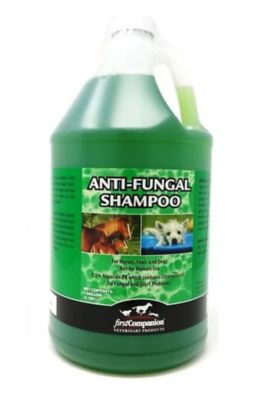
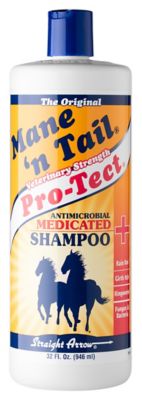
Horse shampoo and conditioner help keep a horse’s coat clean, comfortable and ready for everyday work, a trip to the show ring or a quiet afternoon in the pasture. A good bathing routine starts with the right supplies and a little patience. Use a curry comb or soft brush to loosen dried mud, dust and shed hair before reaching for the hose; otherwise, the first rinse can turn surface dirt into a stubborn layer of mud. Thoroughly wet the coat with clean water, working from the neck and shoulders toward the hindquarters, and pay close attention to the belly, legs and areas beneath the mane. Horse shampoo may be used full strength or diluted in a bucket, depending on the label, and a sponge can help spread suds evenly without wasting product. Work the lather gently with your fingertips or a soft grooming brush, avoiding the eyes, inside of the ears and other sensitive areas. Rinse until the water runs clear and no slippery residue remains, since leftover soap can leave skin dry or irritated. Many horse owners keep a mild formula on hand for regular cleaning and choose a conditioning treatment when the coat feels rough, the mane is tangled or the tail has collected burrs and bedding. For more grooming essentials, browse our selection of
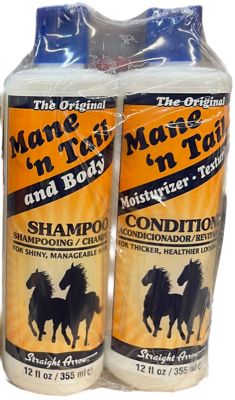
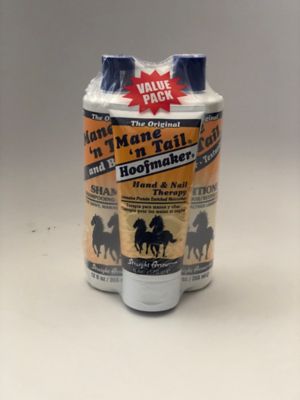
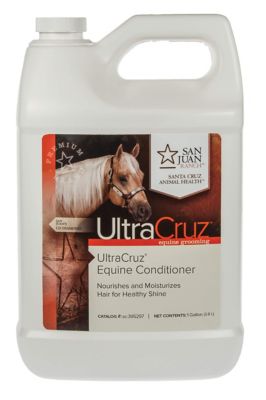
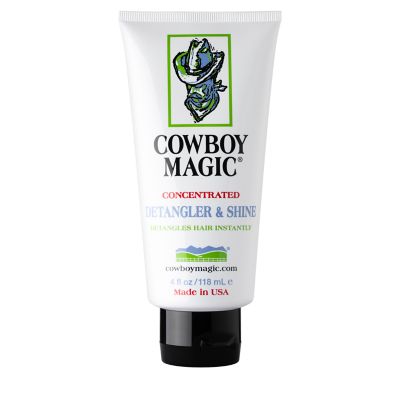
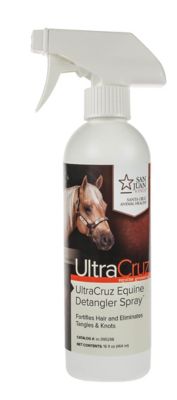
Horse Grooming Supplies. A well-chosen horse conditioner can help soften hair, add manageable slip and make brushing easier, especially through thick manes and full tails. Rinse-out conditioners are worked through the hair and washed away, while leave-in formulas are used sparingly and left in place only when the label directs. Concentrate conditioner on the mane and tail rather than coating the entire body unless the product is made for that purpose. A small amount worked from the ends upward can help limit pulling and breakage, which matters when a tail is brushed regularly or a mane is being kept neat for riding.
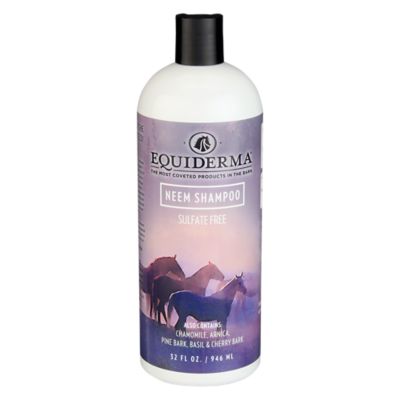
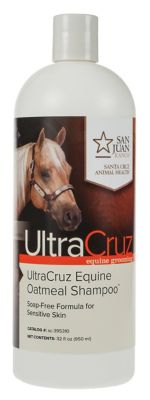
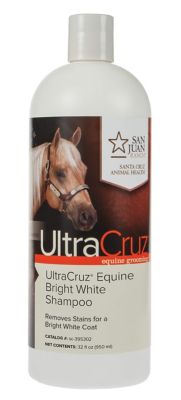
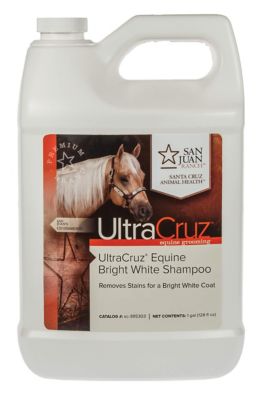
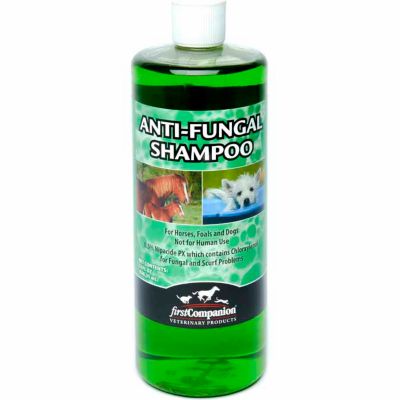
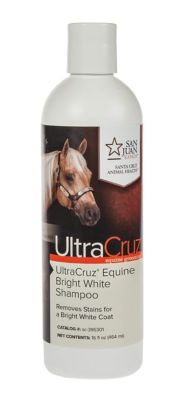
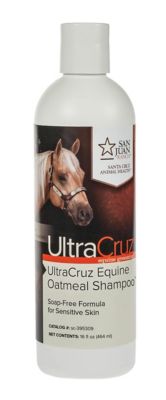
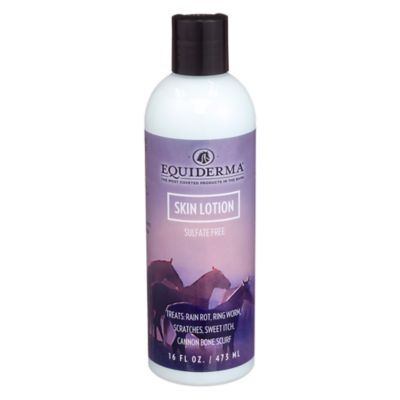
The best horse shampoo and conditioner depends on the horse, the job at hand and the conditions around the barn. Horses with sensitive or easily dried skin may do better with a gentle, moisturizing formula, while a hard-working horse that comes in sweaty or dusty may need a shampoo made for frequent cleaning. Oatmeal-based or soothing formulas are often considered when dry skin is a concern, but visible irritation, persistent dandruff, hair loss or open sores call for advice from a veterinarian rather than a stronger bath product. For pale coats, a color-enhancing or stain-lifting shampoo may help brighten socks, faces and other light areas, though heavily soiled spots usually respond best to several careful washes instead of one aggressive scrub. Keep shampoo out of the eyes and rinse promptly if it gets where it should not. During the cooler months, plan bath time around a warm part of the day and make sure the horse is fully dry before turnout or stabling; a sweat scraper, clean towels and a sheltered grooming area can make the process easier. On chilly days, a thorough rinse and hand-walk may be more practical than a full-body bath, while a damp cloth can freshen smaller dirty areas between washes. Conditioner is also handy after clipping, trail rides, rainy turnout or long days when dust works deep into the hair. Horse shampoo and conditioner can be a thoughtful gift for a new horse owner, a young rider building a first grooming kit or a barn friend who takes pride in keeping every mane, tail and coat in good shape. Choose sizes and formulas based on how often the horse is washed, whether several horses share the same supplies and whether the product is intended for equine use only. Always read dilution, contact-time and rinse instructions, and test a small area when trying a new formula. With a soft brush, clean water and a calm approach, bath time can leave the coat gleaming, the mane easier to comb and the whole horse feeling fresh from ears to tail.