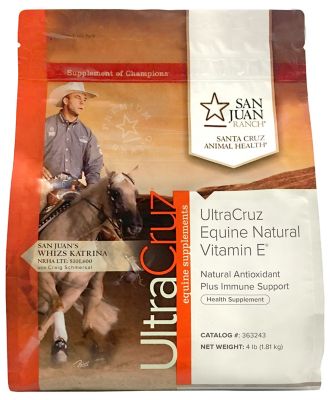
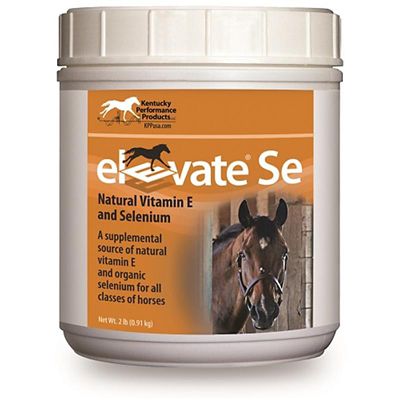
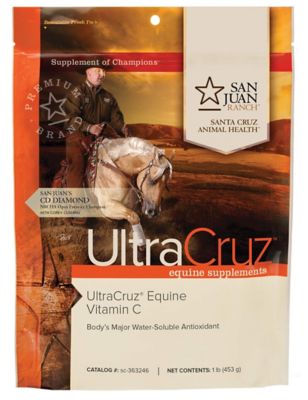
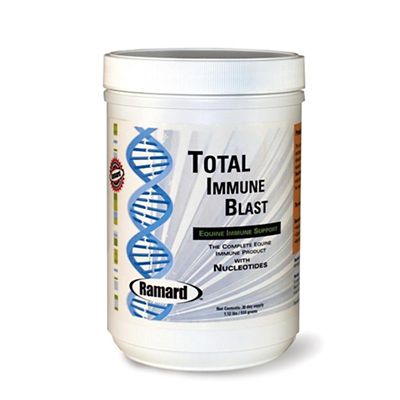
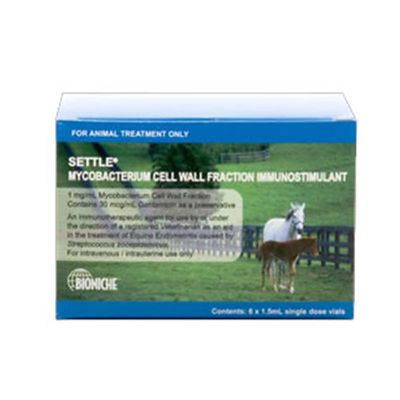
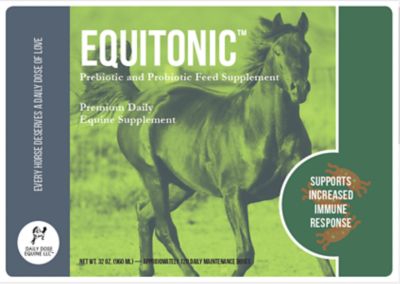
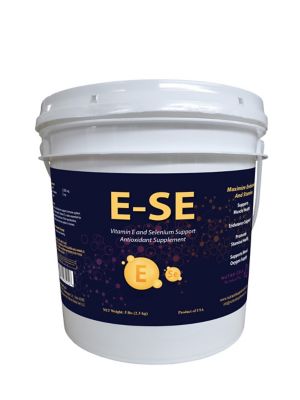
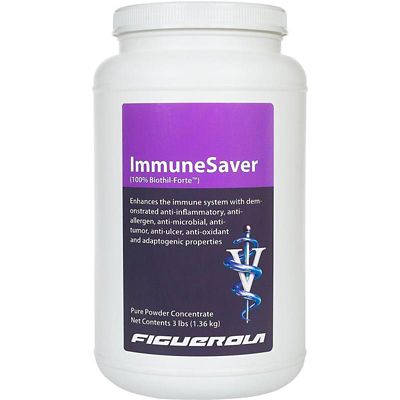
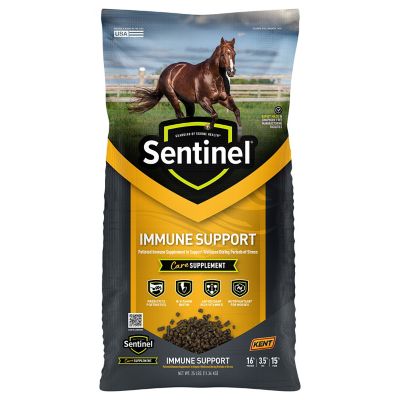
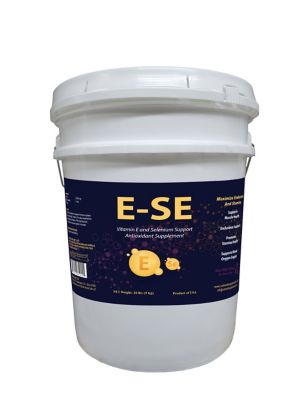
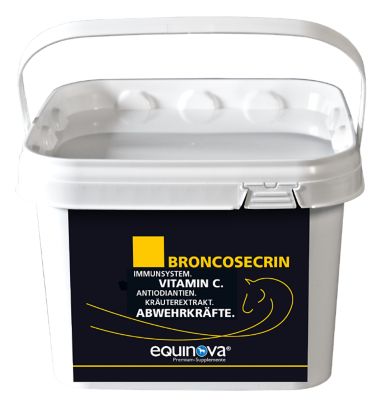
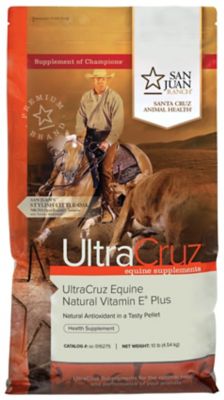
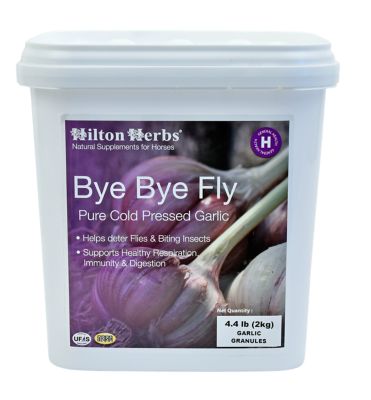
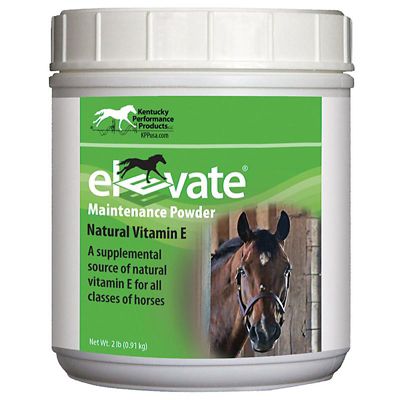
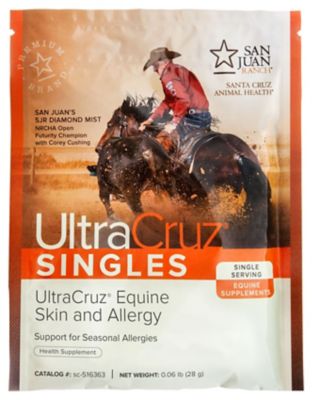
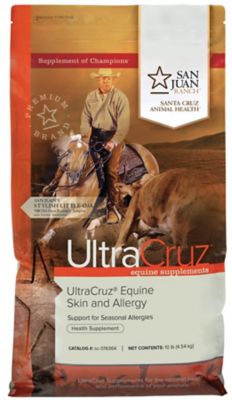
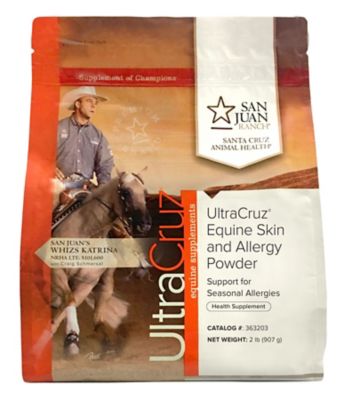
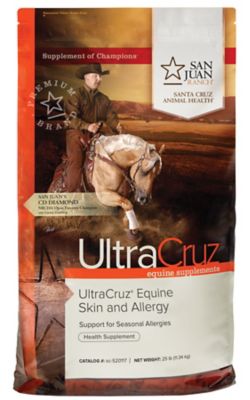
Horse immune system boosters are supplements intended to support normal immune function as part of a horse’s everyday care. For a trail partner, a working ranch horse, or a gelding enjoying an easier pace, that support starts with enough forage, balanced nutrition, clean water, and regular veterinary attention. Supplements can help address certain nutritional needs, but they do not replace those basics or make a horse resistant to illness. The immune system depends on many nutrients working together, so the best match comes down to what the horse already eats and what the rest of the ration supplies. Vitamin E helps protect cells from oxidative damage, while minerals such as zinc and copper contribute to normal immune function and other body processes. Selenium also has a role, though more is not better; excess intake can be harmful, making the combined amount from feed, forage, and supplements important. Some formulas include yeast ingredients, probiotics, or other components associated with digestive health. Those ingredients serve different purposes, and their presence alone does not tell the whole story about a formula’s suitability. A horse hauling to competitions may have different feeding considerations than a companion horse that stays close to the barn, just as a growing youngster and an older mare may need different nutritional attention. Travel, changes in routine, and demanding work can make consistent care especially important, without automatically creating a need for extra supplementation. Clear ingredient information and feeding directions help put these products in context rather than treating every horse alike. A veterinarian or equine nutritionist can help identify gaps before another supplement goes into the feed tub. Unexplained weight loss, coughing, fever, or a change in appetite calls for veterinary evaluation, not simply a different scoop at feeding time. These products belong alongside a sound health program that includes appropriate vaccination, parasite management, dental care, and a ration matched to the horse’s condition and workload.
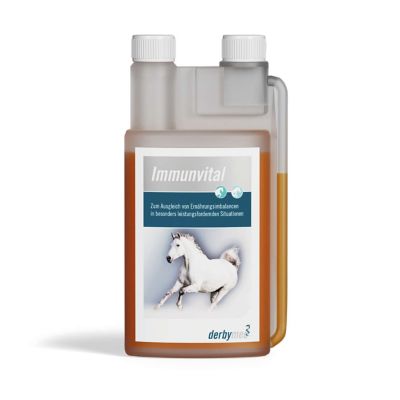
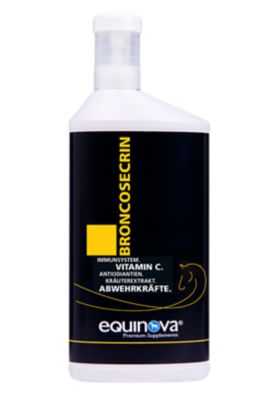
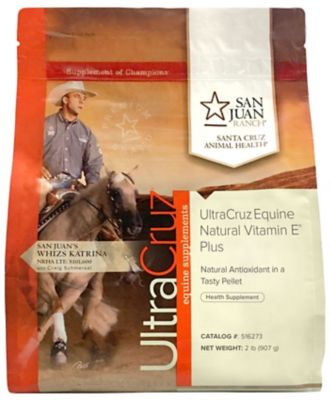
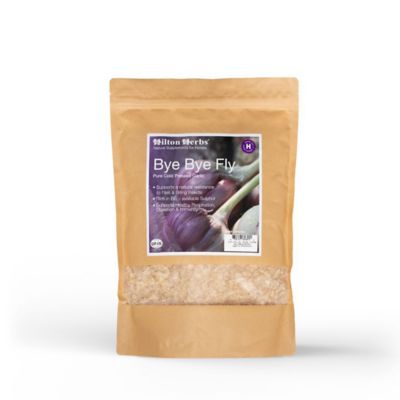
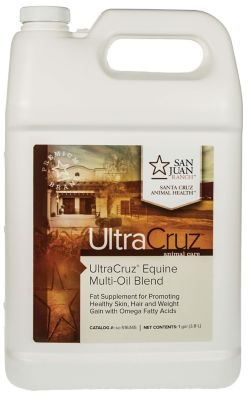
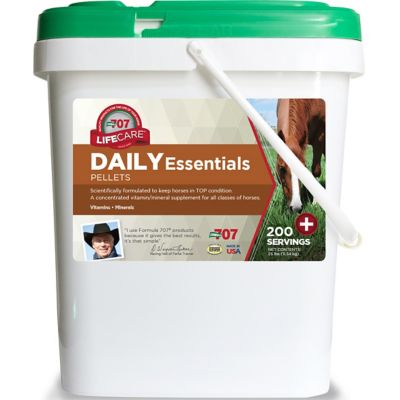
The form of a horse immune support supplement matters when it reaches the feed room. Powders can blend into a regular meal, while pellets may suit a horse that sorts through finer ingredients and leaves them at the bottom of the tub. Liquids offer another format, although measuring, mixing, and acceptance still depend on the label and the individual horse. Paste formats may have different directions and intended uses, so they are not interchangeable with daily feed-through formulas. Anyone who has watched a picky mare nose around her grain knows that an ingredient panel is only part of the picture; the horse also has to eat the intended serving consistently. Texture, smell, serving size, and the amount of feed available for mixing can all influence how smoothly a supplement fits the routine. Small serving sizes are not necessarily stronger, and a larger scoop does not necessarily provide more of the ingredients that matter. Concentration and labeled amounts tell more than the size of the container or scoop. Feeding directions based on body weight, age, or workload deserve close attention, especially in a barn where a pony and a full-size horse share the same feed room. Measuring tools should match the product’s directions rather than borrowing a scoop from another tub. Horses with metabolic concerns, dietary restrictions, or ongoing medication may need closer review of carriers, sugars, starches, herbs, and other ingredients. Competition horses also need formulas that fit the rules of their sport, with guidance from a veterinarian when an ingredient raises a concern. Packaging has a practical role, too. A secure lid or resealable closure helps keep the contents protected between feedings, while readable labels make feeding amounts and storage requirements easier to check. Label-directed storage, clean measuring tools, and attention to expiration dates help keep a feeding routine consistent. A damp scoop or an open container beside a busy wash rack can create problems that have nothing to do with the formula itself.
For horse owners and barn managers, a useful supplement is one that fits the whole feeding program without turning chores into guesswork. A single-horse setup may need a straightforward daily serving, while a boarding barn benefits from clearly marked containers and written directions for each horse. Keeping an immune support supplement separate from shared feed helps prevent the wrong horse from getting an extra serving. That matters when several formulas contain overlapping vitamins or minerals, or when different people handle morning and evening chores. A record of the product, serving amount, start date, and any changes in appetite or manure gives the veterinarian more useful information than a general impression that the horse seems different. Normal immune function is not something an owner can judge from a shiny coat alone, and visible changes do not prove that a supplement is responsible. Consistent meals, suitable exercise, time to rest, and sensible management of contact with unfamiliar horses remain part of the larger picture. For an older horse that drops feed, dental care and a suitable ration may matter more than adding another ingredient. For a hard-working horse that struggles to maintain condition, the total diet and workload deserve attention alongside any immune support formula. These everyday situations explain why product labels, feeding compatibility, and professional guidance carry so much weight in this category. Households with a barn dog may also be interested in
Dog Food For Immune System, since canine nutrition calls for a separate approach rather than sharing equine supplements across species. Each animal needs food and feeding amounts suited to its own needs. For horses, the goal is steady nutritional support that fits comfortably into established care, whether feeding takes place beside a quiet pasture or along a busy barn aisle. A well-matched formula, clear serving directions, and a horse that readily eats its ration make the product easier to manage day after day, while veterinary oversight helps keep expectations grounded in the horse’s actual needs.