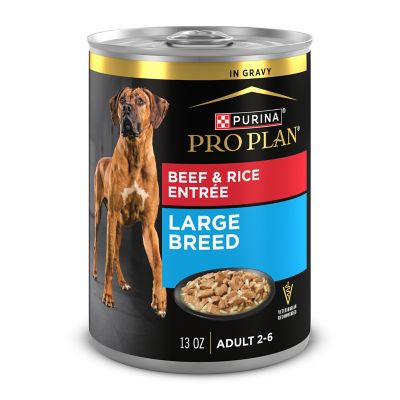
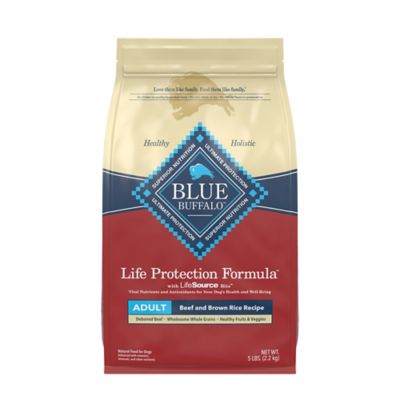
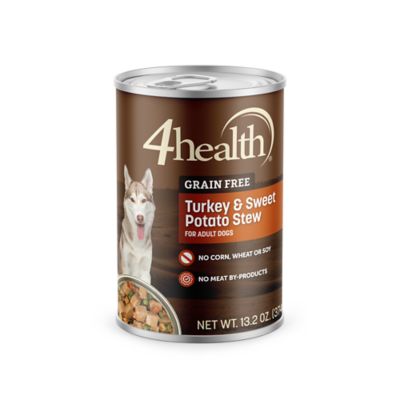
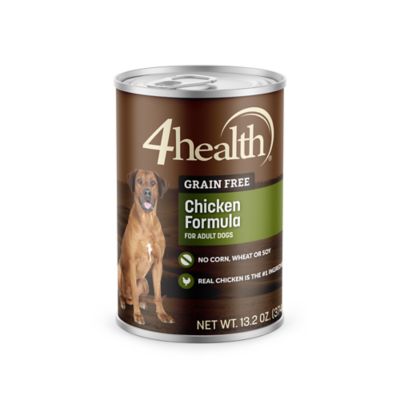
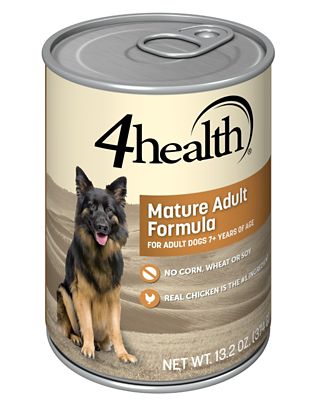
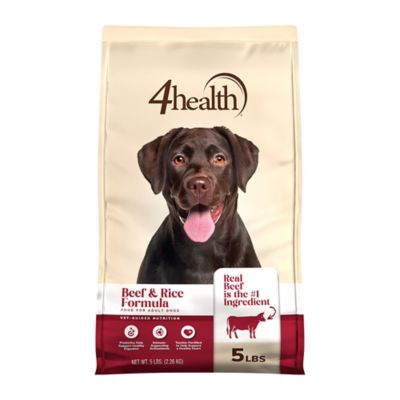
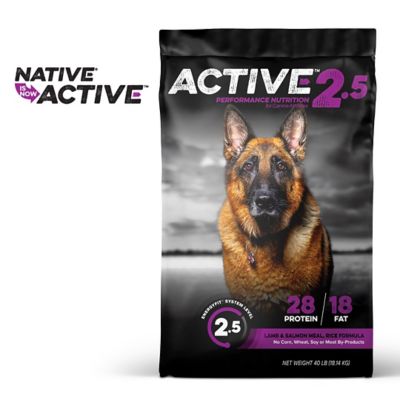
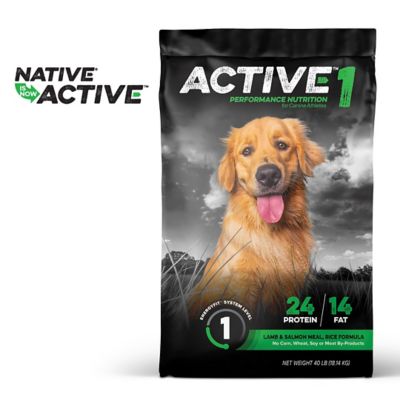
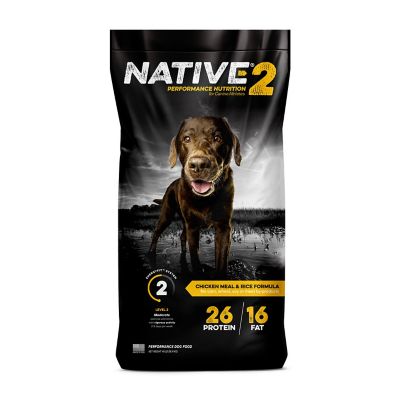
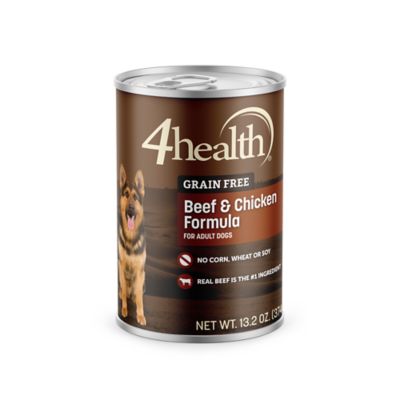
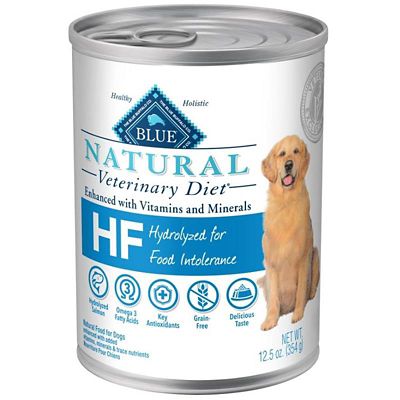
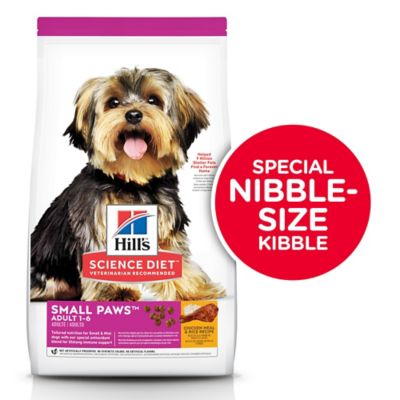
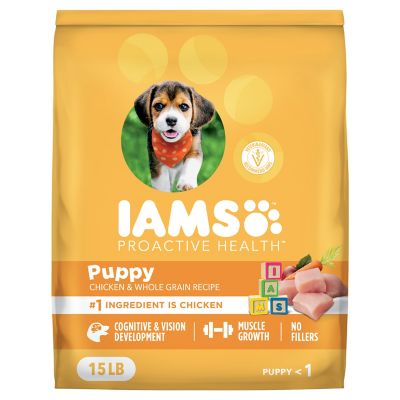
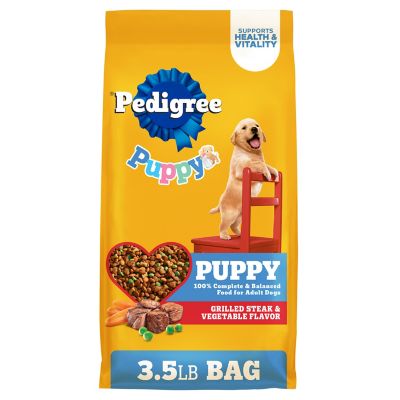
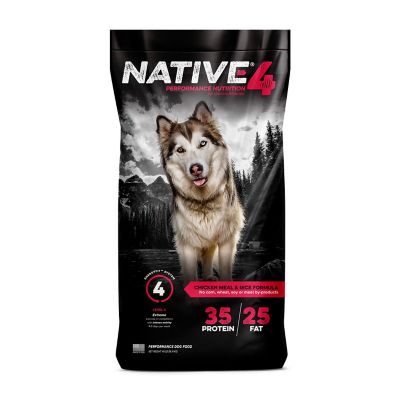
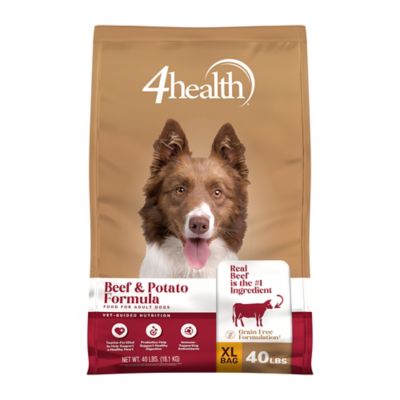
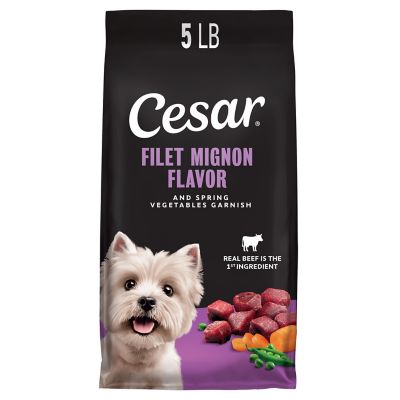
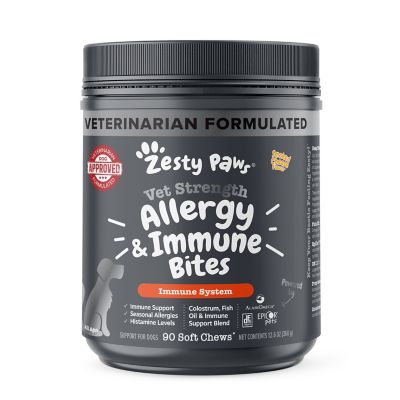
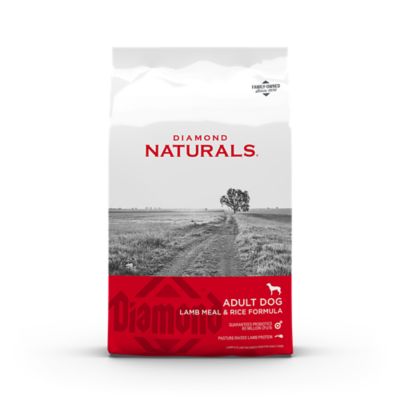
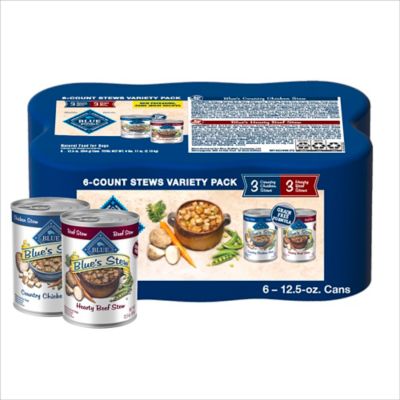
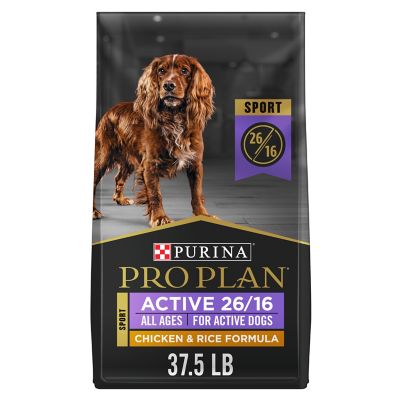
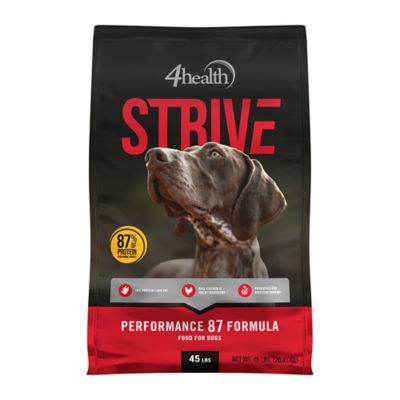
Dog food for immune system support helps maintain a dog’s natural defenses by supplying the protein, essential fats, vitamins, and minerals needed for normal body functions. The foundation is complete and balanced nutrition suited to the dog’s life stage, rather than a single ingredient or an extra-large dose of a vitamin. Protein provides amino acids that help maintain tissues and build immune-system proteins, including antibodies. Vitamin E and selenium contribute to antioxidant defenses that help protect cells from oxidative damage, while zinc supports normal immune function and healthy skin. Essential fatty acids help maintain the skin barrier, which is part of the body’s first line of defense. These nutrients work together, so balance matters more than a long list of added ingredients. Food labeled for immune support is still everyday nutrition, not a treatment for an infection, an allergy, or another medical condition. A nutritional adequacy statement on the package helps establish whether the food is complete and balanced for growth, adult maintenance, or all life stages. References to Association of American Feed Control Officials, or AAFCO, nutritional standards describe that nutritional foundation; they do not mean AAFCO has approved the food or certified an immune-health claim. Puppies need food that supports growth, and puppies expected to become large dogs need particular attention to the formula’s suitability for their anticipated adult size. Adult dogs need nourishment that matches their activity and body condition. Older dogs may benefit from adjustments to calories, texture, or other nutritional features, but age alone does not determine the right recipe. Whether a dog spends the day tagging along for chores or keeping an eye on the driveway from the porch, food that fits its everyday needs is the starting point for supporting normal immune health. An immune-support message adds context, but it should not overshadow those basic feeding needs.
Digestive support is another common feature of dog food formulated with immune health in mind. The digestive tract has close ties to immune function, and a well-tolerated diet helps a dog take in the nutrients its body needs. Some recipes contain prebiotic fibers that nourish beneficial gut bacteria, while others include probiotics, which are live microorganisms intended to provide a benefit when given in suitable amounts. Their effects depend on the particular strain, amount, and formulation, so a probiotic ingredient is not a blanket promise of better immunity. Fiber sources such as beet pulp, pumpkin, or chicory root can serve different roles in a recipe, including supporting stool consistency and the gut environment. The amount and blend matter, especially for a dog prone to gas or loose stools. Familiar protein sources, such as chicken, beef, fish, or lamb, can all fit into a balanced diet when the dog tolerates them. A different protein is not automatically better, and an ingredient list alone cannot establish how well a food will suit an individual dog. Grain-free recipes are not inherently better for immune health, either. Food sensitivities call for a more specific conversation with a veterinarian rather than repeated switches based on package claims. Dry kibble, wet food, and combinations of the two can each provide complete and balanced nourishment when labeled accordingly. Kibble offers straightforward measuring and storage, while wet food supplies more moisture and may appeal to dogs that prefer a softer texture. Size and texture also matter at the bowl: a little dog may manage smaller pieces more comfortably, while a dog with sore teeth needs a dental evaluation rather than just a softer supper. For a household with several dogs, individual portions help keep an eager eater from taking a quieter dog’s meal. The best fit accounts for appetite, chewing comfort, digestion, and the amount of food each dog needs—not just the wording across the front of the bag.
Everyday feeding habits help turn a suitable formula into steady nutritional support. A dog that walks fence lines beside its owner may have different energy needs from one that mostly moves between the house and yard, even when both are the same size. Package feeding directions offer a starting point, with portions adjusted for body condition, activity, treats, and veterinary advice. Measuring meals with a consistent scoop or a kitchen scale makes those adjustments easier to track. Extra calories can add up quickly, particularly when several family members each hand out a snack, so treats and table extras should generally stay within 10 percent of daily calories unless a veterinarian recommends otherwise. Broader nutritional needs can be explored through
Dog Food for Health, alongside considerations such as digestive comfort, skin support, and weight management. When changing foods, a gradual transition over about seven to ten days often helps reduce digestive upset; sensitive dogs may need a slower change or a veterinarian’s feeding plan. Fresh drinking water belongs beside every feeding routine. Storage matters, too: keep dry food in its original bag, close it securely, and place it in a clean, dry location away from pests. If the bag goes inside a storage container, wash and thoroughly dry the container between bags rather than pouring fresh kibble over crumbs from the last batch. Follow package directions for refrigerating opened wet food and discarding uneaten portions. Clean bowls regularly, including the water bowl that collects dust after a busy day around the place. Watch the dog as well as the label: appetite, stool consistency, body condition, and comfort offer useful feedback about how a diet is working. Persistent diarrhea, unexplained weight loss, repeated infections, or a marked change in energy need veterinary attention, not simply a different immune-support recipe. Consistent meals and appropriate veterinary care belong together in a dog’s long-term health routine.