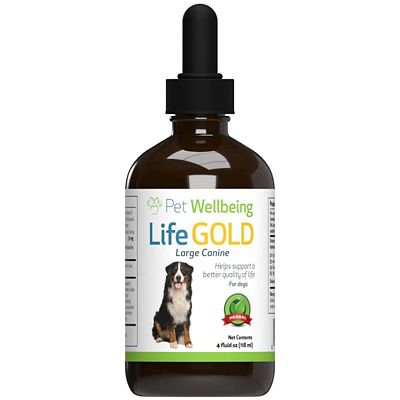
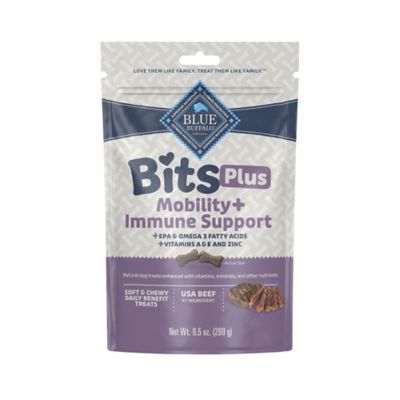
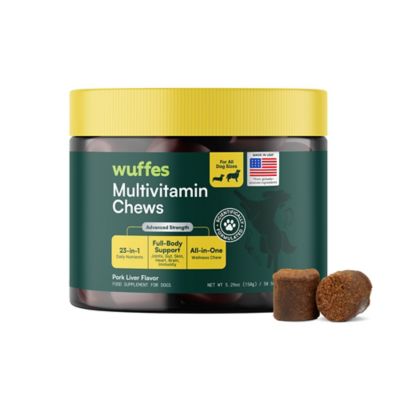
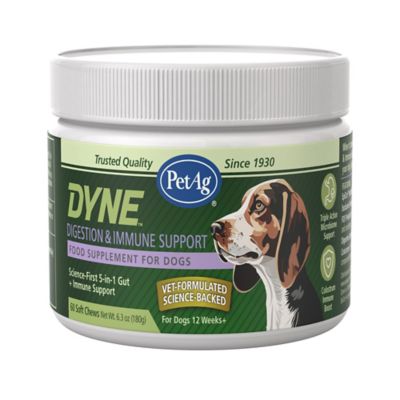
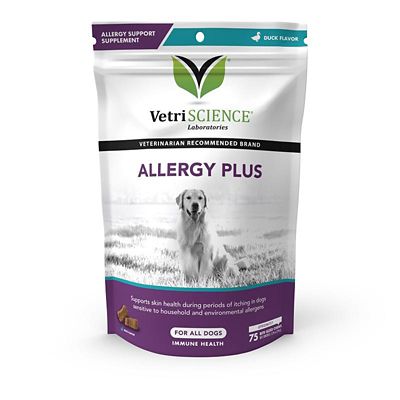
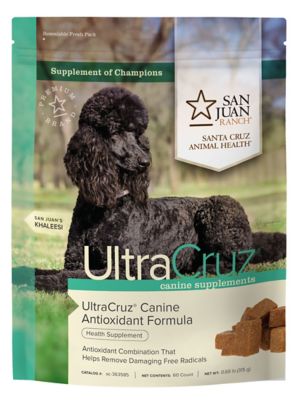
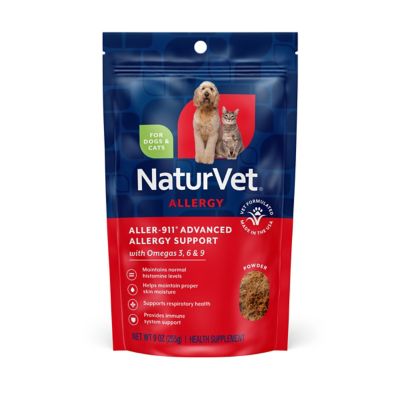
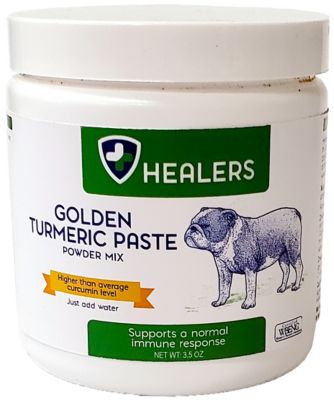
Immune system support for dogs starts with complete and balanced nutrition, digestive health, and regular veterinary care, with targeted supplements offering additional support when a veterinarian recommends them. A dog’s immune system helps the body recognize and respond to threats, and normal immune function depends on enough energy, protein, vitamins, and minerals. The digestive tract also plays an important role in immune health, which is why gut-support formulas often appear alongside supplements focused on antioxidant or nutritional support. These products are meant to complement everyday care, not replace balanced meals, vaccinations, parasite prevention, or treatment for illness. Whether a dog spends the day tagging along for barn chores or keeping watch from the couch, the right fit depends more on individual health needs than on how busy the day looks. Immune support supplements come in several forms, including soft chews, powders, liquids, and tablets, giving dog owners different ways to work them into a feeding routine. A chew may suit a dog that happily takes treats, while a measured powder may be easier for a dog that prefers everything mixed into dinner. Texture, smell, serving size, and the number of servings per container can all affect how comfortably a supplement fits into daily life. Some dogs readily accept a new addition to their bowl; others notice the smallest change and leave half a meal behind. That makes feeding preferences worth considering alongside the formula itself. Clear labels should explain the intended use, ingredients, serving directions, and storage requirements so there is less guesswork at feeding time. Before starting a supplement, a veterinarian can review the dog’s regular food, treats, medications, and health history. That conversation is especially important for dogs with chronic illness, cancer, or prescription medications, since even an ingredient described as natural may not be suitable for every dog.
The ingredients in dog immune support supplements serve different purposes, so two formulas with similar descriptions may not offer the same kind of support. Probiotics contain live microorganisms, and their effects depend on the particular strains, amounts, and intended use. A formula studied for one digestive concern does not automatically provide the same benefit for another concern or for immune health. Prebiotics are ingredients that certain gut microorganisms can use as food, and some digestive-support formulas combine them with probiotics. For probiotic products, strain identification, storage directions, and information about live organism counts through the labeled shelf life can help make comparisons clearer. Other formulas may contain nutrients such as vitamin E or zinc, which have roles in normal immune function. Those nutrients are already present in complete and balanced dog foods, however, and adding more does not necessarily provide more benefit. Excess amounts of some vitamins and minerals can be harmful. Plant extracts, mushroom ingredients, and other concentrated additions also need individual review rather than an assumption that every blend works the same way. The amount of each ingredient and the evidence behind its intended purpose matter more than a long ingredient list. A veterinarian can help sort out whether a dog has a nutritional gap, a digestive concern, or another issue that calls for a different approach. For households feeding several dogs, the same tub of chews may not suit every bowl: a growing puppy, an adult working dog, and an older companion can have different requirements. Weight-based directions, life-stage restrictions, and any cautions for pregnant or nursing dogs deserve close attention. Ingredient details matter for dogs with food sensitivities, too. Flavorings, protein sources, oils, and chew bases may affect suitability even when they are not the main ingredients highlighted on the label. A dog on a prescribed diet may need its veterinarian to approve those additions so a supplement does not interfere with the feeding plan.
Day-to-day handling matters just as much as choosing a suitable formula. A clearly marked measuring scoop, readable directions, and packaging that closes securely can make feeding time simpler, especially when more than one person handles the dogs’ meals. Serving amounts should follow the label and the veterinarian’s advice rather than an estimate based on how another dog responds. Chews can contribute calories, and liquid or powdered formulas may call for careful measuring to keep the daily amount consistent. In a household where one person feeds before chores and another handles supper, a shared feeding record can help prevent a second serving by mistake. Supplements belong out of reach of pets and children, even when the container looks like an ordinary treat jar. Storage conditions vary: some formulas need refrigeration, while others need a dry location away from direct sunlight. Keeping the original label, lot information, and expiration date with the container also makes it easier to check directions or answer a veterinarian’s questions later. Changes in appetite, vomiting, diarrhea, or unusual tiredness should not be brushed off as signs that an immune supplement is getting to work. Persistent or concerning symptoms call for veterinary attention, and a dog that seems unwell needs more than an addition to its food bowl. Dogs with diagnosed conditions may require a separate care plan;
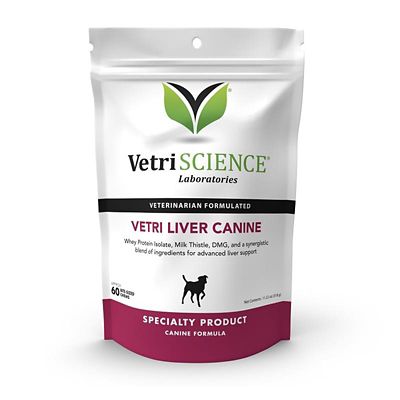
Liver Support Supplements for Dogs may be relevant when a veterinarian recommends that specific kind of support, but liver-focused formulas and immune support formulas are not interchangeable. For everyday shopping, the most useful match is a supplement with a clear purpose, an appropriate formula, and directions that fit the dog’s established care. Sensible expectations matter, too: immune support is not a promise that a dog will avoid infections or recover faster. Balanced meals, routine care, and a supplement chosen for a real need make a more practical foundation than stacking several formulas into the same bowl.