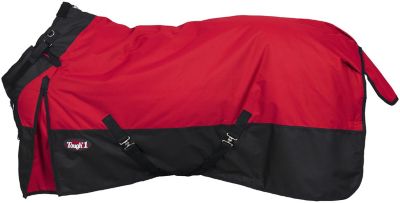
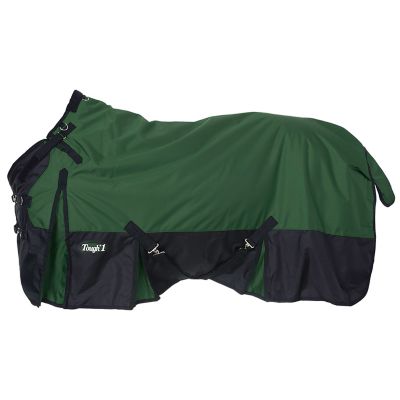
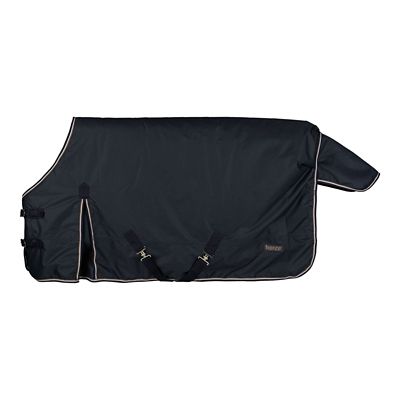
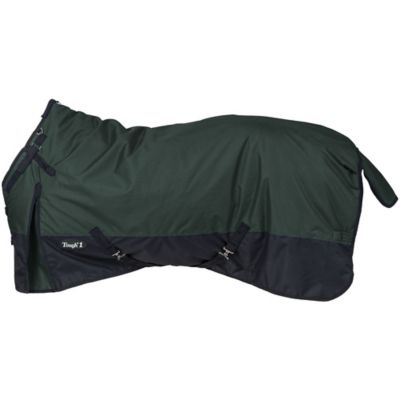
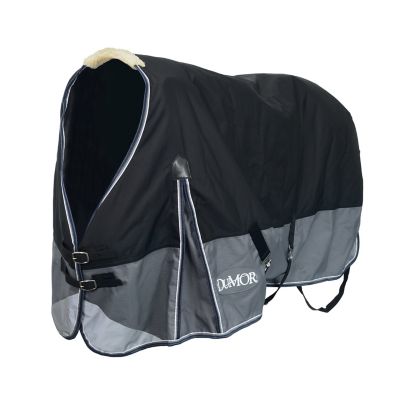
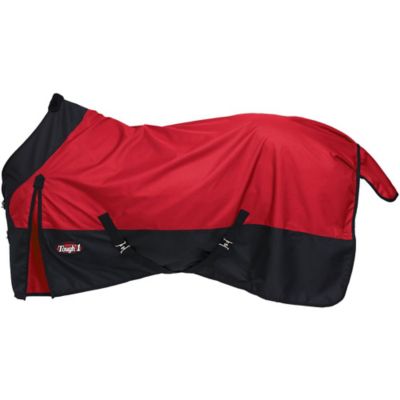
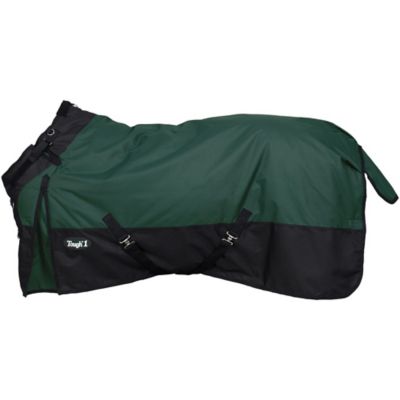
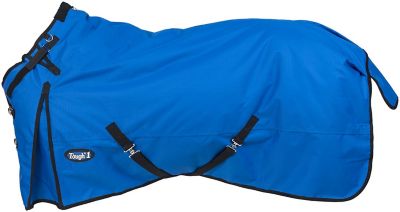
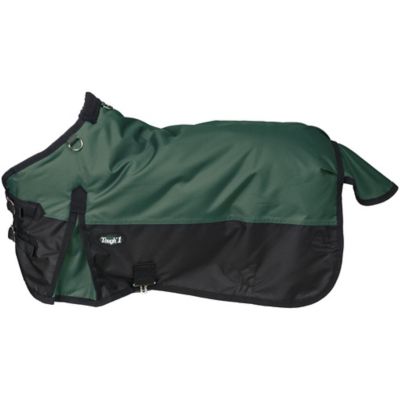
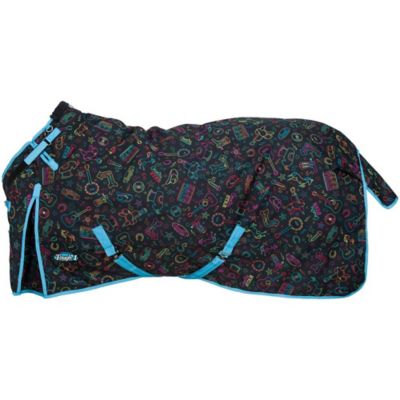
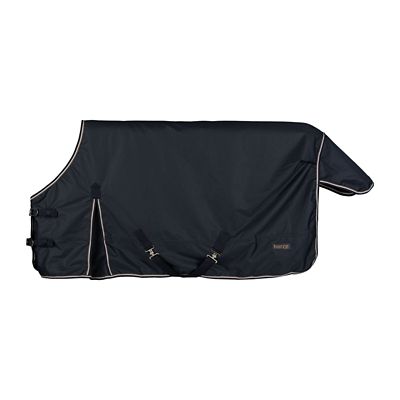
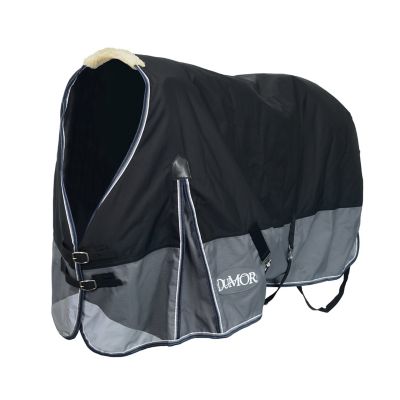
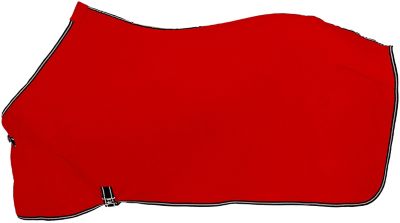
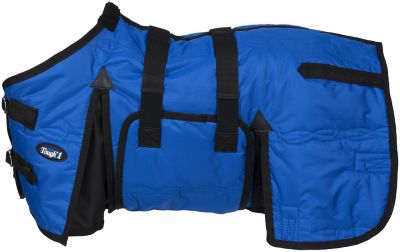
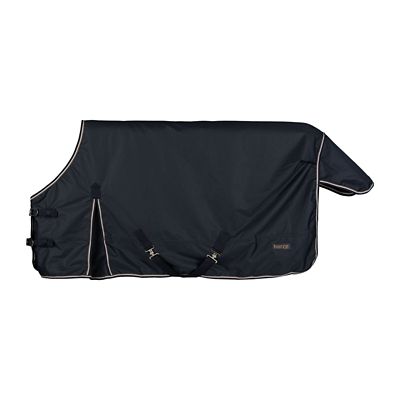
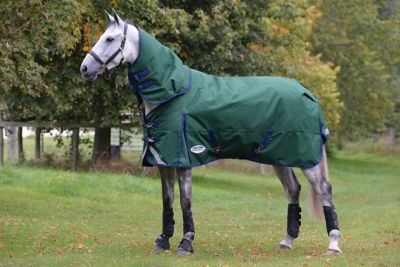
Finding the right horse blanket size starts with an accurate measurement, not a guess based only on breed, height or the size worn by another horse. Place your horse on flat, level ground with all four feet standing square and weight balanced evenly. Using a soft measuring tape, begin at the center of the chest where the front legs meet. Run the tape straight back over the widest part of the shoulder, along the side of the barrel and toward the rear, keeping it level instead of angling up or down. Stop where the tail meets the buttocks, not at the center of the tail. Record the measurement in inches, then compare it with the sizing information for the blanket you are considering. Blanket sizes commonly increase in 2- or 3-inch steps, so if your measurement lands between two sizes, rounding up is usually the better starting point. A blanket that is a touch generous through the body can often be adjusted with the chest closures and surcingles, while one that is too short may pull across the withers, leave the hindquarters exposed or rub along the shoulders. For a general point of reference, ponies around 10 to 14.2 hands may often fall in the 52- to 64-inch range, average horses around 15.2 to 16 hands may often wear 72 to 78 inches, large horses around 16.1 to 17 hands may often fit 78 to 82 inches, and draft horses over 17 hands may need 84 to 86 inches. These ranges are only starting points because a compact stock horse, narrow Thoroughbred, broad warmblood and deep-bodied draft can have very different proportions at the same height. A second measurement is worth the few extra minutes, especially if your horse has gained or lost weight, developed more muscle, grown a winter coat or changed from a sleek summer shape to a fuller cold-weather build.
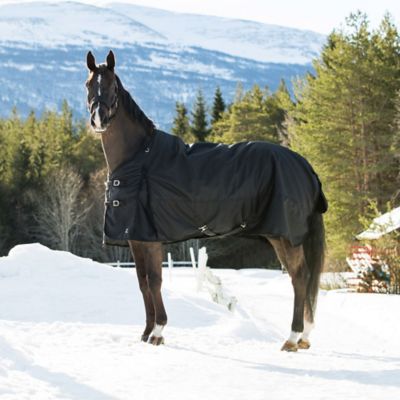
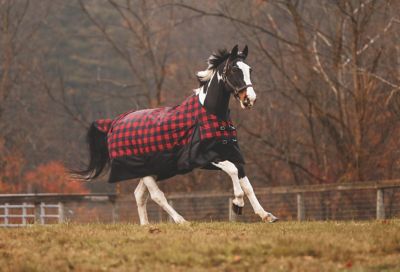
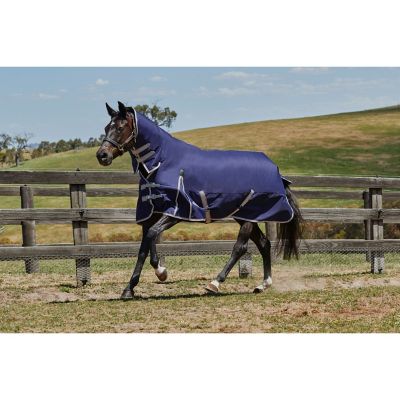
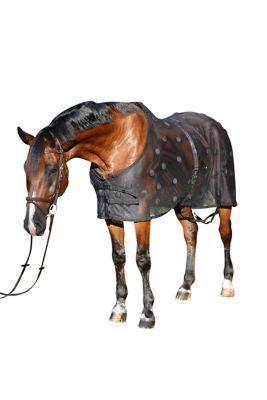
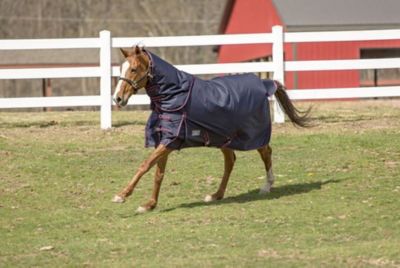
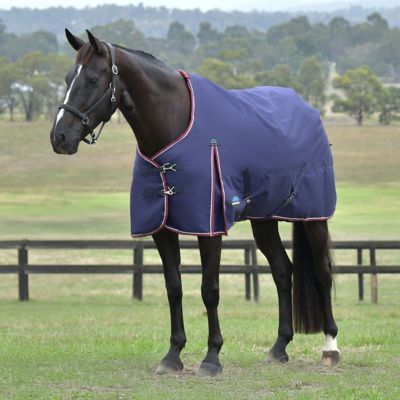
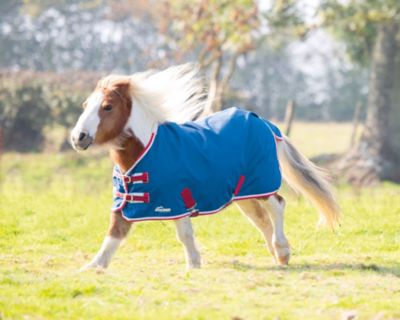
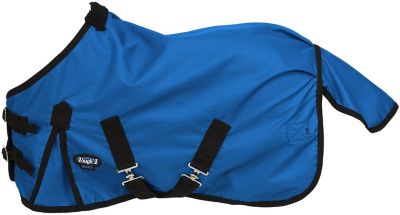
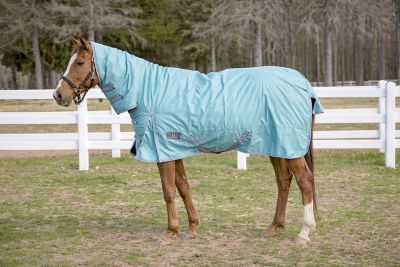
A properly sized blanket should sit smoothly from the front of the chest to the tail area without pressing into the throat, sliding sideways or hanging well past the end of the body. The neckline should allow your horse to lower the head and graze without the front edge riding up, while the blanket should cover the back and sides without restricting the shoulder as the horse walks, rolls or reaches for hay. Check that the straps lie flat and that there is enough room for normal movement, but not so much looseness that a hoof could catch underneath. After your horse wears it for a short time, look beneath the shoulder and along the withers for damp hair, rubbed spots or clumps of hair pushed in the wrong direction. Those marks can point to a fit issue even when the blanket looked fine standing still in the aisle. Body shape matters just as much as the tape measurement: a prominent wither may need a roomier or specially shaped front, a wide shoulder may call for added freedom of movement, and a round, low-backed horse may need close attention to belly coverage and strap adjustment. Consider the blanket’s intended use as well. A lighter layer can help during cool, dry weather or protect a clipped horse from a chill, while a warmer blanket may be useful during colder conditions. Water-resistant or waterproof outer material can be important for horses spending time outside, but breathability still matters when the sun comes out or the horse is moving. A horse that lives in a stall, one turned out for several hours and one exposed to wind, rain and snow may all need different levels of coverage. For more background on fabric, insulation, closures, waterproofing and everyday care, visit the
Horse Blankets and Turnout Sheets Guide.
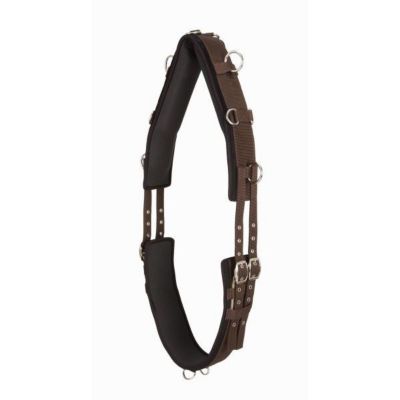
Horse blankets and sizing accessories can be useful for new horse owners, seasoned riders, boarding facilities, rescue groups and anyone preparing a horse for the cooler months. They can also make a thoughtful gift for a friend who has recently brought home a horse, started caring for an older animal or added a pony to the family, although getting the recipient’s exact measurement first is important. Many owners keep a soft tape measure in the tack room alongside brushes and hoof picks so they can check the fit as the season changes. It is especially wise to remeasure after a horse changes pasture, exercise routine or feeding program, since even a modest change in weight can affect how the blanket sits. Before putting a blanket on, make sure the horse is clean and dry, inspect the fasteners and shake out any bedding or dirt that could cause rubbing. Secure the front closures evenly, adjust the belly straps so they are snug without pulling, and check the hind leg straps according to the manufacturer’s instructions. When the weather warms during the day, feel under the blanket at the shoulder and behind the elbow for excess heat or moisture, then remove or switch layers as needed. At the other end of the season, allow a damp blanket to dry completely before storing it, and repair loose stitching or damaged closures before the next outing. A calm horse, a level patch of ground and a few careful measurements go a long way toward finding comfortable coverage. The goal is a blanket that stays in place while the horse grazes, naps, rolls and moves through the day, offering protection from changing weather without becoming a nuisance.