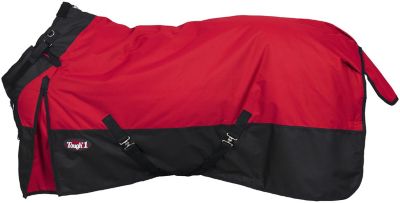
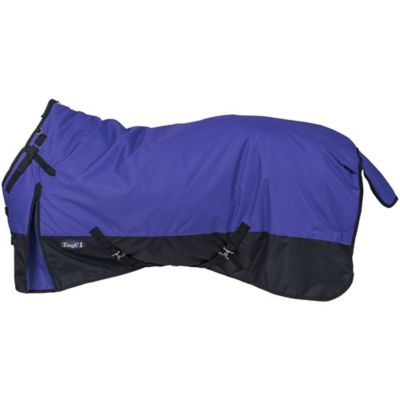
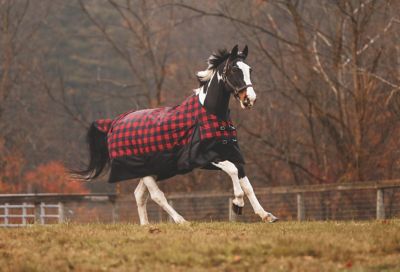
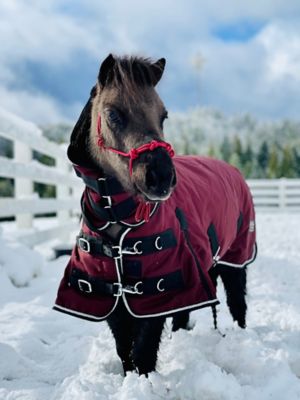
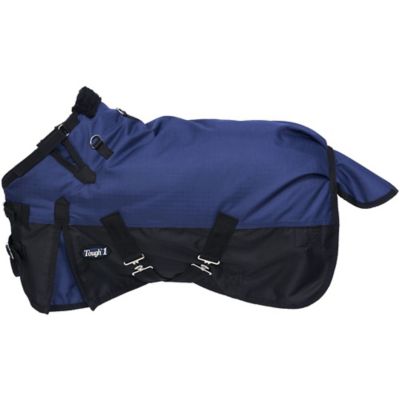
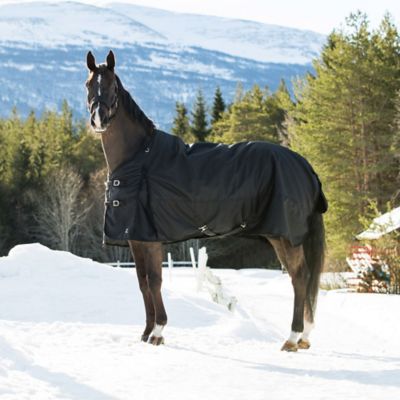
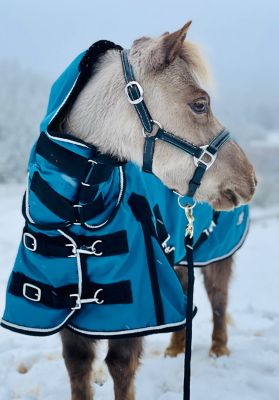
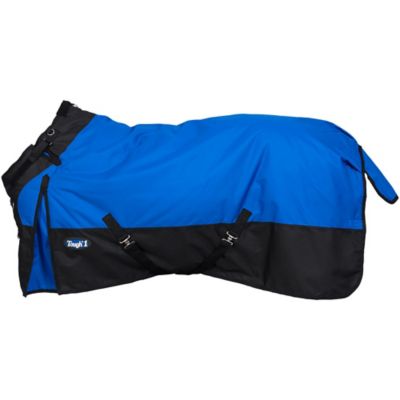
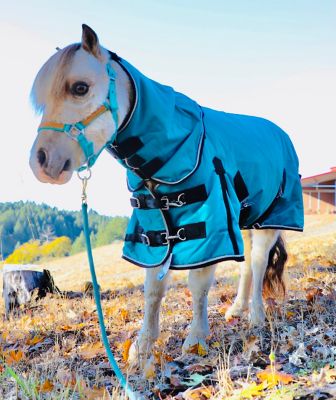
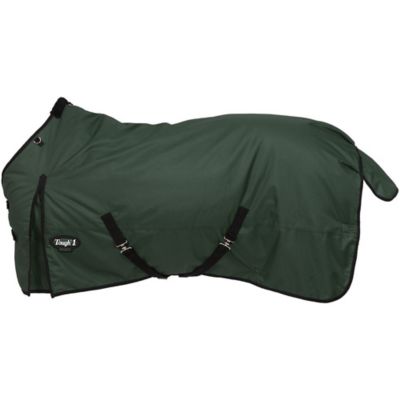
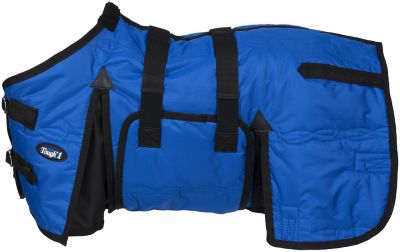
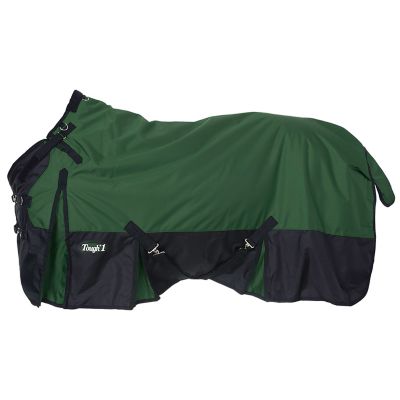
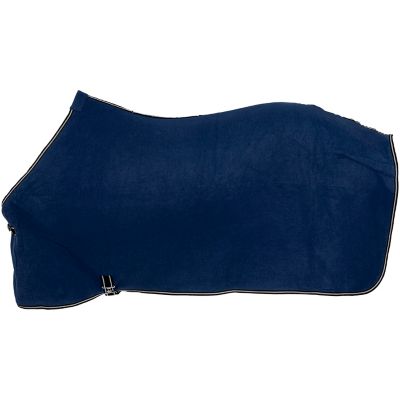
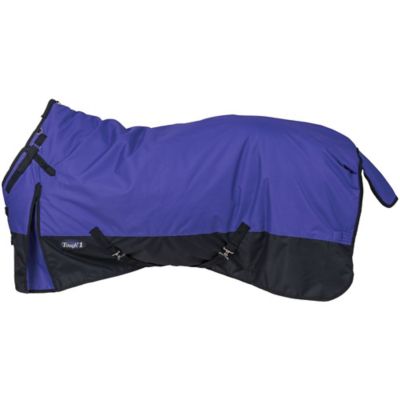
Choosing the right horse blanket weight starts with understanding how much insulation is built into the blanket. Fill is measured in grams, and the higher the gram weight, the warmer the blanket generally feels. A 0g turnout sheet has little or no insulation and is mainly used as a weather barrier against rain, wind, mud and light chill. Lightweight blankets commonly range from about 80g to 180g and can be useful during cool fall days, damp evenings and mild winter weather. Medium-weight blankets generally range from 200g to 300g, while heavyweight blankets may contain 300g to 440g or more for freezing temperatures and severe conditions. These ranges are helpful starting points, not hard rules. A clipped horse has less natural insulation and may need a blanket at temperatures when a horse with a full winter coat is comfortable without one. As a general reference, a turnout sheet may suit a clipped horse around 50°F to 65°F, while a full-coated horse may only need that extra wind and rain protection as conditions become colder or wetter. Lightweight blankets often work well around 40°F to 60°F for clipped horses and 30°F to 50°F for horses with full coats. Medium weights may be considered around 35°F to 50°F for clipped horses and 30°F to 45°F for unclipped horses, with heavyweight blankets reserved for freezing conditions, especially when wind, rain or snow makes the air feel even colder. Your horse’s age, body condition, activity level, shelter, coat, health and local weather all matter. An older horse, a thin horse or one that has trouble maintaining weight may need more help staying warm, while a hardy horse with a dense coat and access to shelter may need less. Pay attention to the horse in front of you rather than relying on the thermometer alone. A horse that is shivering, tucked up or cold at the shoulders may need more protection, while sweat under the blanket, damp hair or a horse that seems restless can mean the blanket is too warm.
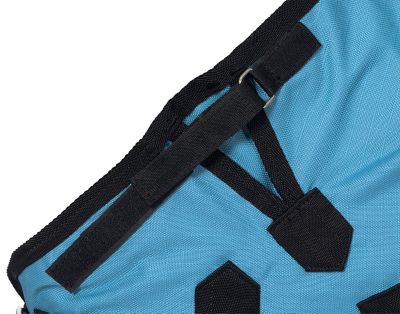
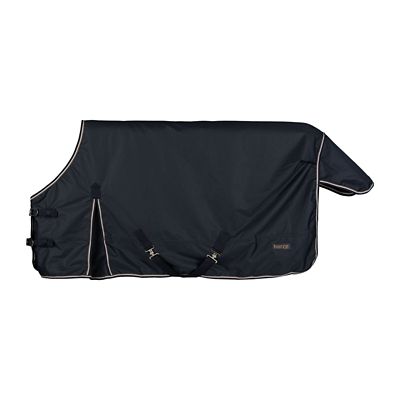
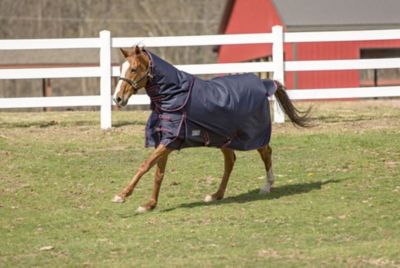
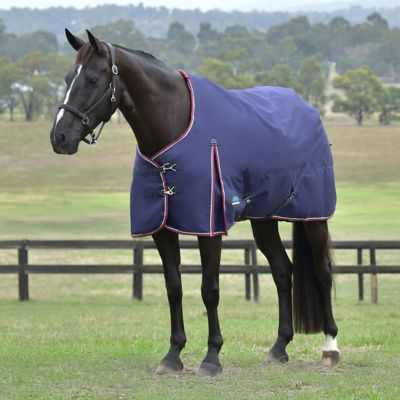
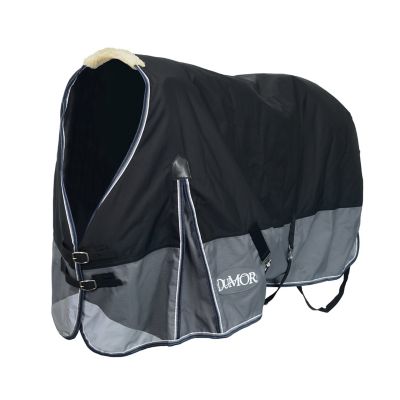
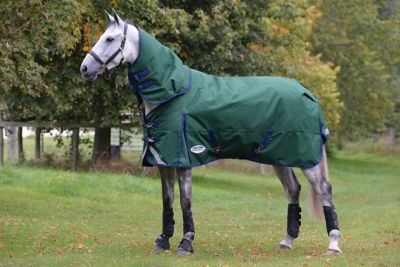
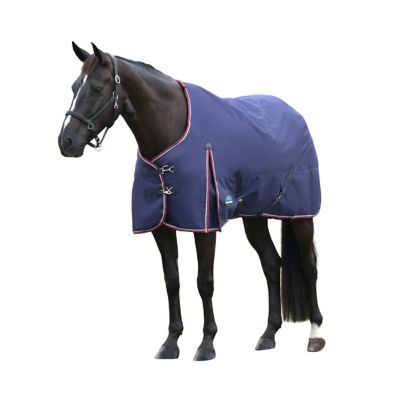
Fit and construction are just as important as blanket weight. Measure from the center of the chest along the side of the body to the edge of the tail so you can compare the result with the blanket’s sizing chart, then check the fit once the blanket is fastened. The front should sit flat without pulling across the chest, the straps should allow comfortable movement, and the back should cover the horse without hanging so far that it catches on the legs. A blanket that is too tight can rub at the withers, shoulders and neck; one that is too loose may shift, snag or allow cold air and rain underneath. Look for adjustable chest closures, secure leg straps or a shaped hindquarter fit, and a tail flap that helps keep driving rain off the back end. Turnout blankets should be made with a waterproof, breathable outer shell for horses that spend time outdoors, while stable blankets are intended for dry, sheltered use and may not stand up to wet weather. Fabric denier is another useful comparison point because a higher denier rating typically indicates a stronger outer material, though stitching, seams and hardware also affect durability. A smooth lining can help reduce rubbing and support a healthy coat, and a gusseted shoulder design gives a horse room to walk, roll, graze and lie down without feeling restricted. For horses that are blanketed regularly, having more than one option can make barn life easier: a lighter sheet for rainy, breezy days, a medium layer for colder weather and a heavier choice for especially low temperatures. Layering can also be practical when conditions change from a chilly morning to a warmer afternoon, but every layer should fit properly and be checked for bunching. Keep blankets clean, dry and in good repair, and follow the care instructions so waterproofing and insulation continue to work as intended. A spare blanket is especially handy when one is hanging up to dry after a wet turnout or waiting for a trip through the wash.
Daily blanket checks help keep a horse comfortable and make it easier to adjust as the weather changes. Slide a hand beneath the blanket at the shoulder, withers and middle of the back to check for warmth and moisture. Feel along the chest and behind the elbows for rubs, and look for dirt or bedding trapped against the skin. Remove the blanket regularly so you can inspect the coat, notice weight changes and make sure there are no hidden sores. A horse should not be left in a wet blanket, and a blanket should never replace access to dry shelter, forage and fresh water. Hay helps a horse produce body heat through digestion, so feeding routines and shelter are part of cold-weather care too. Horses with a full coat may stay comfortable in surprisingly cold temperatures, but rain and wind can flatten that coat and reduce its insulating ability. A clipped horse, on the other hand, may need coverage sooner and may benefit from a warmer weight during the cooler months. Blankets can be practical gifts for a horse owner, especially someone preparing a new horse for changing weather, boarding in a different climate or caring for an older animal. Before giving one, it helps to know the horse’s measured size, whether the horse is clipped, how much time it spends outside and whether it needs a sheet, lightweight, medium-weight or heavyweight option. For more help comparing layers, materials, fit and turnout use, visit the
Horse Blankets and Turnout Sheets Guide. With a well-fitting blanket and regular hands-on checks, you can help your horse stay dry, comfortable and ready for the next day in the pasture, paddock or stall.