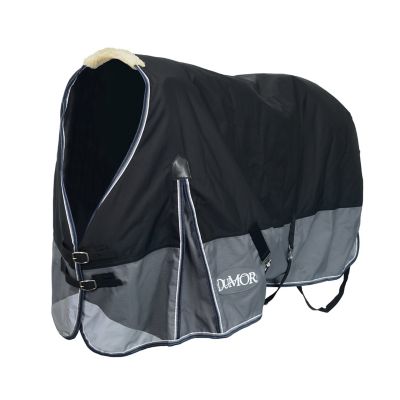
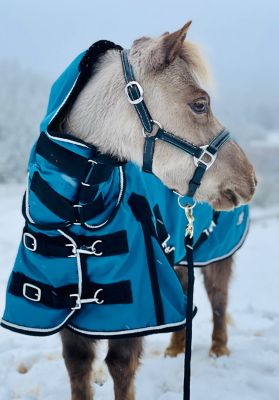
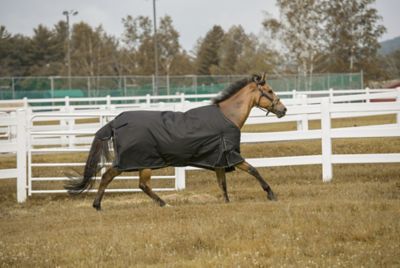
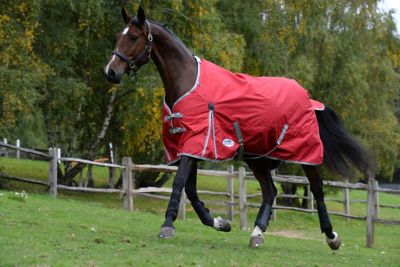
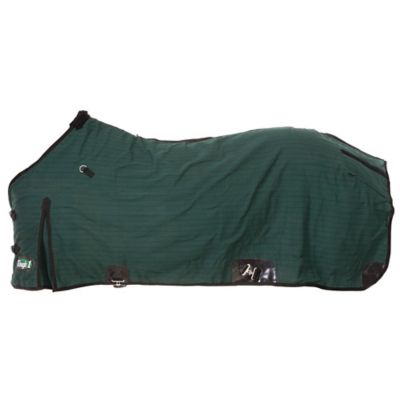
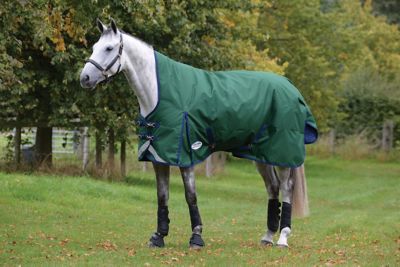
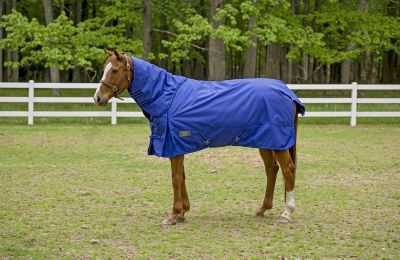
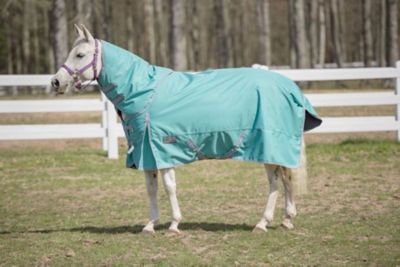
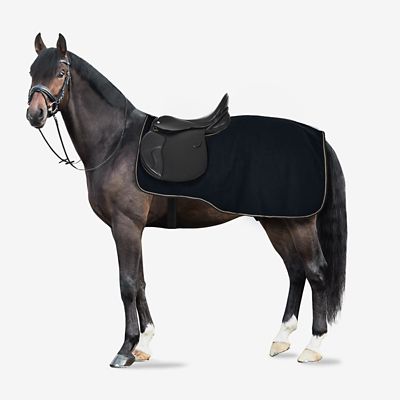
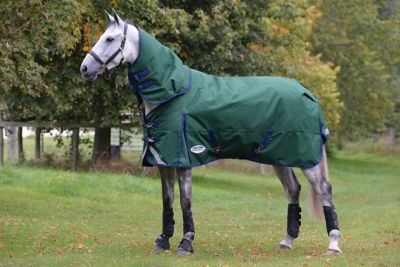
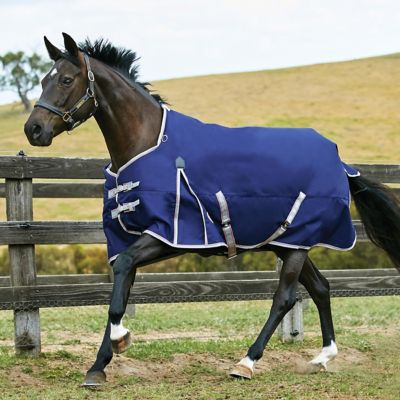
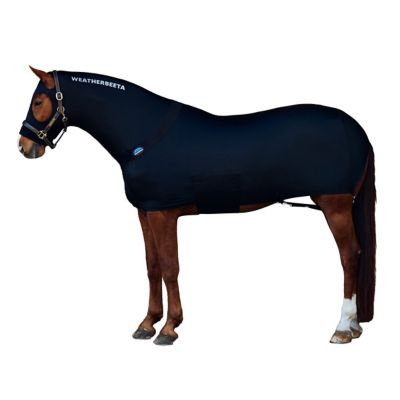
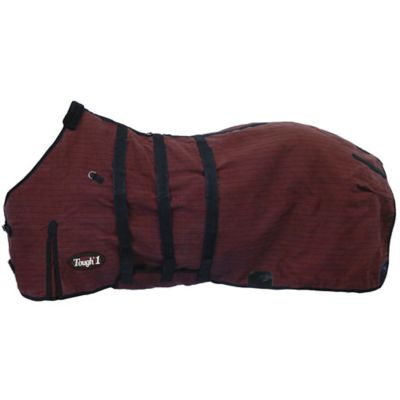
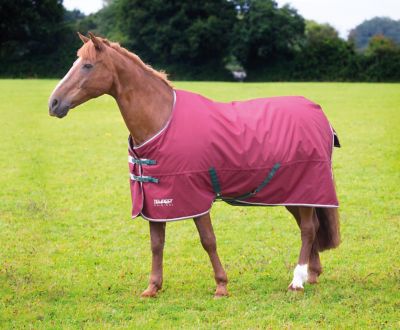
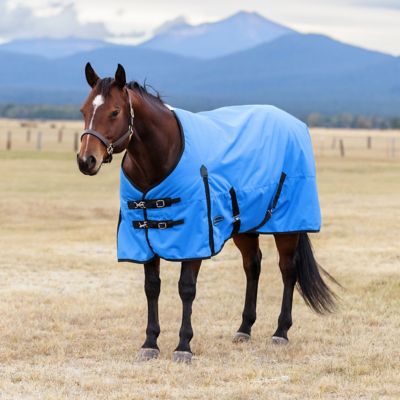
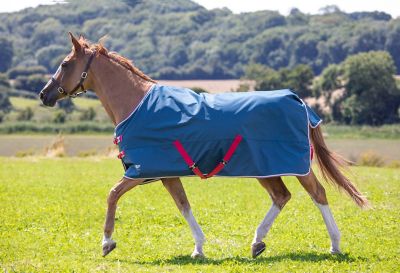
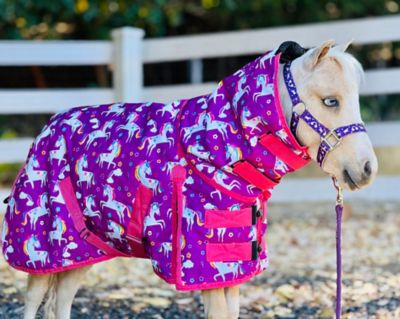
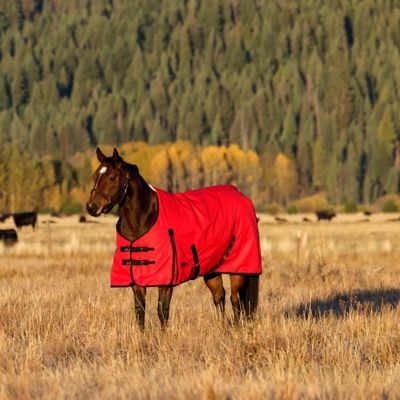
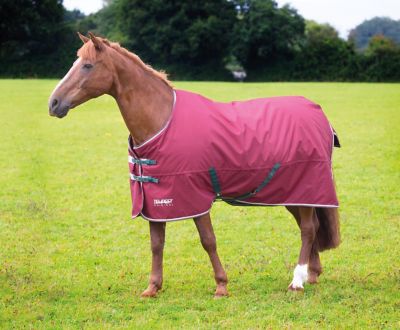
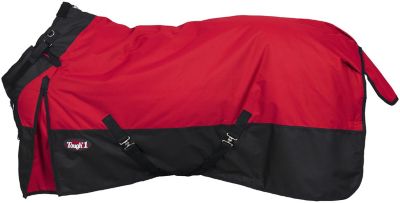
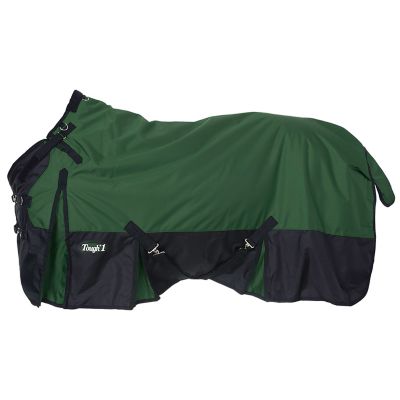
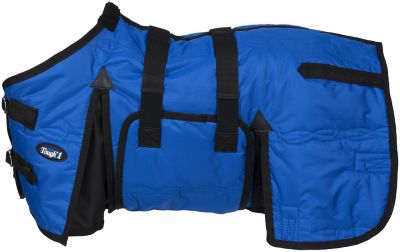
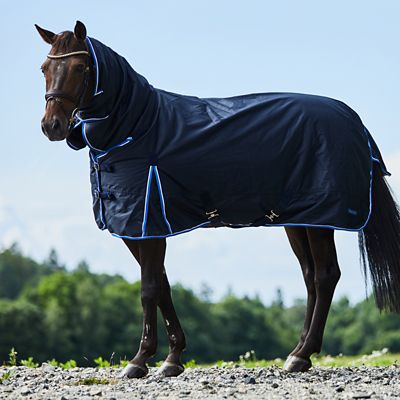
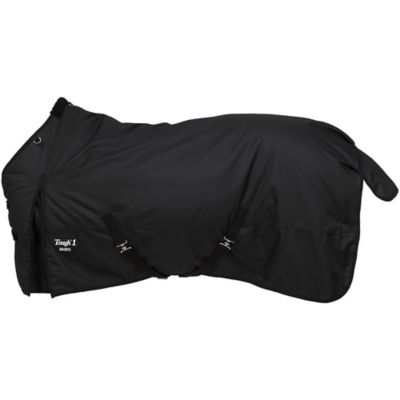
Winter horse blankets help horses stay comfortable when cold air, wind, rain, and damp pasture conditions settle in. They can be especially helpful for horses with a clipped coat, senior horses, horses with a naturally fine coat, or animals that spend long stretches outdoors during the cooler months. Even a horse with a thick winter coat may appreciate an extra layer when the wind cuts across an open field or a steady rain leaves the coat damp. A blanket can also help keep a horse cleaner and drier before hauling, riding, or an early morning appointment. The right choice depends on the horse’s coat, body condition, shelter, activity level, and local weather. A horse that stays in a well-bedded stall may need a lighter layer than one that grazes through cold rain and strong wind. Horses that are body clipped generally need more coverage because clipping removes much of the natural insulation that grows in preparation for winter. For outdoor turnout, look for a blanket made to shed rain and block wind while allowing moisture and body heat to escape. Waterproof outer fabric, secure front closures, adjustable surcingles, and leg straps all help the blanket stay in place as a horse walks, rolls, grazes, and trots across the pasture. Breathable materials matter, too, since trapped sweat under a blanket can leave a horse chilled once the body cools. Measuring from the center of the chest to the center of the tail helps narrow down the proper size, but each horse carries weight differently through the shoulders, barrel, and hindquarters. The blanket should sit smoothly without pulling across the chest, rubbing at the withers, or hanging low enough to catch a hoof. A horse that is between sizes may need extra attention to the shoulder fit and the way the blanket rests along the back. For smaller equines and miniature horses, a well-fitted option such as the
Mini Black Horse Turnout Blanket can provide coverage suited to a compact frame. Checking the fit after the horse moves around is just as important as checking it while standing still. Look for free movement at the shoulder and a comfortable fit around the neck, with enough room for the horse to lower its head and graze without the front edge pressing against the throat.
Blanket weight is another important consideration. Lightweight sheets can help keep rain and wind off without adding much insulation, making them useful during damp, breezy conditions or for horses with heavy coats. Midweight blankets offer more warmth for colder turnout, while heavier fill may suit clipped horses, thin-coated animals, or bitter conditions when shelter is limited. A blanket is not a substitute for forage, shelter, or regular observation. Horses create heat while digesting hay, so access to plenty of forage supports natural warmth, especially through long, chilly nights. A three-sided shed, windbreak, or well-placed tree line gives an outdoor horse a place to step away from gusts and precipitation. Check beneath the blanket each day when conditions allow, running a hand over the shoulders, withers, chest, and belly to feel for dampness, heat, or rubbing. A horse that is sweating under its blanket may need a lighter layer, a dry change, or a break from coverage. When a wet blanket comes off, hang it where it can dry fully before it goes back on. Fasten all closures as directed, keep straps clear of the legs, and remove mud or manure before it builds up around areas that see friction. During the shoulder seasons, temperatures can shift from a frosty morning to a mild afternoon, so many horse owners keep more than one blanket weight on hand. That makes it easier to adjust coverage as the day changes rather than leaving one heavy layer on through warming weather. Winter blankets can also make a thoughtful gift for a horse owner, especially someone caring for a new horse, a retired companion, or a small equine that needs a different size than standard blankets provide. They are practical for ranch families, boarding stable owners, 4-H members, trail riders, and anyone preparing a horse for turnout through cold, wet conditions. Pairing a blanket with a simple storage bag or a set of spare fasteners can help keep barn routines running smoothly, but the blanket itself should always be selected around the horse’s needs rather than appearance alone. With a sensible fit, suitable insulation, and regular hands-on checks, winter coverage can help a horse remain settled, dry, and ready for the daily rhythm of feeding, turnout, grooming, and time spent with the herd.