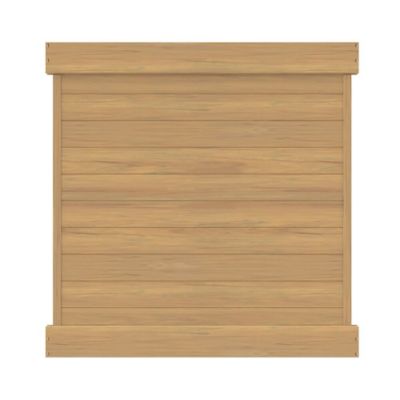
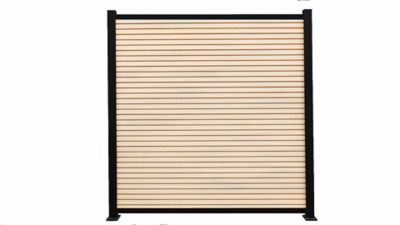
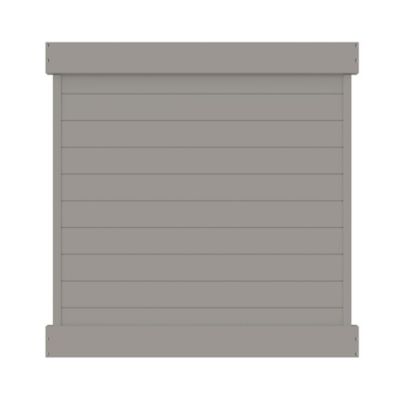
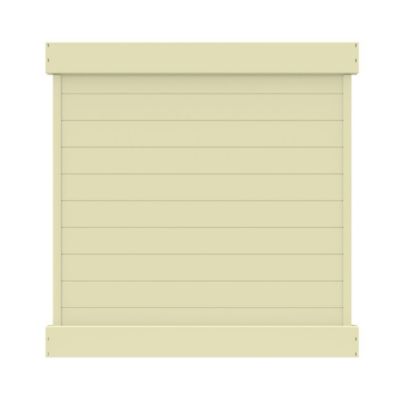
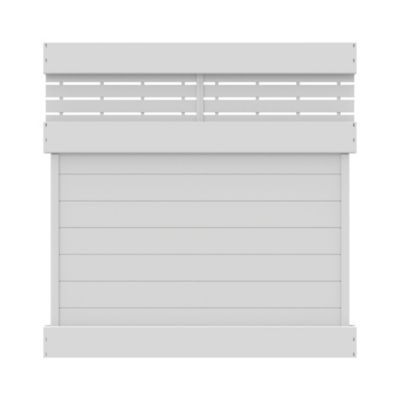
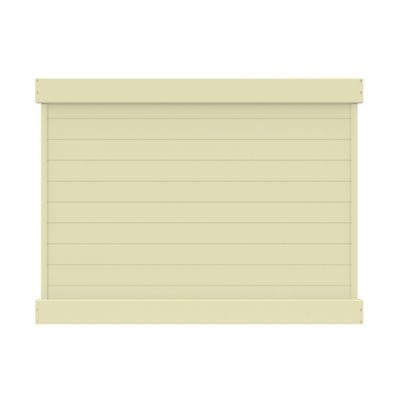
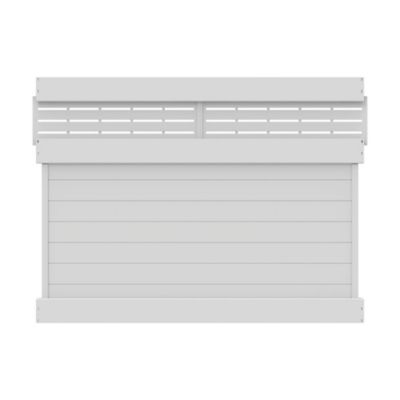
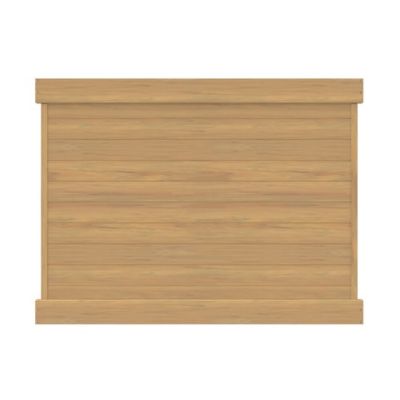
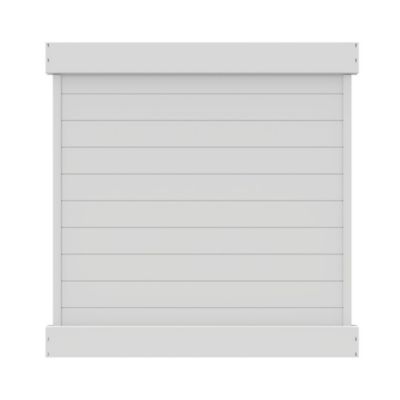
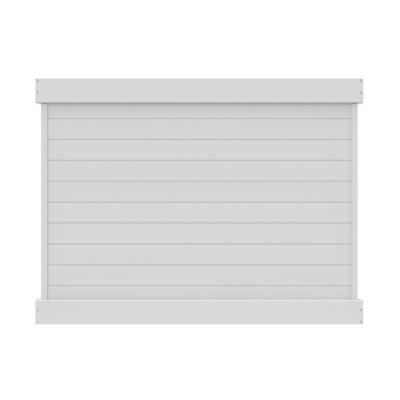
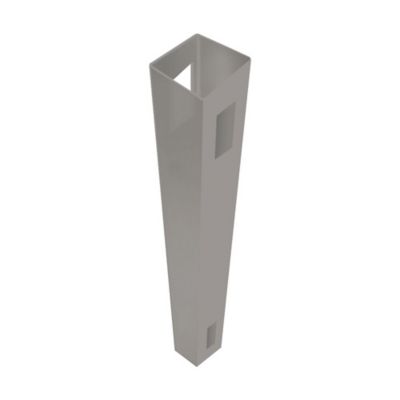
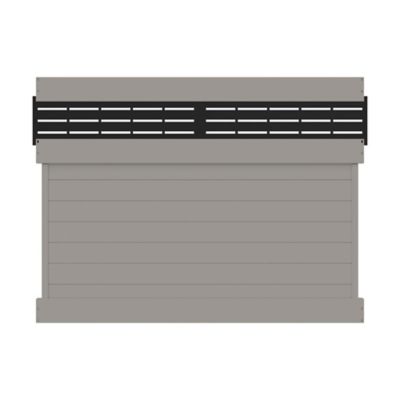
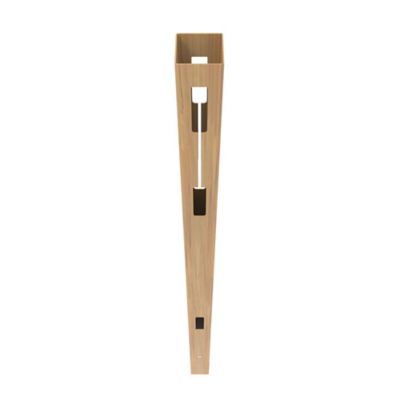
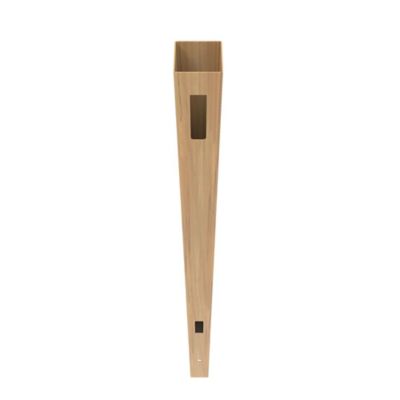
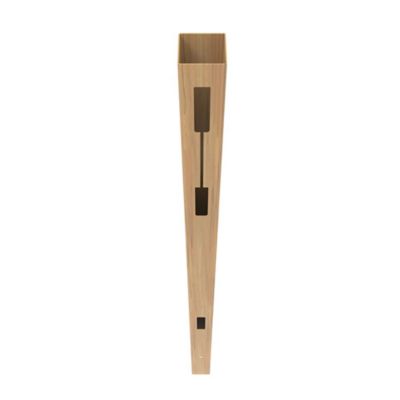
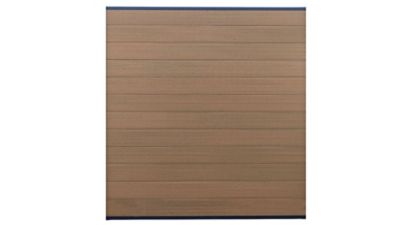
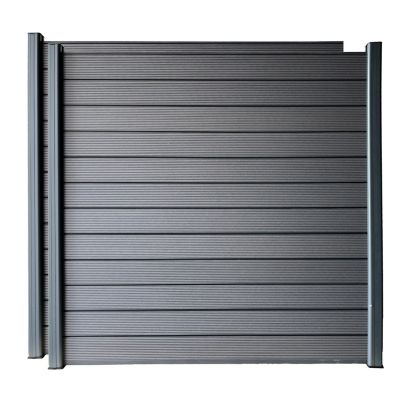
Horizontal fence boards bring a clean, updated look to a yard, pasture edge, garden, or outdoor living space while still doing the everyday work of defining property lines and adding privacy. Instead of running up and down between posts, these boards stretch from post to post, creating strong horizontal lines that can make a narrow yard feel wider and give a newer home, barn, workshop, or farmhouse a polished finish. They can be used for full-privacy fencing, semi-private screens, wind breaks, garden enclosures, dog runs, and decorative sections around patios or porches. Many homeowners choose horizontal fence boards when they want a fence that feels a little less traditional, while do-it-yourself builders and handy property owners appreciate the flexibility to set the board spacing, height, and overall style to fit the land. Before ordering, measure the full fence line, count the number of corner and gate posts, and allow for waste from cuts, knots, damage, or boards that may not suit the most visible sections. A simple sketch can help you estimate how many boards are needed for each run, including the space between boards if you are building a semi-private fence. Keep in mind that horizontal boards often need more framing than a standard vertical fence because their length and weight can allow them to sag over time. Plan for sturdy end and corner posts, reliable rails or blocking, and vertical support braces placed between the main posts—commonly every 2 to 4 feet, depending on board length, thickness, material, local weather, and the fence design. A level, straight fence line starts with carefully set posts; taking extra time during layout usually pays off when the boards go up and the finished fence looks even from one end to the other.
Material is one of the biggest purchasing considerations for horizontal fence boards. Natural wood gives a warm, familiar look that fits easily beside gardens, gravel drives, barns, and older homes, and it can be painted, stained, or left to weather naturally when the lumber is suited for outdoor use. Cedar and other naturally durable woods are popular for fence work because they stand up well to outdoor conditions, but all wood will benefit from thoughtful installation and maintenance. Look closely at board thickness, width, length, grain, moisture content, and visible defects. A wider board can create a more solid, private appearance, while narrower boards with small gaps may feel lighter and allow more air and sunlight through. For a more finished appearance, some builders use boards with a consistent face, while others enjoy the rustic character of knots and natural variation. Wood should be sealed with an exterior stain, oil, or water-repellent sealer appropriate for the material to help limit water absorption, checking, and weather damage. Apply the finish to cut ends as well as the broad faces, since freshly cut edges can take on moisture quickly. Composite and vinyl options can provide a more uniform look and may reduce some routine upkeep, though they still require a properly built frame and careful attention to manufacturer requirements. Color, heat from direct sun, expansion and contraction, cleaning needs, and compatibility with posts and rails are worth considering before mixing materials. For a different wood-fence appearance, shoppers may also compare horizontal boards with
Tongue And Groove Fence Boards, especially when a tighter fit and more finished surface are part of the plan. No matter which material you choose, outdoor-rated deck screws or stainless steel nails are dependable fastening choices for many wood installations. Fasteners should be long enough to hold securely without splitting the board, and predrilling near ends can help prevent cracking. Galvanized or otherwise corrosion-resistant hardware is especially important in damp areas, around livestock, or anywhere the fence will regularly face rain, irrigation, mud, or winter moisture.
Horizontal fence boards are useful for more than a property-line fence. A few carefully spaced boards can hide trash cans, screen an air-conditioning unit, separate a play area, or make a simple backdrop for a seating area. Around a garden, they can help keep pets out and give climbing plants a place to grow, though vines should be managed so they do not trap moisture against the boards or add excessive weight. On rural properties, horizontal boards may be used for visual screening along a driveway, a neat enclosure around equipment, or a privacy section near a porch where the view needs a little softening without closing off the whole yard. They can also be a practical choice for a weekend building project shared by family members or a thoughtful housewarming gift for someone settling into a new home, buying land, or improving an older homestead. During warmer weather, inspect the fence line for loose fasteners, bowed boards, insect activity, and places where water collects near the ground. As the cooler months arrive, clear leaves and soil away from the lower boards, check gates before freezing conditions, and touch up exposed cut ends or worn finish. Good drainage, proper spacing, solid support, and a suitable protective coating all help a horizontal fence stay straight and useful through changing weather. When comparing options, consider the look you want from the road, the privacy needed inside the fence, the amount of maintenance you are willing to handle, and the tools and help available for installation. With sound posts, added center support, weather-resistant hardware, and boards selected for the job, a horizontal fence can give a property a sturdy boundary and a clean, custom look that feels right at home in the country.