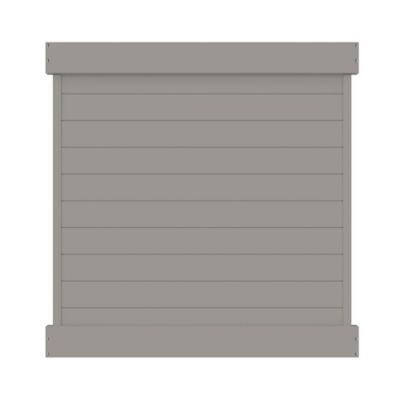
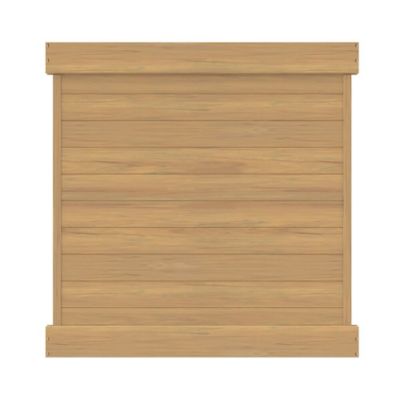
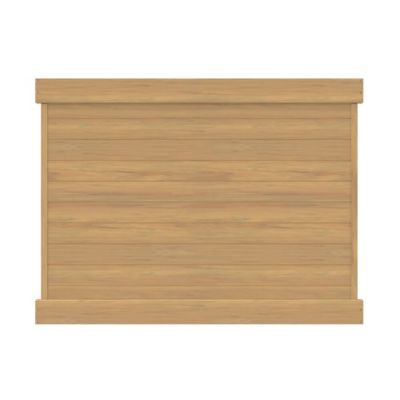
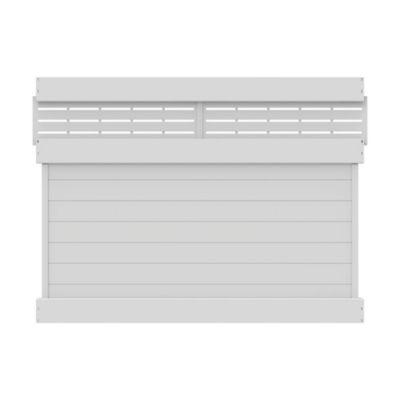
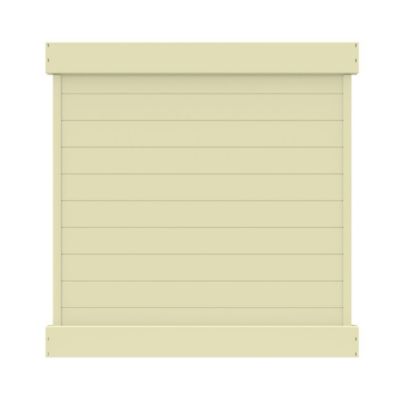
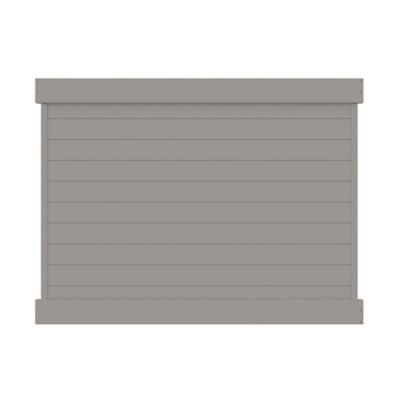
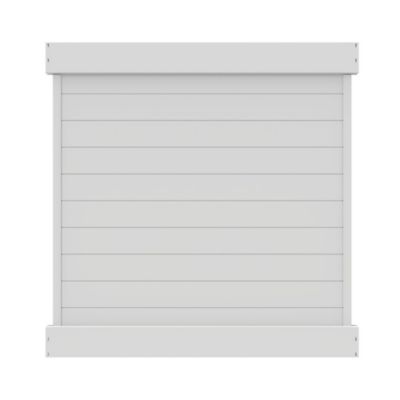
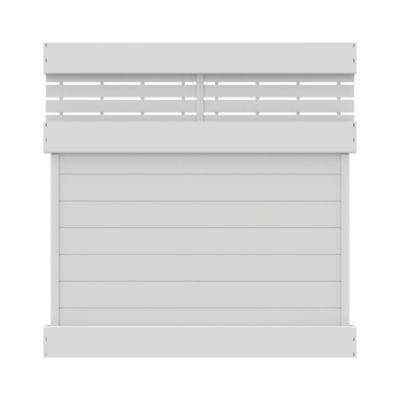
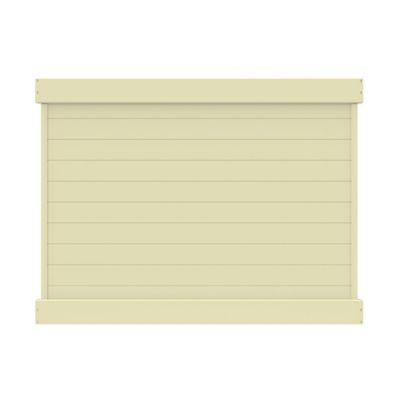
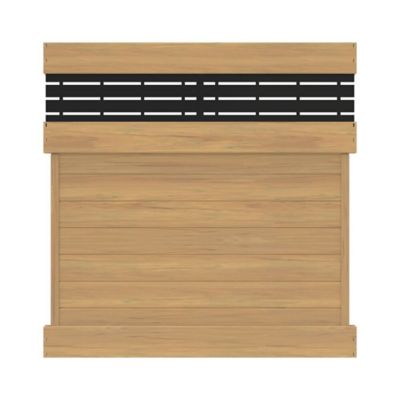
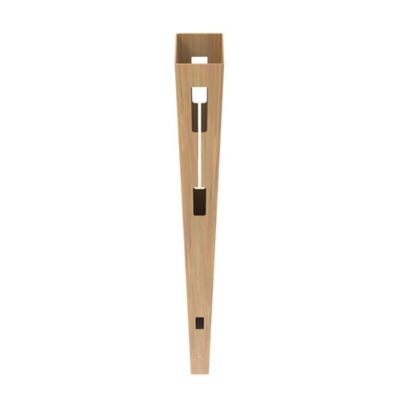
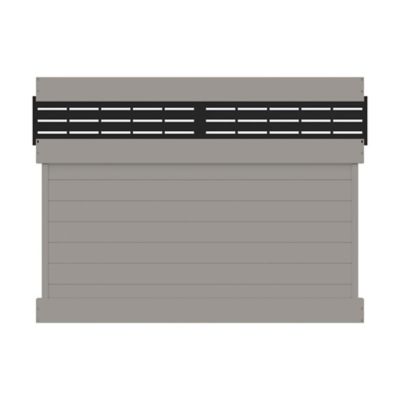
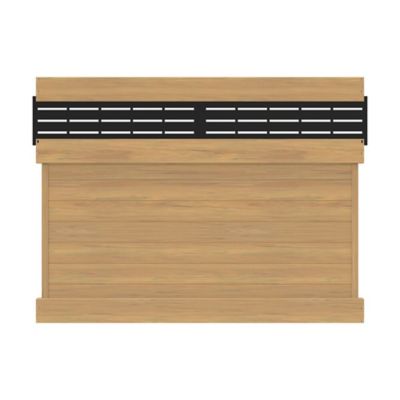
Horizontal vinyl fences bring a clean, level-lined look to backyards, patios, and property edges without the routine painting or staining that wood fencing often needs. The boards run side to side between posts rather than standing upright, giving the fence a broad, uncluttered appearance that works alongside a farmhouse, a ranch-style house, or a simple backyard shed. Most vinyl fencing is made from polyvinyl chloride, commonly called PVC, with individual systems differing in board construction, rail design, and internal support. Solid layouts place boards close together or connect them with interlocking edges to limit sightlines, while spaced layouts leave openings for a more open feel. Those differences matter when the goal is screening a seating area from a neighboring driveway versus marking the edge of a garden without closing it off completely. Privacy also depends on fence height, board spacing, and the angle of view; a semi-private design does not block views the same way a solid panel does. Broad boards create fewer horizontal breaks, while narrower boards give the fence a more closely lined appearance. Color and surface finish affect how noticeable the fence feels against siding, stone, grass, and nearby outbuildings. A lighter finish can make a small enclosure feel less closed in, while a darker finish draws a stronger outline around the space. Some surfaces have a smooth face, and others have a woodgrain texture, though the underlying material remains vinyl. For a homeowner who wants a tidy boundary around a place to sit, gather, or let the kids play, the appeal is straightforward: defined space, a consistent appearance, and less ongoing finish work. The right layout balances that appearance with the amount of screening and access the yard actually needs.
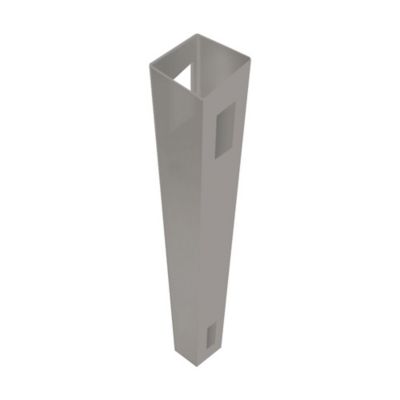
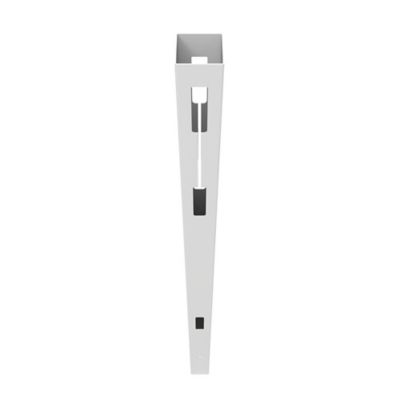
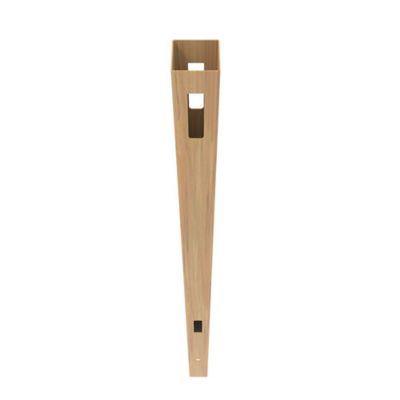
Fit goes beyond choosing a fence height and a color. A horizontal vinyl fence is a complete system, with posts, boards or panels, rails, brackets, caps, and gate hardware working together. Parts with similar measurements are not necessarily interchangeable, since the shape of a post opening or the way a board locks into a rail can differ. Panel width may describe the panel itself or the spacing between post centers, so the manufacturer's measurement details matter when comparing a fence layout with the space on the property. Board thickness alone does not tell the whole story, either; internal construction, reinforcement, and the permitted distance between posts all affect how a section holds its shape. When comparing
horizontal fence boards, the connection method and intended fence system deserve as much attention as the face width. A long, straight backyard boundary has different layout needs than a short enclosure with several corners and a gate beside the house. Changes in ground elevation matter, too. Depending on the system, a slope may call for stepped sections or a design specifically intended to follow the grade. That choice affects the top line of the fence and the size of openings underneath, which is especially important around small pets. Gate openings need room for the equipment that passes through them, whether that means a push mower, a garden cart, or a larger riding mower. Hinges, latches, reinforcement, and post support should suit the gate's size and weight rather than simply match its color. Property lines, easements, local fence rules, and any neighborhood requirements can also shape the final layout. Before any post holes are dug, underground utilities need to be marked through the appropriate local process. These practical details help keep a fence suited to the property instead of leaving an awkward gap, a cramped entrance, or a gate that cannot open freely.
Everyday care is another reason horizontal vinyl fencing appeals to busy households. Vinyl does not rot, and its surface generally needs cleaning rather than repeated coats of stain or paint. Dirt, grass clippings, and other surface buildup can usually be addressed with water, a soft cloth or brush, and a cleaner approved by the manufacturer. Abrasive pads, harsh solvents, and aggressive pressure washing can damage some finishes, so the care directions for the particular fence remain important. Easy upkeep does not mean the fence can be ignored entirely. Gates benefit from occasional checks for loose fasteners, latch alignment, and hinge movement, especially along a busy route between the house and backyard. Keeping string trimmers and mower decks away from posts helps prevent scuffs and impact damage. Vinyl can crack under a hard strike, and a damaged board or panel may need replacement rather than the sanding and patching associated with wood. Access to matching components and a clear understanding of how sections come apart can make future repairs less troublesome. Intended use matters just as much as appearance: a residential privacy fence is not automatically suitable for livestock containment, and a yard fence is not automatically a compliant pool barrier. Children and pets need supervision, and horizontal rails or boards may provide footholds for climbing. For a dog enclosure, fence height, gaps beneath panels, latch security, and the animal's habits all deserve consideration. Around the rest of the property, horizontal vinyl fencing can screen trash carts, frame a patio, or separate a play space from a work area without making every boundary look like a livestock pen. Leaving access to hose connections, utility equipment, and building maintenance helps the enclosure stay practical. With a layout matched to daily routines and components matched to one another, this style offers a neat, low-maintenance boundary that feels at home beside both a busy backyard and a quiet stretch of lawn.