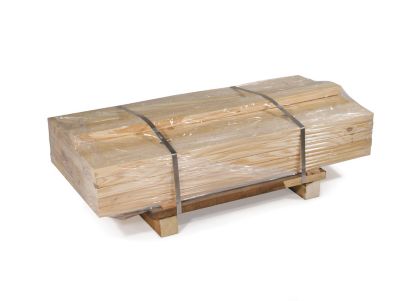
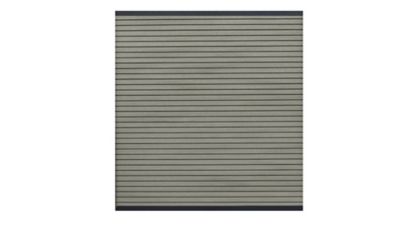
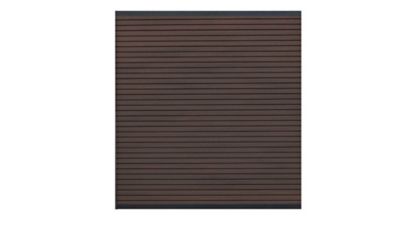
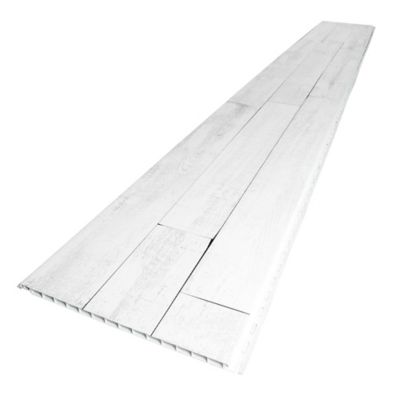
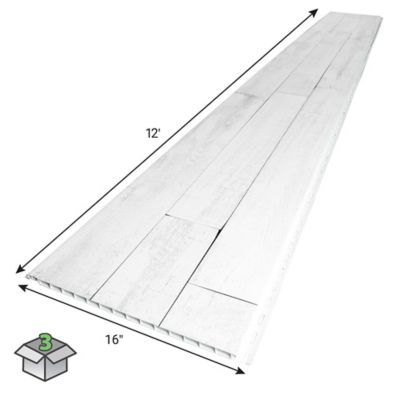
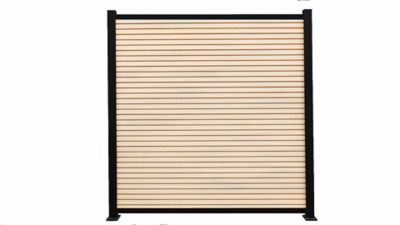
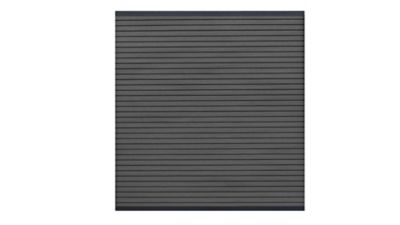
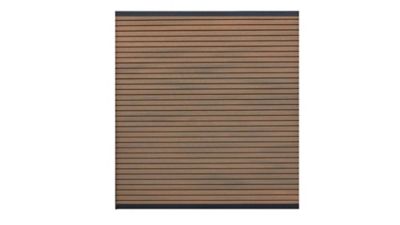
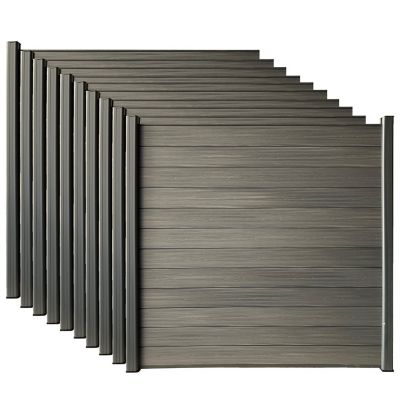
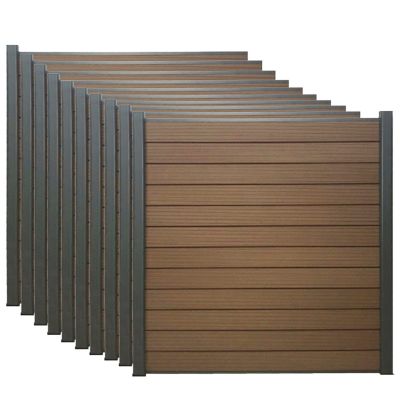
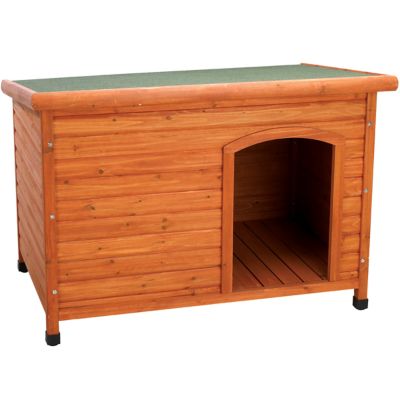
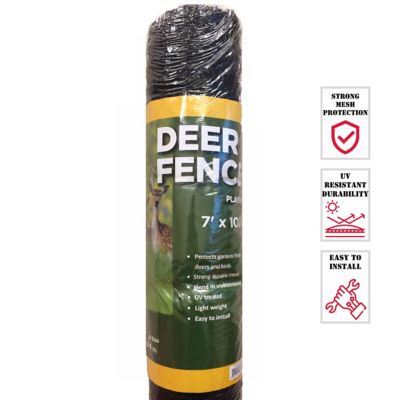
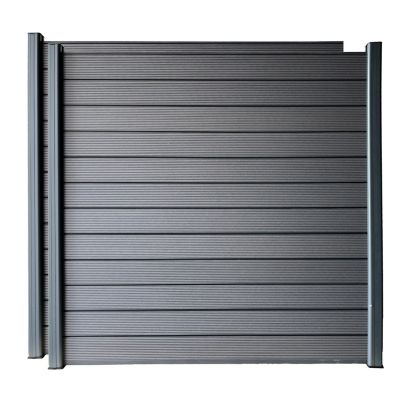
Tongue and groove fence boards are a dependable choice when you want a sturdy privacy fence with a neat, finished look. Each board has a raised edge, called the tongue, that fits into the matching channel, or groove, on the next board. Once joined, the boards form a close-fitting surface that leaves little to no open space between pickets. That makes them useful for blocking views into a backyard, keeping pets and children safely contained, and creating a quieter, more settled space around a home, garden, livestock area or outdoor work area. The interlocking design can also help reduce drafts through the fence, making a solid barrier useful as a windbreak around patios, porches and outbuildings. Depending on the material and finish, tongue and groove fencing can bring a warm, natural appearance or a clean, modern style to the property. Wood remains a popular choice for its grain, color and familiar country character, while composite and PVC-style materials may appeal to property owners looking for less upkeep and improved resistance to moisture, insects, warping or rot. When comparing boards, pay attention to the overall dimensions, usable coverage, thickness, material, finish and intended installation direction. A board’s listed width may include the tongue, so the actual coverage can be slightly less once the boards are fitted together. It also helps to measure the fence line carefully, account for gates and corners, and plan for posts, rails, fasteners, trim and any protective finish needed for the selected material. For a broader look at related outdoor building materials, browse
Decking Fence Panels as part of your project planning.
These boards can be installed vertically for a traditional privacy fence or arranged horizontally for a more contemporary look. Vertical installation is a common fit for side yards, backyards and boundary lines, especially where a tall, solid barrier is needed. Horizontal layouts can add a long, low profile that works well around entertaining areas, garden beds and updated outdoor spaces, though they may require careful post spacing and a properly supported frame. In a vertical installation, position the tongue toward the top so rain can run down the face instead of collecting in the groove. Start with sound, straight posts set to the correct depth and spacing, then install level rails and check each board as you go. A channeled trim piece or similar starting detail may be needed when beginning a horizontal run, giving the first board a secure seat and helping keep the rest of the row aligned. Leave the amount of clearance recommended for the material near the ground, since soil, standing water and snow can shorten the life of even well-built fencing. Allowing room for gates to swing, equipment to pass and the fence to follow the natural grade will save trouble later. On sloped ground, a stepped layout or carefully planned gradual rise may look cleaner than forcing every board to follow one sharp angle. Use fasteners suited to the fence material and local weather, and avoid driving them so tightly that boards cannot respond naturally to seasonal moisture changes. Wood boards may expand and contract as conditions shift, while manufactured materials still need room and proper support to perform as intended. A fresh coat of exterior stain or sealer can help many wood fences hold their color and stand up to sun and rain; follow the material maker’s care recommendations rather than treating every board the same. During the cooler months, inspect for loose fasteners, damaged ends, leaning posts and leaves or soil collecting along the bottom edge. A little maintenance, such as clearing debris and touching up exposed areas, can help keep the fence looking good as weather moves from wet and cold conditions into warmer days.
Tongue and groove fence boards are a practical project choice for homeowners, small-acreage property owners, gardeners, kennel builders, contractors and do-it-yourselfers who want a solid fence without the open gaps found between ordinary pickets. They can define a private sitting area beside the house, hide bins and equipment near a barn, shield a garden from curious animals, or give a run, pen or utility yard a more finished boundary. Because the boards fit together closely, they are also handy where a clean appearance matters on both sides of the fence, such as between neighboring properties or around a front-facing yard. Before buying, think about the job the fence needs to do. A privacy fence may call for taller boards and stronger framing, while a decorative divider may use shorter sections and a lighter support system. Consider sun exposure, rainfall, humidity, freeze-and-thaw conditions, soil type and the amount of time you want to spend on upkeep. Natural wood can be selected for its rustic grain and can be stained to suit the house, shop or barn, but it benefits from regular inspection and finish maintenance. Composite or PVC options may be a good fit for busy households that prefer to spend less time sanding, staining and replacing weathered boards. If these materials are being purchased as a practical housewarming gift, they can be especially useful for someone settling into a new home, adding a dog yard, improving a homestead or tackling a long-planned outdoor project. Even when the boards are part of a larger build, matching the material and color to existing gates, siding, decking and landscaping will help the finished fence look like it belongs there. Take your time with the layout, keep the first course level, and make sure each tongue is fully seated in the adjoining groove. That careful start is what gives the completed fence its tight lines, dependable privacy and solid, well-built feel.