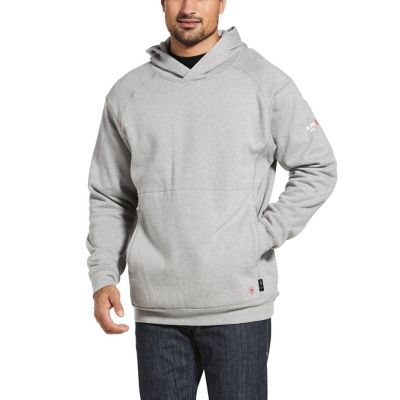
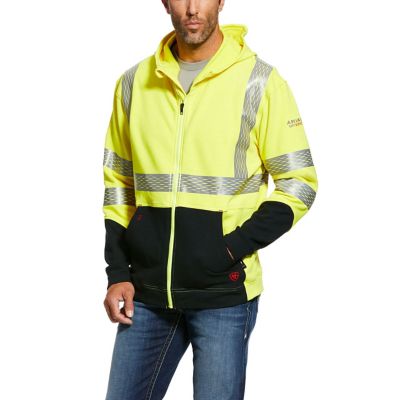
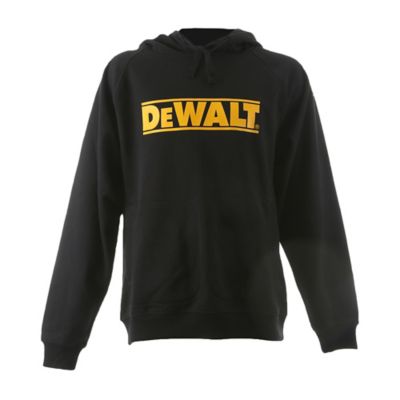
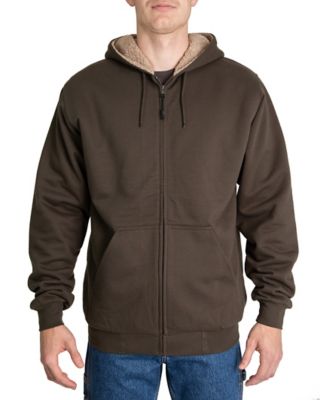
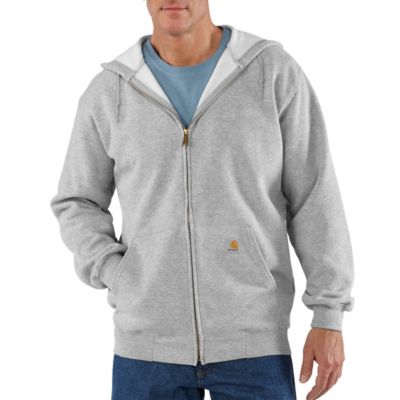
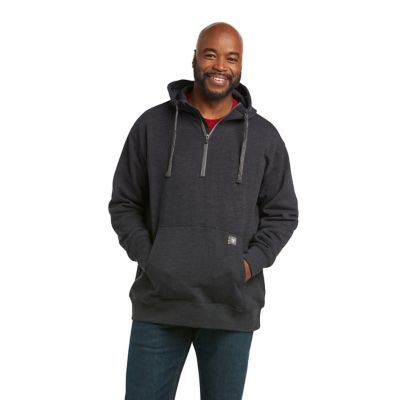
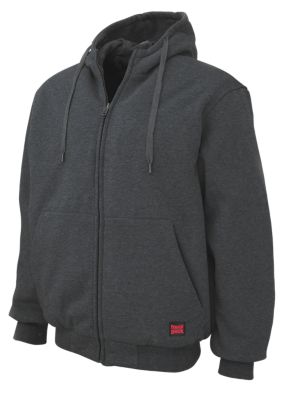
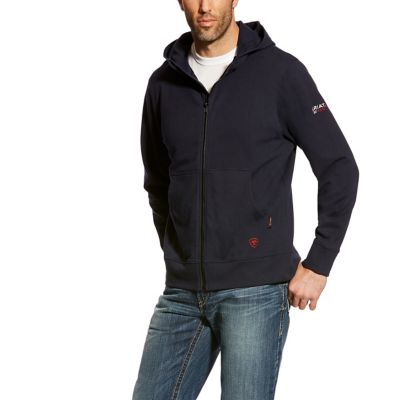
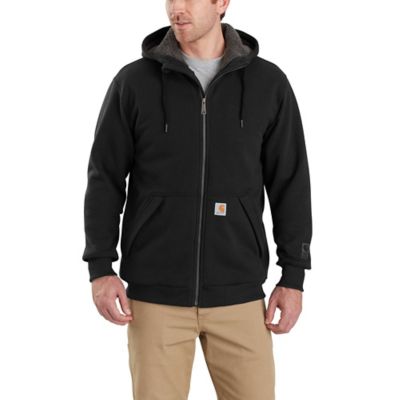
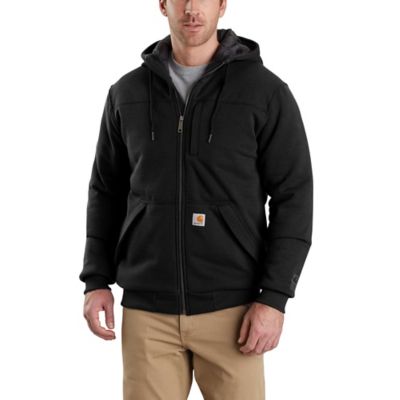
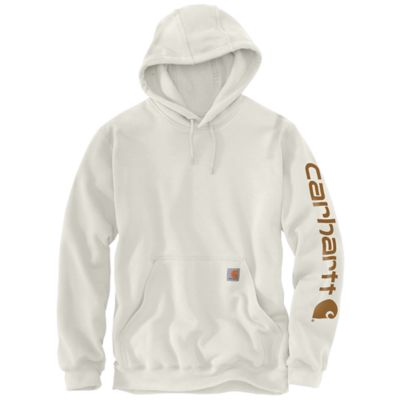
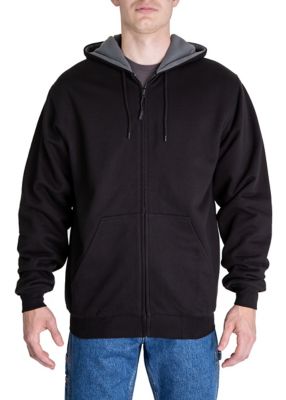
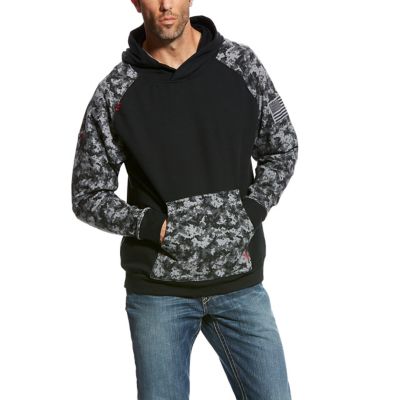
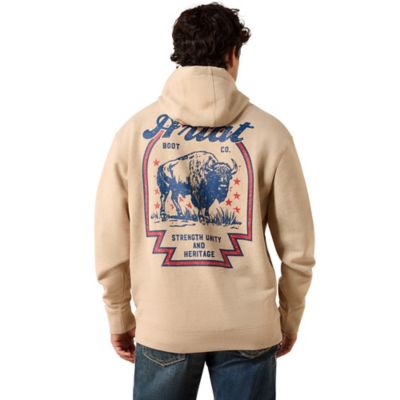
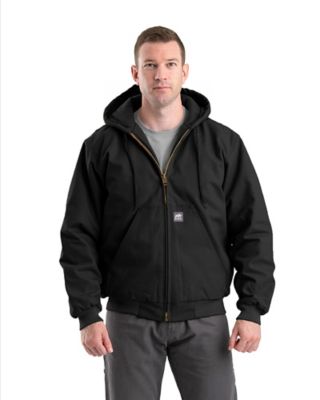
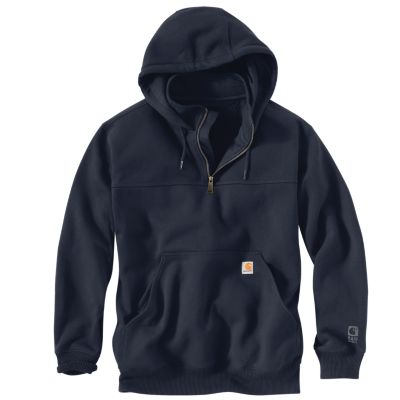
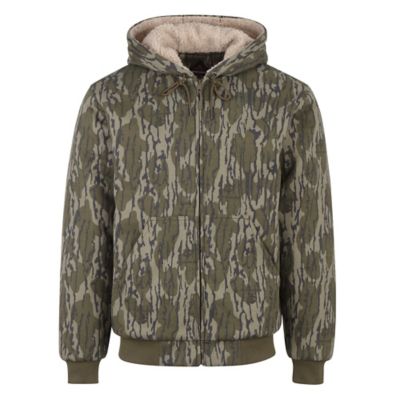
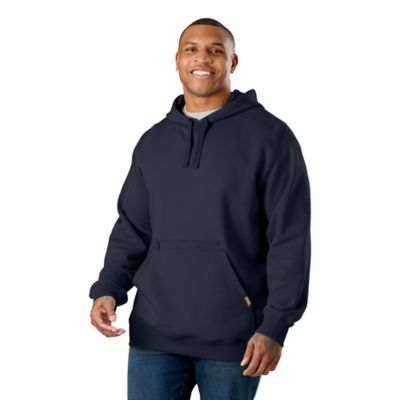
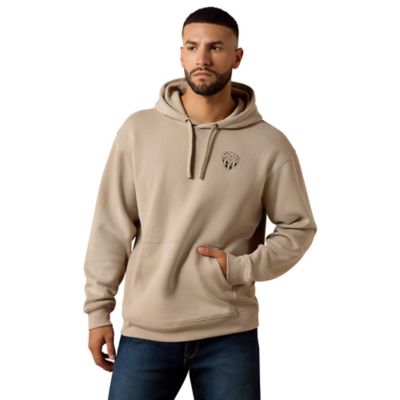
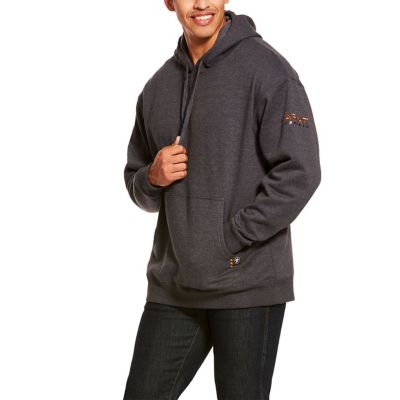
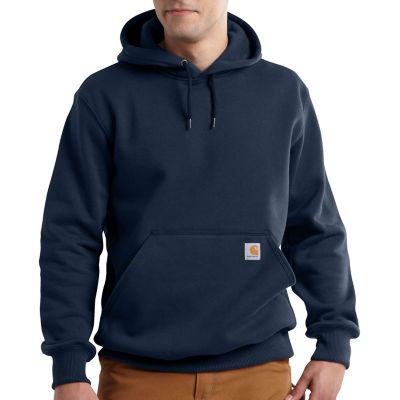
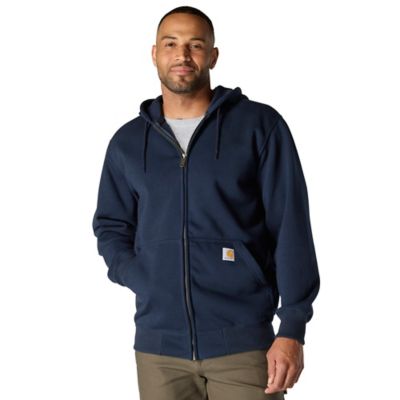
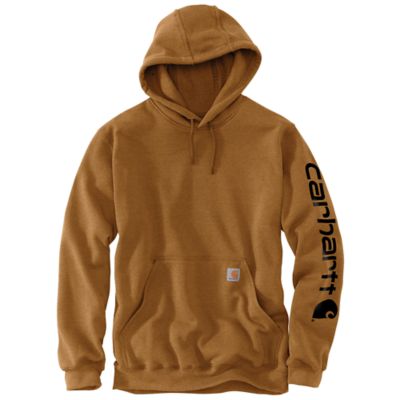
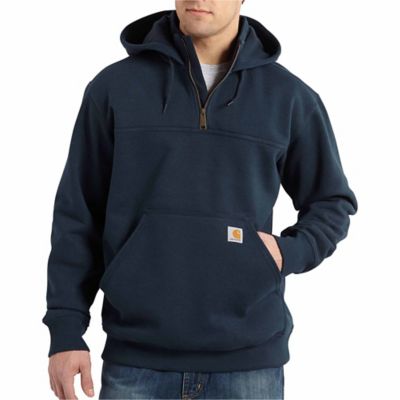
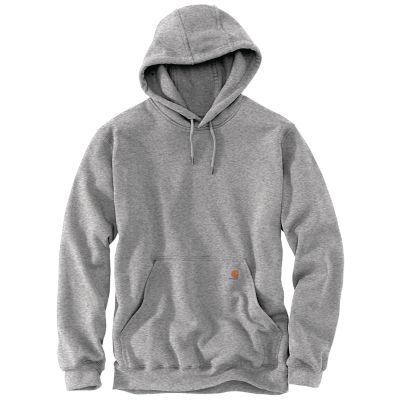
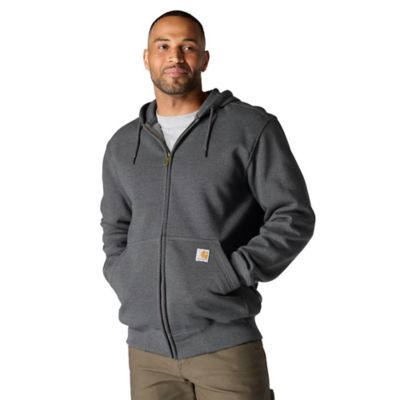
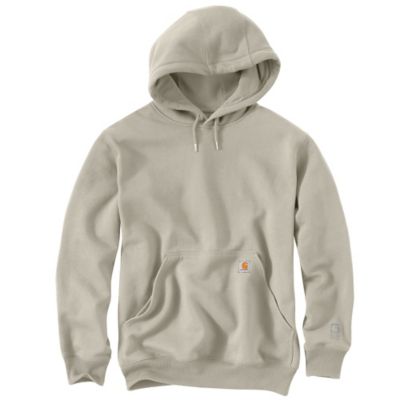
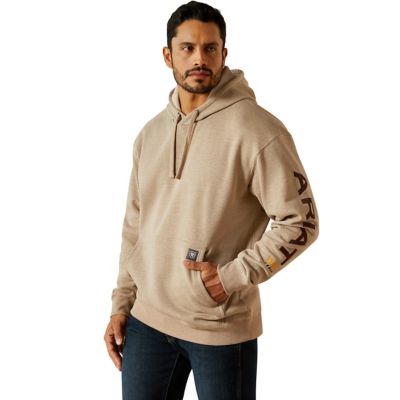
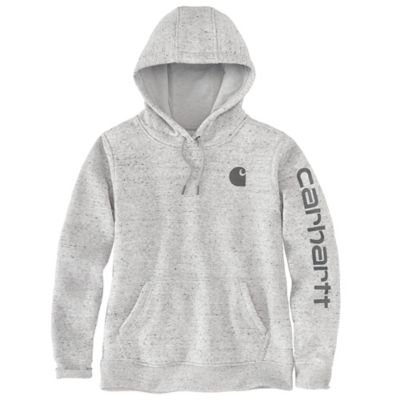
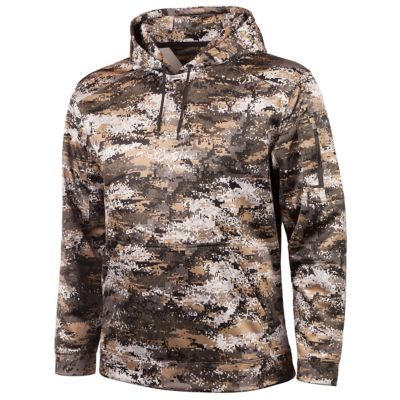
Hoodies for tall men offer extra body length and longer sleeves without requiring a wider fit just to get enough coverage. That distinction matters when a standard sweatshirt fits through the chest but pulls above the belt every time its wearer reaches for a shelf or climbs into a pickup. Tall sizing generally adds length through the torso and arms, while big-and-tall sizing may also provide more room through the chest, shoulders, and waist. The two are not interchangeable, and sizing can vary between makers. A tall, lean build may need a different cut than a broad-shouldered build at the same height. Chest measurements, sleeve measurements, and garment length tell more of the story than a size letter alone. When a size chart lists body measurements, those numbers describe the wearer; garment measurements describe the clothing itself. Comparing a listed length with a well-fitting sweatshirt laid flat can help make that difference clearer. A comfortable tall hoodie should let the shoulders settle naturally, leave room across the back, and keep the cuffs near the wrists when the arms reach forward. The hem should provide coverage while sitting, bending, or lifting without hanging so low that it bunches in a chair. More length is helpful, but excess fabric can get in the way just as easily as a short cut. Sleeve shape matters, too: a roomy upper arm supports movement, while a well-fitting cuff keeps the sleeve from sliding over the hand. A relaxed fit makes sense over a work shirt, whereas a closer cut can sit more neatly beneath a jacket. Neither should require tugging at the hem throughout the day. For men who spend time handling chores, driving long stretches, or heading into town after work, the appeal is straightforward: a hoodie that fits their frame and stays comfortable through ordinary movement.
Fabric and construction shape how a tall men’s hoodie feels from the first wear through repeated laundry cycles. Cotton brings a familiar softness and an easy feel against the skin, while polyester can help fabric hold its shape and dry more readily after washing. Cotton-polyester blends balance those traits, though the actual feel depends on the knit, fabric weight, and finishing as much as the fiber percentages. A little elastane can add give, especially around the shoulders and elbows, but stretch alone does not make up for sleeves or a body that are too short. Brushed fleece has a soft inner surface, while French terry has small loops on the inside and often feels less plush. Neither fabric name tells the whole story about thickness, so fabric-weight details can be useful when comparing everyday sweatshirts with heavier options. Pullovers have an uninterrupted front and often a roomy pouch pocket; full-zip hoodies open easily and offer more flexibility when layering over a collared shirt or tee. Pocket placement deserves a look on a longer torso. Openings should sit where hands naturally rest, rather than so high that the elbows stay bent awkwardly. Carrying a heavy phone or a set of keys in a front pocket can pull on the fabric, making sound stitching around the openings especially helpful. Ribbed cuffs and hems should have enough recovery to keep their shape without feeling tight. Flat, tidy seams are less likely to rub beneath another layer, and reinforced stress points can help a garment stand up to repeated pulling and movement. Hood depth is another separate fit detail: a longer body does not necessarily mean a roomier hood. Around tools and equipment, loose drawcords and hanging fabric can create snag hazards, so clothing choice needs to suit the task. A hoodie is everyday clothing, not a replacement for required protective gear.
Keeping that longer fit through washing is just as important as finding it in the first place. Cotton-containing hoodies may shrink, particularly with higher wash or dryer heat, and even a small change can be noticeable at the wrists or waist on a tall frame. Fiber content and any preshrinking information help set expectations, but the garment’s care label remains the best reference. Washing with similar colors, turning the hoodie inside out, and avoiding unnecessary dryer heat can help limit fading and surface wear when those methods match the label. A sweatshirt should be fully dry before being folded away, and a heavy knit is often better stored folded than left stretching from a narrow hanger. Pilling does not always mean a hoodie is worn out; friction from seat belts, jacket linings, and repeated arm movement can bring loose fibers to the surface. Gentle care helps preserve the fabric’s feel, while occasional attention to loose threads or a struggling zipper can keep small problems from growing. For everyday wear, it also helps to think about what the hoodie will share space with: work pants and boots for chores, jeans for a meal in town, or comfortable pants for a quiet evening at home. Fit matters just as much as softness when shopping for
Comfortable Hoodies for Men, particularly for someone whose sleeves usually come up short. A tall hoodie can also make a thoughtful gift for a husband, dad, brother, or friend who regularly struggles with standard sizing. Knowing his preferred cut and checking the size label on a sweatshirt he likes is more useful than guessing from height alone. The strongest choice is not simply the longest option; it is the one with the right balance of reach, room, fabric feel, and easy care for the way he spends his day.