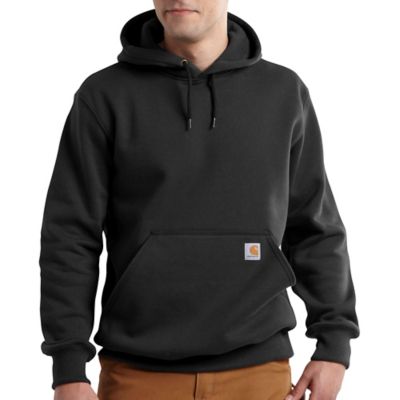
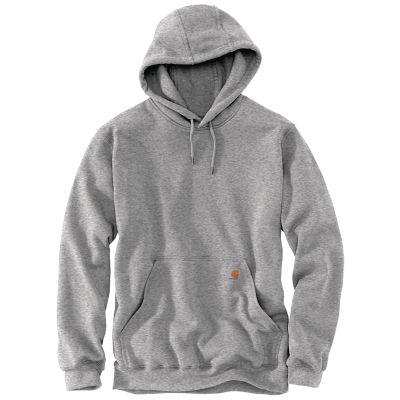
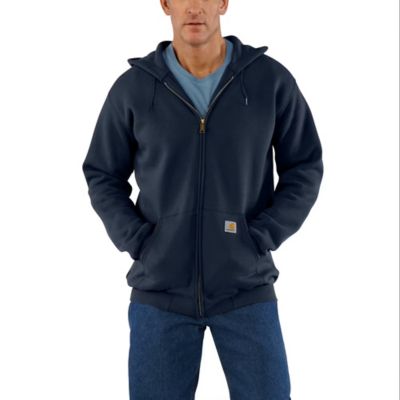
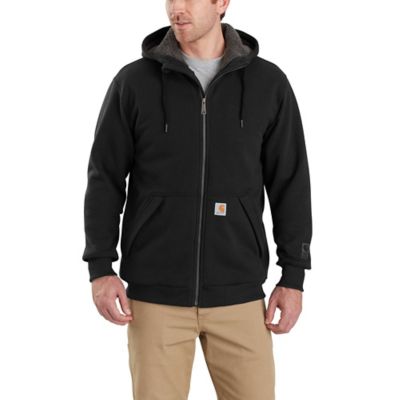
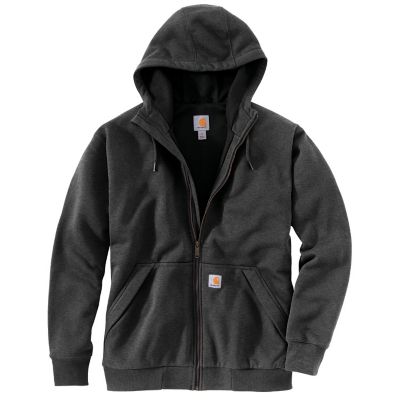
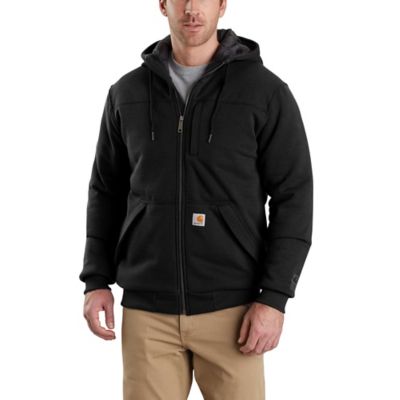
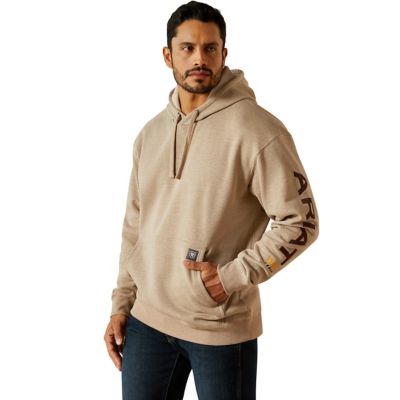
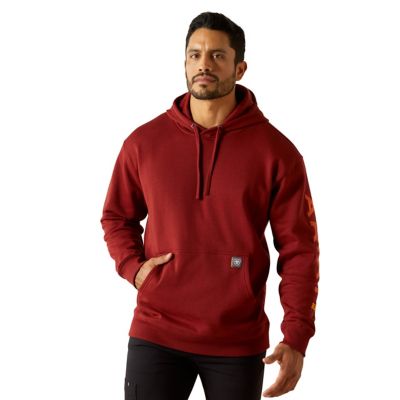
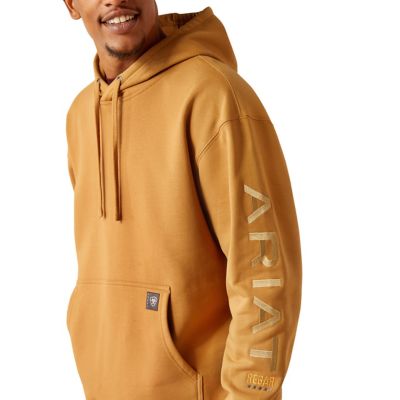
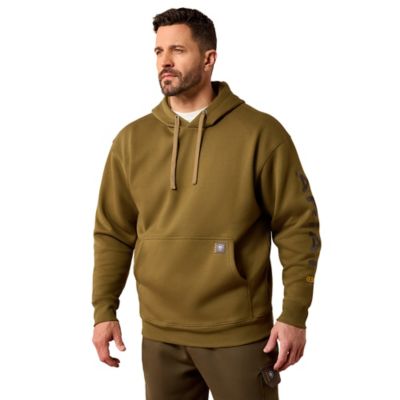
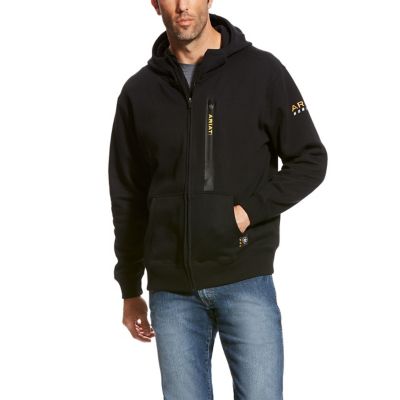
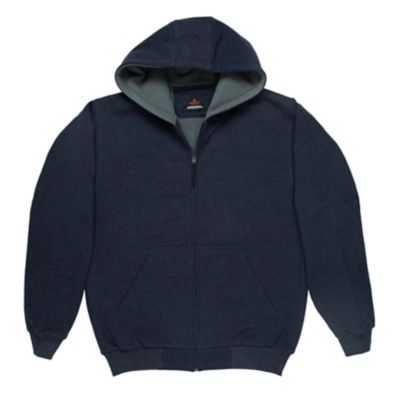
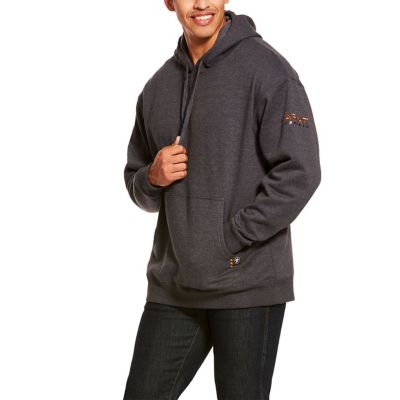
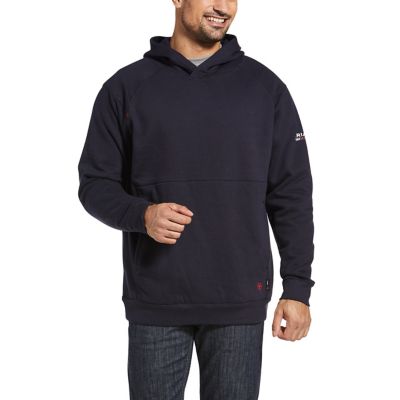
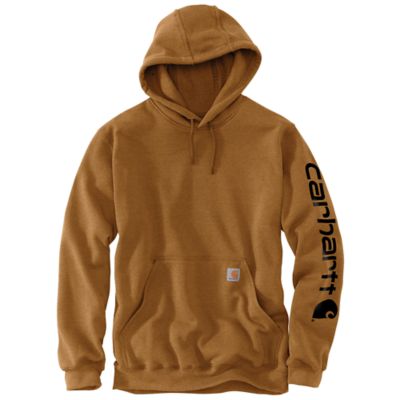
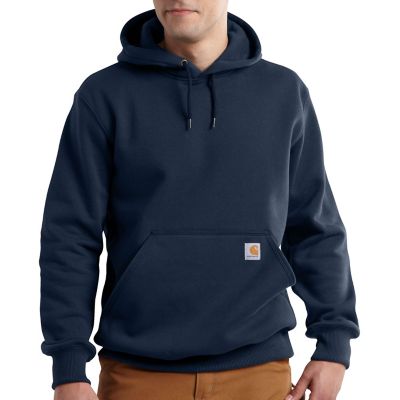
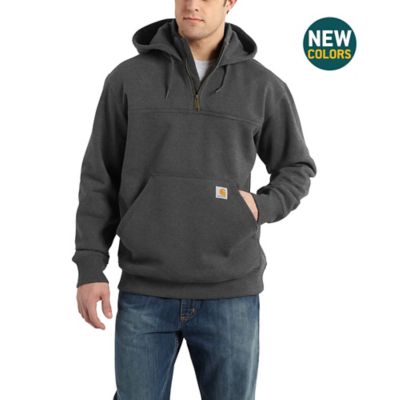
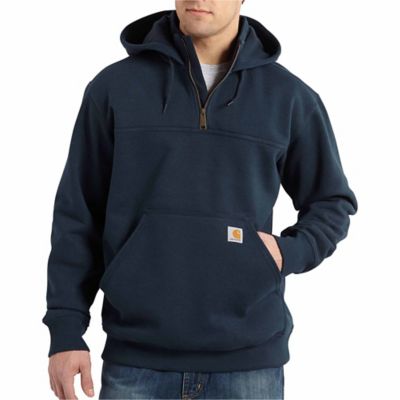
Comfortable hoodies for men bring together a soft feel, room to move, and familiar details that make an everyday sweatshirt easy to reach for. The biggest differences come down to fabric, weight, fit, and whether the front pulls over or zips open. Cotton-rich fleece often has a smooth outer face and a brushed interior that feels soft against a T-shirt, while cotton-polyester blends combine that familiar cotton feel with fibers that can help the garment hold its shape and dry faster after washing. French terry has small loops on the inside rather than a brushed surface, giving it a less fuzzy feel that works well for everyday wear and layering. Ring-spun cotton can feel smoother because of the way the yarn is made, though the finished knit and fabric treatment also affect softness. Neither a thick fabric nor a loose cut automatically makes a hoodie more comfortable. A lighter sweatshirt can feel easygoing while carrying groceries or heading into town, while a heavier knit offers a substantial feel for settling into a chair after chores. Some men prefer a close, smooth fabric surface; others like the plush feel of fleece against their arms. Stretch from the knit itself, sometimes supported by a small amount of elastane, can make reaching and bending feel less restricted. Breathability depends on the whole fabric construction, not just the fiber listed on the tag. A densely knit cotton hoodie can feel quite different from a lighter cotton blend. For days that move between feeding animals, driving the truck, and taking a break on the porch, comfort comes from fabric that feels pleasant through all that sitting, walking, and reaching. The right hoodie feels familiar without needing constant tugging at the hem or adjusting around the neck, and it has enough structure to stay comfortable beyond the first wear.
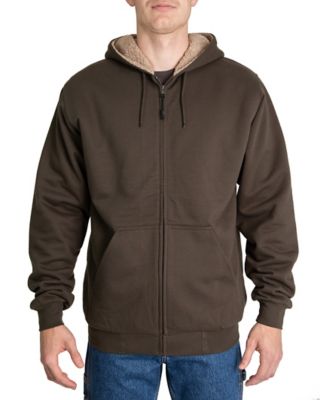
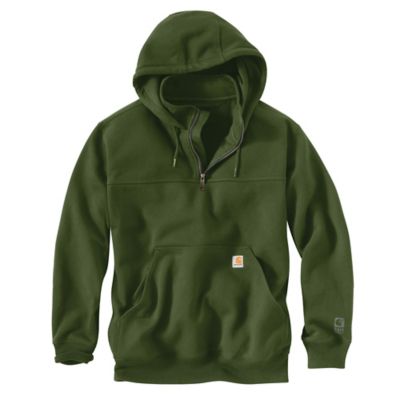
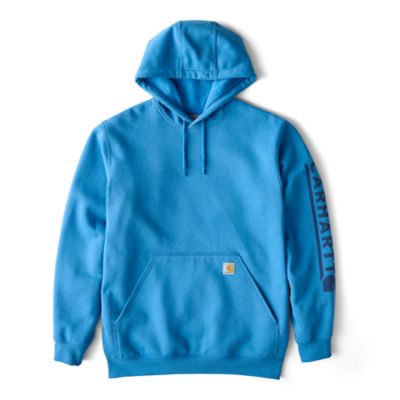
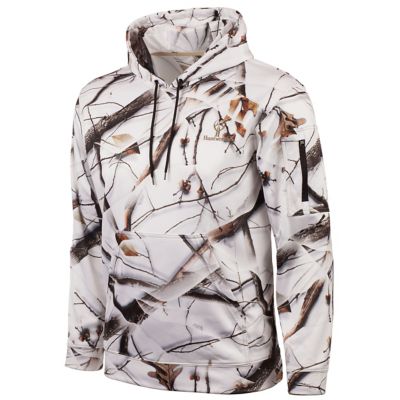
Fit and construction give men’s hooded sweatshirts much of their everyday appeal. A pullover has an uninterrupted front and often a roomy pouch pocket, making it a straightforward choice for relaxed wear. A full-zip hoodie opens completely, slips on without pulling over the head, and allows more flexibility when worn over another shirt. The same practical details matter across
Mens Hooded Sweatshirts: shoulder room, sleeve length, pocket placement, and a hood that sits comfortably whether it is up or resting behind the neck. A regular fit generally follows the body without feeling close, while a relaxed or oversized fit leaves more space through the chest and middle. Those descriptions vary by maker, so garment measurements and size charts give a clearer picture than the size letter alone. Room across the upper back matters when reaching for a feed scoop or lifting a box onto a shelf. Sleeves should allow the elbows to bend without pulling sharply across the shoulders, and cuffs should sit comfortably at the wrist rather than slide over the hands. A longer body can offer coverage when bending, while a shorter hem may feel less bunched when sitting in a truck seat. Extra room works best when it is intentional; going several sizes larger can leave pockets too low and sleeves too long. A lined hood has a more substantial feel, though an especially heavy hood may pull backward at the neckline. Ribbed cuffs and hems help keep the sweatshirt in place, while a smooth zipper and a fabric guard near the chin can make a zip-front style more pleasant to wear. Pouch pockets provide a place to rest hands, but phones and keys can swing around in them during active chores. Secure pockets suit small essentials better when bending and moving. Around moving machinery, loose sleeves and drawcords need particular attention, and everyday sweatshirts are no substitute for the protective clothing a job requires.
A hoodie that stays comfortable over time depends on more than its first soft touch. Even stitching, firmly attached pockets, and ribbing that springs back after a gentle stretch all contribute to how well a sweatshirt handles regular wear. Seams around the shoulders, underarms, and pocket openings take repeated strain as arms reach, elbows bend, and hands go in and out of pockets. A tidy seam that lies flat is also less likely to rub beneath a vest or jacket. Fabric weight alone does not tell the whole story: a well-constructed lighter knit can hold up well, while a thicker fabric still needs sound stitching and sensible care. The care label sets the rules for washing and drying, especially when a sweatshirt combines different fibers or has a printed design. Turning it inside out and washing it alongside similar fabrics can limit surface friction. Separating it from hook-and-loop fasteners and rough hardware helps prevent snags. Excessive dryer heat can contribute to shrinkage and put stress on elastic fibers, while damp storage can leave fabric smelling stale. Preshrunk cotton may still change size after laundering, so that label does not guarantee a completely unchanged fit. Giving a hoodie space to dry fully and folding it once dry helps keep it ready for the next wear. Color and finish matter for daily life, too. Darker shades may make some marks less noticeable, but pale dust and animal hair can stand out against them; lighter shades present a different trade-off. For a gift, a familiar fit and an easy-care fabric often matter more than a bold design. A dad who keeps a sweatshirt by the back door, a brother who spends his downtime in the garage, or a friend who favors simple everyday clothes may each appreciate a different weight or cut. Comfortable men’s hoodies earn their place through those small, practical details: sleeves that stay put, fabric that feels good, and a fit that suits both getting things done and taking a well-earned break.