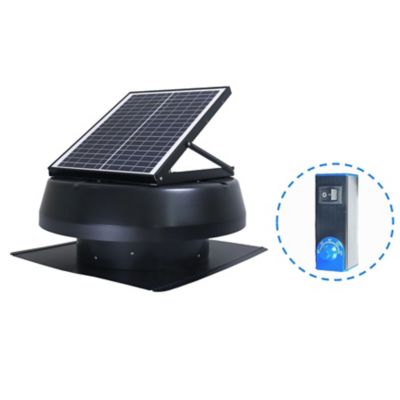
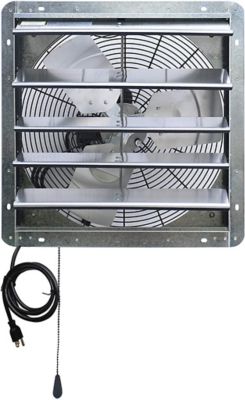
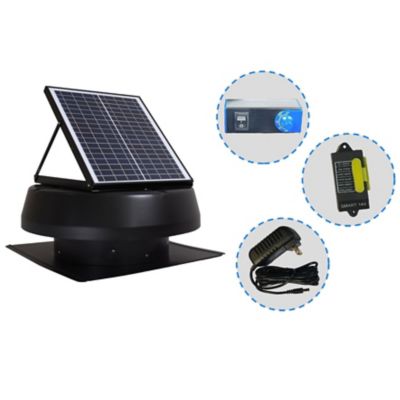
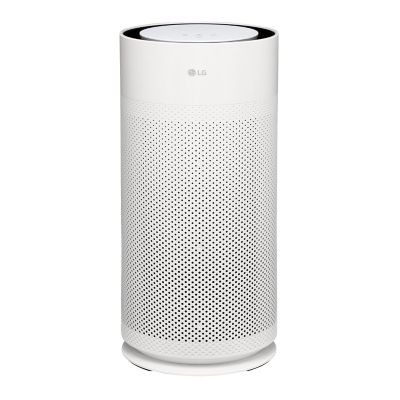
Home ventilation systems exchange stale indoor air with outdoor air to help manage moisture, odors and airborne pollutants. They serve a different purpose from fans that simply move air around a room: ventilation creates a path for air to enter or leave the house. That matters in everyday spaces where showers, cooking, laundry and regular household activity put moisture and odors into the air. A bathroom mirror that stays fogged long after a shower or cooking smells that linger down the hallway can point to a need for better airflow, though leaks and other moisture sources also deserve attention. Ventilation equipment ranges from room exhaust fans to whole-house systems that coordinate air movement across several living spaces. Exhaust ventilation pulls indoor air out, with replacement air entering through planned inlets or openings in the building. Supply ventilation brings outdoor air inside, while balanced ventilation provides both incoming and outgoing airflow. Each approach has different requirements for ductwork, controls and the way the house handles air pressure. Local exhaust captures moisture or pollutants near their source, such as in a bathroom or above a cooking surface, before they spread farther through the home. Whole-house ventilation supports ongoing air exchange beyond those individual rooms. The two approaches can work together rather than replace one another. A household with frequent showers, a busy kitchen and an enclosed laundry area may have different ventilation needs than a smaller household with lighter daily activity. Homeowners planning a remodel, improving an older house or finishing additional living space also have good reason to consider how fresh air reaches occupied rooms. Air sealing can reduce uncontrolled drafts, but a tighter house still needs intentional ventilation. The goal is a planned route for outdoor air and a clear route for stale air to leave, not simply a stronger fan running somewhere out of sight.
Fit involves more than whether a fan housing slides into an opening. Room size, the number of occupants, the purpose of the space and applicable building requirements all help determine the airflow a system needs. Airflow ratings commonly appear in cubic feet per minute, or CFM, but a rating alone does not describe performance after installation. Long duct runs, tight elbows, restrictive fittings and undersized ductwork can all limit how much air actually moves. Matching duct diameter and equipment connections helps the system perform as intended, while accessible mounting points and service panels make future maintenance less of a chore. In an existing home, ceiling depth, joist spacing, wall construction and the route to an exterior termination can shape which equipment fits the job. Sound deserves a close look, too, especially near bedrooms or in a bathroom beside the kitchen. Where provided, a lower sone rating generally indicates quieter operation under the stated test conditions. Housing materials, corrosion resistance and motor design matter in areas with regular moisture exposure. Metal ductwork can provide a smooth airflow path, while flexible connections may have a place where the equipment instructions and local requirements allow them. Duct insulation and sealing requirements depend on the installation location and system design. Bathroom and kitchen exhaust should discharge outdoors through an appropriate termination, not empty into an attic or crawl space where moisture can collect. Exterior caps and dampers also need to suit the application without creating unnecessary airflow restrictions. Maintenance access is worth considering before equipment goes behind a ceiling or into a tight utility space. Grilles, fan blades, filters and intake openings can collect lint and dust that interfere with airflow. Removable covers and reachable filters make routine care easier, especially in a home where laundry runs often or pets contribute hair and dander. Cleaning methods and replacement intervals vary by equipment, and washable filters should only be washed when the manufacturer permits it. Power should be disconnected before cleaning or servicing electrical components.
Controls help ventilation match the way a household actually lives. Timers can keep bathroom exhaust running after a shower without leaving it on indefinitely, while humidity-sensing controls respond to moisture near the sensor. Whole-house controls may provide scheduled operation, continuous low airflow or a temporary boost for periods of heavier activity. Clear settings make those features easier for everyone in the house to manage. Energy recovery ventilators and heat recovery ventilators add another consideration: both transfer heat between separate outgoing and incoming air streams to reduce some of the conditioning load associated with ventilation. Energy recovery models also transfer some moisture, while heat recovery models primarily transfer heat. Neither type takes the place of fixing a water leak, correcting drainage trouble or addressing a persistent moisture source. Ventilation works alongside
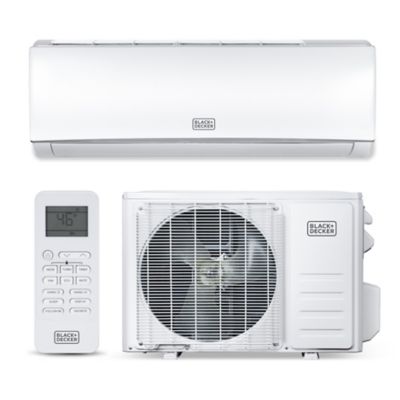
Home HVAC Systems, but heating, cooling, filtration and outdoor air exchange are separate functions that need to work together. A recirculating system may filter indoor air without bringing in outdoor air, and an air cleaner does not replace ventilation or source control. Outdoor air conditions matter as well; smoke, dust and other pollutants can affect when and how outdoor air should enter, along with the filtration appropriate for the system. Strong exhaust equipment can also affect pressure inside the house, particularly around fuel-burning appliances. Homes with fireplaces, wood stoves or other combustion equipment may need professional evaluation of makeup air and backdrafting risks before ventilation changes are made. Attached garages need separation from living spaces so vehicle exhaust and stored chemical fumes do not become a source of incoming household air. Ventilation is not a substitute for working carbon monoxide alarms or properly vented appliances. For a straightforward bathroom update or a whole-house project, the best fit comes down to suitable airflow, compatible connections, manageable sound and access for care. Those details help keep everyday air exchange working in the background while showers run, supper cooks and the household gets on with the day.