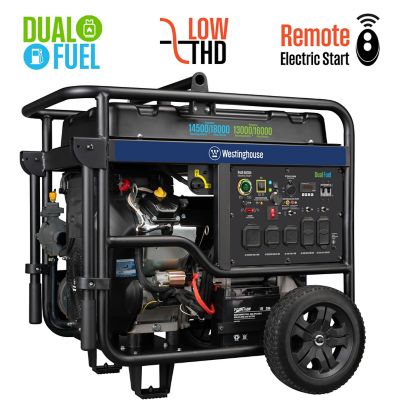
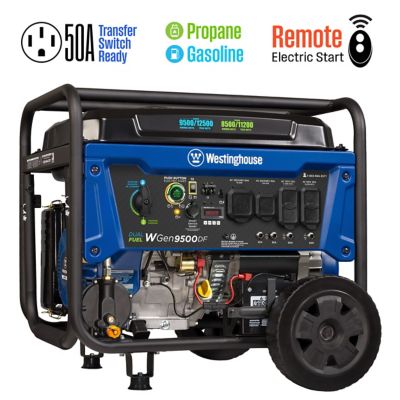
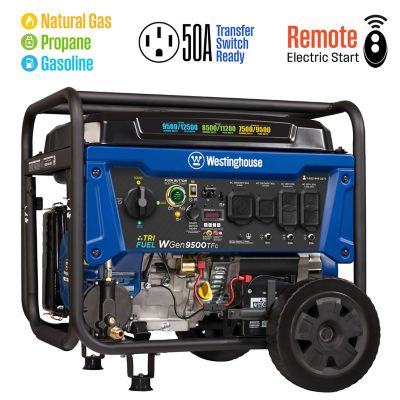
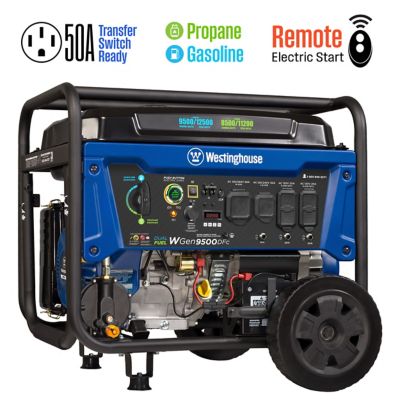
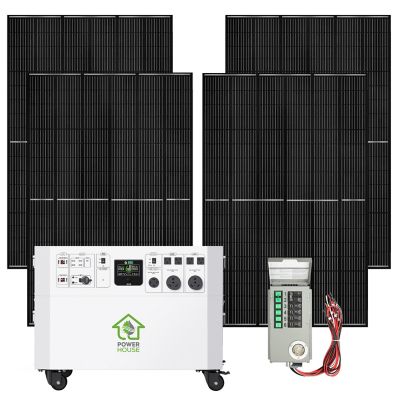
Generators for residential backup provide electricity when utility service stops, helping keep essential appliances and home systems running through an outage. The main choices include permanently installed home standby generators, portable fuel-powered generators and battery power stations, sometimes called solar generators when paired with solar panels. A home standby generator connects to a home’s electrical system through transfer equipment and typically starts automatically after an outage is detected. These systems commonly run on natural gas or liquid propane and require professional installation, including electrical connections, fuel connections and any required permits. Portable generators offer a movable alternative, with manual setup and connections that depend on whether the generator supplies individual appliances or selected household circuits. Gasoline, propane and natural gas compatibility varies by generator, so the fuel source matters as much as the power rating. Battery power stations store electricity rather than generate it by burning fuel; they can support compatible household devices, but their output limits, stored energy and recharging options determine how much backup they provide. For a place on well water, keeping the pump running may rank above powering the television. For another household, the main concern may be a refrigerator, a freezer full of meat, a few lights and an internet connection. Residential backup generators range from equipment intended for those essential loads to systems sized for broader household coverage. Whole-house backup is not simply a label for any large generator: the equipment must match the home’s electrical demand, including appliances that start together. Automatic operation can be especially helpful for households where nobody is home to set up equipment when the lights go out. Portable equipment can suit homeowners who want flexibility and have a safe operating location, a workable fuel plan and someone available to handle setup. The right fit comes down to what needs power, how it connects and how much hands-on attention the household can manage.
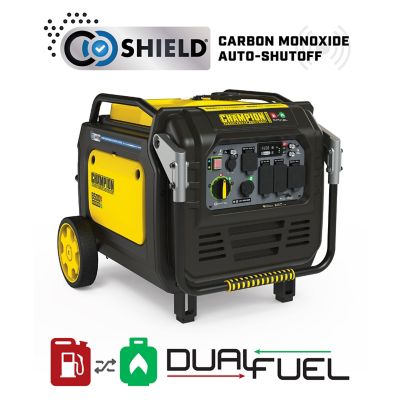
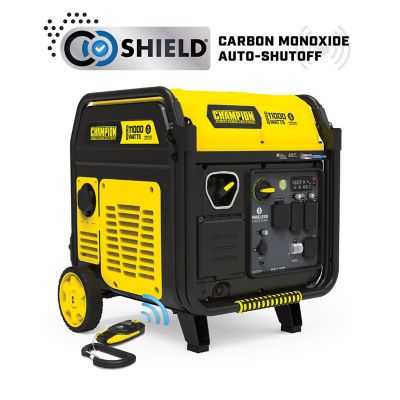
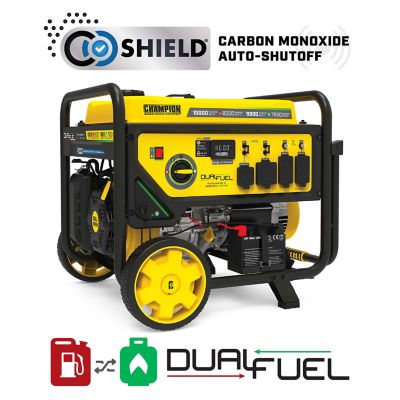
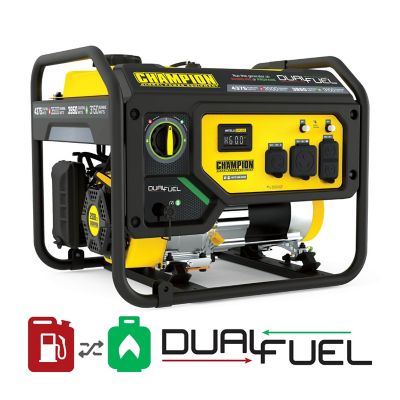
Generator capacity is commonly expressed in watts or kilowatts, with one kilowatt equal to 1,000 watts. Running watts describe the power a generator can supply continuously under its rated conditions, while starting or surge watts describe the additional short-term output available for equipment startup. Motors in refrigerators, well pumps, sump pumps and other household equipment can draw considerably more power as they start than they need once running. That distinction matters when a pump kicks on while the freezer and several other loads are already operating. Appliance nameplates and manufacturer specifications provide a better basis for matching equipment than room count or house size alone. Electric ranges, water heaters and central air conditioning can add substantial demand, and some setups benefit from load-management equipment that keeps selected appliances from operating at the same time. Households focused on movable backup equipment can explore
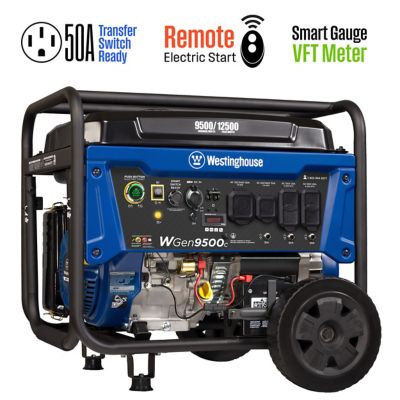
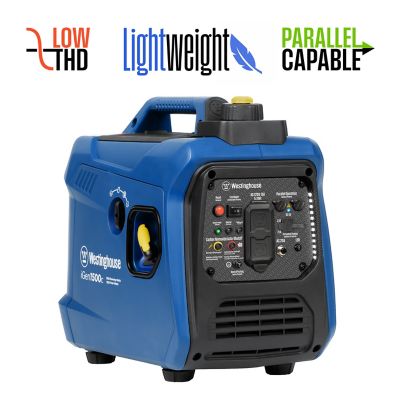
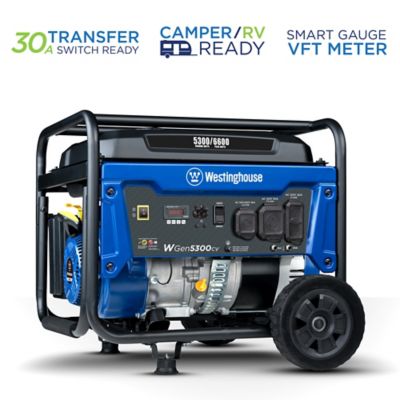
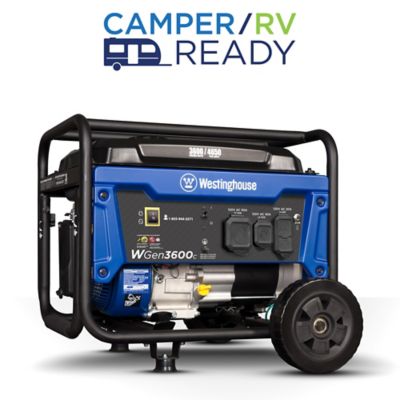
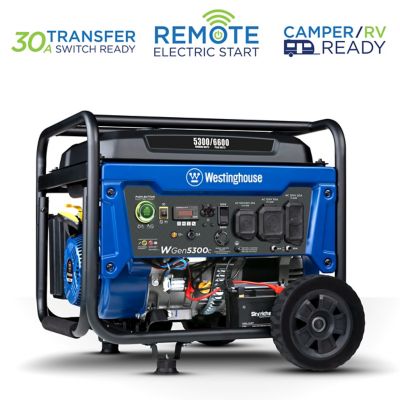
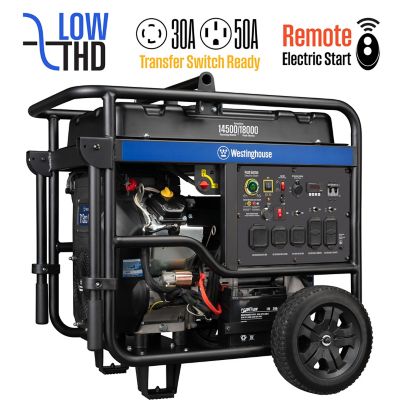
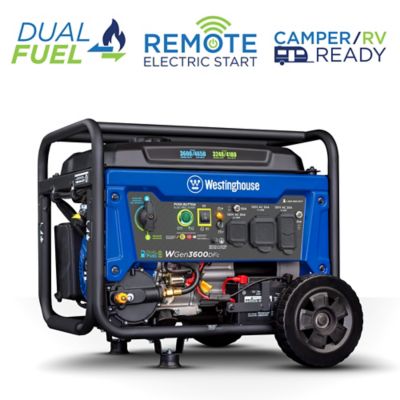
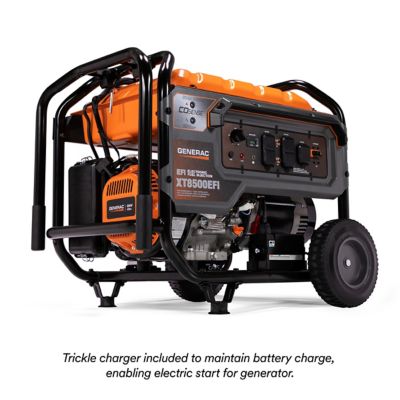
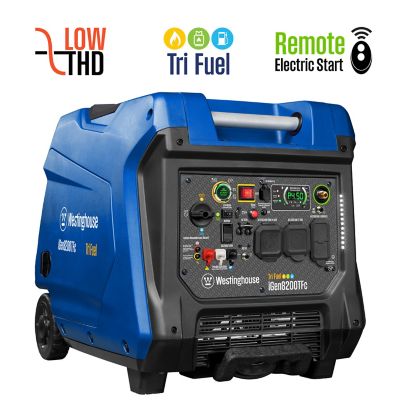
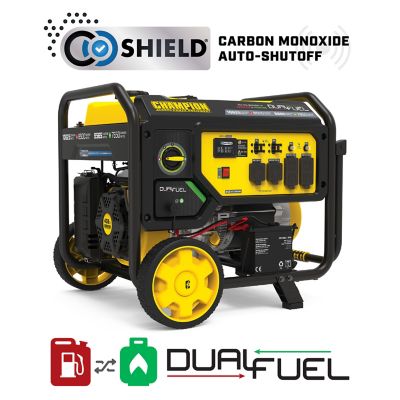
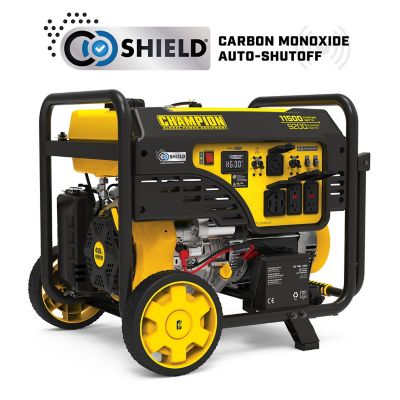
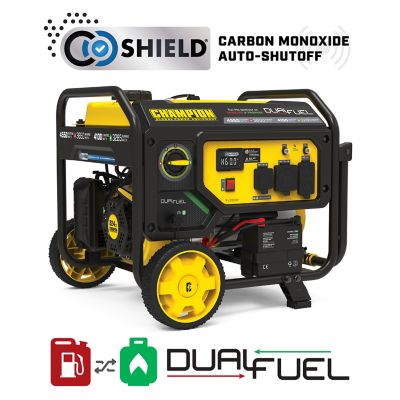
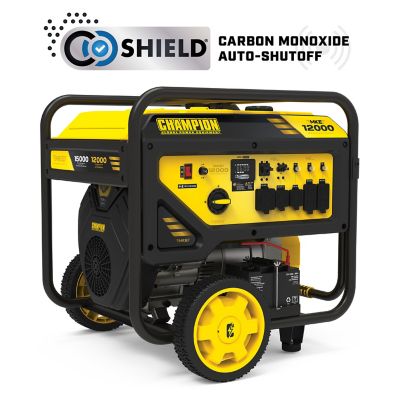
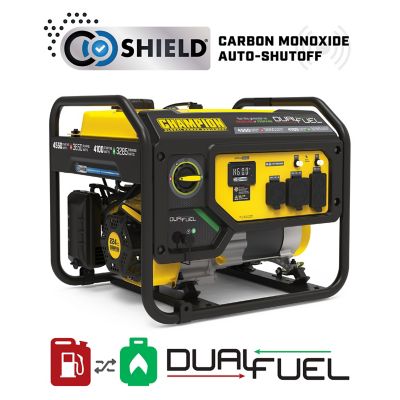
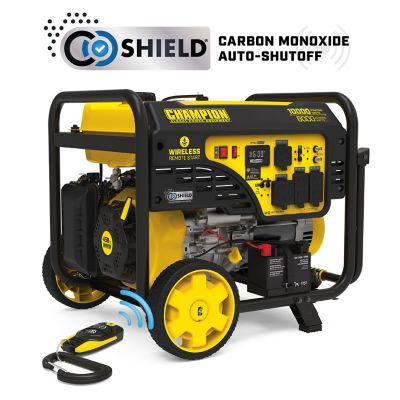
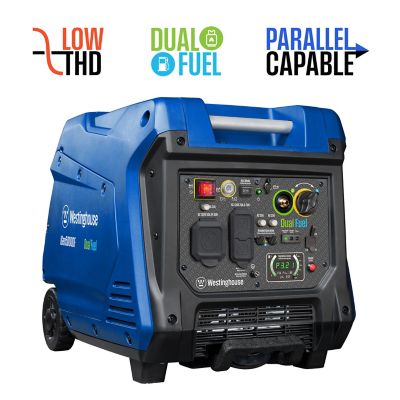
Portable Generators for Home Backup Power for options within that category. Alongside wattage, voltage and outlet configuration matter: a home with a 240-volt well pump needs a compatible power source and connection arrangement, not just enough total watts on paper. Inverter generators can offer controlled electrical output and quieter operation at lighter loads, though compatibility with computers and other sensitive electronics still depends on the equipment specifications. Runtime deserves a close look, too. Fuel-powered runtime figures depend on tank capacity, fuel type and the load applied, so comparisons make more sense when the stated load percentages match. Battery capacity is generally listed in watt-hours, which describes stored energy rather than the maximum appliance load the station can support. A high output rating does not necessarily mean a long operating time. Sound ratings also depend on operating load and measurement distance. Those details help distinguish equipment suited to a few essentials from a setup intended to carry more of the household’s normal routine without constant changes to what is plugged in.
Physical fit and upkeep matter after the electrical requirements are settled. Permanent standby generators need a suitable base, room for service access and placement that follows manufacturer requirements and local codes. Steel or aluminum enclosures with protective finishes help shield internal components, while finish condition and corrosion resistance deserve attention in the space where the equipment will sit. Portable generators often have steel frames, wheels and folding handles, but weight, balance and the path between storage and the operating location affect how manageable they are. A wheel kit that rolls easily across a driveway may take more effort over gravel or uneven ground. Safe operation is nonnegotiable: portable fuel-burning generators belong outdoors, at least 20 feet from the home, with exhaust directed away from doors, windows and vents. A garage, shed, porch or other enclosed or partly enclosed space is not a safe operating location, even with doors open. Working carbon monoxide alarms inside the home add an important layer of protection. Powering household circuits requires properly installed transfer equipment that prevents electricity from feeding back into utility lines; a generator must never connect to a household wall outlet. Generator-rated cords need the correct capacity, grounding configuration and connections for the intended load. Routine care varies by equipment, but engine oil checks, scheduled oil changes, air-filter service, battery checks and periodic operation help keep fuel-powered systems ready for an outage. Fuel storage and refueling must follow the equipment instructions and local requirements, and engines need to shut down and cool before refueling. Battery stations have their own charging, storage and inspection requirements. Clear access to service points and straightforward controls can make those tasks easier to keep up with. Whether the goal is protecting food, keeping water flowing or supporting a home office, residential backup equipment fits best when its power capacity, installation needs and upkeep match everyday life on the property.