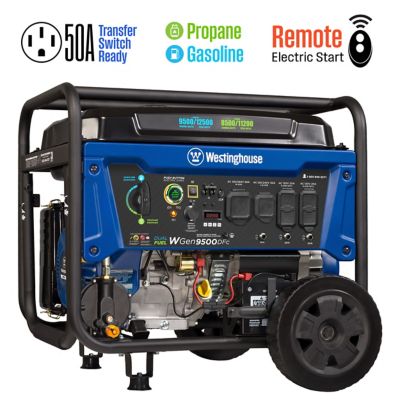
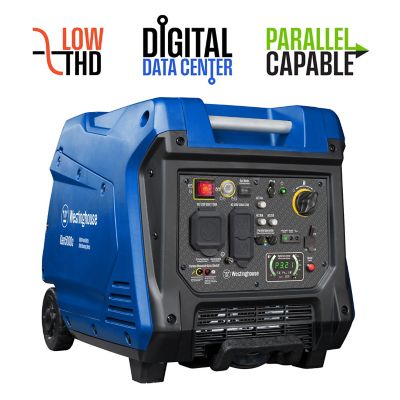
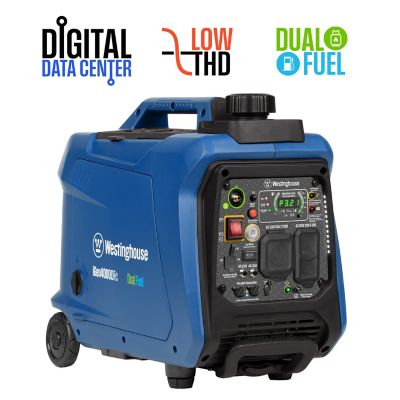
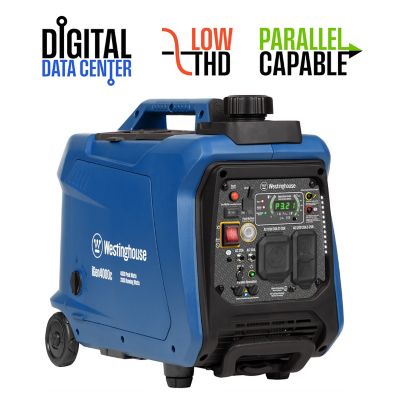
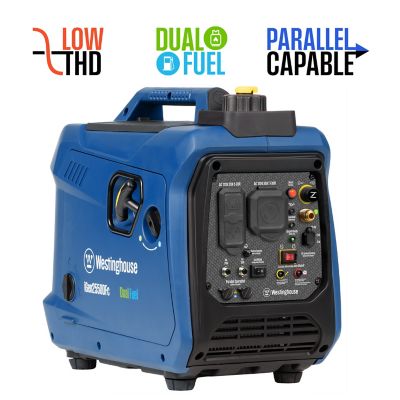
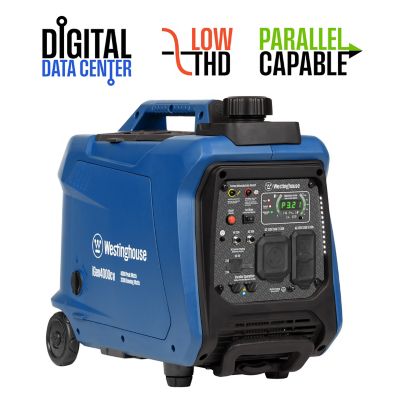
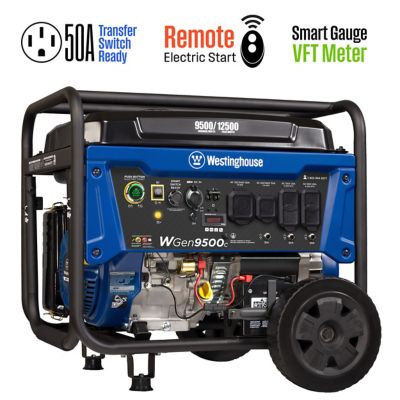
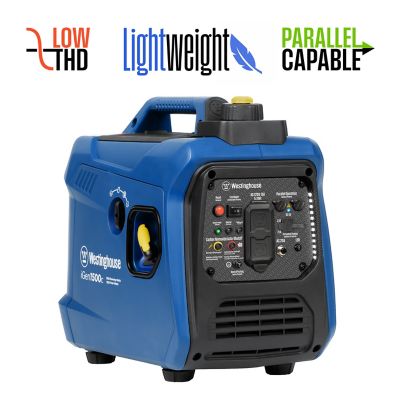
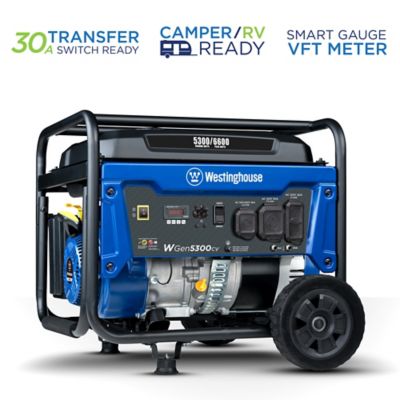
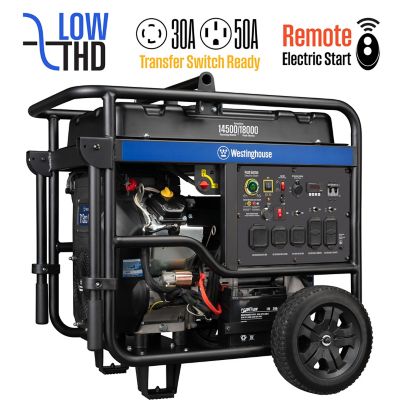
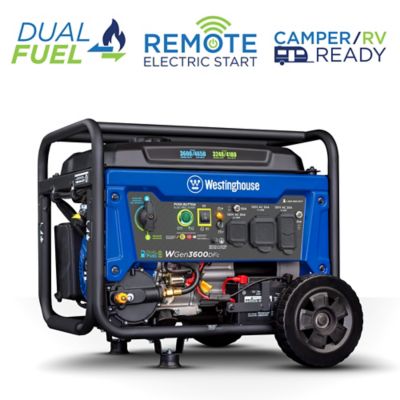
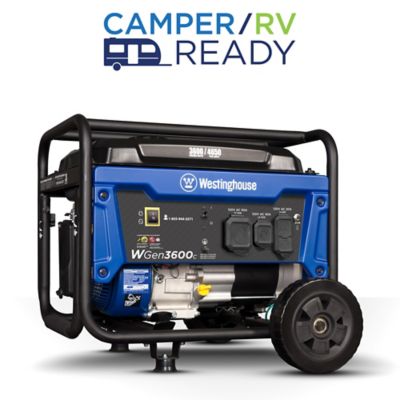
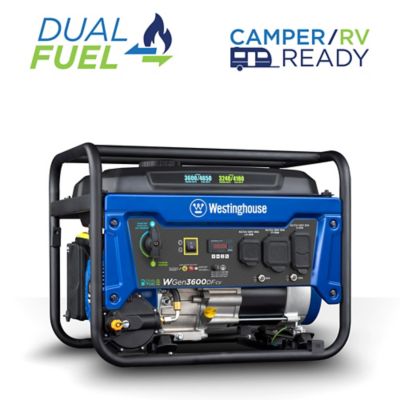
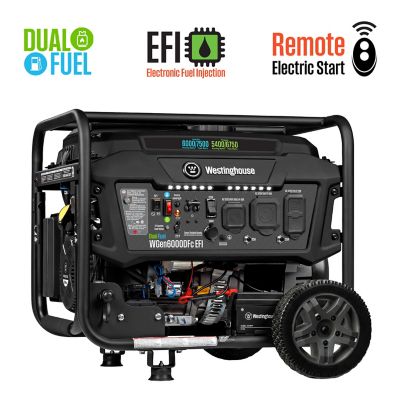
Portable generators for home backup power provide temporary electricity for selected household essentials when utility service goes out. The right fit depends on what needs to keep running, how much power those loads draw and how the generator will connect to them. For one household, that may mean keeping a refrigerator, a few lights and a phone charger going. For a place outside town, the priorities might also include a well pump, a freezer full of meat or the blower on a home heating system. Those needs can call for very different power capacities. Running watts describe the power a generator can supply continuously, while starting watts account for the brief extra demand some motors draw when they kick on. A refrigerator compressor or pump can require considerably more power at startup than it does once running, so both ratings matter. Smaller portable generators can serve a limited set of essentials, while higher-output models can support more simultaneous loads within their rated capacity. A larger wattage number does not automatically mean a unit can power an entire house, especially when electric water heaters, ranges or other high-demand appliances enter the picture. Voltage matters, too: a 120-volt outlet cannot supply a household load that requires 240 volts. The generator’s receptacles, individual circuit limits and connection requirements all need to match the intended setup. For a broader look at household backup options,
Generators for Residential Backup provides another place to compare the choices. Portable models make sense for households that want equipment they can move into position for an outage and store between uses, rather than a permanently installed system. They still require hands-on operation, fuel planning and a safe connection method. Electric start can make getting an engine running easier, but it does not by itself provide automatic backup when the utility power drops. That distinction matters when nobody will be home to set up and operate the generator.
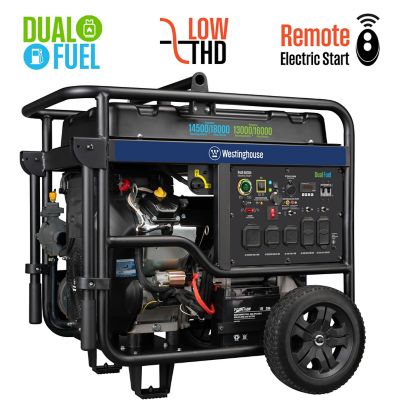
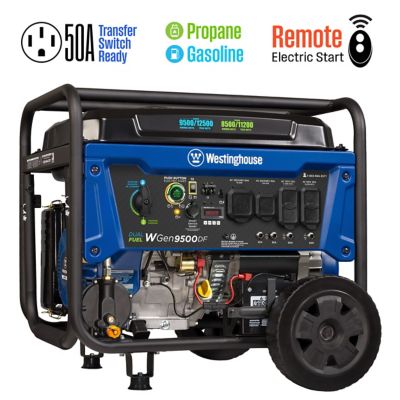
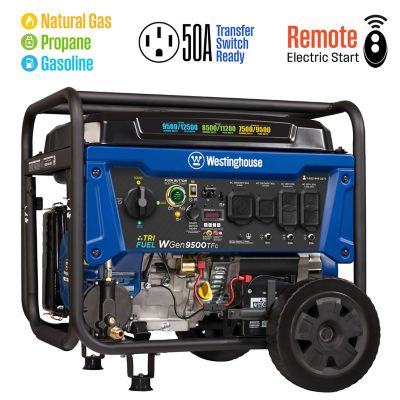
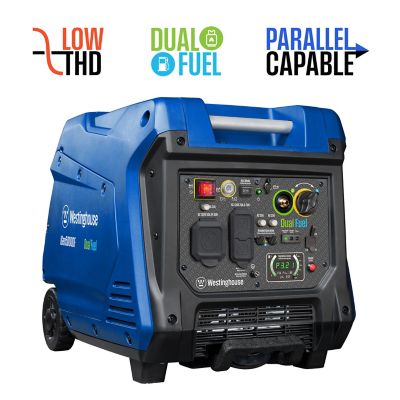
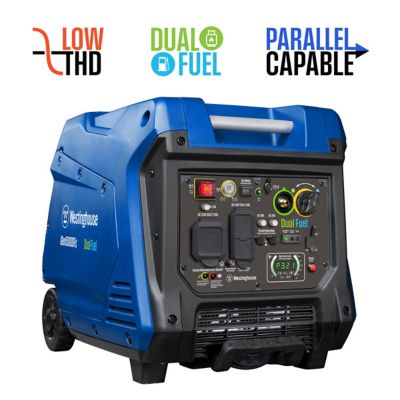
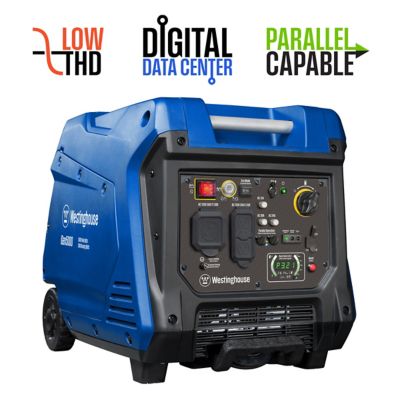
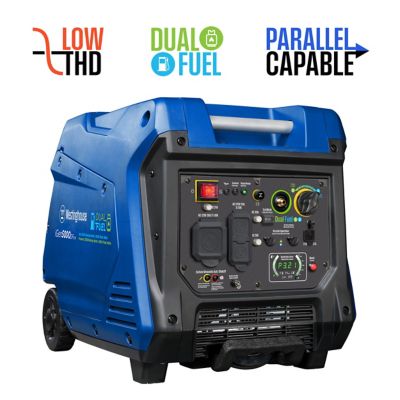
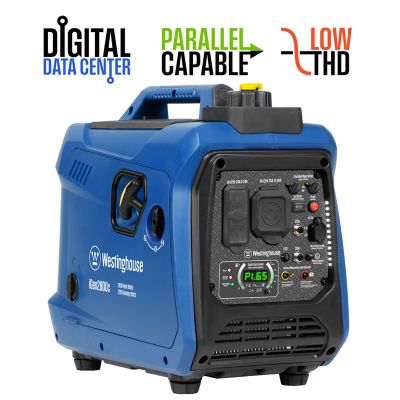
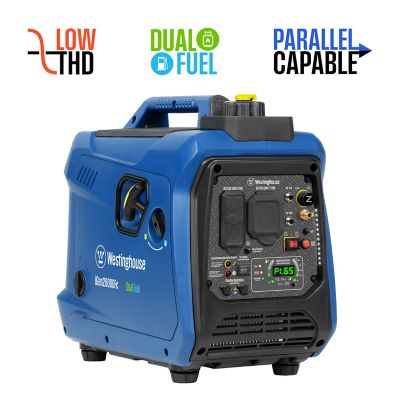
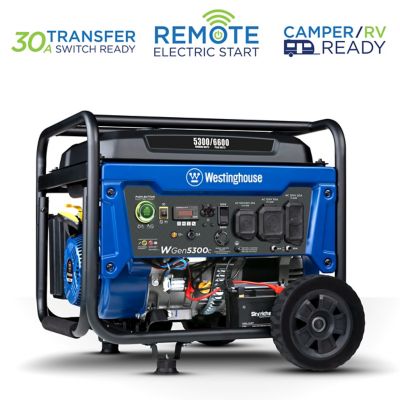
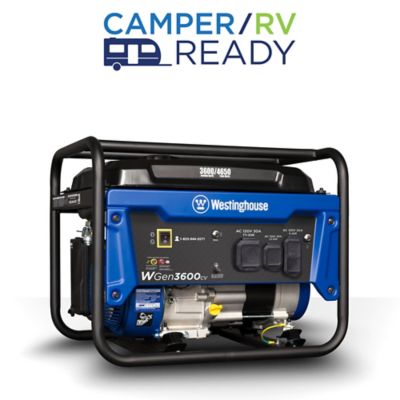
Fuel type shapes both everyday handling and longer-term backup plans. Gasoline-powered portable generators need an appropriate supply of fresh fuel, along with safe storage space in approved containers. Dual-fuel models typically run on gasoline or propane, while tri-fuel models may also accept natural gas; the listed fuel compatibility determines what each generator can burn. Output and runtime can vary by fuel, so the wattage rating for the intended fuel matters more than the largest number on the label. Propane offers an alternative to keeping gasoline on hand, although tank capacity and fuel delivery requirements still affect operation. Natural gas capability requires a suitable supply connection and professional installation where required, and utility service may not continue through every outage. Runtime figures also deserve a close look because they are usually measured at a stated load, not with every outlet carrying its maximum demand. A generator powering a few essentials may run longer on a tank than the same unit supporting several larger appliances. Inverter generators are another option within the portable category. They generally produce electricity with controlled voltage and frequency, and many adjust engine speed as demand changes. That can help reduce fuel consumption and sound at lighter loads, though noise levels and suitability for sensitive electronics depend on the model’s specifications. Conventional portable generators remain a practical fit for many household backup loads as well. Beyond the engine and electrical output, construction affects how the equipment handles around the property. Steel frames, protected control panels, sturdy handles and wheel kits all serve a purpose when a generator must travel from storage to its operating spot. Some portable units are still heavy enough to require more than one person to move safely. Larger wheels can help with maneuvering, but gravel, steps and uneven ground deserve consideration before a generator becomes part of the household backup plan.
The operating location is just as important as the power rating. Every fuel-burning portable generator produces carbon monoxide, an invisible gas that can be deadly. Operation belongs outdoors, at least 20 feet from the home and away from doors, windows and vents, with the exhaust pointed away from occupied buildings. Garages, basements, sheds and enclosed or partly enclosed porches are not safe operating spaces, even with doors open. A carbon monoxide shutoff feature adds a safeguard, but it does not replace proper placement or working carbon monoxide alarms inside the home. A level operating surface, clear space around the engine and protection from moisture as directed by the manufacturer also matter. For a refrigerator or another cord-connected appliance, appropriately rated outdoor extension cords must match the load, have a grounding conductor where required and remain in good condition. Hardwired household circuits need an approved connection arrangement installed by a qualified electrician, such as a transfer switch or a code-compliant interlock setup that prevents connection to utility power. A generator must never feed electricity into a household wall outlet. That practice can energize utility lines and put lineworkers, neighbors and people in the home at risk. Care between outages helps keep the equipment ready for its intended job without turning storage into an afterthought. Oil changes, air filter service, spark plug checks and battery maintenance follow the engine manufacturer’s schedule, including any break-in requirements. Periodic operation under an appropriate load can help reveal a starting or connection problem before the household depends on the generator. Gasoline storage and fuel stabilizer requirements follow the manual, and the engine needs to cool before refueling. Once the equipment has cooled after operation, a clean, dry storage space helps protect its frame, outlets and controls. A well-matched portable generator brings together enough power for the essentials, manageable handling and a setup the household can operate safely.