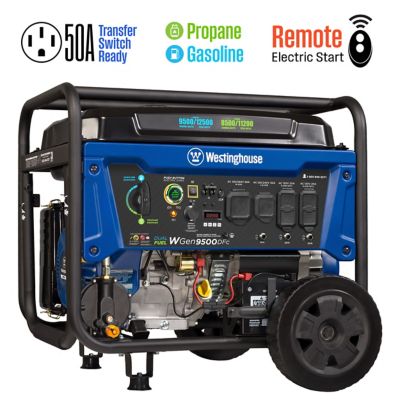
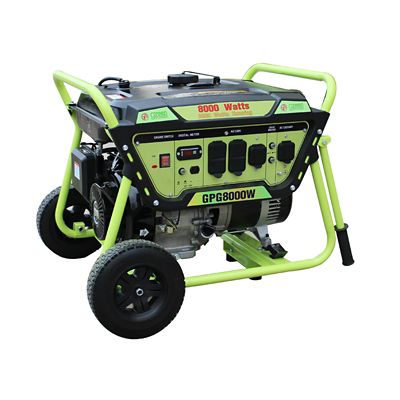
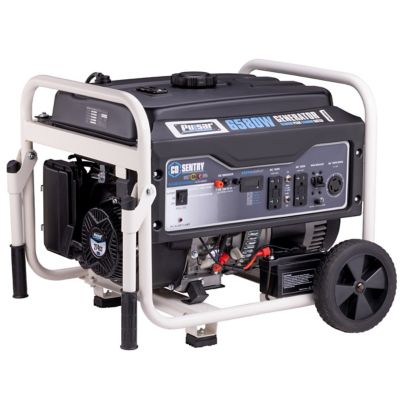
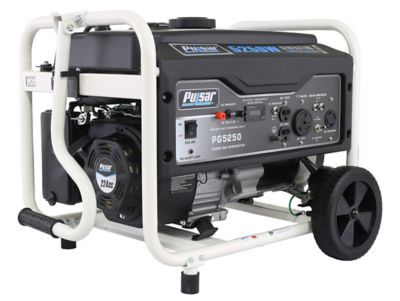
Apartment residents need a different kind of backup power than someone with a garage, shed, or open stretch of land. A fuel-powered generator should never be operated inside an apartment, on a balcony, in a hallway, or near a door or open window. Gasoline, diesel, and propane engines produce carbon monoxide, an odorless gas that can build up quickly and become deadly, even when an area seems well ventilated. They also create noise, exhaust, heat, and fuel-storage concerns that may violate a lease, building rules, fire codes, or local regulations. For most apartments, a portable power station—sometimes called a battery generator or solar generator—is the more practical choice for an outage. These units store electricity in a rechargeable battery and provide power without running an engine, making them suitable for indoor use when operated according to the manufacturer’s instructions. During a storm, a quiet battery backup can sit beside the couch or under a desk while it keeps phones charged, a Wi-Fi router connected, a lamp glowing, or a laptop ready for work. It can be especially helpful in buildings where elevators, electronic locks, sump pumps, or shared building systems may be affected by an outage. Anyone shopping for apartment generators for power outages should begin by listing the devices that matter most and deciding whether the goal is basic communication or several hours of household support. A small, lightweight unit may handle phones, tablets, lights, a radio, and a router, while a larger-capacity power station may be needed for a refrigerator, CPAP machine, heated medical equipment, or other higher-draw appliances. The right fit depends on both battery capacity, measured in watt-hours, and output, measured in watts. Watt-hours give a general idea of how long a battery may run a device, while the output rating tells you how much power the unit can provide at one time. A refrigerator, freezer, pump, or appliance with a motor can draw extra power when it starts, so check both its running wattage and startup or surge needs before buying. Adding the wattage of every device you plan to use at the same time helps prevent overloads and makes it easier to choose a suitable size.
For everyday outage planning, look for features that match apartment living. Multiple AC outlets can be handy when more than one person needs power, while USB-A and USB-C ports make it simple to charge phones, earbuds, tablets, and newer laptops without filling up the wall outlets. A 12-volt outlet may support selected coolers, fans, or other compatible equipment. An easy-to-read display showing remaining battery percentage, input, output, and estimated runtime takes the guesswork out of managing power when the lights are out. Some models offer an uninterruptible power supply, or UPS, function that can switch connected electronics to battery power quickly when utility service drops. That feature may be useful for a home office, modem, router, or other equipment that needs a steady connection. Pure sine wave output is another consideration for sensitive electronics and equipment with motors; it is designed to provide cleaner power that more closely resembles utility electricity, though buyers should still confirm compatibility with any medical device or specialized appliance. Battery chemistry, recharge time, weight, handles, and storage life matter too. A lighter unit is easier to move between rooms or carry down stairs, while a larger battery may offer longer runtime but take up more floor space. Recharge options can include a standard wall outlet, a vehicle outlet, and compatible solar panels. Solar charging can add flexibility during a longer outage, especially when daylight is available, but it is slower and depends on weather, panel size, placement, and the unit’s solar input limits. Apartment residents should never place panels or equipment where they block walkways, create a fall hazard, violate balcony rules, or risk damage from wind. Before bringing any backup battery home, check the building’s policies and follow all instructions for charging, ventilation, clearance, and storage. Keep the unit dry, protect it from extreme heat and cold, and avoid covering its vents. It is also smart to test the power station before an emergency by charging it fully, connecting the devices you expect to use, and noting how quickly the battery level changes. A short test on a quiet afternoon can reveal an unsuitable cord, an appliance with a high startup demand, or a runtime estimate that does not match real-world use.
Portable power stations can be useful for more than emergency preparation. They may keep a fan running during a hot spell, provide light while a breaker is being repaired, or power a phone and radio during a neighborhood outage when cell service is limited but not gone. In cooler weather, they can help maintain communication and provide light when wind, ice, or heavy rain interrupts service. A renter who works remotely may use one to keep a laptop and router operating long enough to finish a call or submit important work. Families may appreciate having a dependable way to charge devices without crowding around a single outlet, while older adults or caregivers may value backup power for essential electronics. These units can also make thoughtful gifts for a new apartment, college student, frequent traveler, camper, or family member living in an area where outages are common. For a gift, a compact model paired with charging cables, a flashlight, and a written list of emergency contacts can be practical without taking over a small living space. For a household that relies on a CPAP machine, oxygen equipment, medication refrigerator, or another medical device, contact the equipment maker and medical provider before choosing a battery backup; confirm the device’s wattage, required waveform, expected runtime, and any approved battery systems. Never assume a power station will support medical equipment simply because it can charge ordinary electronics. The same careful approach applies to refrigerators and freezers: keep doors closed during an outage, use a properly rated extension cord only when permitted by the manufacturer, and remember that a battery may run a compact appliance for a different length of time than its label suggests. Apartment shoppers comparing backup options can also browse
Small Generators For Home for additional home power information, while keeping apartment-specific safety and building rules in mind. With the right capacity, suitable outlets, manageable size, and a clear plan for the devices that matter most, a battery-powered backup can bring a little calm to a dark apartment, keep a phone lit beside the bed, and help a household stay connected until regular service returns.