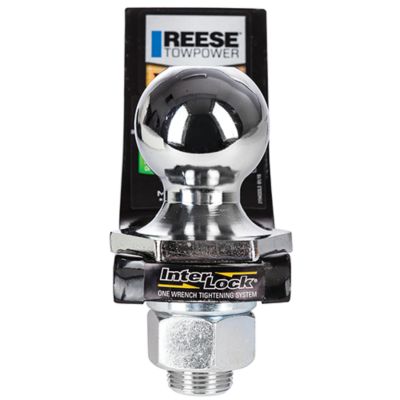
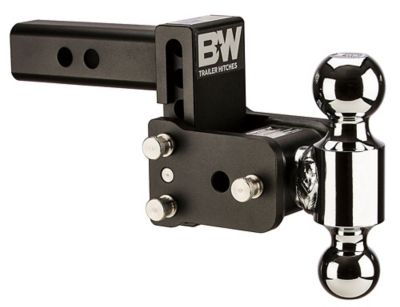
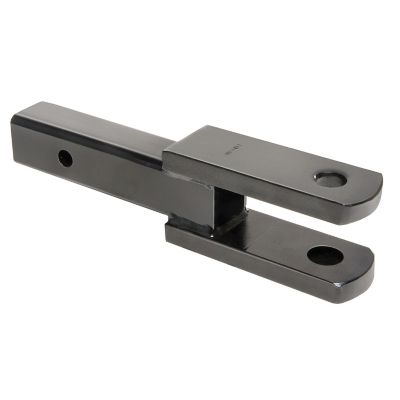
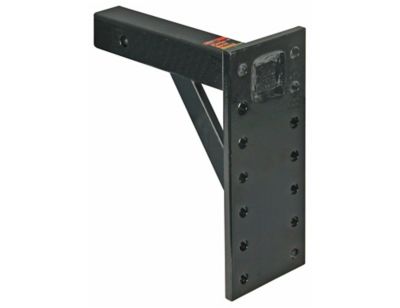
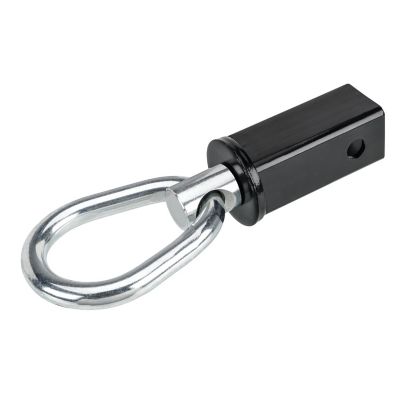
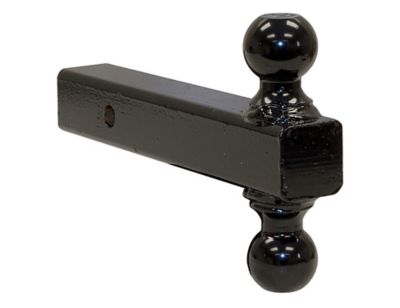
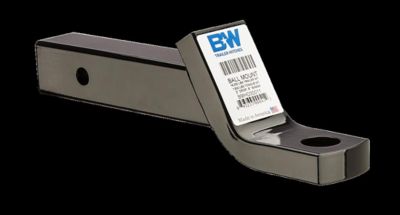
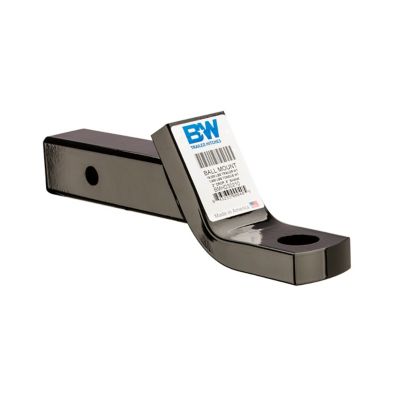
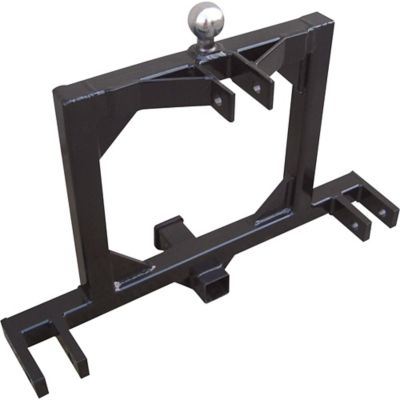
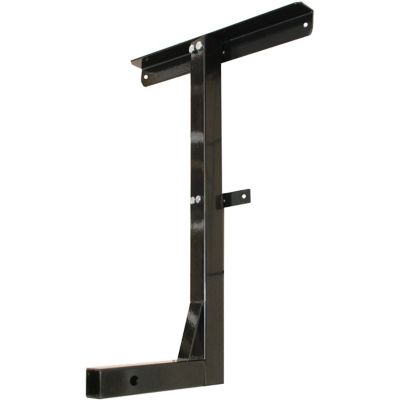
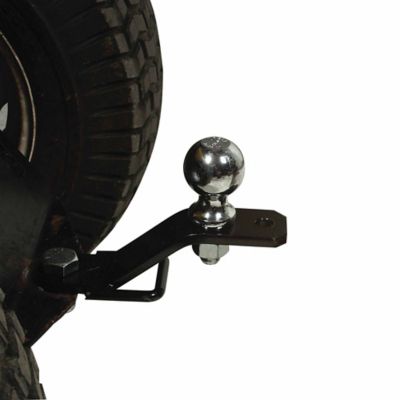
A hitch mount is a component that slides into a vehicle’s hitch receiver tube to support a trailer connection or a receiver-mounted accessory, such as a cargo carrier or bike rack. For towing, the mount commonly provides a platform for a hitch ball that connects to the trailer coupler. Other receiver-mounted accessories carry gear or support equipment without pulling a trailer. That difference matters when matching the setup to the job, whether it’s hauling fencing supplies down a county road, taking a utility trailer to the feed store, or making room for camping gear outside the cab. Hitch mounts come in several configurations, and the right fit depends on more than the vehicle’s make and model. The receiver’s inside dimensions, the mount’s shank size, the pin-hole location, and the manufacturer’s ratings all play a part. Common receiver openings include 1-1/4, 2, 2-1/2, and 3 inches, but a receiver measurement alone does not establish towing capacity. A mount needs the specified amount of insertion and a compatible hitch pin or locking pin to hold it in place. Clearance around the bumper, spare tire, and tailgate also deserves attention, especially on trucks with deep bumpers or rear-mounted equipment. A mount that fits the receiver may still place an accessory too close to the vehicle or interfere with opening a rear door. Reducer sleeves and adapters can connect certain sizes when the equipment manufacturer permits them, but they do not increase the vehicle’s or hitch’s capacity. Extensions can change leverage and may reduce the permitted load. For folks who switch between trailers and gear carriers, compatibility is about the complete connection, not just whether one piece slides into another. A snug, properly secured fit helps limit unnecessary movement, while the correct dimensions keep the setup suited to the work ahead.
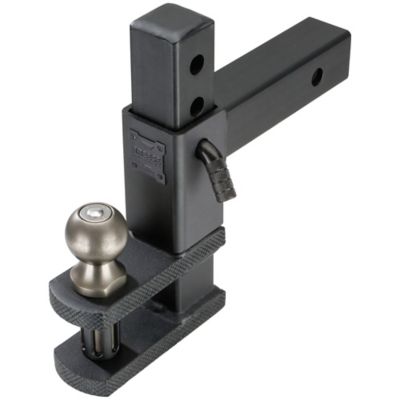
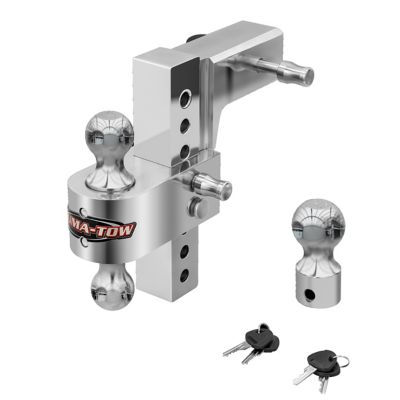
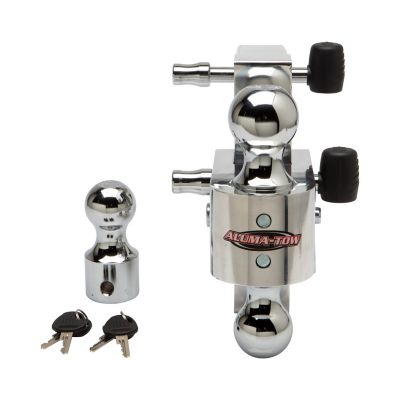
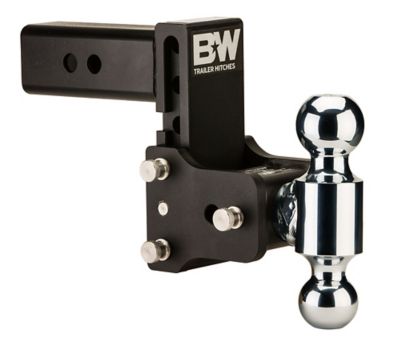
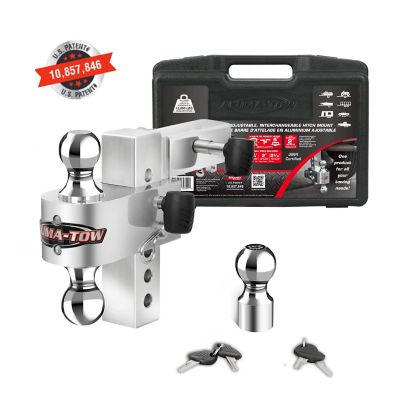
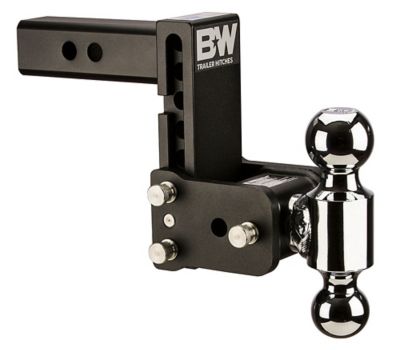
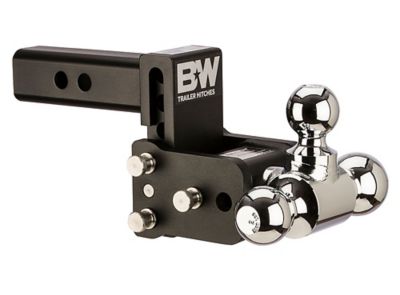
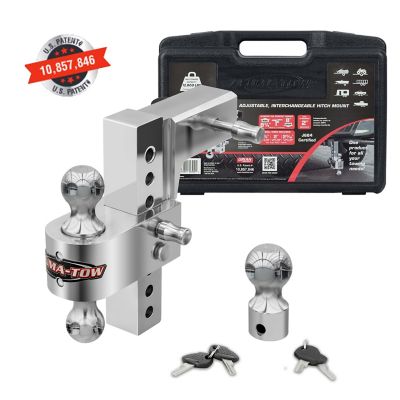
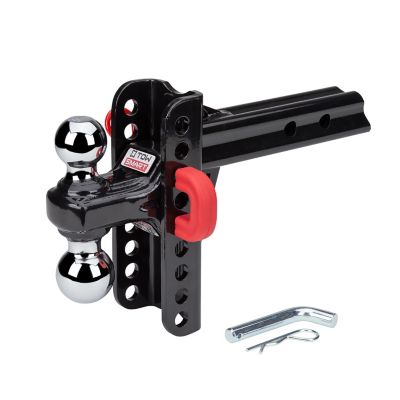
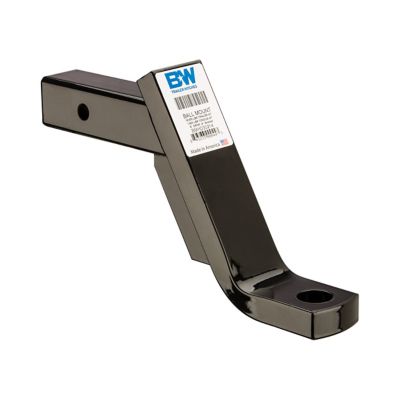
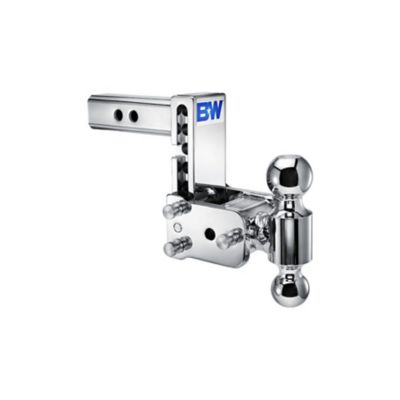
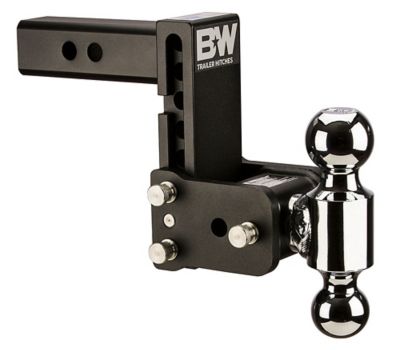
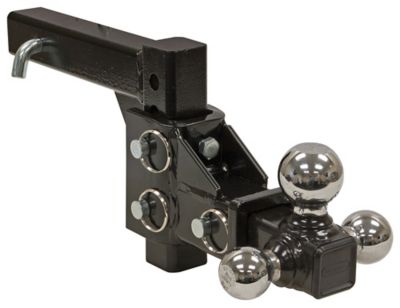
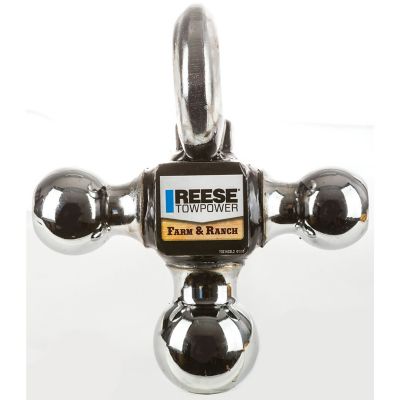
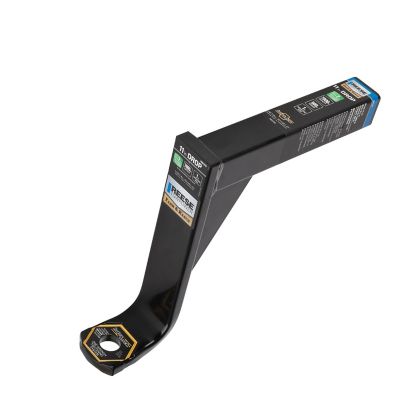
For trailer towing, hitch mounts help establish the connection height between the tow vehicle and the trailer. A straight mount may suit a combination with closely matched heights, while a mount with rise or drop positions the ball higher or lower. Adjustable designs provide multiple height positions, which can be handy for a household that pulls a small utility trailer for yard work and a different trailer for equipment. Each position still has to follow the mount manufacturer’s directions and ratings. The goal is the trailer attitude specified by its manufacturer, generally level for conventional bumper-pull trailers, rather than a setup that leaves the tongue noticeably high or low. Ball size is another separate fit requirement: the hitch ball must match the size marked on the trailer coupler, and its shank must fit the mount’s ball hole as specified. A coupler that appears to latch is not proof of a correct match. When comparing a
Hitch With Ball Mount, consider the connection as a whole, including ball size, mounting dimensions, and the ratings assigned to each component. Gross trailer weight and tongue weight describe different loads, and both need to remain within every applicable limit. The loaded trailer, its tongue load, and the tow vehicle’s payload and axle limits all matter; a higher-rated mount does not raise any lower limit elsewhere in the setup. Load placement matters, too. A trailer carrying a mower, fence posts, or bagged feed can put a different load on the hitch depending on where that cargo sits. Safety chains, the coupler latch, electrical connections, and any required trailer brakes remain separate parts of a complete towing arrangement. A hitch mount provides the connection point, not a substitute for those systems. For farm owners, landscapers, and homeowners who tow regularly, matching these details makes the mount part of a working setup rather than a piece chosen by appearance alone.
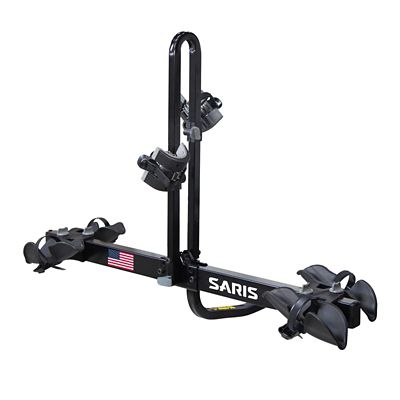
Materials and construction affect how hitch mounts handle repeated loading, road grit, and everyday handling. Steel is common, with forged or welded construction depending on the design. Some mounts feature aluminum construction, which can make handling easier, though capacity always comes from the stated rating rather than assumptions about the material. Powder-coated, painted, plated, or other finished surfaces help protect exposed metal, but edges and contact points can wear as a shank moves in and out of the receiver. Bare spots, corrosion, damaged welds, elongated holes, and bent sections deserve attention before the next hookup. Dirt packed inside a receiver can interfere with fit, while buildup around adjustment holes or retaining hardware can make connections harder to inspect. Cleaning, drying, and caring for the mount according to its manufacturer’s directions helps keep those areas visible and working as intended. Hitch balls and fasteners may have specific lubrication and torque requirements, so care should match the equipment rather than a one-size-fits-all routine. A locking hitch pin can help discourage theft, but it still needs the correct diameter, working length, and compatibility with the mount. For cargo carriers and bike racks, the load includes the accessory itself as well as everything it holds. Weight positioned farther behind the receiver creates more leverage, making the accessory’s instructions and the vehicle’s limits especially important. Loaded carriers also need clearance from the exhaust and should not obstruct lights or the license plate; ground clearance can change at steep driveways and uneven entrances. Around the barn, at a trailhead, or beside a loaded utility trailer, practical details make a difference: adjustment hardware that can be reached, enough room to insert the retaining pin, and a connection that can be inspected without guesswork. Hitch mounts matched to those everyday needs help keep hauling equipment organized around the vehicle, trailer, and load they’re meant to serve.