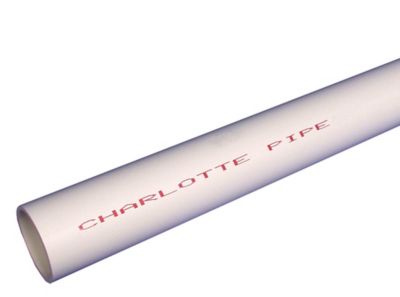
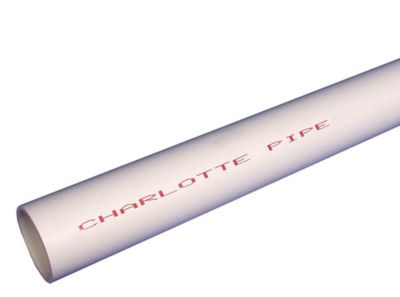
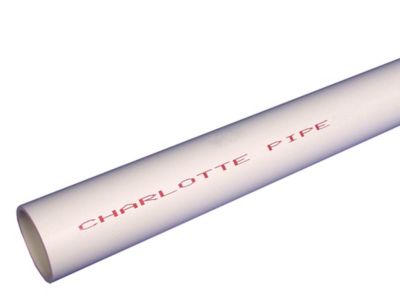
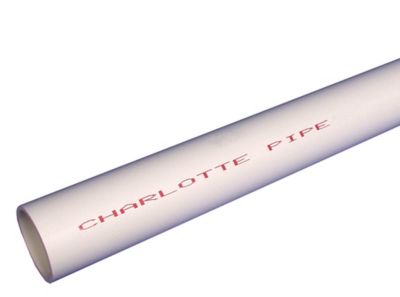
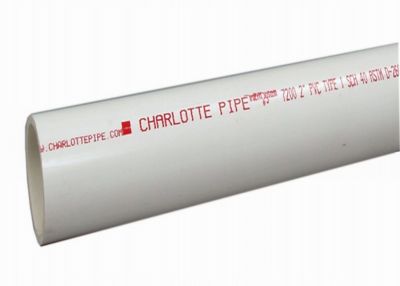
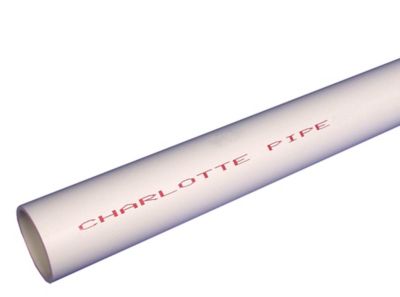
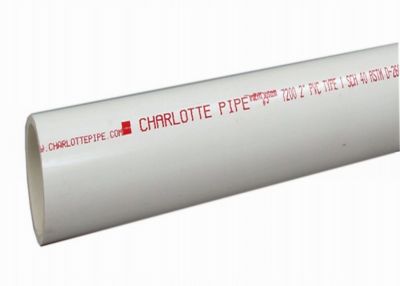
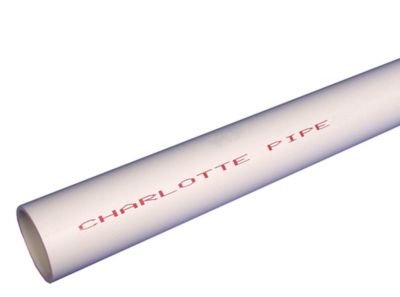
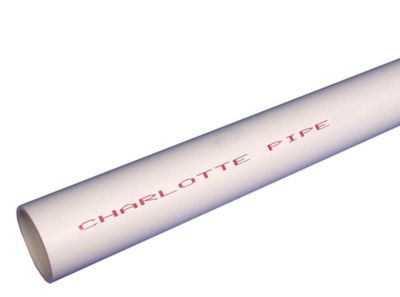
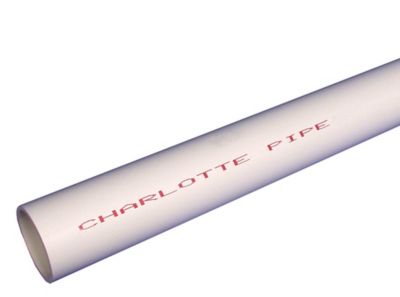
High pressure PVC pipes carry water and other compatible liquids through systems where pressure ratings matter as much as pipe size. Around a farm, acreage or workshop, that can mean a pump-fed water line, a livestock watering setup, an irrigation main or a permitted utility connection. PVC, short for polyvinyl chloride, offers a rigid, corrosion-resistant option that does not rust like steel. Its relatively light weight also makes long sections easier to handle when a line runs from a pump house toward a barn or equipment shed. Schedule 80 PVC has thicker walls than Schedule 40 PVC in the same nominal size and generally carries a higher pressure rating, making it a common choice for more demanding water systems. Pressure-rated Schedule 40 can also suit many applications; the correct selection depends on the actual operating conditions rather than the schedule number alone. Drain, waste and vent pipe, often marked DWV, is not a substitute for pressure-rated pipe. Schedule 80 is often gray and Schedule 40 is often white, but color is not proof of pressure capacity. The printed markings and manufacturer’s specifications tell the more important story: nominal size, material, applicable standards and rated working pressure. ASTM D1785 covers Schedule 40, 80 and 120 PVC pressure pipe, while NSF/ANSI/CAN 61 certification addresses health effects for components in contact with drinking water. A drinking-water installation needs suitable certification throughout the water-contact system, including pipe, fittings, valves and joining materials. Chemical transfer calls for a different kind of homework, since compatibility depends on the liquid, concentration and operating conditions. For property owners, irrigation installers, plumbers and farm maintenance crews, these details separate a pipe that merely looks right from one suited to the job. A straight run across an equipment building and a buried supply line to a trough may both carry water, but their support, protection and connection needs can be quite different.
Pressure capacity is not a single number that applies to every high pressure PVC pipe. Smaller diameters often carry higher ratings than larger diameters within the same schedule and product line. Published ratings commonly reference water at 73°F, and allowable pressure falls as operating temperature rises. Many standard PVC pressure pipes have a maximum service temperature of 140°F, but that limit does not mean full rated pressure is permitted at that temperature. Manufacturer derating tables determine the allowable combination. Ordinary PVC is not intended for hot-water supply lines; those applications call for an approved material such as CPVC, with its own compatible fittings and joining system. For a pump-fed line, normal running pressure is only part of the picture. Pump shutoff pressure, elevation changes and pressure surges from fast-closing valves can affect the load on pipe and connections. The allowable working pressure of an assembly is limited by its lowest-rated component after any applicable adjustments. A suitable design allowance and surge control belong in the system plan rather than relying on wall thickness alone. Flow needs deserve the same attention. Schedule 40 and Schedule 80 pipe of the same nominal size generally share an outside diameter, but the thicker Schedule 80 wall leaves a smaller inside opening. That difference can affect flow and friction loss, especially along a long run to a pasture trough or several irrigation zones. Nominal pipe size is a trade designation, not a promise of a particular inside measurement. Farm and acreage irrigation projects can also involve
PVC Pipes For Sprinkler Systems, where zone flow, valve selection and run length all influence sizing. Matching the pipe to the required flow helps water reach the far end without treating a pressure rating as a measure of delivery volume. A qualified installer can account for those demands, local plumbing requirements and the conditions along the route before the connections are made.
Fittings and joining materials complete the pressure-rated system, and their specifications deserve as much attention as the pipe markings. Pressure-rated elbows, tees, couplings and adapters belong in these applications; thin-wall drain fittings do not provide an equivalent connection. A shared nominal size does not establish compatibility across every pipe material or connection style, so socket dimensions, thread type and manufacturer requirements still matter. Threaded joints may have lower allowable pressure than an otherwise comparable solvent-weld assembly, and some pipe is not approved for threading. Proper solvent-weld joints depend on clean, square pipe ends, the specified surface preparation, compatible PVC solvent cement and primer where required. Purple primer is common where inspection rules call for a visible application, but color alone does not establish that a primer or cement suits a particular installation. Cure time depends on pipe size, joint fit, installation conditions and the pressure the joint will face; a connection that feels firm is not necessarily ready for service. Support, protection and access also play a part in how the line holds up. Aboveground sections need appropriate spacing between supports, while buried runs need suitable bedding, cover and protection from rocks or equipment loads in keeping with local requirements. Valves and transitions near pumps benefit from support that keeps their weight and vibration from straining the pipe. Long runs also need room for expansion and contraction as required by the system design. Ongoing care includes looking for leaks, cracks, damaged supports and stress around connections, with the line depressurized before repairs. Standard PVC pressure pipe is not suitable for compressed air or compressed gas service because failure can scatter sharp fragments. Pressure testing should follow the manufacturer’s water-testing procedures and applicable codes, never an improvised compressed-air test. With compatible components, thoughtful sizing and proper installation, high pressure PVC piping can serve everyday water-handling jobs around barns, fields and work areas, from feeding a watering system to carrying irrigation water across a property.