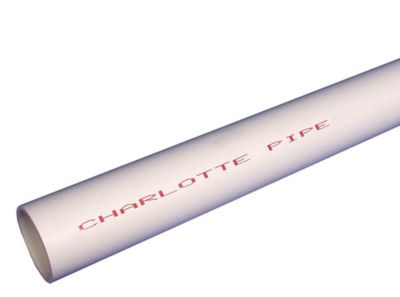
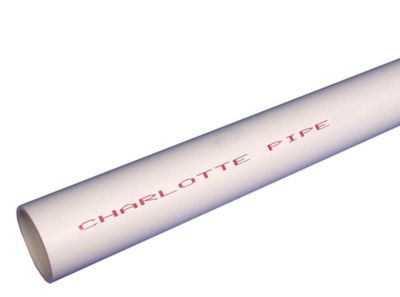
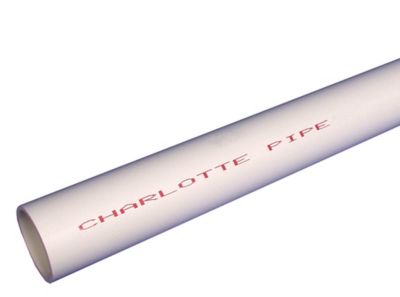
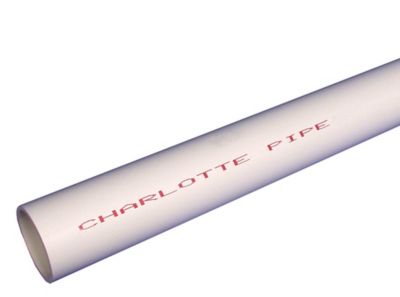
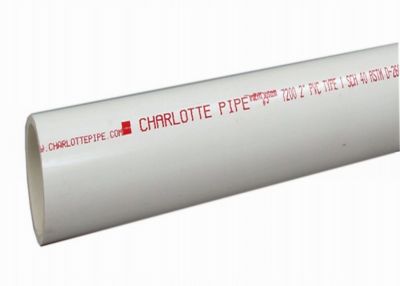
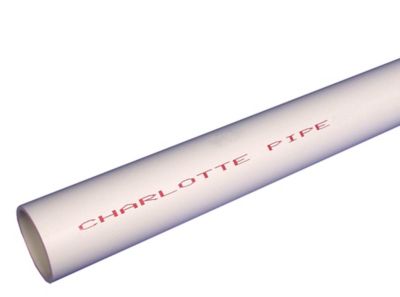
1/2-inch PVC pipe is a common choice for small water lines, irrigation branches, and repairs where rigid plastic pipe fits the job. The half-inch measurement is a nominal pipe size, not a measurement straight across the opening. Standard 1/2-inch Schedule 40 PVC pipe has an outside diameter of 0.840 inches and an inside diameter commonly listed at about 0.622 inches, with slight differences possible because of manufacturing tolerances. Those dimensions matter when matching pipe to fittings or replacing a section in an existing line. PVC stands for polyvinyl chloride, a lightweight plastic that resists rust and is easy to handle along a fence line, beside a garden bed, or around a utility area. Unlike steel pipe, it does not develop metal corrosion, though its suitability still depends on the liquid, operating conditions, and installation. Schedule 40 identifies a wall-thickness standard; it does not mean the pipe measures 40 inches or carries a single pressure rating across every size. Schedule 80 PVC has a thicker wall than Schedule 40 at the same nominal size, while keeping the same standard outside diameter. That thicker wall leaves a smaller opening inside, which can affect flow. For a short irrigation branch or a connection near watering equipment, half-inch pipe may provide the needed fit without taking up much room. A long run serving several outlets brings different demands, since friction inside a smaller pipe reduces pressure as water travels. Pipe diameter, total run length, elevation changes, and the number of bends all play a part in how much water reaches the far end. Matching an existing half-inch connection is one consideration; supplying enough water for the whole setup is another. Straight pipe lengths also deserve a look, since the route through a pump area or alongside an outbuilding affects the number of joints and supports involved. A compact size makes this pipe manageable, but the markings and intended application matter more than appearance alone.
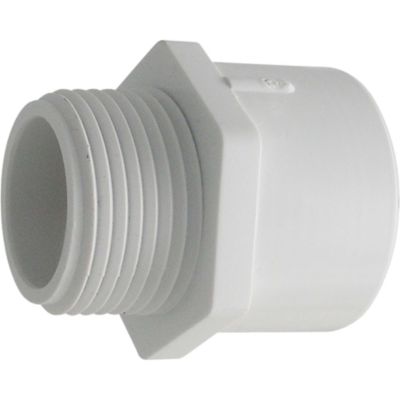
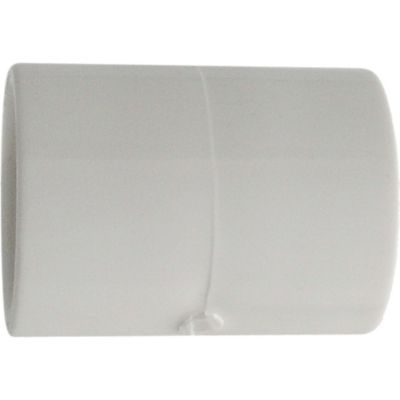
Fit goes beyond choosing a fitting with “1/2 inch” on the label. Standard plumbing PVC pipe generally pairs with fittings made for the same nominal pipe-size system, while tubing and other plastic piping can follow different sizing standards. Slip fittings have sockets that accept the pipe ends, and threaded fittings connect through matching threads rather than a solvent-welded socket. Couplings join straight sections, elbows change direction, and tees create branches, but each connection needs a pressure rating and material compatibility suited to the line. PVC and CPVC are different materials, and matching nominal sizes do not guarantee a proper connection between them. Adapters intended for the transition matter when a repair meets another piping material. For solvent-welded joints, the pipe, fittings, primer where required, and cement need to be compatible; a general-purpose household adhesive is not a substitute for pipe cement. A square pipe end, a smooth edge, and a clean joining surface help support a sound connection, while the cement manufacturer’s cure requirements determine when the assembly can enter service. That distinction matters around a watering station or pump hookup, where an early leak can soak the surrounding area before anyone notices. Threaded plastic connections also need care because excessive tightening can crack a fitting, and some thread-sealing compounds are unsuitable for plastic. Potable-water applications call for pipe and fittings marked for drinking-water service, along with compliance with local plumbing requirements. A white exterior or familiar shape does not establish that approval. Pressure pipe, drain pipe, and electrical conduit can look similar on the shelf, yet their markings describe different purposes. For household plumbing, local rules may restrict where PVC belongs, particularly inside a building. Pipe identification, connection type, and application ratings offer a much better basis for selection than color alone, especially when a replacement section must meet an older line whose material is not obvious at first glance.
Around a small acreage, workshop, or garden irrigation setup, the appeal of half-inch PVC is straightforward: manageable weight, a rigid shape, and resistance to the rust that affects metal piping. Its service life still depends on the conditions around it. Pipe near livestock equipment needs protection from chewing, kicks, and rubbing, while a run beside a driveway needs protection from vehicle loads. An exposed length stretched between widely spaced supports can sag or place strain on fittings, especially where a valve or hose connection adds weight. Proper support and protection from impact help keep those forces off the joints. Extended sunlight exposure can affect PVC, so an aboveground installation calls for attention to the manufacturer’s exposure limits and any recommended shielding. Underground installations have their own requirements for burial depth, bedding, and protection from sharp rocks or concentrated loads. Pressure ratings deserve the same attention as physical protection. The rating printed on a pipe applies under stated test and operating conditions, and the assembled line must stay within the limits of its lowest-rated component. Pump cycling, fast-closing valves, and sudden changes in flow can create pressure surges beyond the line’s normal reading. For applications that call for a closer look at pressure-rated piping,
High Pressure PVC Pipes provides a related category to consider alongside the required size and connection style. PVC water pipe is not appropriate for compressed-air or compressed-gas lines, and standard PVC is not a substitute for piping approved for household hot-water distribution. Maintenance is mostly about keeping the installation protected and watching for cracked fittings, drips, damaged supports, or sections showing signs of impact. Harsh solvents and incompatible chemicals can damage the material, so cleaning and chemical exposure should stay within the manufacturer’s recommendations. Whether the job involves a small irrigation branch or replacement of a damaged water-line section, the right match comes down to dimensions, ratings, connections, and the demands placed on the finished line.