PVC Pipes For Water Lines
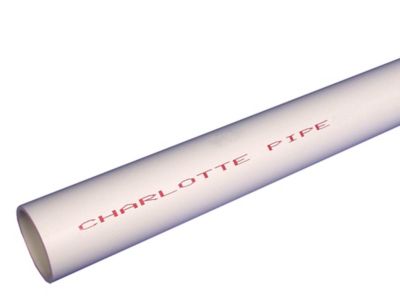
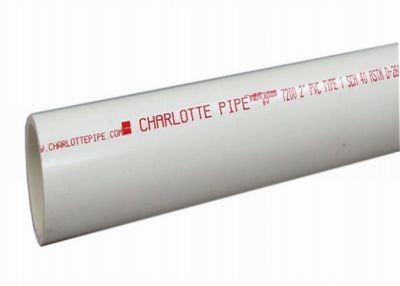
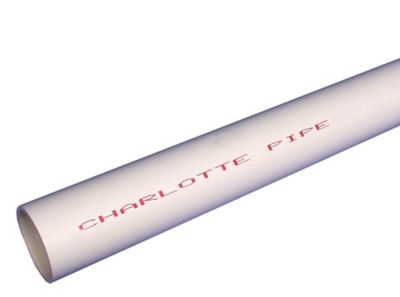
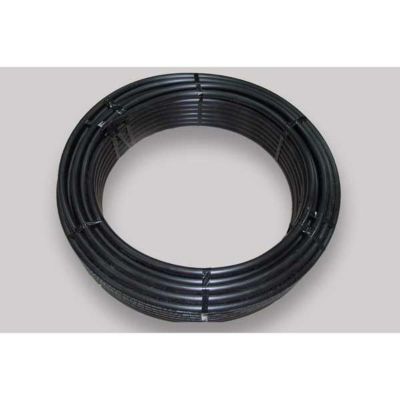
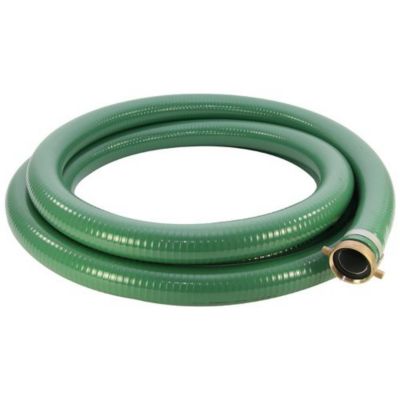
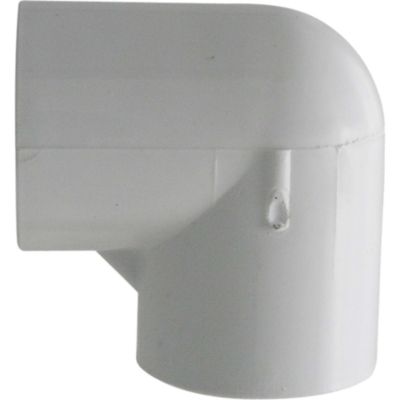
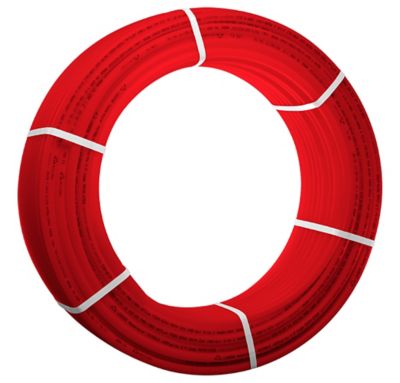
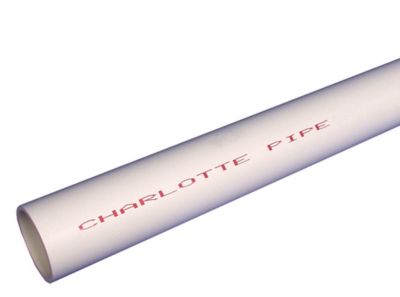
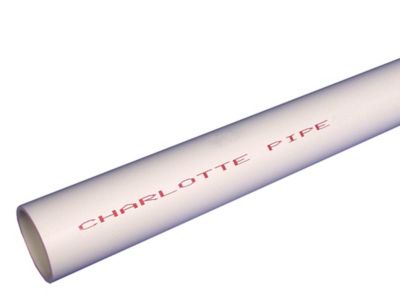
PVC Pipes for Water Lines are a go-to choice for folks looking to tackle water projects around the farm, home, or property. Whether you’re setting up a new water line for your livestock, fixing up the garden irrigation, or just handling everyday repairs, these pipes fit right in with rural life. Count on PVC Pipes for Water Lines to help you get the job done quickly and keep things flowing smoothly all year long.
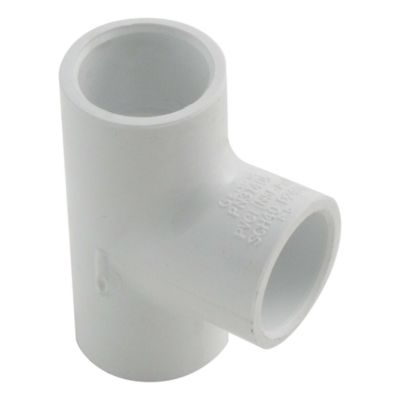
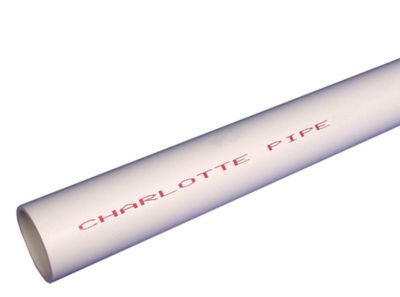
Best Of FAQ
What are the main benefits of using PVC pipes for water lines?
PVC pipes are lightweight, resistant to corrosion and chemicals, easy to install, and have a long service life, making them a popular choice for water line applications.
Can PVC pipes be used for both above-ground and underground water lines?
Yes, PVC pipes are suitable for both above-ground and underground installations, provided they are properly supported and protected from direct sunlight if used above ground.
Are PVC pipes compatible with other types of plumbing materials?
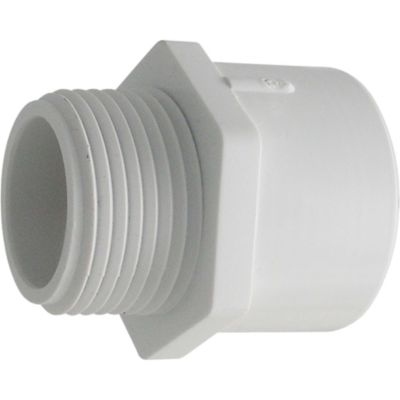
PVC pipes can be connected to other plumbing materials such as copper or galvanized steel using appropriate adapters or transition fittings designed for compatibility.
How should PVC pipes be joined together for water line projects?
PVC pipes are typically joined using solvent cement and primer, which create a strong, watertight bond between pipe sections and fittings.
What maintenance is required for PVC water lines?
PVC water lines require minimal maintenance. Regular inspections for leaks or damage and ensuring joints remain secure will help maintain optimal performance over time.
Best Sellers
-
"Great pipe"
-
"Best Water Pump hose"
-
"Teses are easy to use and worked great for watering my chickens"
-
"Works great and doesnt kink up on you. Highly recommended. Like DeWalt products, top notch"
-
"the best love it works great fast shipping easy to"