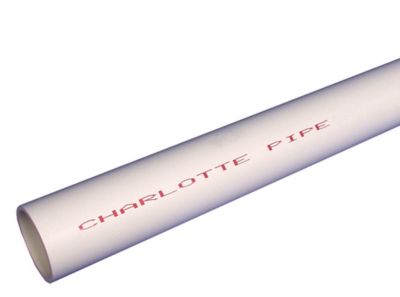
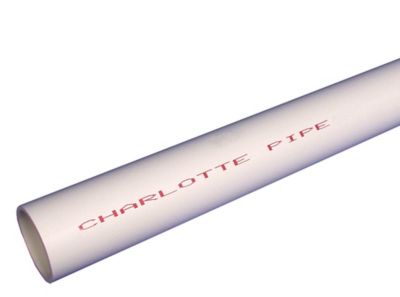
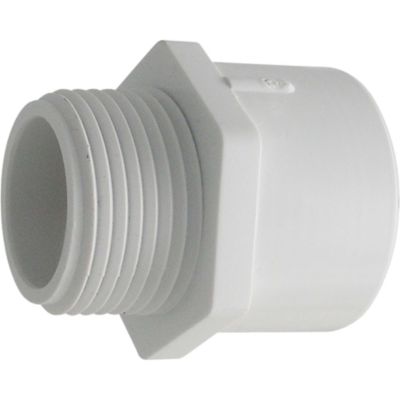
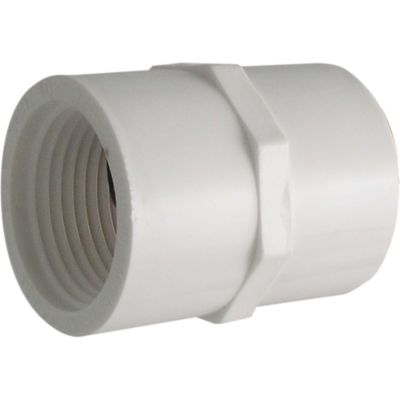
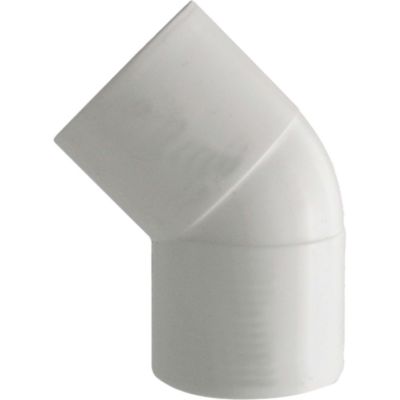
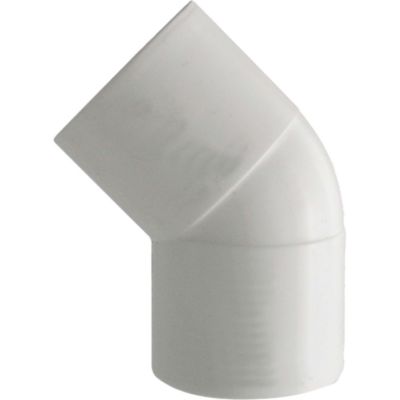
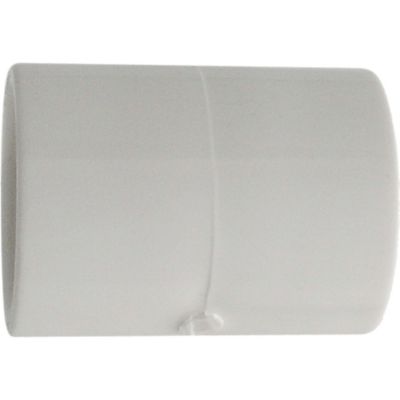
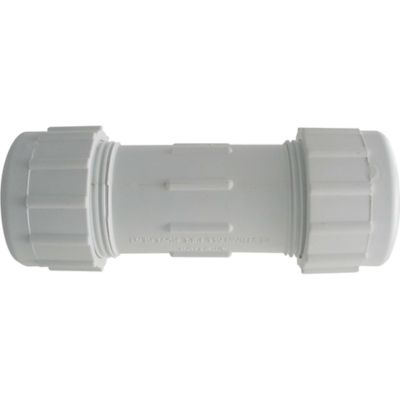
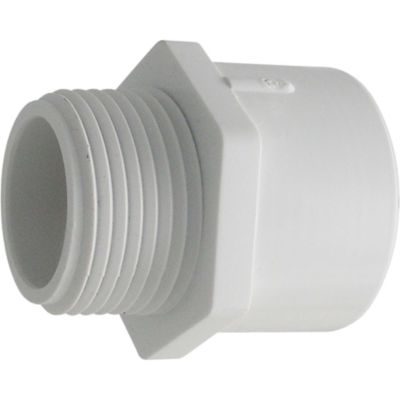
PVC pipes for sprinkler systems help carry water from a supply point to valves, zone lines, and sprinkler heads, making them a practical choice for lawns, gardens, livestock areas, and planted spaces around the farm. Schedule 40 white PVC is widely selected for underground residential and light commercial irrigation because its thicker wall handles everyday water pressure and the occasional pressure surge better than thinner pipe options. A mainline commonly runs from the water source to the control valves, with 1-inch pipe often selected for that section when the system layout and water supply call for it. From the valves, lateral lines may step down to 3/4-inch or 1/2-inch pipe as water moves toward individual sprinkler heads, though the right size depends on the total run, number of heads, available flow, and required pressure. Pipe diameter is more than a measurement on the package; it affects how much water can move through the system and how well each zone performs at the far end of the line. Before buying, map out the water source, valve locations, bends, connections, and sprinkler placements so you can estimate the total pipe length and the fittings needed. Allowing a little extra for turns, repairs, and changes in grade can save a second trip to the store when the trench is open. For exposed sections above the soil, sunlight and weather deserve attention. White Schedule 40 PVC is generally intended for buried runs, while gray Schedule 80 PVC may be a better choice where the pipe must remain in direct sunlight or face more demanding physical conditions. Check local plumbing and irrigation rules, along with the pipe and fitting instructions, before installation, especially around backflow protection, burial depth, pressure ratings, and connections to a household or farm water supply. Shoppers comparing options for higher-pressure applications can also review
High Pressure PVC Pipes to help match the pipe to the demands of the system.
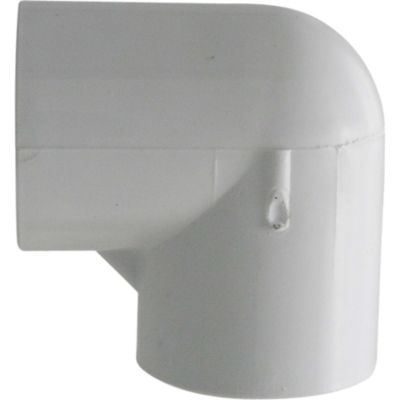
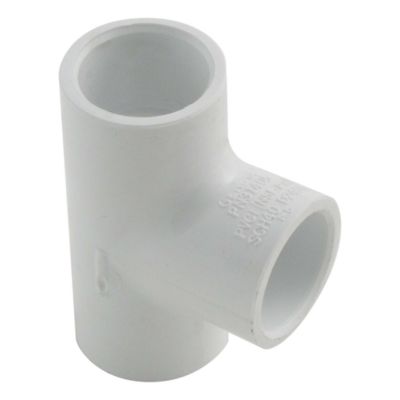
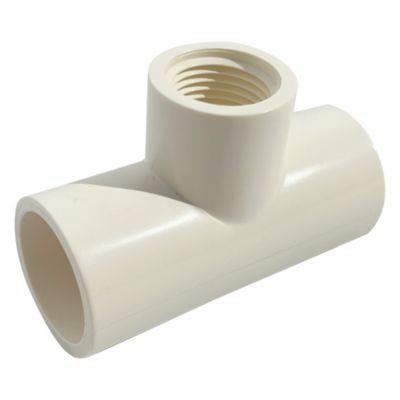
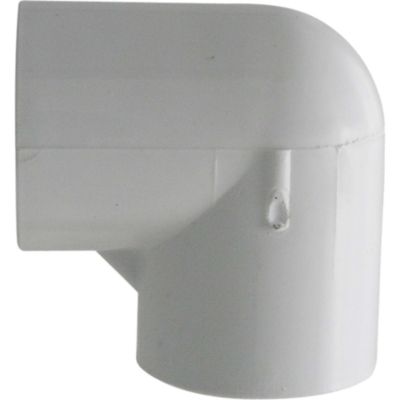
A sound sprinkler layout starts with matching the pipe to the water available at the source. Water pressure is commonly discussed in pounds per square inch, or PSI, while flow is measured in gallons per minute, or GPM. A line may have plenty of pressure at the spigot yet lose performance as water travels through long runs, narrow pipe, elbows, tees, valves, and elevation changes. Keeping the mainline sized for the expected flow helps the system deliver steadier service, while dividing sprinklers into separate zones can prevent a drop in spray distance or uneven coverage. PVC pipe and slip fittings are typically joined with primer and PVC solvent cement made for the pipe material, creating a sealed connection after the joint has been properly prepared and allowed to set. Clean, square cuts matter, and every connection should be checked before the trench is covered. A quick pressure test can reveal a loose joint while repairs are still simple. Plan for drainage and cold weather, too. In areas where the ground freezes, trapped water can expand inside the pipe and cause splitting, so many sprinkler systems include drain points, blowout access, or another method for clearing water before the coldest conditions arrive. During the cooler months, it is also wise to inspect exposed sections, protect valves from impact, and note any places where shifting soil, roots, vehicles, or farm equipment could put stress on the line. PVC sprinkler pipe can suit a broad range of properties, from a homeowner watering a side yard to a rancher maintaining a stock area, a grounds crew caring for a large property, or an irrigation contractor laying out several zones. It can also be a practical present for someone settling into a rural property or improving a new garden, provided the recipient knows the pipe diameter, pressure needs, connection type, and approximate length required. Keeping those details on hand makes it easier to compare pipe sections, fittings, valves, and sprinkler parts that work together. With the right match between pipe size, water flow, burial conditions, and seasonal weather, a sprinkler system can spread water where it is needed while keeping the layout orderly beneath the soil.