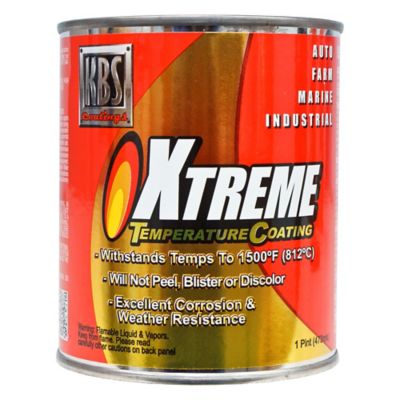
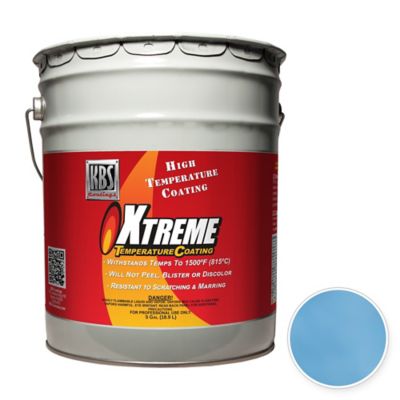
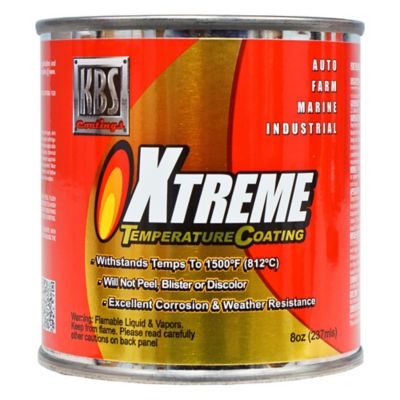
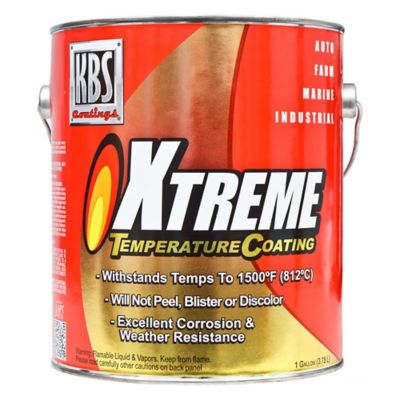
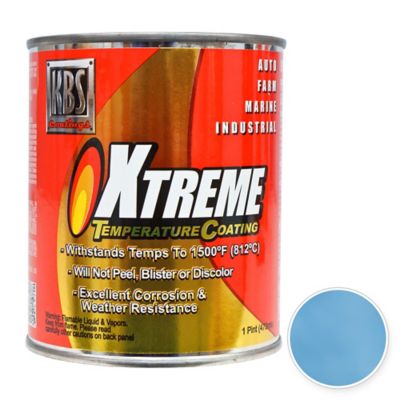
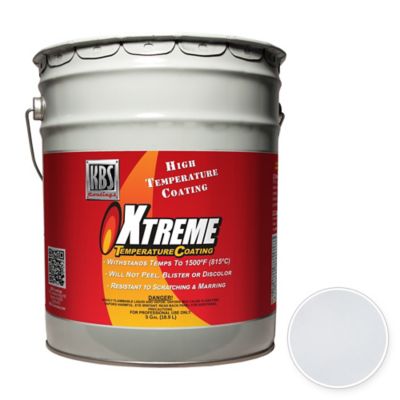
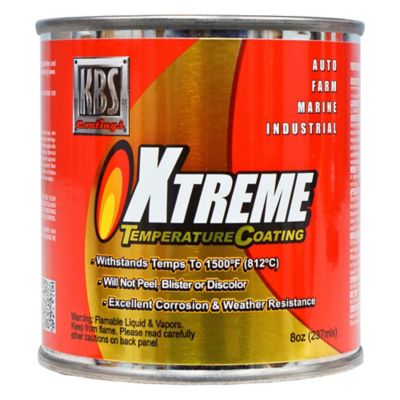
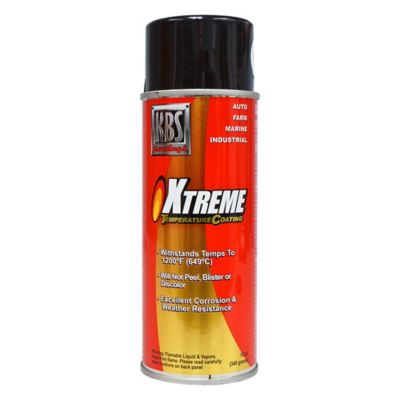
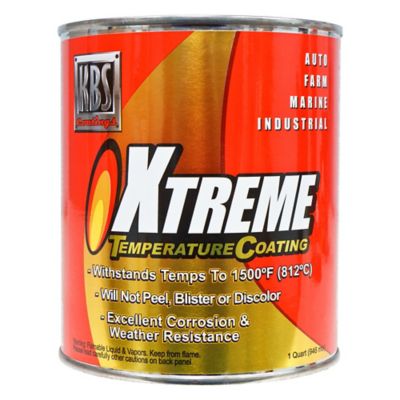
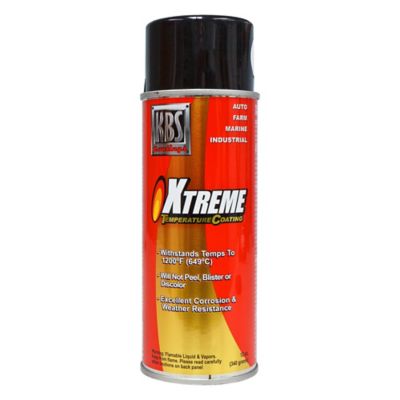
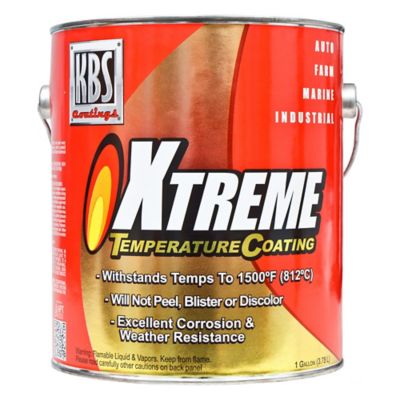
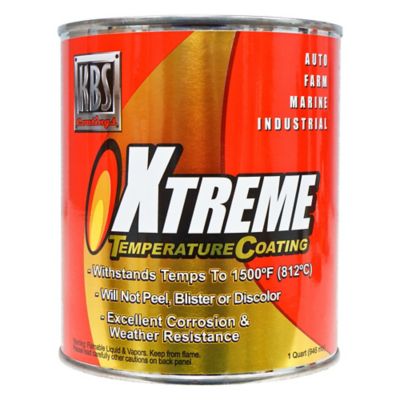
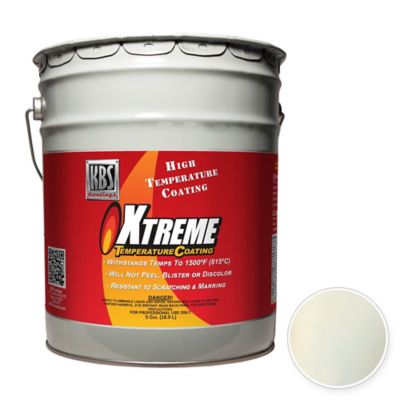
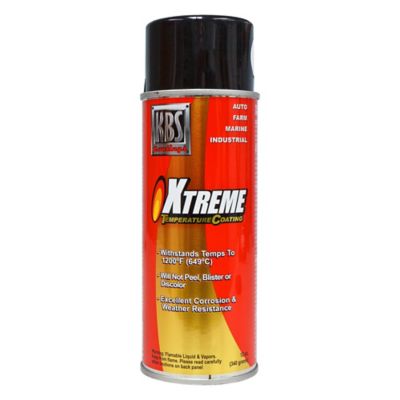
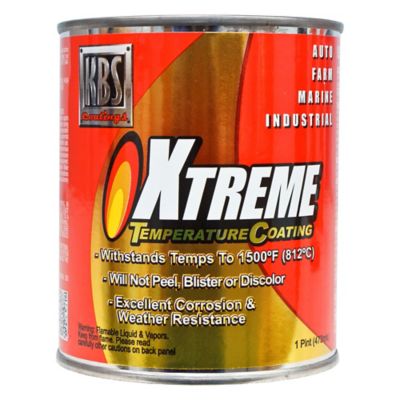
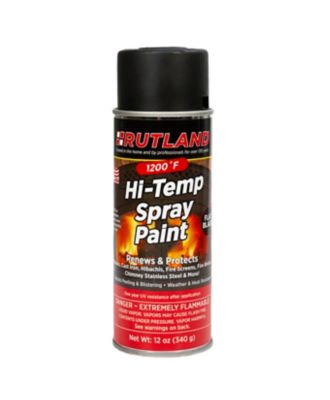
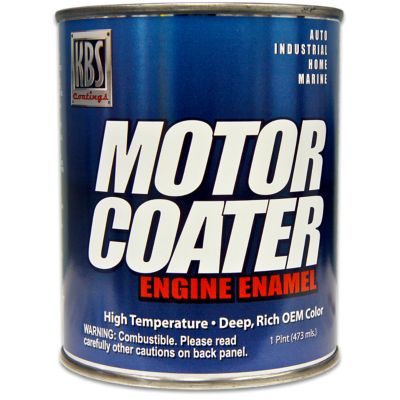
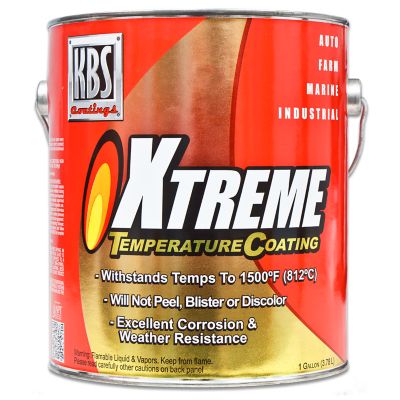
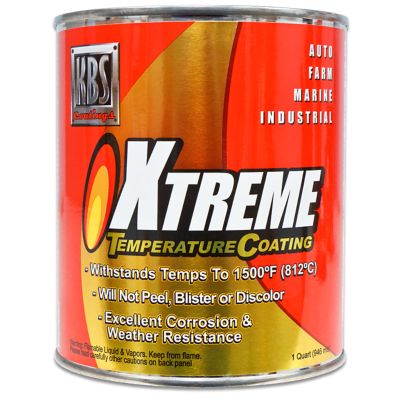
High heat paint is a heat-resistant coating made for surfaces that get hotter than ordinary paint can handle. It’s often a fit for the outside of grills, wood stoves, engine components and certain exhaust parts, with the right formula depending on the equipment and the heat it produces. Many formulas carry maximum temperature ratings from about 500°F to 2,000°F, but that number is only part of the story. Some ratings describe continuous exposure, while others apply to short bursts of heat. A coating suited to an engine block may not belong on an exhaust manifold, even when both parts sit under the same hood. Likewise, a finish intended for a stove exterior isn’t automatically suitable for the inside of its firebox. Heat-resistant paint may contain silicone resins, ceramic components or other binders that help the finish hold up through repeated heating and cooling. Those ingredients, along with the surface preparation and curing requirements, affect where the coating belongs. For a farm truck owner, backyard cook or landowner tending shop equipment, matching the paint to the job matters more than choosing the highest number on the label. Cast iron and steel are common surfaces for these coatings, while aluminum, galvanized metal and previously painted parts may call for additional compatibility checks. Black, gray and metallic shades can give equipment a tidy, work-ready appearance, and flat, satin or gloss finishes offer different looks where the formula permits. Color choice is worth checking alongside the heat rating, since shades and sheen levels don’t necessarily share the same limits. A flat black stove finish and a glossy engine enamel serve different purposes beyond appearance. The best match accounts for the metal underneath, normal operating heat, occasional heat spikes and exposure to moisture, oil or road grime. A familiar-looking can or a similar color doesn’t establish that two coatings are interchangeable.
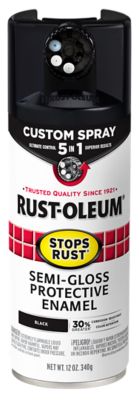
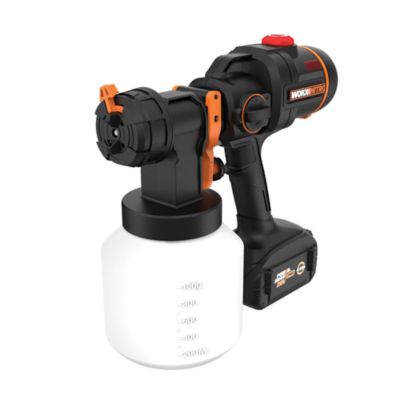
Spray and brush-on high heat paints suit different kinds of work, from reaching around cooling fins to coating a broad, accessible metal panel. Aerosols can make sense for curved parts, tight contours and surfaces where brush marks would stand out. They also require room to control overspray and reach the surface from the distance stated on the label. Brush-on coatings allow more control along edges and across larger, open areas, although the shape of the part and the paint’s application directions still matter. Coverage figures are useful for comparing formats, but rough cast iron, textured steel and intricate shapes can take more paint than a smooth, flat surface of the same size. Brushes, masking supplies and other
Paint Equipment help keep the coating on the intended surface and away from fittings, labels and nearby parts. Whatever the format, high heat resistance doesn’t make paint stick to grease, soot, loose rust or flaking layers underneath. A sound, clean surface gives the finish a better foundation, especially around a stove door frame or an engine part that has collected years of oily residue. Existing paint needs consideration, too: a heat-rated topcoat cannot keep an unsuitable base layer from softening or lifting. Primer requirements vary, with some formulas intended for direct application to properly prepared metal and others calling for a compatible high-temperature primer. Ordinary primer beneath a heat-resistant coating can become the weak point when equipment heats up. Application thickness also affects performance. Heavy coats may trap solvents or interfere with curing, so a formula’s stated coat thickness and recoat window deserve attention. For equipment with bolts, seams, moving joints or identification plates, keeping those features clear can matter as much as the finish itself. The goal is a neat coating on approved surfaces without covering information needed for maintenance or interfering with how a part works.
Drying and curing are separate considerations with high-temperature paint. A finish that feels dry may still need more time, a specified heating cycle or both before it reaches its intended properties. Some coatings cure through carefully controlled heating and cooling, while others follow different requirements. There isn’t one curing schedule that works across every stove paint, engine enamel and exhaust coating, and equipment operation should follow both the coating label and the equipment manufacturer’s directions. Adequate ventilation matters during application and any required heat curing, when fumes may be released. Aerosol sprays and solvent vapors also need separation from sparks, pilot lights and other ignition sources. Heat resistance alone does not establish food-contact approval, chemical resistance or permission for direct flame exposure. Grill grates, cooking surfaces and firebox interiors need coatings explicitly approved for those exact applications; paint intended for an exterior housing should stay on that approved exterior surface. Once properly cured, a suitable coating can help protect compatible metal and keep hardworking equipment looking cared for, but it won’t repair rust holes, cracks, leaking exhaust joints or worn components. Those conditions need attention apart from a paint finish. Ongoing care generally means allowing equipment to cool before cleaning, choosing cleaners permitted by the coating manufacturer and watching for chips, peeling or rust around edges and fasteners. Scraping tools, harsh chemicals and repeated abrasion can shorten the life of a finish even when its heat rating suits the job. On a grill exterior, grease buildup presents a different challenge than road salt on an exposed automotive part, so expected exposure belongs in the selection process alongside temperature. For someone freshening a sound stove body or refinishing an approved metal component in the shop, the practical choice is a coating whose surface compatibility, application method and service limits line up with the work ahead. That match supports a finish that looks right and stands up to its intended job.