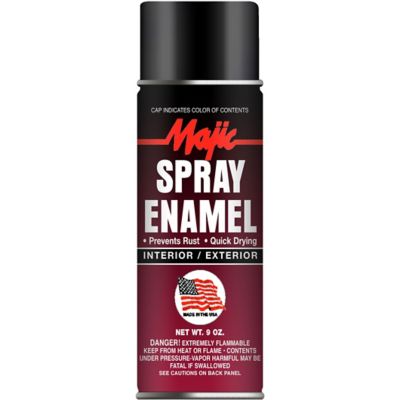
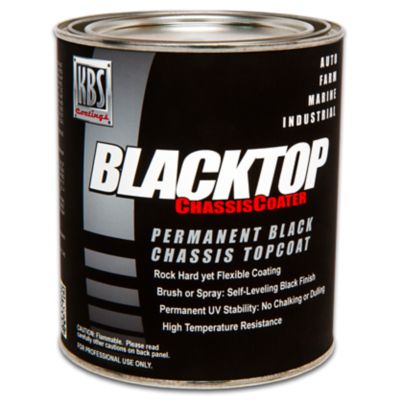
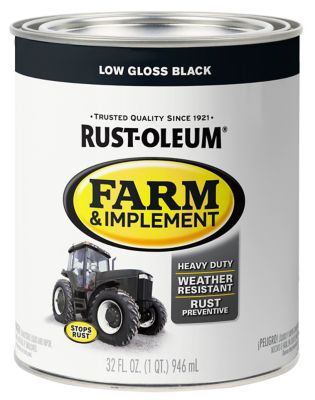
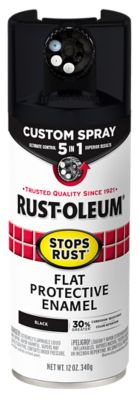
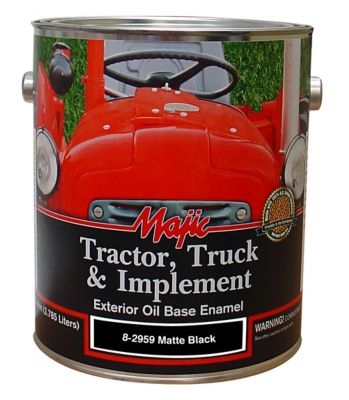
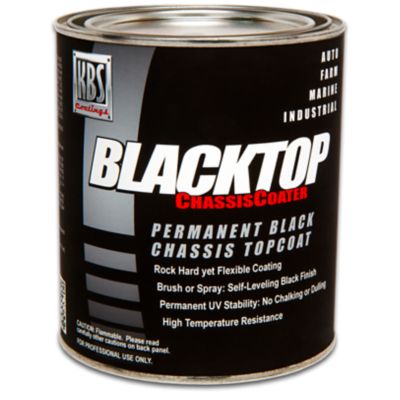
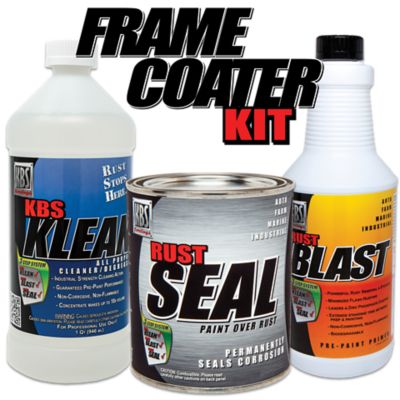
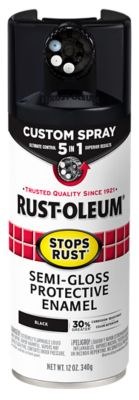
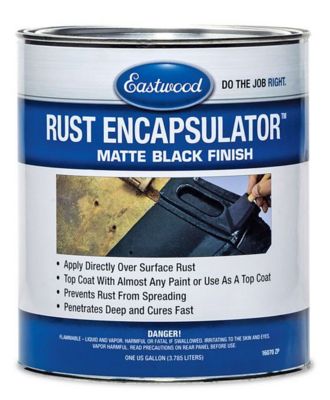
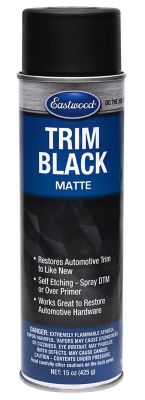
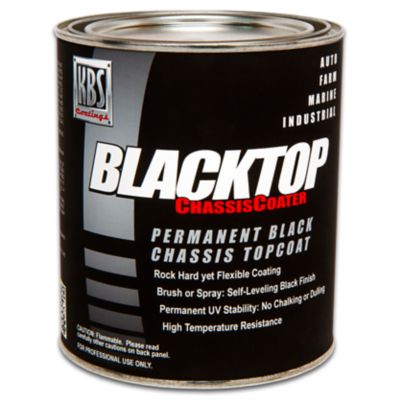
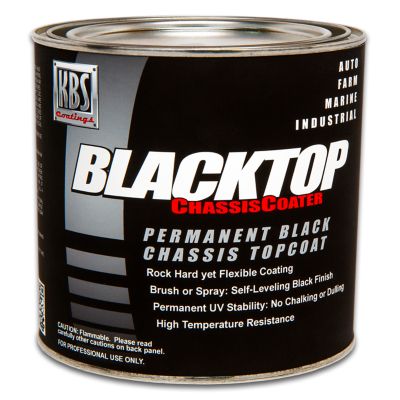
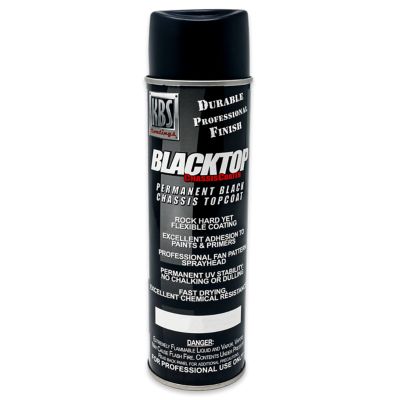
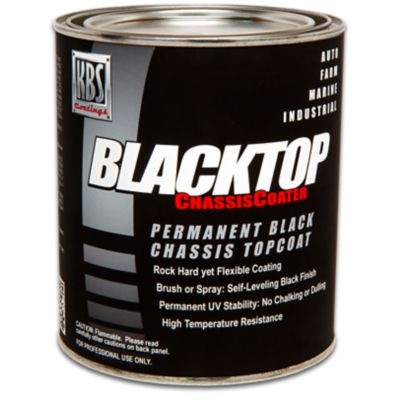
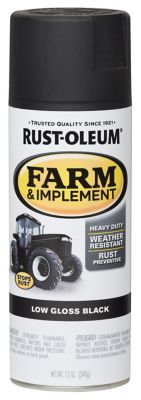
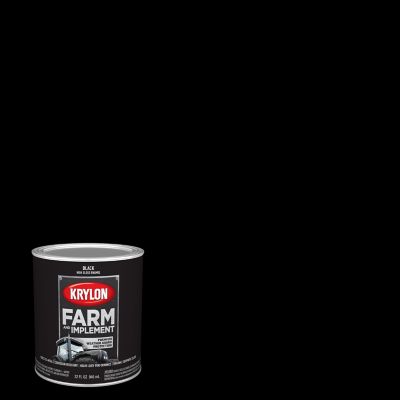
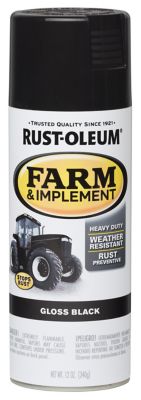
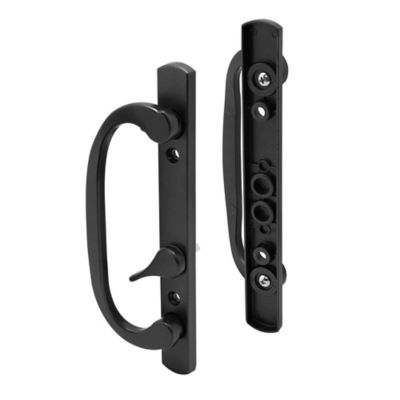
Matte black spray paint is a handy finish for giving everyday surfaces a clean, low-glare look without making a project feel overly polished or flashy. Its soft, non-reflective appearance works well in barns, workshops, mudrooms, garages, porches, and living spaces, especially where a simple black finish can help old or mismatched pieces look more pulled together. Homeowners may use it to refresh metal brackets, shelving, light fixtures, plant stands, hardware, toolboxes, patio accents, and decorative pieces, while DIYers and farmers often keep a can nearby for touch-ups on shop fixtures, sign frames, gates, hinges, and other small items. Matte black can also add a modern touch to interior projects, including coordinating trim or hardware with
Matte Black Interior Door Handles. Before choosing a can, check that the paint is made for the material and setting you have in mind. Formulas can vary for wood, metal, plastic, masonry, and previously painted surfaces, and an indoor project may call for different features than an outdoor one exposed to sun, rain, dust, or changing temperatures. Look for coverage information, drying and recoat guidance, finish description, and any primer or surface limitations listed on the label. A paint-and-primer formula may help simplify a small project, but good surface preparation still makes a noticeable difference. Matte paint is especially useful when you want to hide minor visual distractions, reduce glare from a bright workshop light, or create a uniform finish across several pieces. It will not hide deep rust, peeling paint, oil, dents, or rough grain, though, so those conditions should be handled before spraying. When the weather is suitable, this type of paint can make a practical gift for a new homeowner, a handy friend, a weekend woodworker, or anyone setting up a garage workspace. Pairing spray paint with sanding supplies, drop cloths, gloves, or small project hardware can turn a basic can of paint into a useful shop gift.
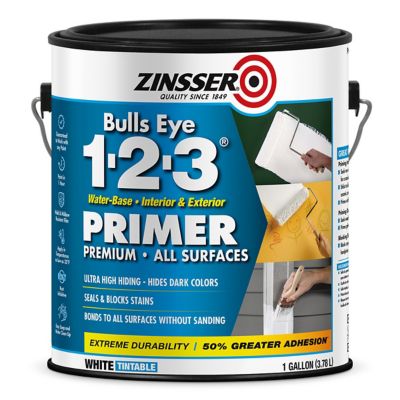
The best finish starts before the nozzle is pressed. Move the project to a clean, well-ventilated area away from open flames, sparks, heaters, and anything that could ignite paint vapors. Outdoor spraying is often convenient, but avoid windy conditions that can carry overspray onto vehicles, siding, feed areas, windows, or freshly finished surfaces. A covered, well-aired workspace can be helpful during the cooler months, provided the temperature and humidity fall within the range recommended on the label. Wear the protective equipment called for by the product directions, including eye protection and suitable gloves, and keep children, pets, and livestock away until the work area is clear and the finish is fully dry. Start by removing dirt, dust, grease, wax, and loose rust. A clean rag and an appropriate cleaner can help with general grime, while a wire brush or scraper may be needed for flaking paint and surface rust. Allow the piece to dry completely, then lightly sand glossy areas or rough patches so the new coating has a better surface to grip. Fine sandpaper around 220 grit is commonly useful for smoothing and dulling a slick finish, although the surface and paint directions should guide the final choice. Wipe away sanding dust before painting. On bare metal, plastic, or other difficult surfaces, a compatible primer may improve adhesion and help the finish stay even. Test the paint on a hidden area or scrap material when possible, since color and sheen can look different over an old finish than they do on the cap. In the shop, a few extra minutes spent cleaning the legs of a metal stool or sanding the edge of a wooden sign usually saves far more time than trying to correct a drip later.
For a smooth matte black finish, shake the can vigorously for about one full minute, or for the amount of time listed on the label, and continue shaking occasionally while working. Hold the can roughly 10 to 12 inches from the surface unless the directions call for a different distance. Begin moving your hand before pressing the nozzle, sweep across the piece in steady passes, and release the nozzle just after passing the opposite edge. Several light coats are generally better than one heavy coat because thin layers are less likely to sag, run, wrinkle, or leave a glossy wet spot. Let each coat dry for the recommended time before adding another; cool temperatures, high humidity, heavy coverage, and poor airflow can all extend drying time. Pay attention to corners, undersides, welds, edges, and textured areas, but resist the urge to flood them with extra paint. A light touch produces a more even sheen, much like applying thin coats of finish to a wooden gate rather than trying to cover the grain in one pass. Once the final coat has dried, allow the project to cure as directed before putting it back into service, stacking it, or exposing it to hard use. For future storage, turn the can upside down and spray for about three seconds, when the label permits, to help clear paint from the nozzle. Wipe the tip if needed, replace the cap, and store the can safely according to its instructions. With thoughtful prep, controlled spraying, and patience between coats, matte black spray paint can help freshen useful items and small projects with a durable-looking finish that fits comfortably from early fall projects through the cooler months.