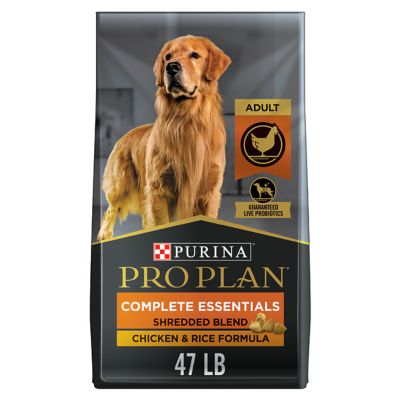
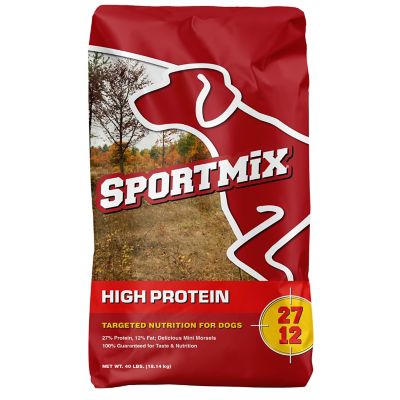
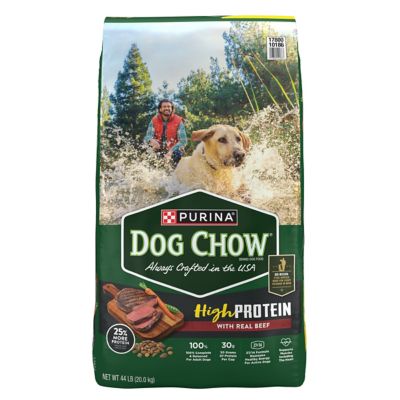
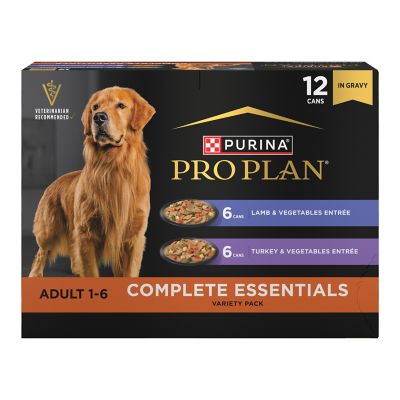
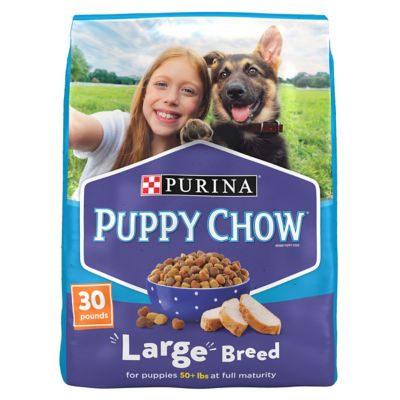
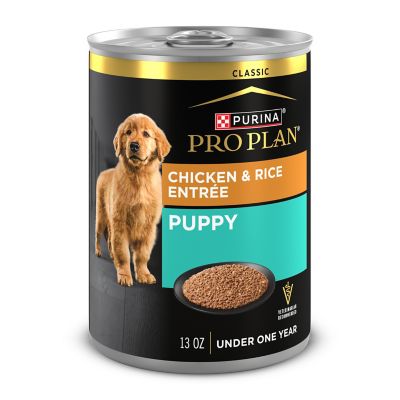
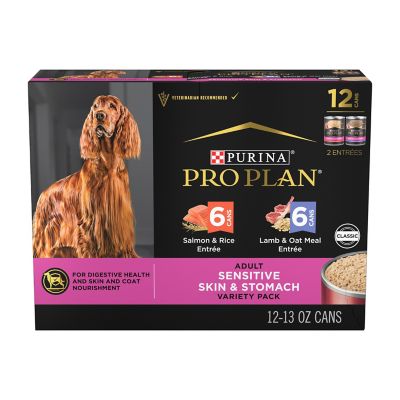
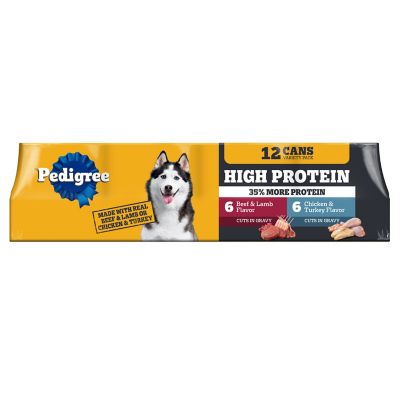
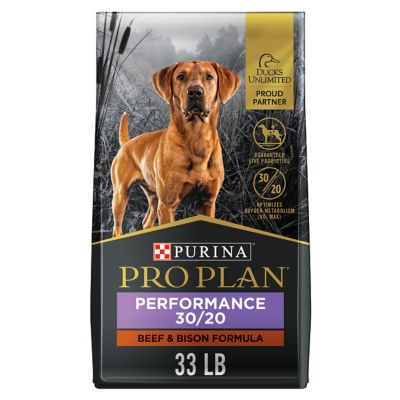
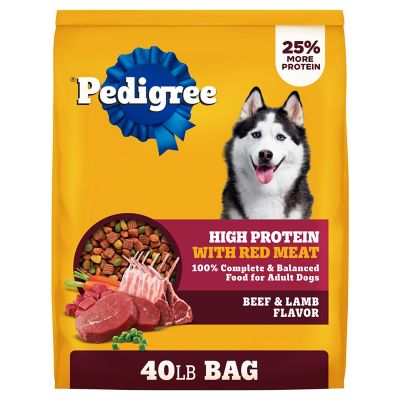
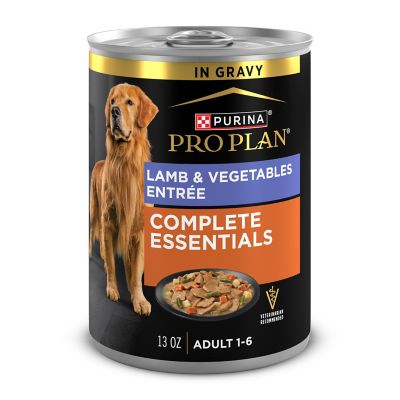
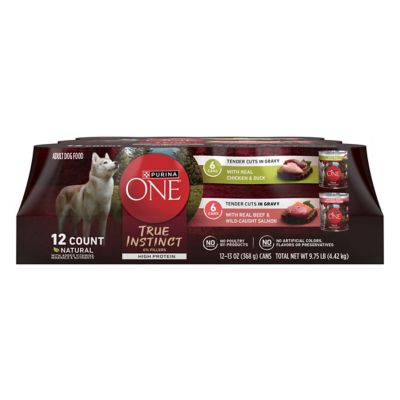
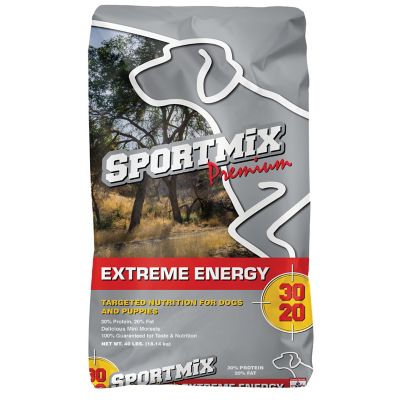
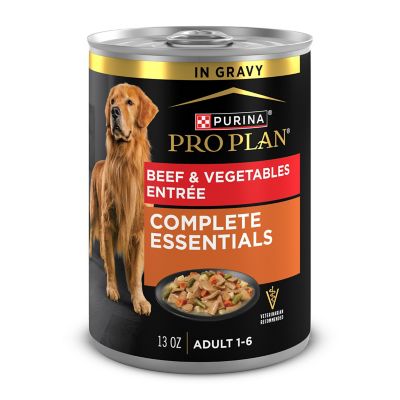
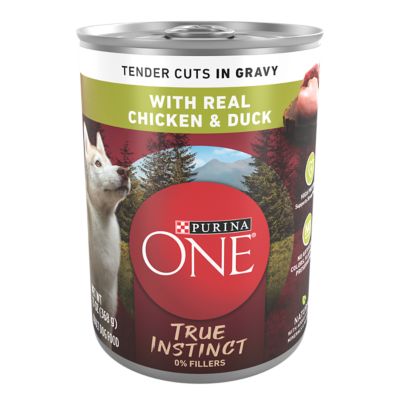
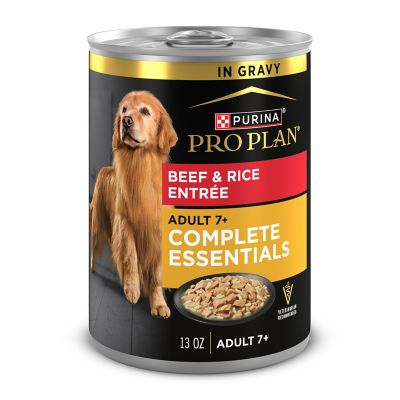
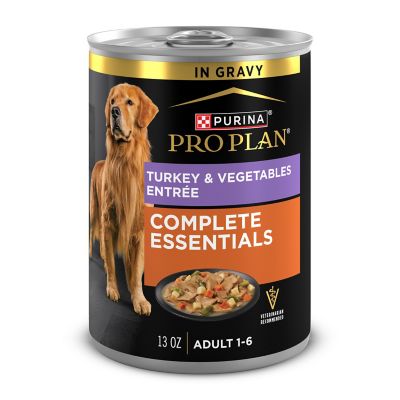
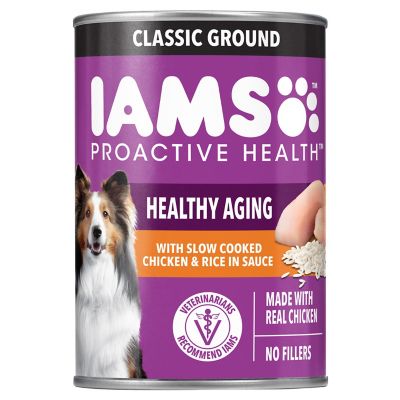
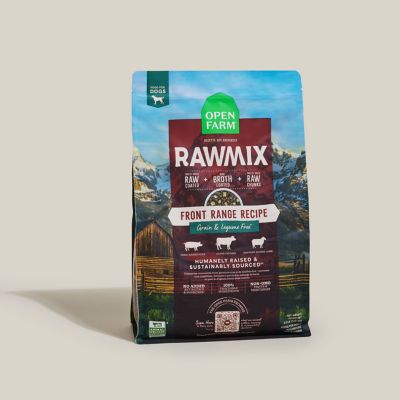
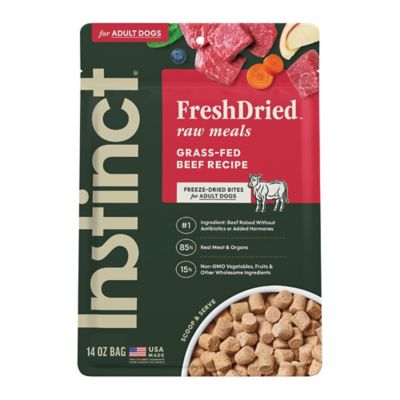
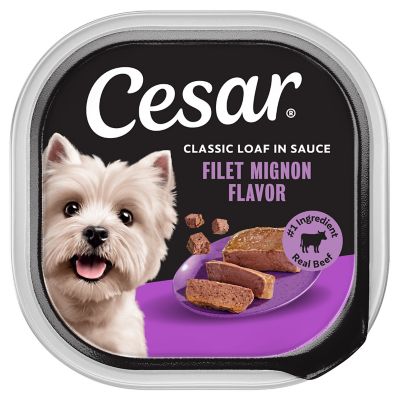
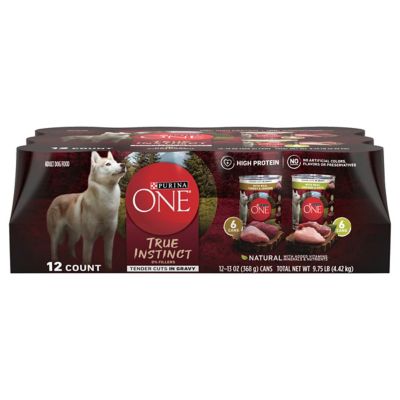
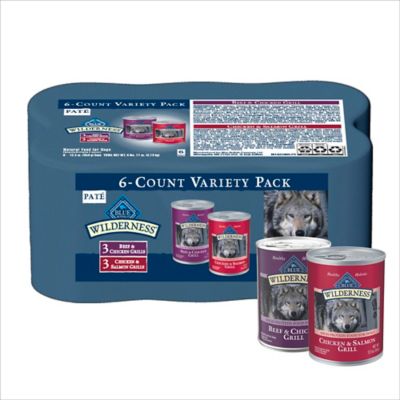
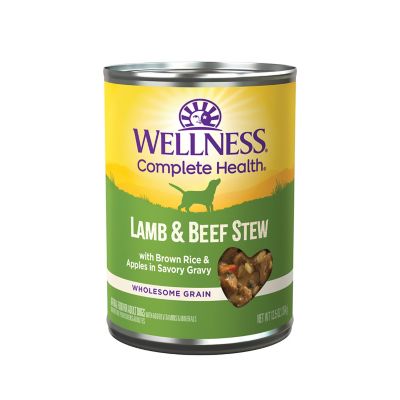
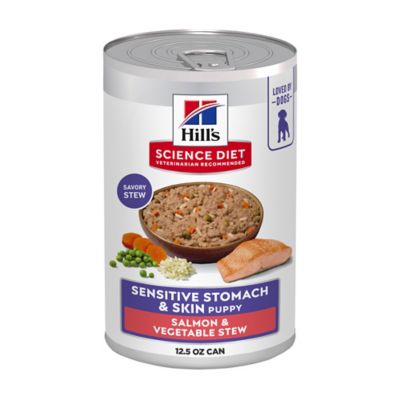
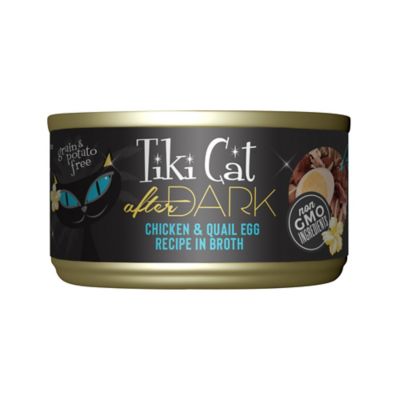
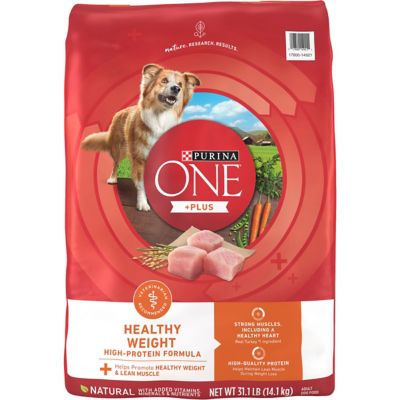
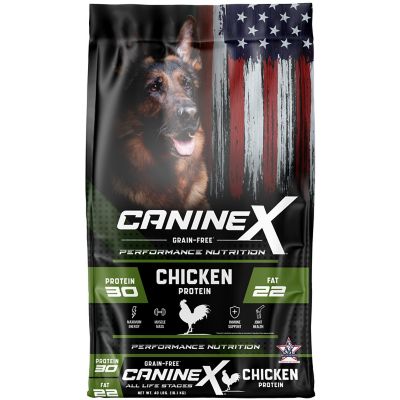
High protein dog food is made for dogs that need plenty of dependable fuel for daily work, play and muscle maintenance. Active dogs that spend their days running beside an ATV, checking fence lines, training, hiking or working livestock may use more energy than a dog who prefers a quiet spot on the porch. Growing puppies, athletic adult dogs and some senior dogs with good muscle condition may also benefit from a recipe that provides ample protein, though the right food still depends on age, size, health and activity level. On a dog food label, protein is listed as “crude protein,” which refers to the amount of protein measured in the food, not the quality of every protein source. Many high protein formulas fall in the range of roughly 30% to 40% or more crude protein on a dry matter basis, but the percentage alone does not tell the whole story. Look for a complete and balanced food made for your dog’s life stage, with a named animal protein such as chicken, turkey, beef, lamb, salmon or whitefish near the beginning of the ingredient list. These foods supply amino acids that help support lean muscle, tissue repair and everyday strength. Some recipes also include organ meats, which can provide naturally occurring nutrients such as iron and vitamin A, while fish ingredients may add omega fatty acids for healthy skin and a glossy coat. Grain-free is not automatically better, and grains are not automatically a problem for most dogs; the better choice is the recipe your dog digests well and your veterinarian considers appropriate. A sturdy farm dog that comes in dusty from a long day may thrive on a rich, meat-forward recipe, while a less active house dog may gain unwanted weight if fed more calories than it can burn.
When comparing high protein dog food, check more than the front of the bag. Calories per cup or can matter just as much as protein, especially for smaller dogs, dogs prone to weight gain and pets that get training treats throughout the day. Fat supplies concentrated energy, which can be useful for working and sporting dogs, but a high-fat food may not suit every dog. Read the feeding directions as a starting point, then adjust portions based on body condition, activity and weight changes. You should be able to feel your dog’s ribs under a light layer of padding, and the waist should be visible when viewed from above. If the ribs disappear beneath a thick layer or the collar starts fitting tighter, trim portions and reassess treats. Dogs with known kidney, liver or other medical conditions may need a carefully managed diet, so talk with a veterinarian before making a high protein food the centerpiece of their meals. The same goes for puppies, pregnant or nursing dogs and older pets whose nutritional needs have changed. For dogs with food sensitivities, read the full ingredient panel and choose a limited-ingredient recipe when appropriate. Chicken, beef and other common proteins can cause trouble for some individual dogs, while fish or another less familiar protein may be better tolerated. Introduce a new food slowly over about seven to 10 days, mixing a little more of the new recipe with the old food each day. That gradual switch can help avoid the loose stools and gurgly belly that sometimes follow an overnight change. Keep dry food sealed in its original bag inside a cool, dry place, and refrigerate opened wet food according to the package directions. During the warmer part of the year, avoid leaving a filled bowl in the sun or near a hot barn wall, since heat and humidity can affect freshness.
High protein dog food can be a practical choice for households with several dogs, from a young trail companion to an older dog that needs help holding onto healthy muscle. It can also make a thoughtful gift for a new dog owner, a family bringing home an active breed or a friend who has recently adopted a hungry shelter dog, although checking the dog’s age, allergies and current feeding routine before gifting food is a kind step. A small bag or a single case may be useful for trying a recipe, while larger bags can make sense for kennels, multi-dog homes and people who go through food quickly. Keep an eye on how your dog responds after meals: steady energy, firm stools, a healthy coat and a comfortable appetite are encouraging signs, while repeated itching, vomiting, diarrhea or sudden changes in weight deserve a call to the veterinarian. Some dogs do best with dry food that is easy to scoop into a travel container for camping or a day on the property; others prefer wet food mixed in for extra moisture and flavor. Fresh water should always be available, especially when a dog is eating a concentrated, protein-rich diet or spending long hours outdoors during hot weather. As the weather cools and walks stretch into the evening, a well-fed dog may be ready to head out again, but food should work alongside regular exercise rather than replace it. Cats have different nutritional requirements from dogs, so households shopping for both pets should choose a separate diet, such as
High Protein Cat Food, for their feline companions. With the right life-stage formula, sensible portions and a gradual transition, high protein dog food can help support the strong legs, bright eyes and steady get-up-and-go that make a good dog such a valuable part of the family.