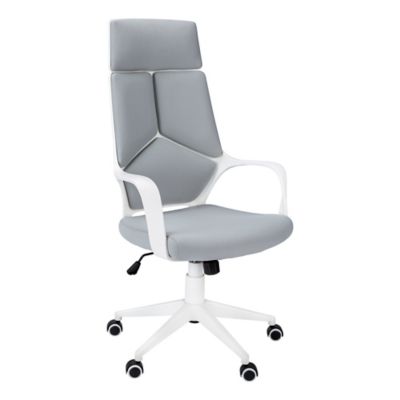
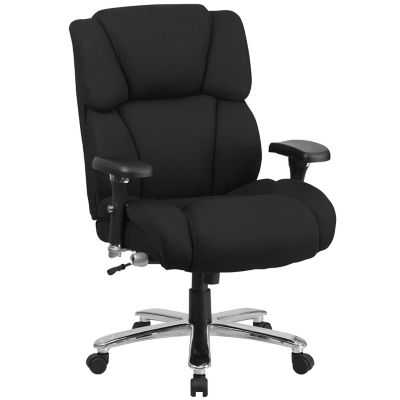
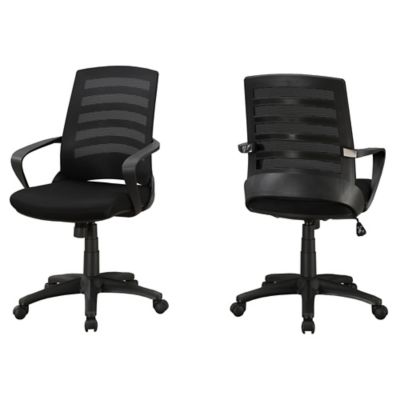
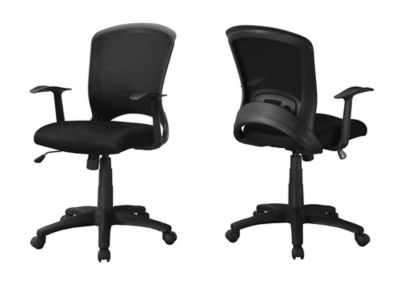
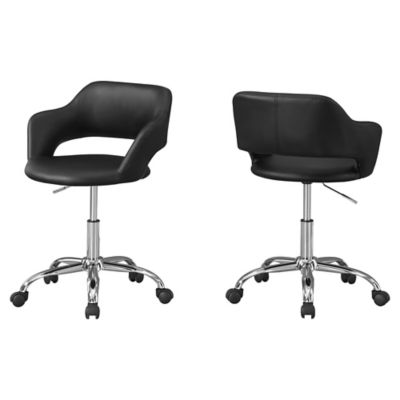
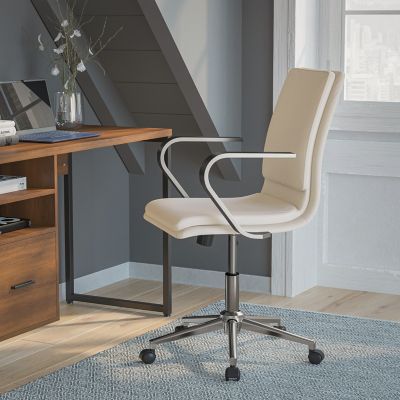
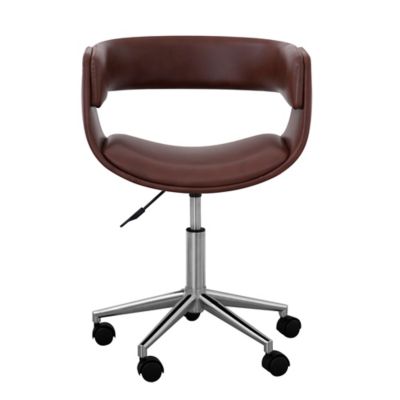
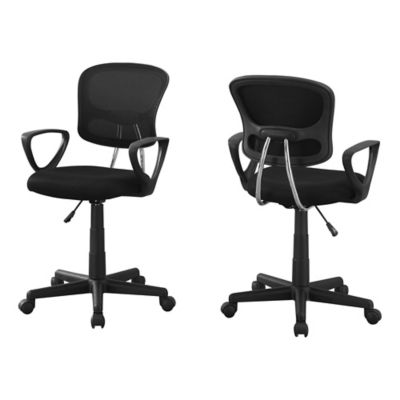
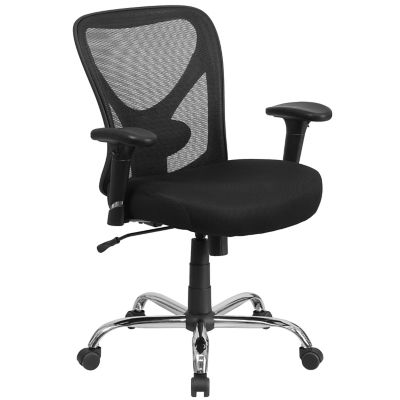
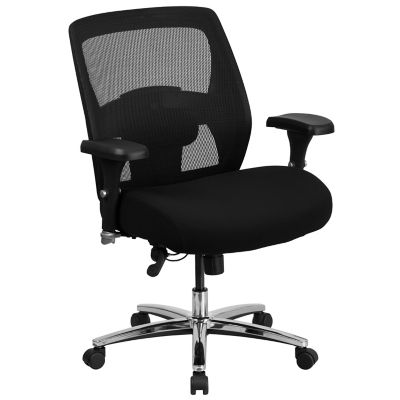
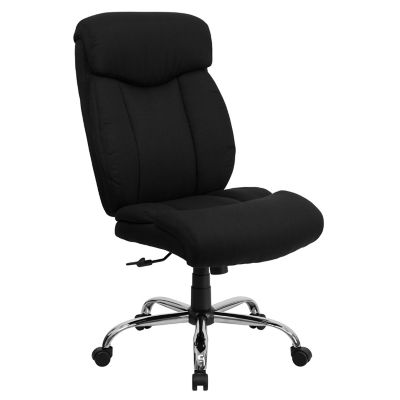
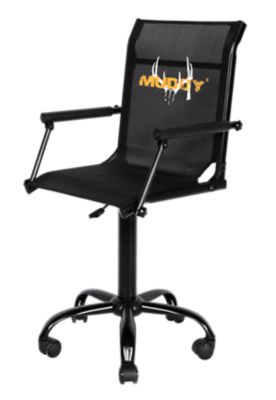
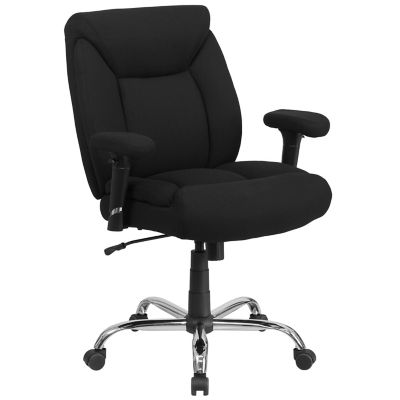
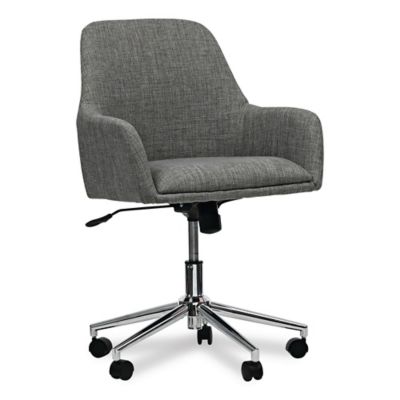
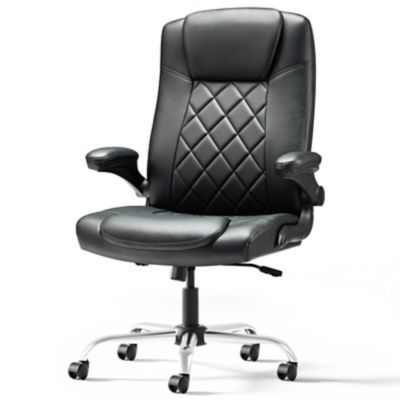
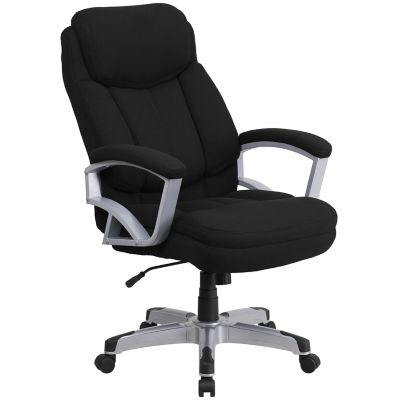
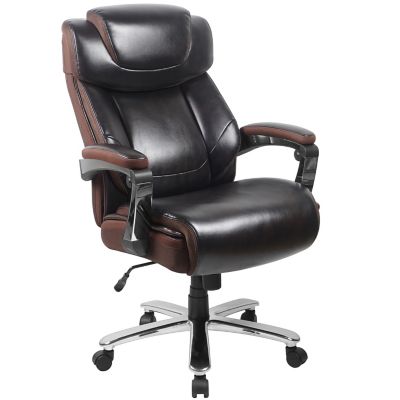
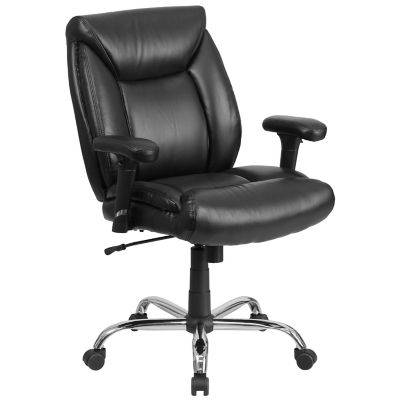
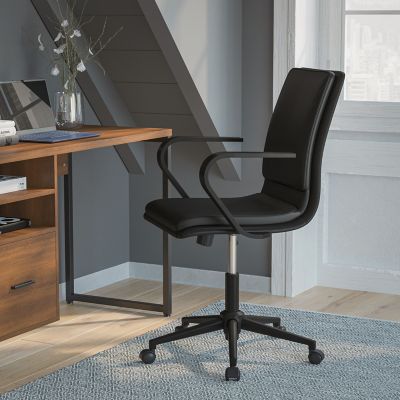
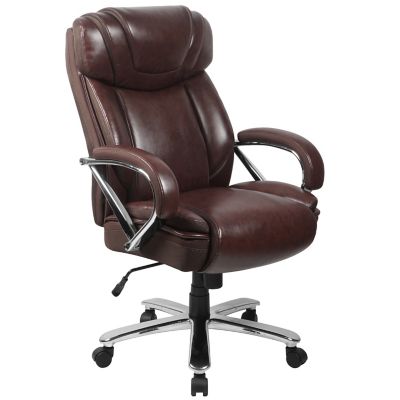
Height-adjustable office chairs let you raise or lower the seat to suit your desk, your leg length, and the work in front of you. A well-fitting seat allows your feet to rest flat on the floor or on a footrest, with your knees bent at roughly a right angle and your shoulders relaxed. That matters whether your desk holds a laptop and household bills or a full spread of farm records, feed invoices, and equipment paperwork. Many standard office chairs have a seat-height range of about 16 to 21 inches from the floor, though measurements vary by design. The listed minimum and maximum seat heights tell you more about fit than the chair’s overall height, which includes the backrest. A pneumatic lift, typically operated by a lever beneath the seat, makes it easy to change position without moving the desk. Height adjustment also helps a shared workspace serve more than one person: someone handling morning bookkeeping may need a different setting than someone finishing homework later in the day. Seat width and depth deserve just as much attention as the lift range. There should be room to sit comfortably without feeling squeezed, while the front edge leaves a little space behind your knees when your back rests against the chair. A seat that is too deep can leave a shorter person sitting forward without back support; one that is too shallow may offer too little thigh support for a taller person. Armrest clearance matters, too, especially with an older wooden desk, a keyboard tray, or a drawer directly above your lap. The chair needs to tuck close enough for easy reach without forcing you to lean toward the screen. For a home office, a ranch office, or a small-business desk, these everyday dimensions help turn a chair from a place to perch into seating that fits the job.
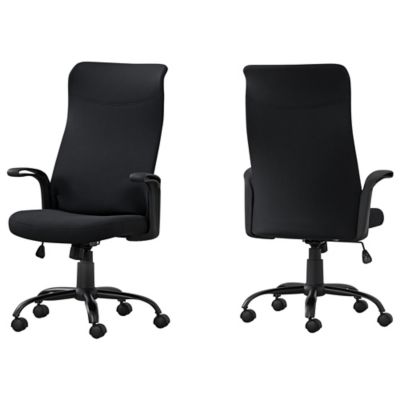
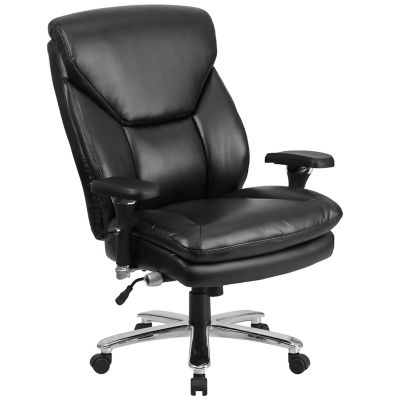
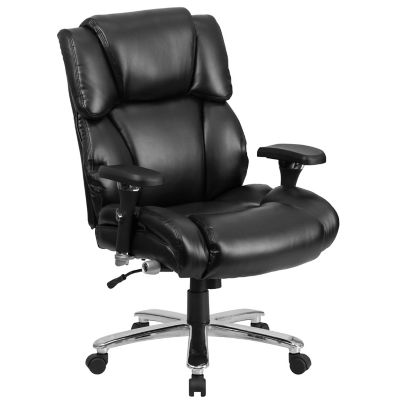
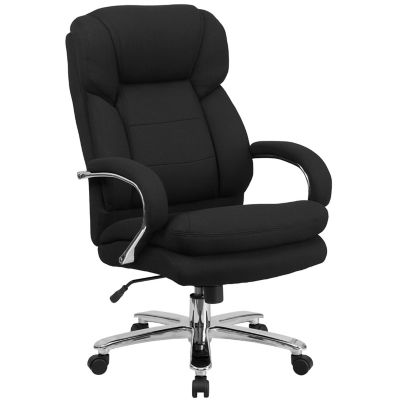
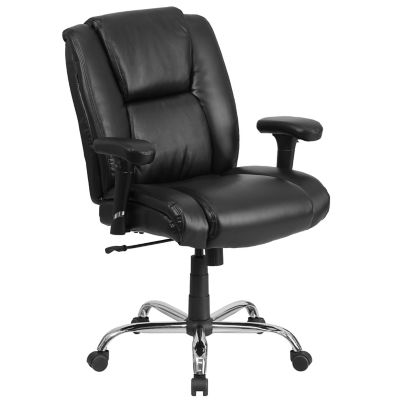
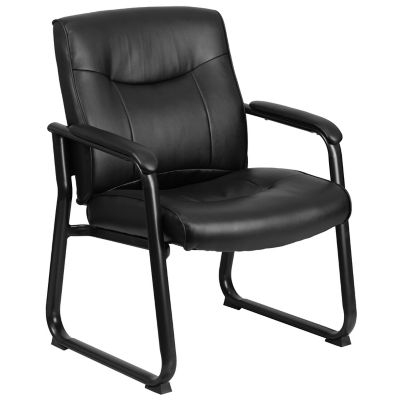
The materials and support features of height-adjustable office chairs shape how they feel through a quick round of email or a longer stretch of recordkeeping. Mesh backs allow airflow and often have a lighter, more open feel, while upholstered backs provide a cushioned surface. Fabric upholstery offers texture and grip, although the weave can collect dust, crumbs, and pet hair. Leather and synthetic leather have different care requirements, even when they look similar, so the upholstery description is worth a close look. Smooth surfaces may be easier to wipe after an ordinary spill, but seams, finishes, and cleaning restrictions still matter. Beneath the covering, cushion firmness and shape affect how evenly the seat supports you. A thick cushion is not automatically the better fit; enough support to keep you from sinking too far can matter more than a plush first impression. Lumbar support follows the inward curve of the lower back, and adjustable versions allow the support point to move to suit different torsos. Backrest height, seat-depth adjustment, and armrests that move up and down give different users more ways to settle in. Armrests work best when they support the forearms without lifting the shoulders or blocking access to the desk. Tilt tension controls how much effort it takes to lean back, while a tilt lock holds a position where the chair’s design permits. Those functions are separate from seat-height adjustment, and not every chair includes them. For shoppers drawn to a taller back and more substantial cushioning,
Ergonomic Executive Desk Chairs offer another seating style to consider alongside the measurements that matter at the desk. Even with several adjustment points, no chair replaces a change of position or a short break from sitting. The practical aim is support that works with your tasks, whether that means typing purchase orders, checking a spreadsheet, or turning to speak with someone across the office.
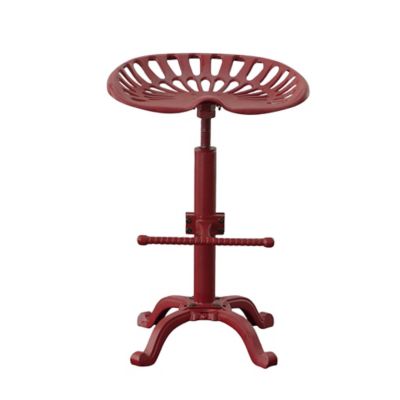
Construction, floor contact, and routine care round out what makes an adjustable office chair suitable for everyday work. Bases commonly feature metal or molded components, and a broad five-point base helps support the chair as you turn and reach within the workspace. Weight capacity is a model-specific limit, not something to judge by the size of the cushion or the appearance of the frame. Many standard chairs list capacities around 250 to 300 pounds, but ratings vary, and designs intended for higher loads have their own stated limits. The manufacturer’s rating and assembly directions should govern the choice. Casters also need to suit the floor: wheels intended for carpet may behave differently on wood, vinyl, or tile, while a floor protector should match both the flooring and the chair’s rolling needs. At a raised work counter, a standard office chair may not reach high enough. Drafting-height chairs have taller lift ranges, sometimes reaching seat heights of 30 inches or more, and often include a foot ring to support the feet above the floor. They are a separate fit consideration, not a substitute for checking counter clearance and legroom. In a working office near a shop or barn, fine grit tracked in on boots can collect around wheels and moving parts. Removing loose debris, vacuuming upholstery with an appropriate attachment, and wiping surfaces according to the care label help keep the chair tidy and moving freely. Fasteners may need periodic checks as directed by the manufacturer, especially after assembly. Lift cylinders and tilt mechanisms should be serviced only as instructed, rather than taken apart at home. For long-term performance, attention to the frame, upholstery, moving parts, and stated use limits matters more than appearance alone. Height-adjustable seating can make a thoughtful gift for someone setting up a home business or taking over the family bookkeeping, provided their desk measurements and seating needs are known. From a compact corner workspace to a dedicated farm office, the right proportions and straightforward adjustments make it easier to sit down and get the paperwork handled.