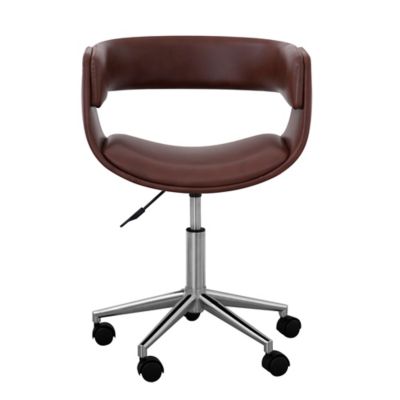
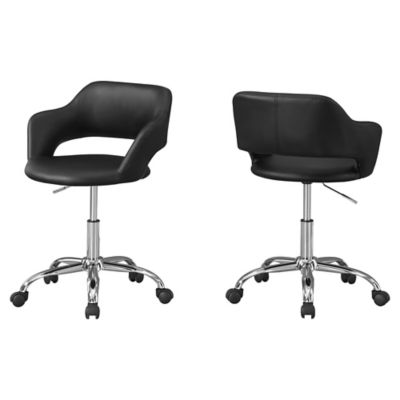
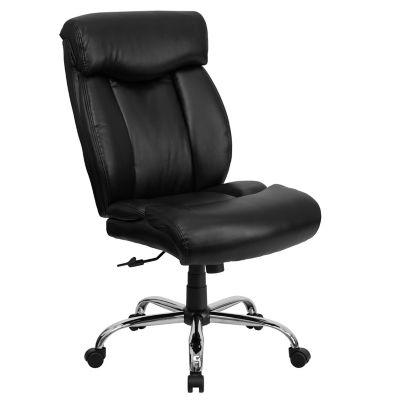
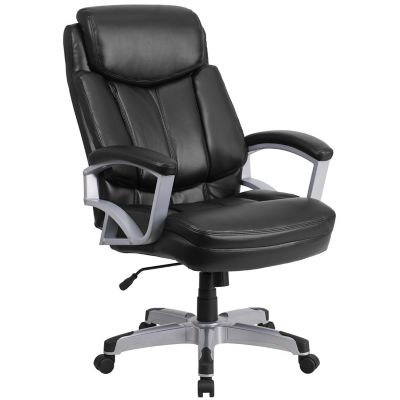
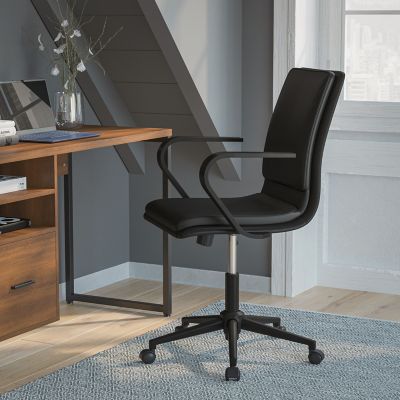
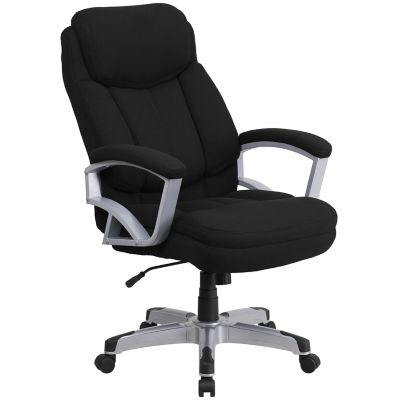
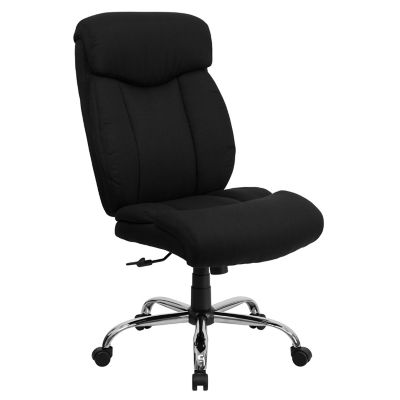
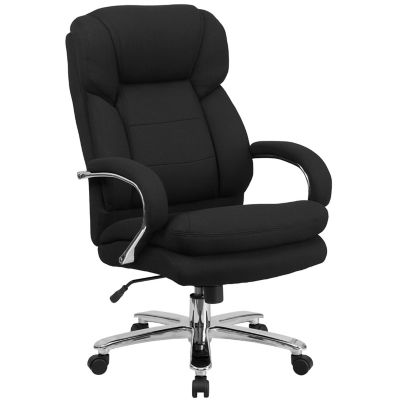
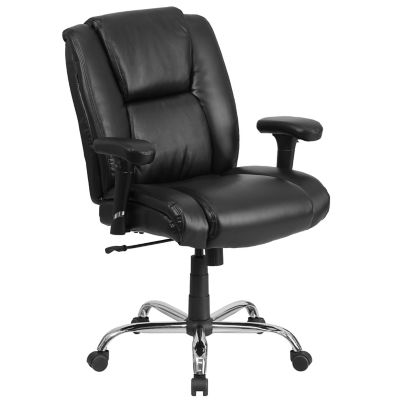
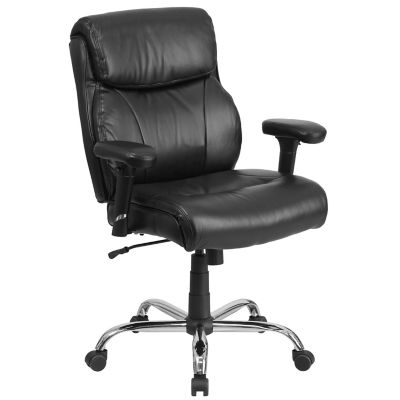
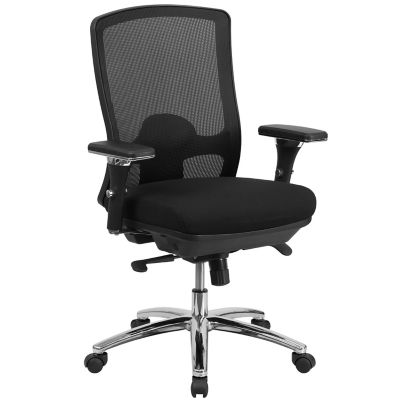
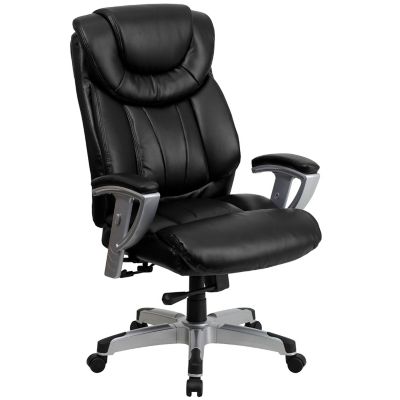
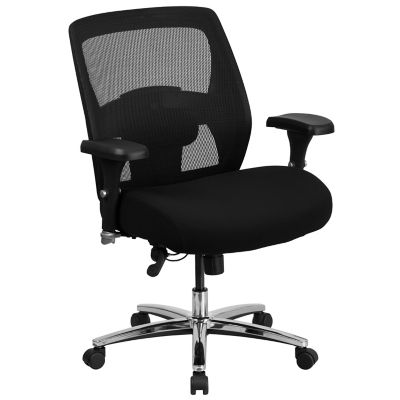
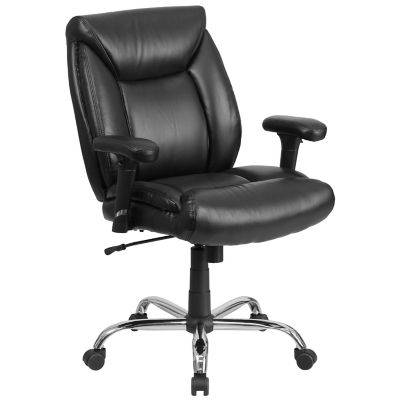
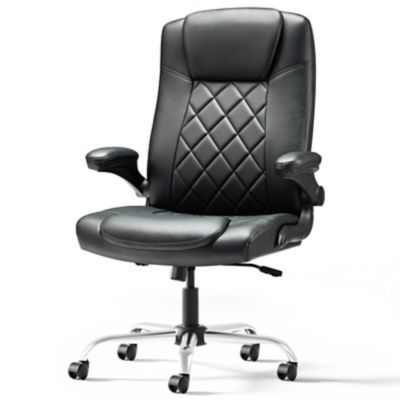
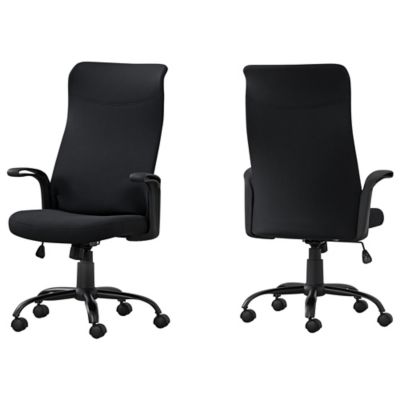
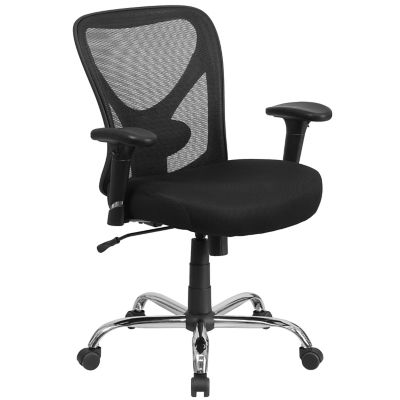
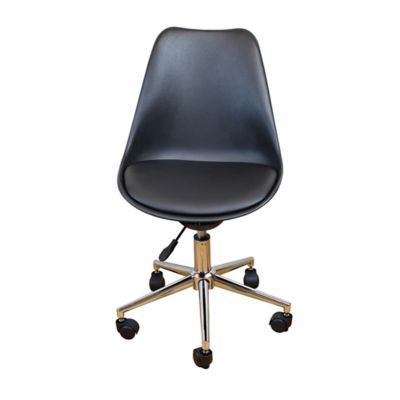
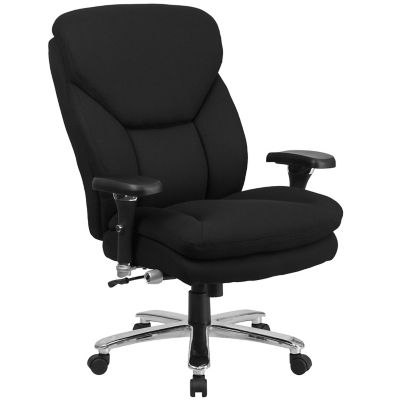
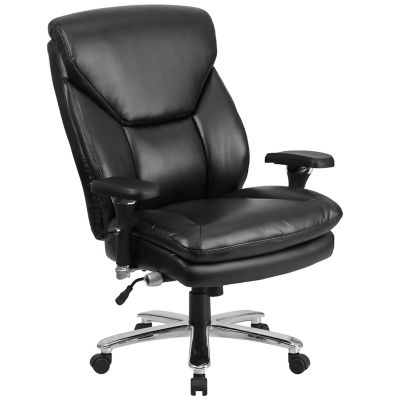
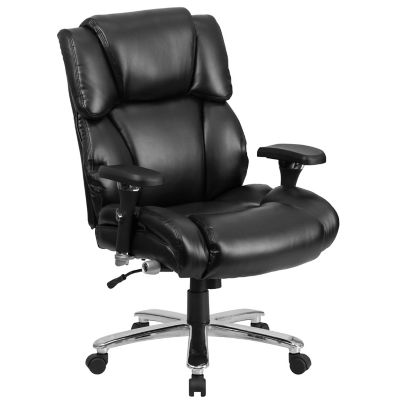
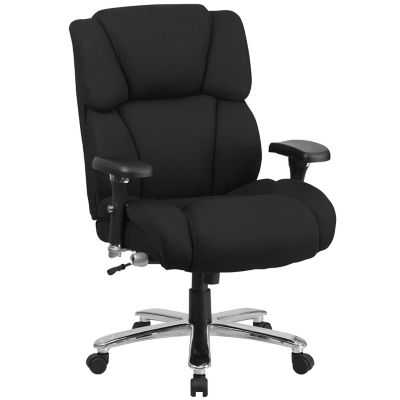
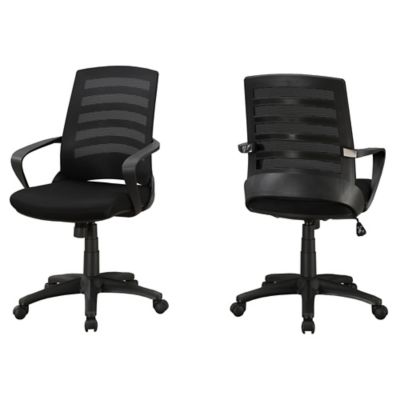
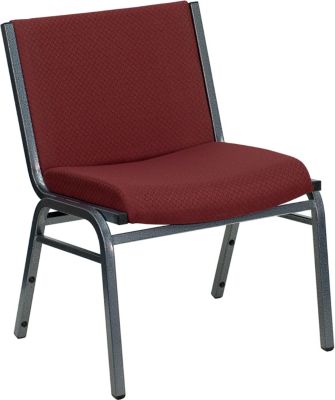
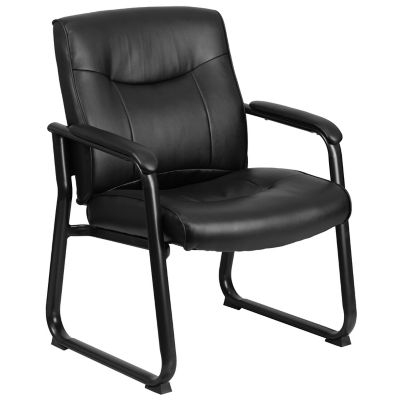
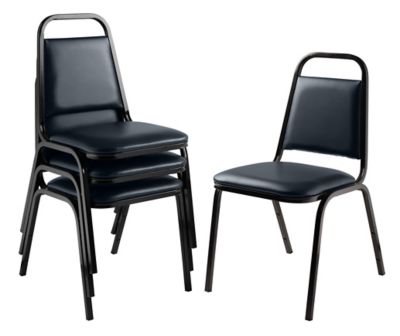
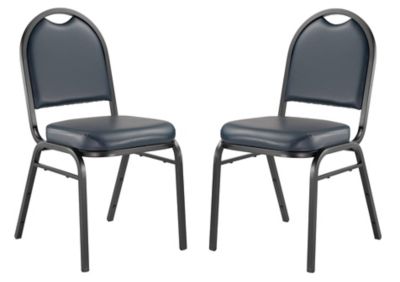
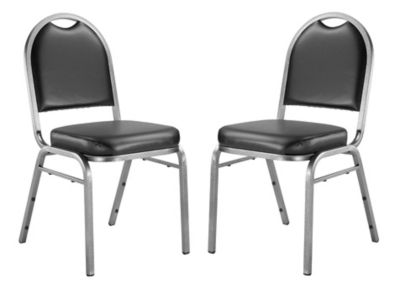
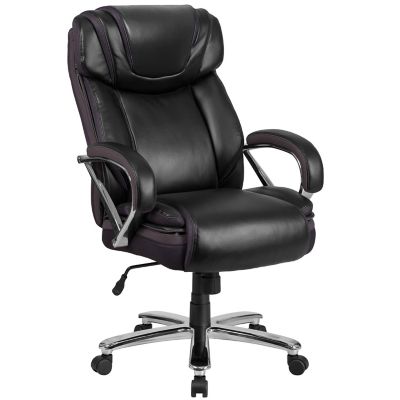
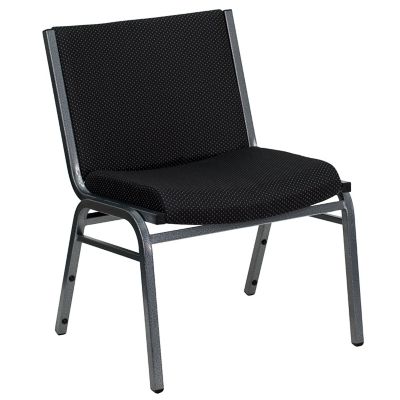
Upholstered office chairs with wheels combine cushioned seating, a covered seat or back, and a rolling base for everyday desk work. They fit into home offices, farm offices, shared family workspaces, and those corners where a laptop and a stack of paperwork need a proper place. Rolling movement makes it easier to pull up to a desk, turn toward a filing cabinet, or move between nearby work surfaces without dragging chair legs across the floor. Upholstery adds a softer feel than a bare seat, while the covering helps set the look of the workspace. Woven fabrics offer texture and come in anything from quiet neutrals to richer colors that stand out against a wood desk. Polyester and microfiber coverings can suit everyday work areas, though cleaning needs depend on the particular fabric and its finish. Velvet has a plush surface with a nap that can show changes in direction, making its appearance shift as light hits the seat. Genuine leather has natural markings and develops character over time, while faux leather offers a similar look with different care requirements. Neither material should be treated as spillproof unless the manufacturer says so. In a busy office where coffee cups, feed receipts, and muddy boots sometimes share the same few square feet, a covering with clear cleaning instructions is worth considering. Seams, tufting, and stitched panels also affect upkeep: deep folds can collect crumbs and dust, while a simpler surface is easier to wipe or vacuum. Cushioning matters just as much as the outer covering. A thick seat may feel inviting at first, but thickness alone does not tell the whole story. Foam firmness, seat shape, and support underneath all influence how the chair feels through a morning of bookkeeping or an afternoon at the computer. A soft, lounge-like seat and a firmer task seat serve different preferences, so the intended work should help shape the choice.
Fit is what turns an upholstered rolling chair from a good-looking addition into a practical seat for regular work. Seat height should allow feet to rest flat on the floor or on a suitable footrest, with the desk positioned so shoulders can stay relaxed while typing. Seat depth deserves a close look, especially when several people share one workspace. Sitting against the backrest should still leave a little space behind the knees; a seat that runs too deep can make it harder for a shorter person to reach the back support. Seat width should allow comfortable movement without forcing the arms outward just to reach the armrests. Check the chair’s dimensions against both the person sitting in it and the available floor space, and follow the stated weight capacity. Armrests can provide a resting place between tasks, but their height and width need to work with the desk. A chair that cannot slide under a desk may leave someone leaning forward toward the keyboard, and thick upholstered arms can take up more room than their appearance suggests. Adjustable armrests or armless shapes offer different ways to handle that clearance, depending on the chair’s design. Back height matters, too. A mid-back profile can suit a compact desk area, while a taller back provides more contact along the upper body. For a taller silhouette and an added resting point behind the head,
High Back Office Chairs With Headrest are another seating category to consider. Headrest position still needs to match the sitter rather than push the head forward. Adjustable seat height, back support, and tilt tension can help accommodate different tasks, but not every upholstered chair includes each feature. Checking those details helps distinguish a chair meant for brief paperwork sessions from one intended for longer desk days. Even a well-fitting seat works best alongside occasional standing, stretching, and a workspace arranged so frequently reached supplies stay close at hand.
The wheels and base deserve the same attention as the upholstery, particularly in a working office where the chair moves throughout the day. Casters need to suit the flooring beneath them. Hard floors generally call for wheels identified as suitable for that surface, while carpet may require a different caster design or a chair mat rated for the carpet’s pile. Wheel material alone is not enough to settle the choice; follow the chair and flooring manufacturers’ recommendations to help limit scuffs, marks, and unnecessary resistance. A mat should sit flat and provide enough room for normal movement, rather than ending right where the chair rolls back from the desk. Floor transitions, deep rug edges, and uneven boards can interrupt travel, so a clear, level rolling area makes daily work simpler. A swivel base lets the seat turn without twisting the whole chair, which comes in handy when switching between a computer and a nearby ledger. Wheels are meant for repositioning around the workspace, not for stretching across the room to reach a high shelf. Standing up for a distant binder is the better move. For long-term service, look beyond the seat covering to the frame, base, attachment points, and adjustment mechanisms. Construction details and the manufacturer’s operating limits help explain how a chair is intended to perform. Routine care can also make a noticeable difference. Vacuum fabric with an upholstery attachment, clear hair and threads from the casters, and check accessible fasteners as directed in the care instructions. Blot spills promptly rather than rubbing them deeper into the covering, and test any permitted cleaner on an out-of-sight spot first. Leather, faux leather, and woven fabric may need very different treatments, so an all-purpose household spray is not always the right answer. Keeping grit off the floor helps protect both the rolling parts and the surface underneath. With the right proportions, suitable casters, and straightforward upkeep, an upholstered office chair with wheels can make the desk a more comfortable place to handle the day’s work, whether that means balancing farm accounts, finishing school assignments, or keeping household paperwork in order.