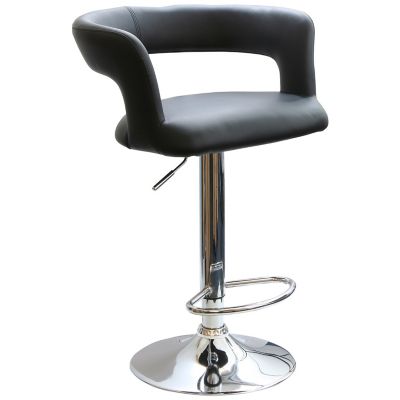
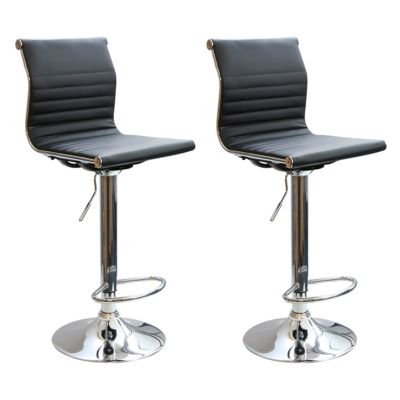
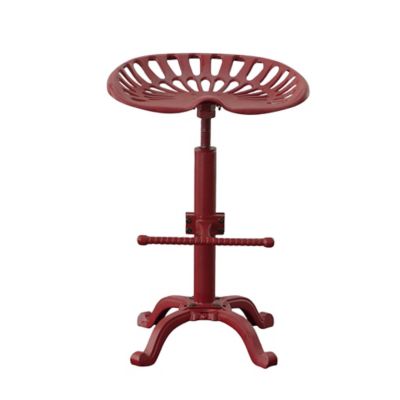
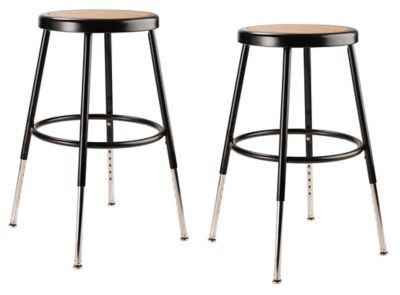
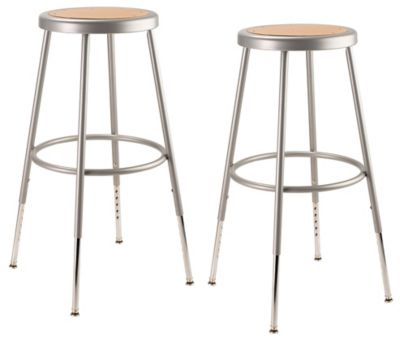
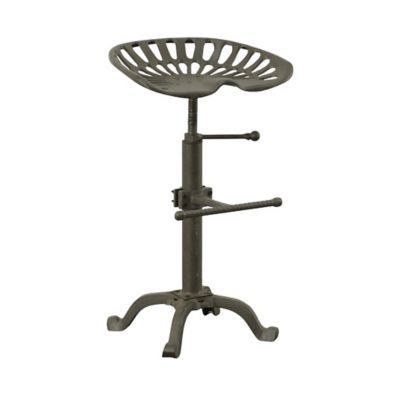
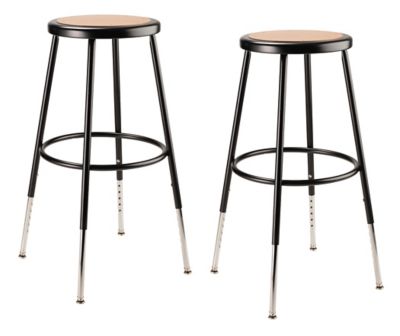
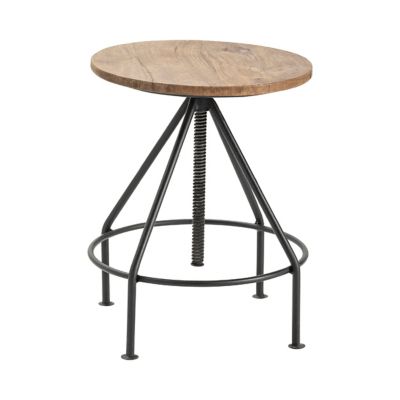
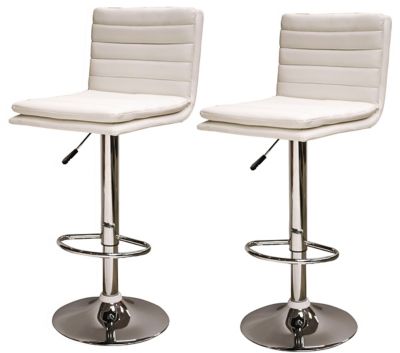
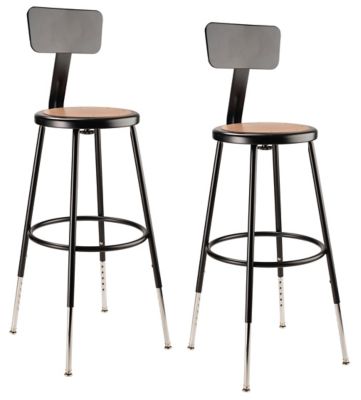
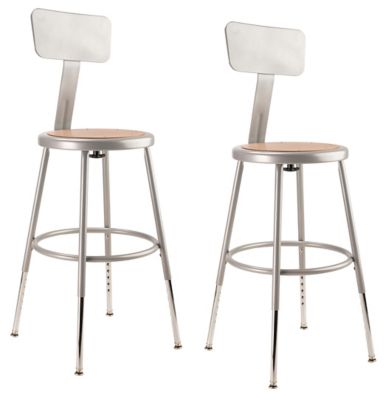
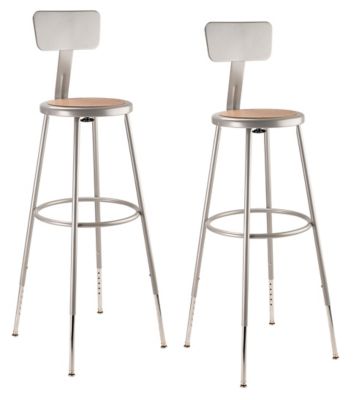
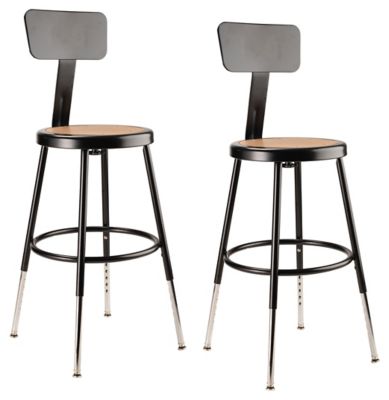
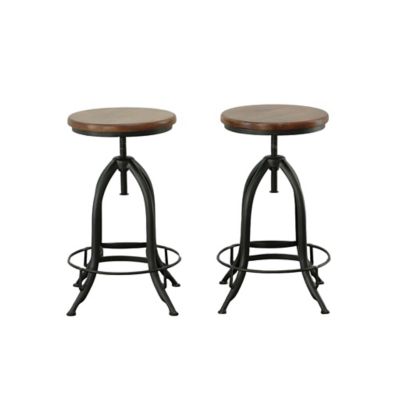
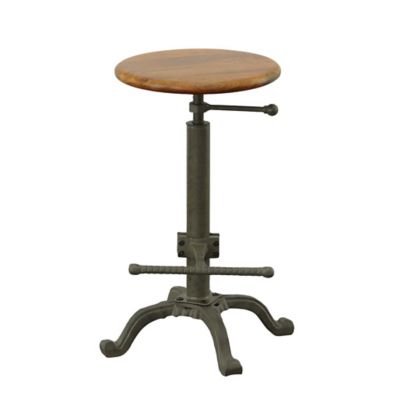
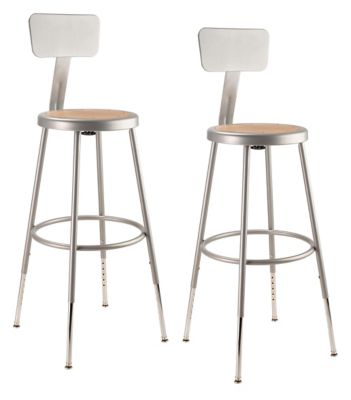
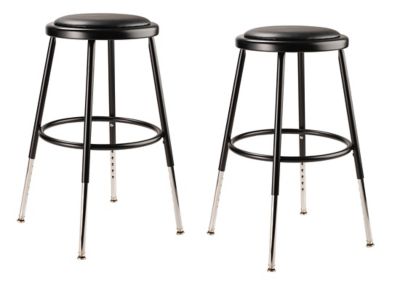
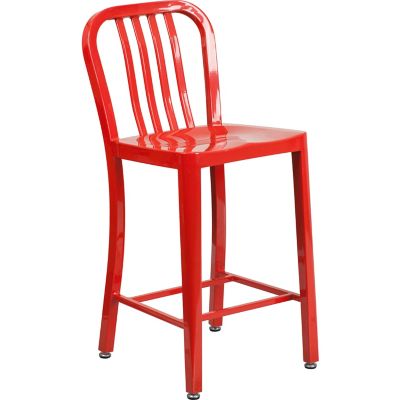
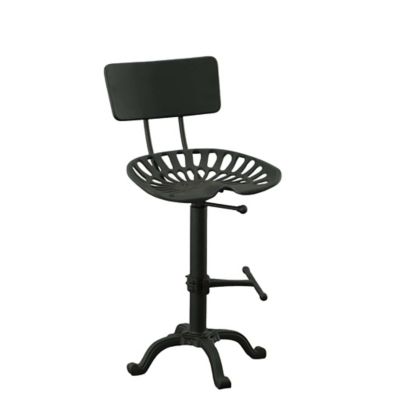
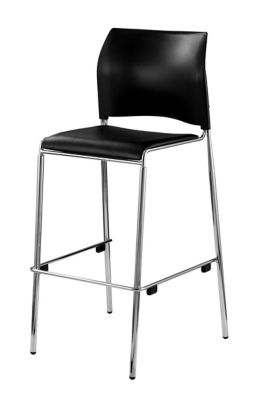
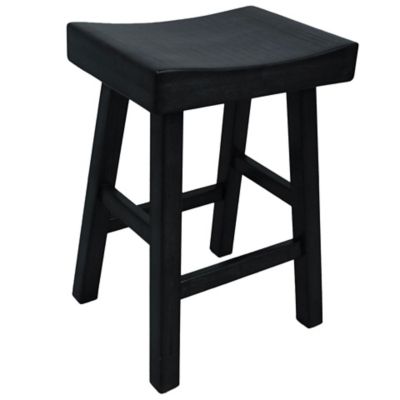
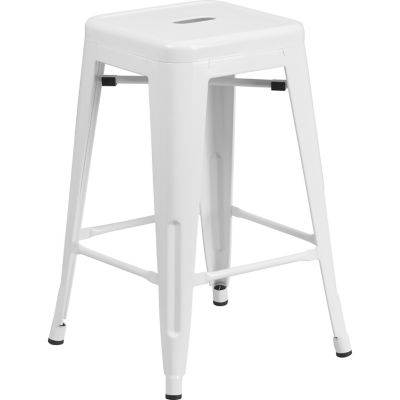
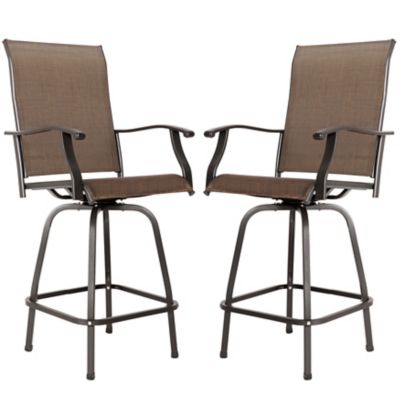
Adjustable height bar stools have seats that raise or lower to suit different counter heights and sitting preferences. Many feature a lever-operated gas lift, while others adjust with a threaded spindle that raises or lowers the seat as it turns. For a kitchen counter about 36 inches tall, a seat height around 24–26 inches is a common fit. Taller bars and tables measuring about 40–42 inches generally pair with seats around 28–32 inches high. A comfortable setup usually leaves about 9–12 inches between the seat surface and the underside of the counter or tabletop, with enough room for knees beneath any support rails. Those measurements are starting points rather than a promise that every stool fits every surface; the listed adjustment range, seat thickness and table construction all matter. That flexibility comes in handy at a farmhouse kitchen island where one person settles in with coffee and another pulls up a seat to sort the mail. It also suits home bars, game rooms and multipurpose spaces where seating needs may change. With many gas-lift designs, taking weight off the seat lets it rise, while sitting on it allows it to lower when the lever is engaged; operation depends on the mechanism. Screw-adjustable stools offer a different feel, with height set through rotation rather than a lift lever. Some stools also swivel, making it easier to turn toward a conversation without dragging the base across the floor. Swiveling and height adjustment are separate features, so both deserve a look in the specifications. When a tall gathering table is the main seating spot,
Bar Stools for Bar Height Tables offer another way to narrow the search around that setup. Whether the stool is for quick breakfasts or a long card game, its full height range should suit the surface where it will spend most of its time. Adjustability offers flexibility, but it cannot make up for a seat that starts too high or stops too low.
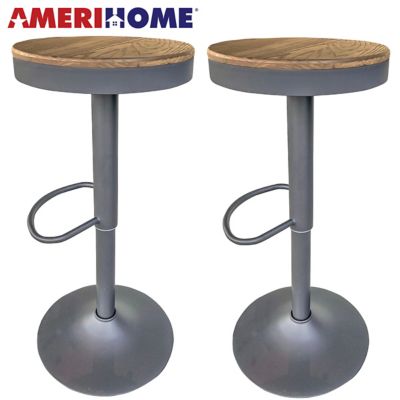
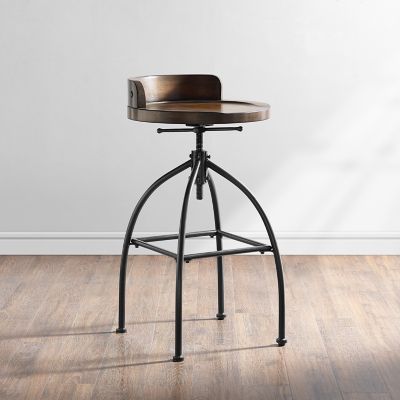
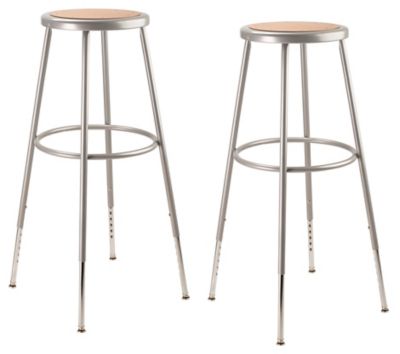
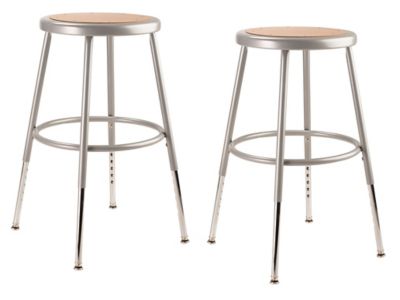
Materials shape how adjustable bar stools look, feel and hold up to everyday traffic. Steel frames bring a straightforward look that works alongside wood cabinets, concrete floors and simple kitchen hardware. Powder-coated finishes provide a protective surface over the metal, though scratches and chipped areas still deserve attention according to the maker’s care directions. Wood seats bring visible grain and a firmer sitting surface, while padded seats offer cushioning for lingering over supper or working through paperwork. Wood components benefit from prompt spill cleanup and cleaners suited to their finish; soaking a seat or leaving moisture around joints can cause trouble over time. Upholstered stools bring another set of practical choices. Faux leather often allows crumbs and small spills to wipe away readily, but harsh cleaners and abrasive scrubbers can damage the surface. Fabric upholstery offers texture and a softer feel, with care needs that depend on the fiber, weave and any applied treatment. In a busy kitchen, seams, tufting and deep creases can collect crumbs, so a simpler seat shape may make cleanup less of a chore. Around pets, tightly woven fabric and smooth surfaces may be easier to maintain than loose weaves that catch claws. Neither appearance nor material alone tells the whole story, though. Secure joints, sound welds, well-supported seat mounts and an adjustment mechanism suited to the intended load all contribute to lasting service. A broad pedestal base or a properly braced leg design provides support, and the stool should sit level without rocking. Floor protectors can help reduce scuffs, provided grit does not collect beneath them. Felt, rubber and plastic protectors behave differently on tile, wood and other flooring, so compatibility matters. An indoor stool also needs to stay within its stated setting; a metal frame does not automatically make upholstered seating suitable for outdoor use. For shared break areas or other business settings, the manufacturer’s stated use and maintenance requirements matter as much as the appearance.
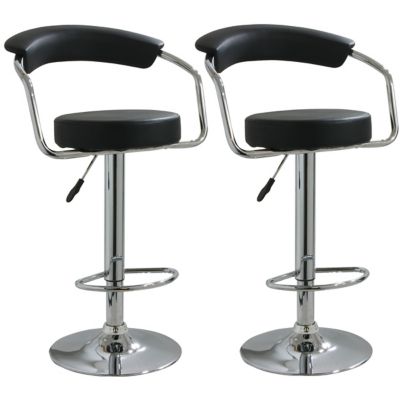
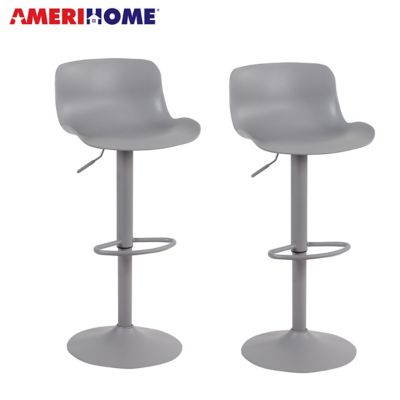
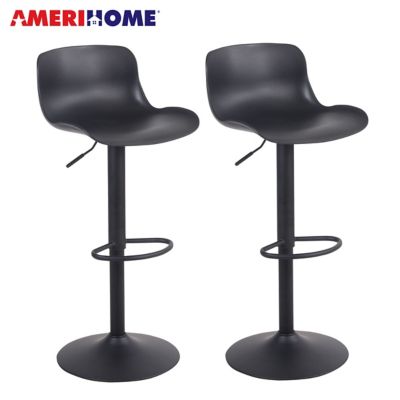
Comfort comes from the whole stool, not just the cushion. A full back gives someone a place to lean during a meal or conversation, while a low back offers some support without rising as far above the counter. Backless adjustable stools can tuck neatly beneath an overhang when their dimensions allow, keeping a smaller kitchen from feeling crowded. Arms provide another resting spot, but they need clearance beneath the counter and room beside neighboring seats. Seat width and depth deserve the same attention as height: a compact round seat feels different from a broad, contoured seat, especially after more than a few minutes. A footrest helps keep feet from dangling, and its position should feel comfortable at the height where the stool will usually sit. A footrest that moves with the seat can help preserve that relationship through adjustments, though designs vary. Layout matters, too. Leaving roughly 6 inches between the edges of neighboring seats is a useful starting point for elbow room, with extra space for wider stools, arms or swiveling seats. Behind the seating, there needs to be enough room to pull out, sit down and walk past without bumping into a wall or cabinet. Pedestal bases can extend beyond the seat, so measuring only the cushion may overlook a tight fit along the floor. For households with children, adult help with adjustment controls and a clear rule against climbing or standing on stools support safer everyday seating. The stated weight capacity applies to the complete stool, and a bar stool is not a substitute for a step stool. Periodic checks for loose fasteners, damaged floor protectors or changes in the lift’s operation help keep small concerns from going unnoticed. As a housewarming gift, adjustable seating makes the most sense when the recipient’s counter measurements, room layout and preferred style are already known. Wood tones, understated metal finishes and simple upholstery can settle comfortably into a country kitchen or a more streamlined room, giving folks a handy place to pull up and stay awhile.