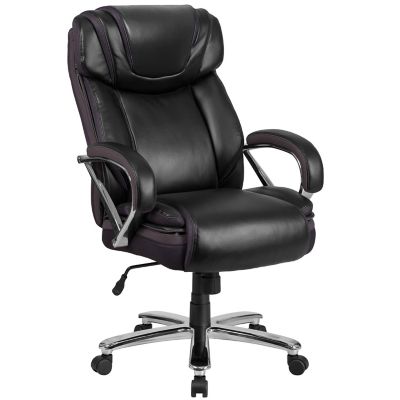
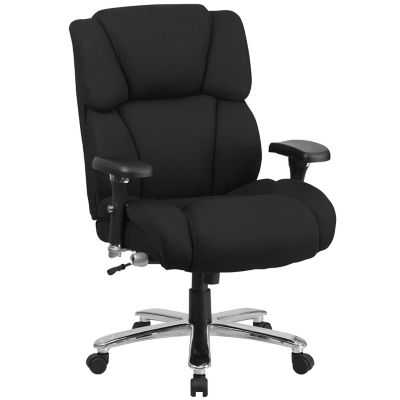
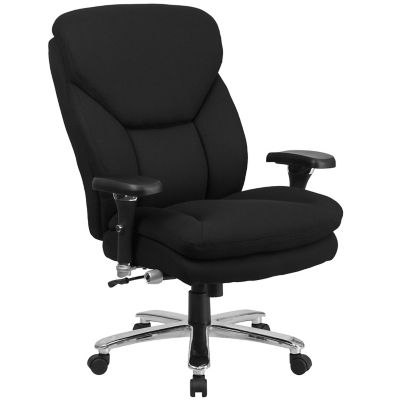
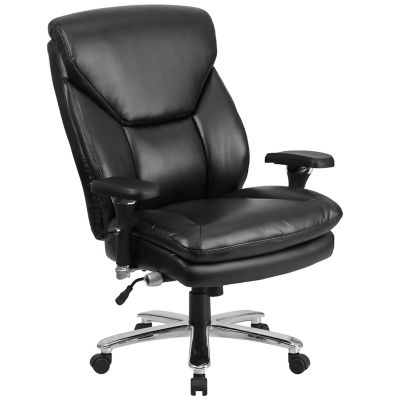
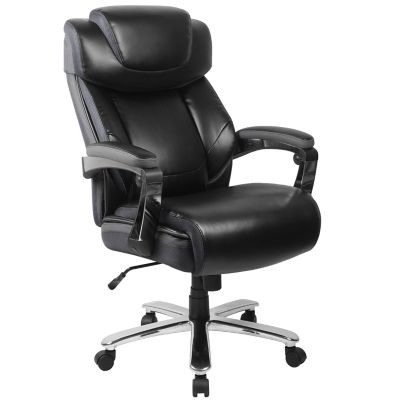
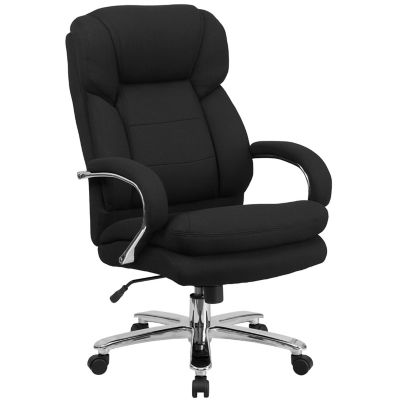
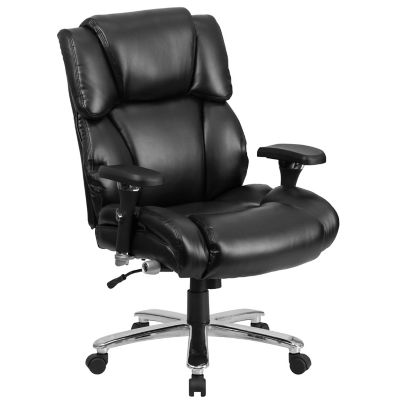
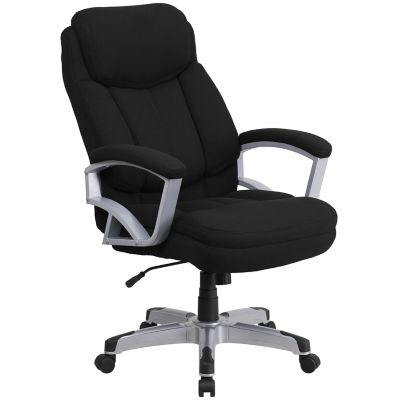
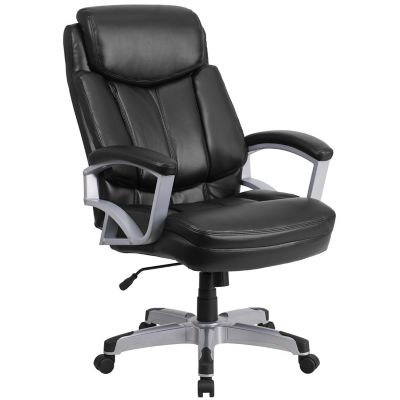
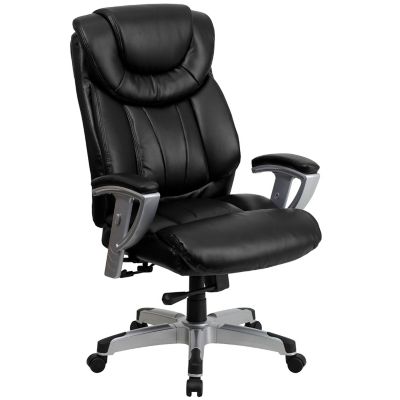
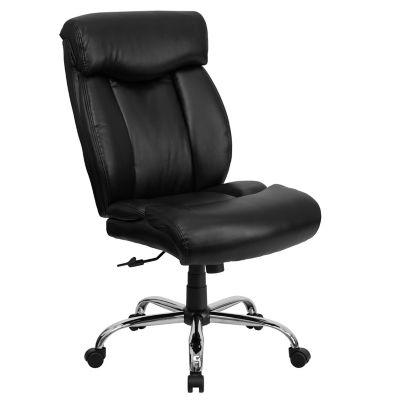
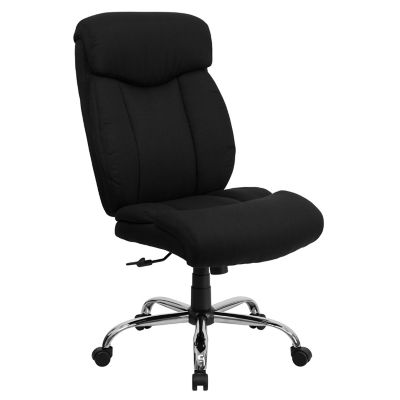
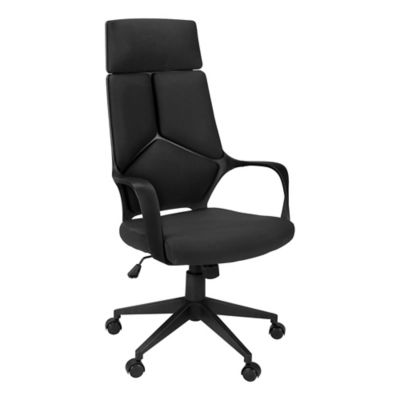
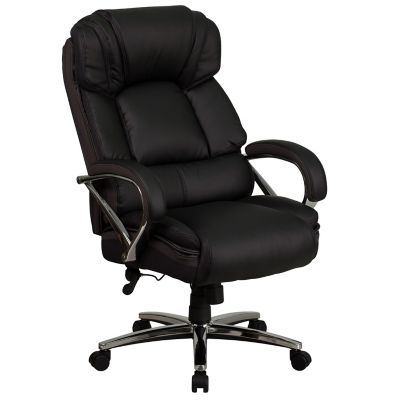
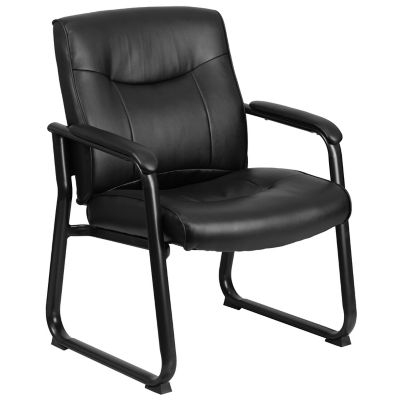
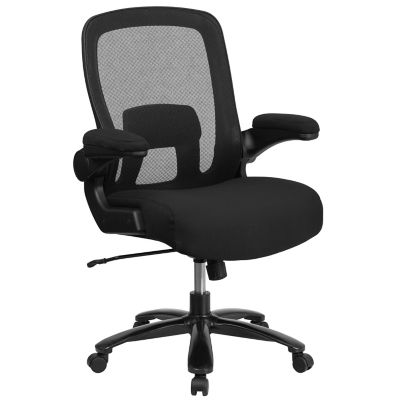
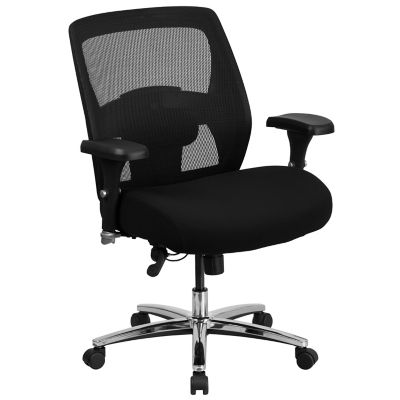
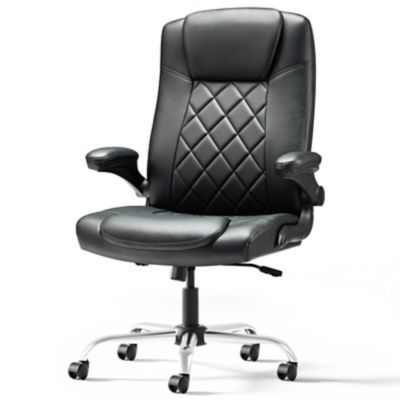
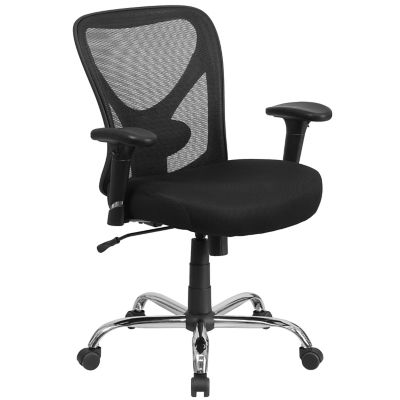
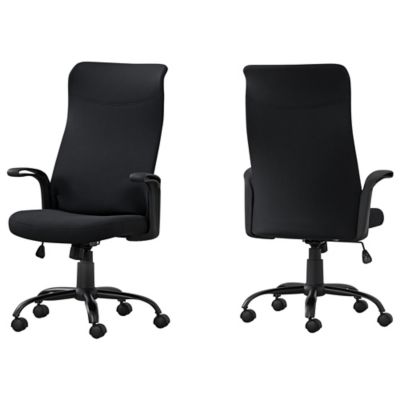
High-back office chairs with headrests pair a tall backrest with built-in or adjustable head support for seated desk work. The taller back provides support along more of the upper body than a shorter chair, while the headrest offers a resting point when leaning back. They fit naturally into home offices, farm offices, and other workspaces where paperwork is part of getting the job done. Sorting feed invoices, checking schedules, taking calls, and catching up on records can keep a person at a desk longer than expected. A chair that fits both the person and the workspace makes those tasks more comfortable without turning a practical office into something fancy. Headrest placement matters as much as back height: the support should meet the back of the head or the area near the base of the skull without pushing the head forward. An adjustable headrest can help accommodate different torso lengths and sitting positions, while an integrated headrest has a fixed shape that needs to line up with the person sitting in it. Not every headrest needs to stay in contact with the head during upright typing; some provide their main support during a relaxed recline. Seat dimensions also shape how the chair feels through a full stretch of desk work. Enough seat width allows room to settle in without pressing against the armrests, and a suitable seat depth supports the thighs while leaving space behind the knees. Height adjustment helps bring feet flat to the floor, with the keyboard and work surface within easy reach. A footrest can help when the desk height requires a higher seat position. For taller or broader users, a taller back alone does not settle the fit. Seat measurements, arm spacing, headrest range, and the chair’s stated weight capacity all deserve attention. A good fit leaves room to move rather than making the sitter brace against the desk or perch on the front edge of the cushion.
Materials give high-back office chairs with headrests different feels, care needs, and everyday personalities. Mesh backrests allow air to circulate and often have a lighter, more open appearance. The amount of give depends on the mesh tension and the frame beneath it, so a mesh back can feel quite different from a deeply padded one. Fabric upholstery offers a textured surface and a less slick feel, with care requirements that depend on the weave and fiber content. Leather, bonded leather, and synthetic leather are separate materials rather than interchangeable names. Each has its own cleaning directions and response to friction, spills, and daily wear. Smooth upholstery can make small surface messes easier to wipe away when the care label allows it, while seams and creases may need a little extra attention. Cushion construction matters, too. A thick seat can look inviting, but how the padding supports body weight matters more than thickness alone. Firmer cushioning may feel steadier for upright desk tasks, while softer padding creates a more cushioned seat. Beneath those surfaces, the base, frame, lift mechanism, and adjustment controls handle the repeated movement of sitting down, turning toward a file drawer, and rolling back from the desk. A stable base and a chair rated for its intended load are important parts of everyday use. Adjustment features add another layer of fit. Seat-height controls, movable armrests, lumbar adjustment, and tilt settings each serve a different purpose. Armrests work best when they support relaxed elbows without lifting the shoulders or keeping the chair too far from the desk. Tilt tension controls how readily the chair leans back, while a tilt lock holds the chair in the positions allowed by its mechanism. Some designs let the seat and back move together; others provide more separate control. Those differences are worth understanding for anyone who alternates between typing, reading, and phone calls, especially when the chair will be shared by people with different builds.
A high-back chair with a headrest needs enough room to work as intended, whether it sits beside a kitchen desk or behind the bookkeeping counter in a shop office. Overall chair width can be greater than seat width because of the armrests and base, and a tall backrest needs clearance when reclining. Desk drawers, keyboard trays, and low aprons can limit how far a chair slides underneath. Leaving space to roll back and stand up keeps a compact office from feeling crowded. Casters also need to suit the floor: wheels intended for carpet may behave differently on a hard surface, and the chair manufacturer’s guidance can help identify the right match. A suitable chair mat may help protect flooring and make movement easier. For workspaces where lower-back fit is a main concern,
Office Chairs With Lumbar Support provide another way to compare seating features alongside headrest height and backrest shape. Day-to-day care is usually straightforward when it follows the upholstery and mechanism instructions. Loose dust and crumbs can be removed with a soft brush or vacuum attachment suited to the material, and spills should be blotted promptly rather than rubbed into the surface. Cleaning solutions should be approved for the upholstery and tried first in an out-of-the-way spot. Harsh cleaners, soaking, and heavy scrubbing can harm some finishes, fabrics, or padding. Periodic checks of accessible fasteners, armrests, and casters can help catch looseness or trapped debris before it interrupts the workday. A desk chair is meant for seated work, not standing on to reach a shelf. It also cannot replace regular changes in position and short breaks from sitting. As a practical gift for someone setting up a home office, handling ranch records, or starting a desk-based job, this type of chair is most thoughtful when their measurements and workspace are known. The right combination of head support, seat fit, materials, and movement keeps the focus on the task at hand.