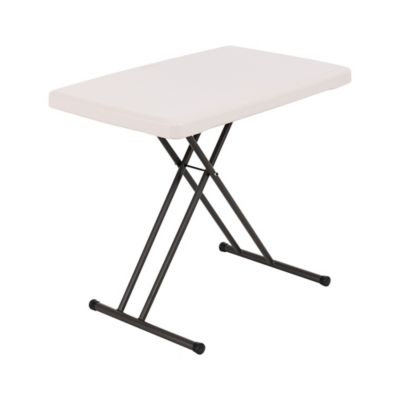
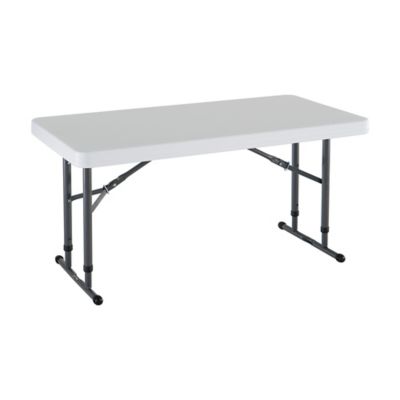
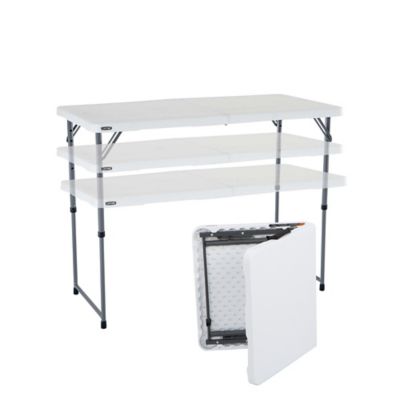
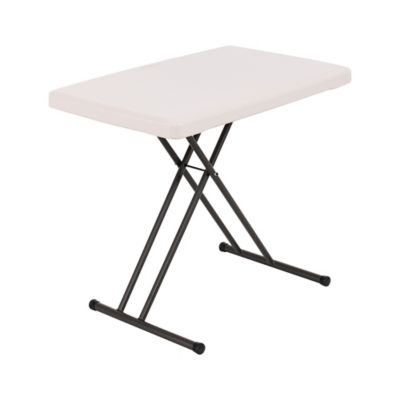
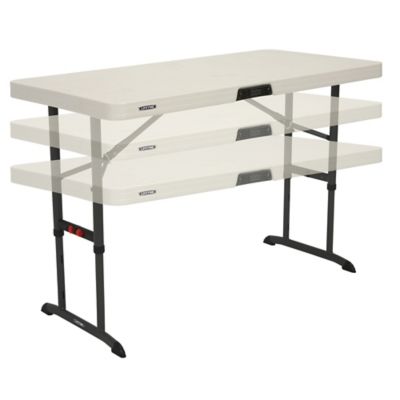
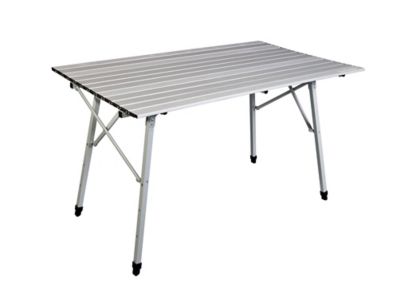
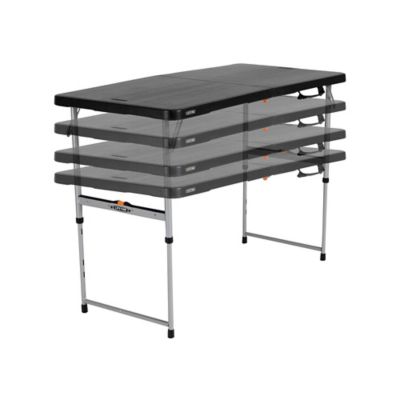
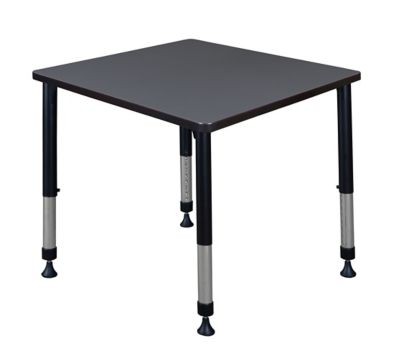
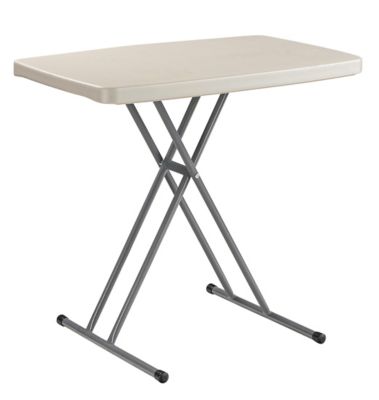
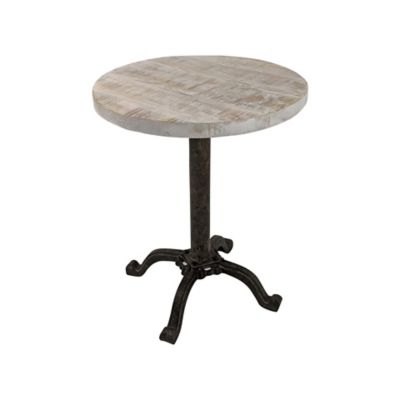
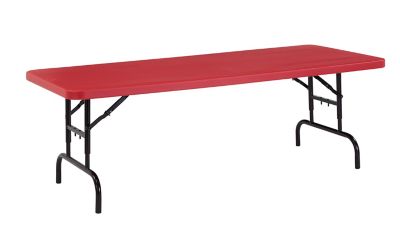
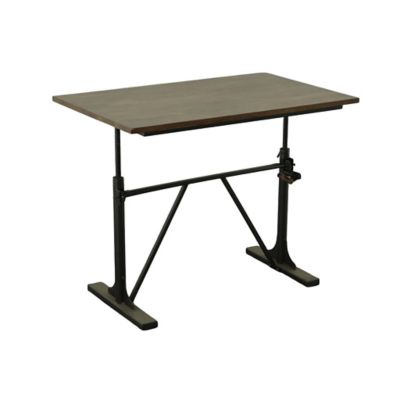
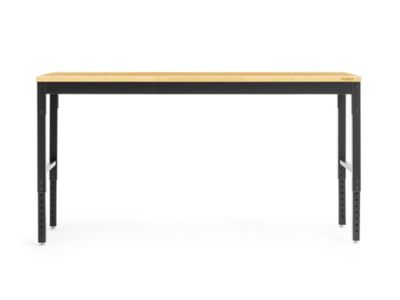
A height-adjustable table is a work surface that can be raised or lowered to suit different tasks, working positions, or people. A model with a sit-to-stand range lets someone handle paperwork from a chair, then raise the surface for standing work without moving everything to another spot. That flexibility makes sense in a home office, a farm office, a craft room, or a shared workspace where one fixed height does not fit everybody. The adjustment method makes a difference in everyday use. Electric tables move with a button press, and some controls include memory settings for returning to preferred heights. Manual crank tables adjust by turning a handle and do not need an electrical connection for the lifting mechanism. Pneumatic designs use an assisted lift, with operation and load requirements that vary by model. Other tables have telescoping legs with pins or locking knobs; these suit spaces where the height changes occasionally rather than several times throughout the day. The listed minimum and maximum heights matter more than the adjustment method alone. A table that reaches a comfortable standing position for one person may not reach high enough for another, and a low setting still needs to leave room for knees and chair arms. For keyboard work, a suitable surface height lets the shoulders stay relaxed and the elbows rest near the sides, with wrists in a comfortable position. Writing, sorting small parts, or working on a larger project may call for a different setup. In a household where a student finishes assignments at the same table someone else uses for bookkeeping, a broad adjustment range can make the space easier to share. Moving between seated and standing work also gives people more choice through a long stretch of tasks, though a comfortable chair, sensible screen placement, and regular movement still matter. Height adjustment is one part of a practical workspace, not a substitute for arranging the whole area well.
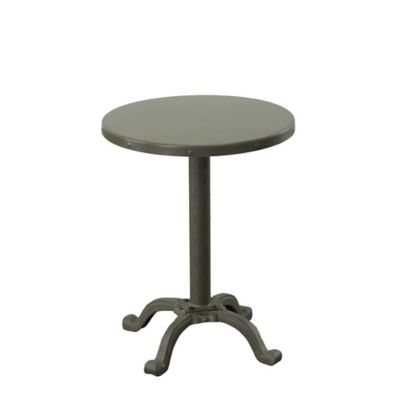
The tabletop and frame determine how a height-adjustable table fits the work ahead. Solid wood brings a substantial feel and a surface that may be refinished when its construction and finish allow. Laminated or coated engineered-wood tops can offer a smooth surface for writing, computer equipment, and everyday cleanup, while metal surfaces may suit certain shop tasks when the table is designed for that setting. Finish matters as much as material: a smooth top helps papers lie flat, rounded edges can be more comfortable against forearms, and a surface intended for light office work should not be treated like a heavy shop bench. Surface dimensions deserve a close look, too. A laptop and a notebook take less room than two monitors, a keyboard, and an open ledger. Someone sorting farm records may appreciate space to spread out receipts without covering the keyboard, while a sewing setup needs room for fabric to move without catching on nearby furniture. Depth affects screen placement and reach, and the overall width needs to fit through the doorway and leave a clear path around the table. Underneath, the base should provide legroom without putting crossbars where feet or chair wheels need to go. Stability becomes especially noticeable at taller settings, so frame construction, foot placement, secure connections, and floor leveling all deserve attention. Weight capacity is another important specification, but the rating needs context. Follow the manufacturer's description of whether the stated limit includes the tabletop and whether the load can remain in place during adjustment. Equipment spread across the surface may behave differently from a heavy load concentrated near one edge. A printer, monitor arms, storage bins, and other accessories can add up quickly. Casters can make repositioning easier, but locking wheels and suitable flooring matter when the table becomes a working surface. For powered designs, enough cable slack is needed throughout the full travel range so cords do not pull tight as the top rises.
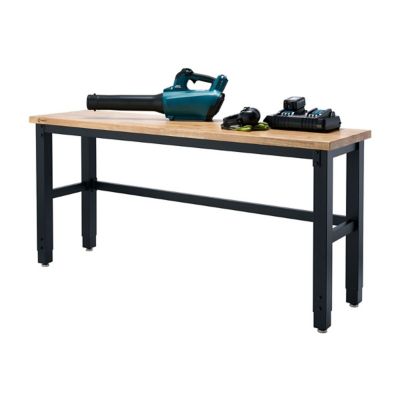
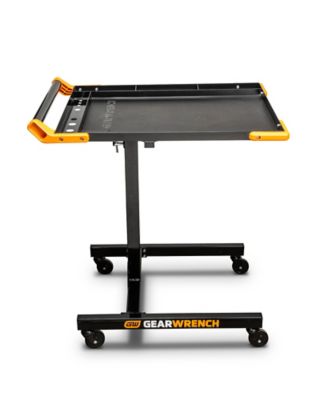
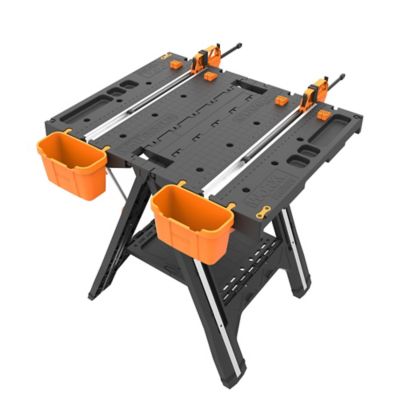
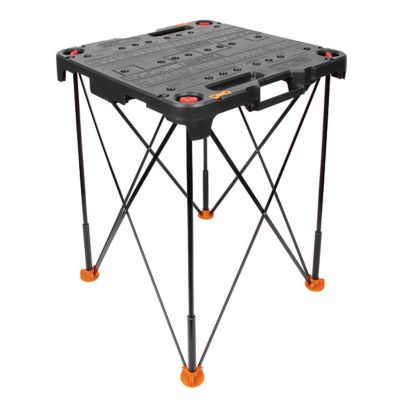
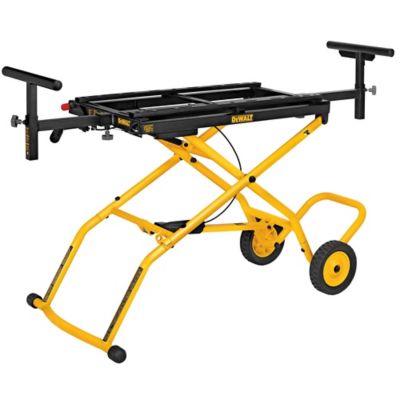
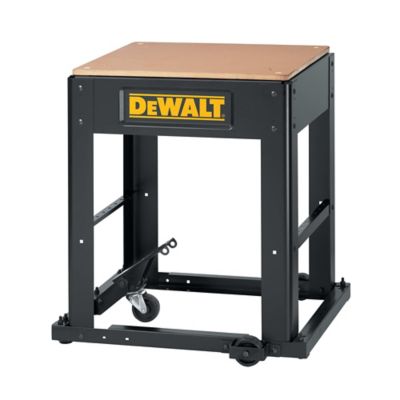
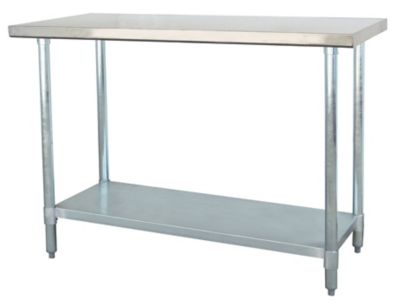
A good fit also depends on where the table will live and what happens around it. In a farm office, an adjustable-height table can provide a comfortable place for entering expenses, checking schedules, and sorting mail. In a project room, the same general type of surface may accommodate drawing, fabric layout, or small assembly tasks, provided its load rating and finish suit the activity. Work involving pounding, clamping, or heavy equipment calls for a surface specifically built for those demands. For equipment maintenance and more demanding hands-on projects,
Adjustable Height Workbenches are a related option, with their own construction details and load limits to compare. An adjustable table can also be a thoughtful gift for someone setting up a home workspace, although room measurements, preferred working heights, and the recipient's daily routine are worth knowing before choosing one. Long service life depends partly on matching the table to its intended use and partly on regular care. Cleaning methods should follow the tabletop's care instructions; a soft cloth and an appropriate cleaner help protect the finish without leaving excess moisture around edges, seams, or controls. Wood surfaces may need protection from spills and prolonged moisture, while coated tops should be kept away from solvents or abrasive cleaners unless the manufacturer permits them. On powered tables, electrical components and connections need the conditions specified by the manufacturer, rather than an assumption that an office-style table belongs in an open shed or wash area. Fasteners, adjustment locks, leveling feet, and caster brakes deserve periodic attention according to the assembly and maintenance instructions. Moving parts also need clear space, especially near shelves, windowsills, and cabinets that could interfere as the top rises. Keeping fingers, pets, and loose objects away from the lifting mechanism helps make adjustments safer. With the right height range, enough working room, and construction suited to the task, an adjustable table can earn its place wherever paperwork and projects need a comfortable landing spot.