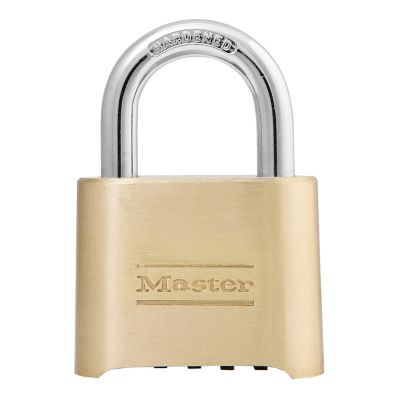
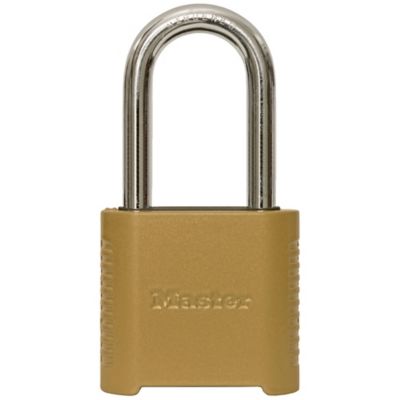
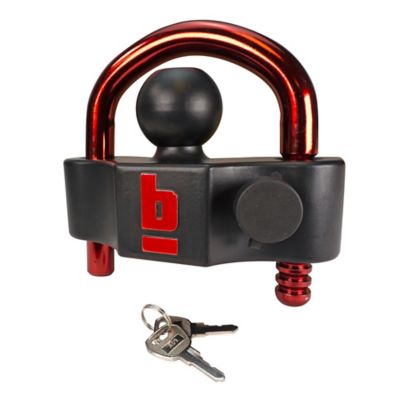
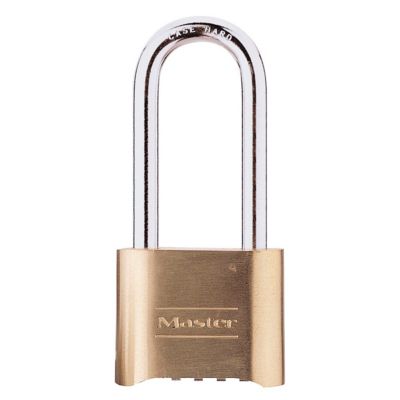
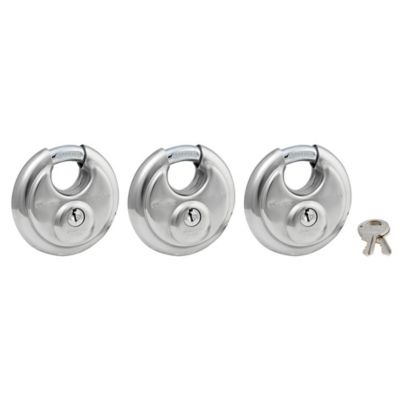
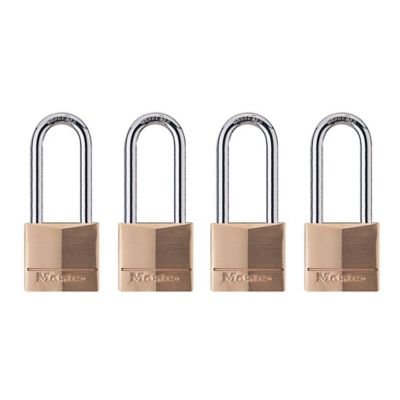
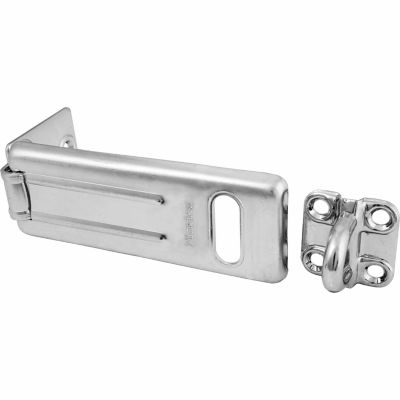
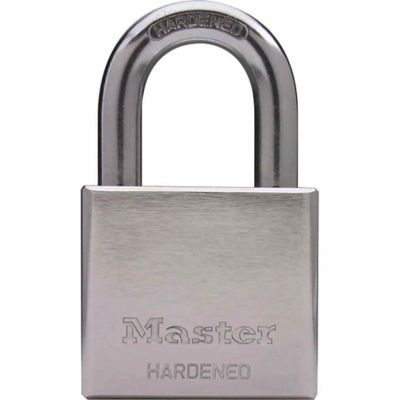
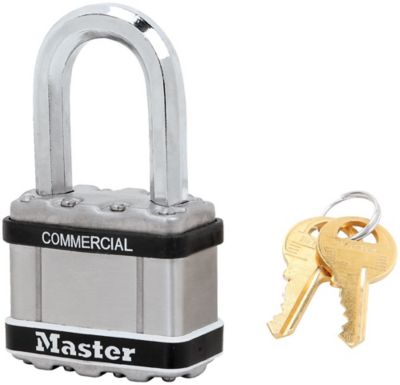
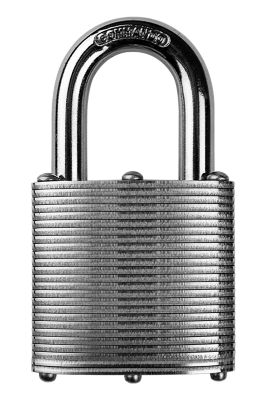
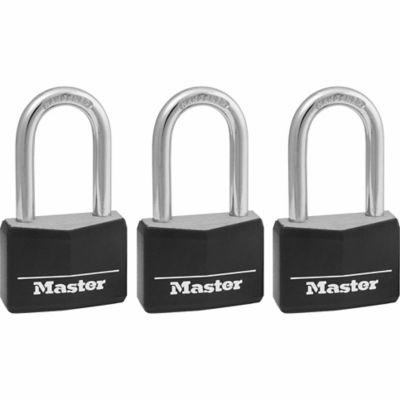
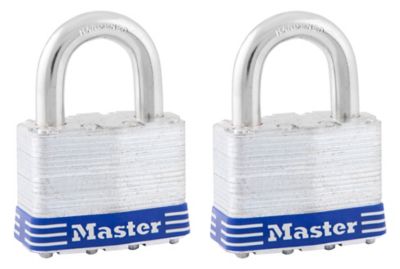
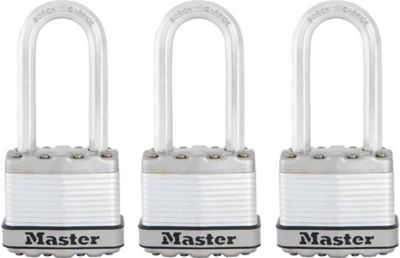
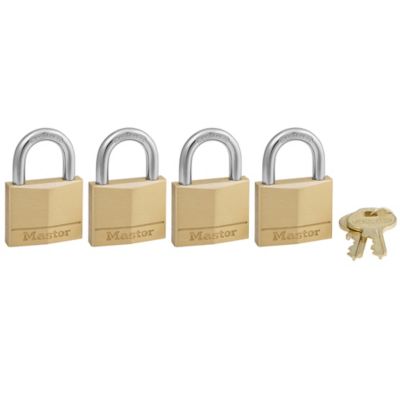
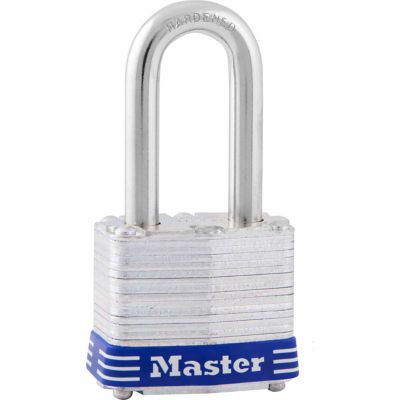
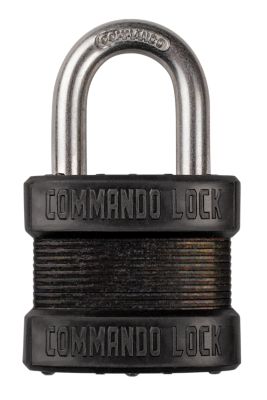
Heavy duty locks are built for places where an ordinary padlock may not hold up to daily use, rough weather, or unwanted tampering. They can help secure farm gates, toolboxes, trailers, storage buildings, livestock areas, equipment sheds, job boxes, utility cabinets, and commercial property. A lock is only one part of a secure setup, but choosing the right one can make a real difference when you are protecting equipment that earns its keep or supplies that need to stay put. Look for a solid body made from hardened steel, laminated steel, or another sturdy material, along with a shackle designed to resist cutting, prying, and drilling. Boron alloy and other hardened shackles are commonly chosen for high-security applications because they offer greater resistance than basic steel. A thicker shackle can add strength, but it also needs to fit through the hasp, chain, gate hardware, or latch you plan to use. Measure that opening before buying, and check the clearance around the lock body as well. A strong lock cannot do much good if the hasp is thin, the mounting screws are exposed, or the hardware can be pried away from the door. For especially valuable equipment or an outbuilding in a hard-to-watch location, pair a heavy duty lock with a stout hasp, protected hinges, sturdy chain, or a reinforced latch. A lock rated or tested by a recognized security organization may offer helpful information about resistance to common attack methods, so review the available security ratings when comparing options. Keep in mind that ratings and construction details can vary, and no lock is a guarantee against every kind of forced entry. The goal is to make access harder, slow down tampering, and give you dependable control over who can open a gate, shed, cabinet, or container.
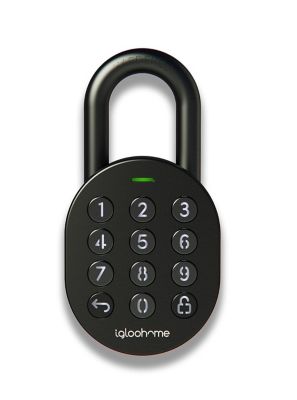
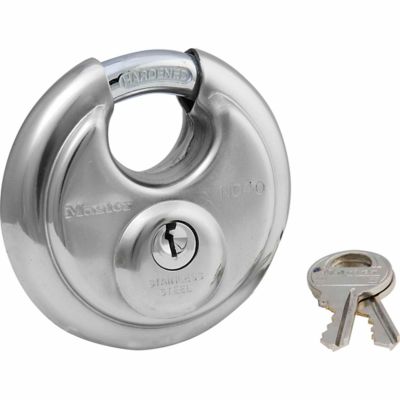
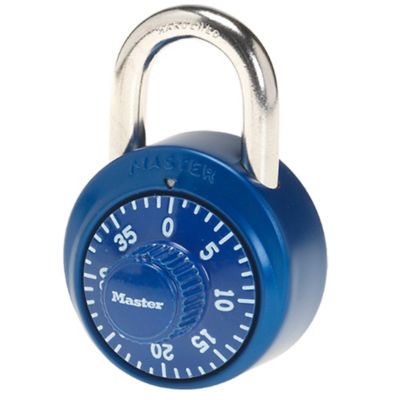
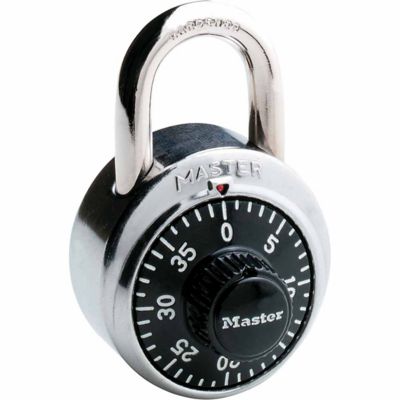
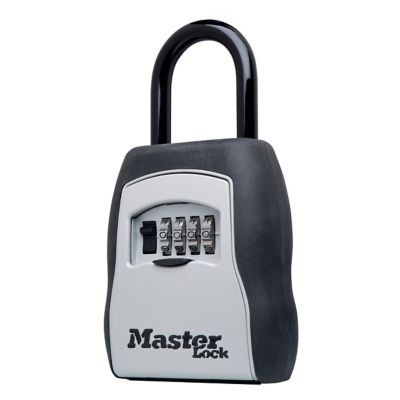
The location and weather should guide your choice just as much as the security rating. Locks used outside need to stand up to rain, mud, dust, temperature swings, and the moisture that settles on metal during cooler nights. Look for a weather-resistant finish, a covered or protected keyway, and internal parts designed to resist rust and corrosion. A lock on a pasture gate may collect grit from a gravel drive and grime from working gloves, while one on a trailer or feed room can see a steady mix of dust, rain, and chaff. A small amount of care helps keep the mechanism working: wipe away dirt, use a lubricant made for lock cylinders when needed, and avoid forcing a key if the lock is frozen or packed with debris. In areas with frequent freezing temperatures, a cover over the keyway or a design made for outdoor use can help prevent trouble when the seasons turn cooler. Shrouded or hidden-shackle locks are useful where you want to limit access to the shackle itself. Their protective body surrounds much of the metal loop, making it more difficult to reach with bolt cutters and helping shield the shackle from weather. These locks are often considered for shipping containers, storage units, warehouse doors, trailers, and other locations where the lock sits in an exposed position. A standard exposed-shackle padlock may be a better fit for a wide gate hasp or a setup where quick access matters, especially when the lock needs to be removed and replaced throughout the day. Keyed locks provide familiar, straightforward security and can be matched with keyed-alike options when several locks need to open with one key. Combination locks eliminate the need to carry or keep track of a key, which can be handy for shared equipment, school barns, small businesses, or a household with several people coming and going. Choose a combination that is easy for authorized users to remember without writing it on a tag attached to the lock, and change it when staff, renters, or other users no longer need access.
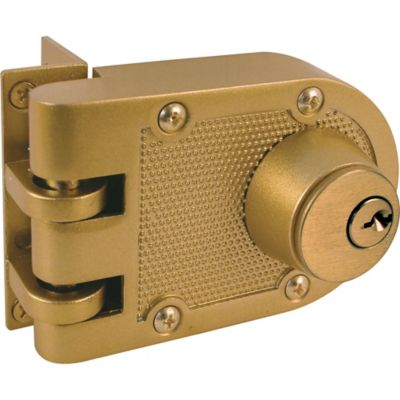
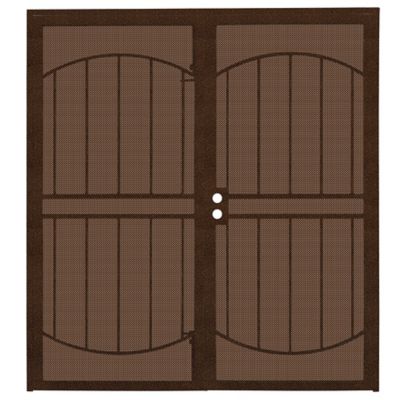
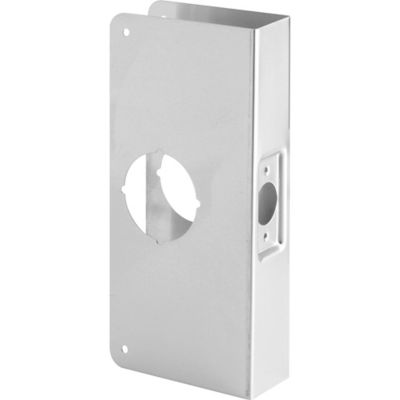
Heavy duty locks also make practical gifts for someone settling into a new home, managing a small farm, outfitting a workshop, or keeping a trailer and outdoor gear in order. A new landowner may need dependable security for a garden gate, mailbox area, storage shed, and equipment shelter, while a do-it-yourselfer may appreciate a lock that can handle a job box or garage cabinet. They are useful for ranch hands, contractors, hunters, campers, property managers, and anyone who stores tools or supplies away from the house. Before selecting one as a gift or for your own property, think through the routine: who needs access, how often the lock will be opened, whether several locks should use the same key, and whether the lock will stay outside through changing weather. Consider the size of the hasp and the space around it, the value and weight of what is being secured, and whether a low-profile or shrouded design would be harder to tamper with. For a front or service entrance where the door itself needs added protection, heavy-duty locks can work alongside reinforced hardware and
Heavy Duty Steel Security Doors. On a farm or rural property, simple habits matter too: close and latch gates fully, keep spare keys in a secure place, avoid leaving combinations in plain sight, and check locks after severe weather or periods of heavy use. As the weather warms, outdoor work often means more open sheds, trailers, gates, and equipment moving around the property; during the cooler months, a reliable weather-resistant lock helps keep those same spaces secured when chores are finished for the day. Choosing a lock that fits the hardware, environment, and access routine gives you sturdy, everyday protection without making normal work harder than it needs to be.