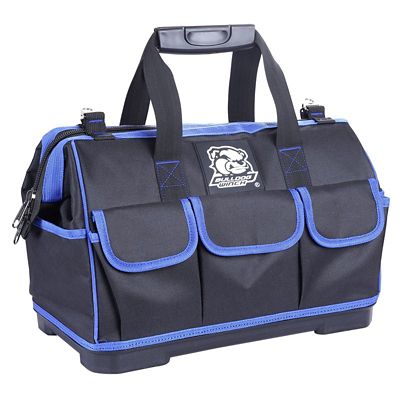
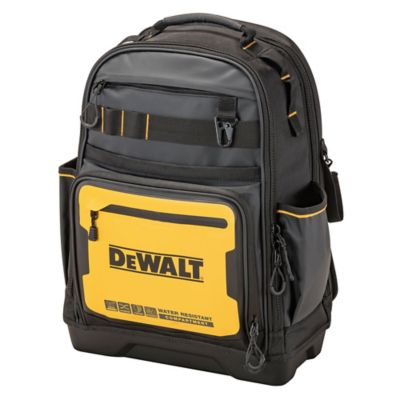
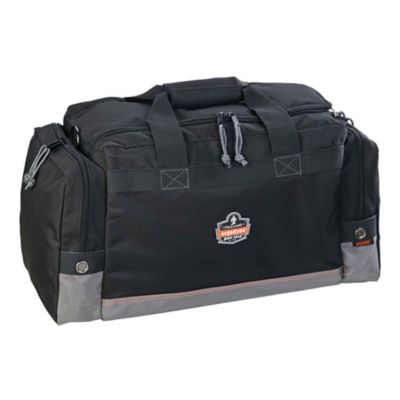
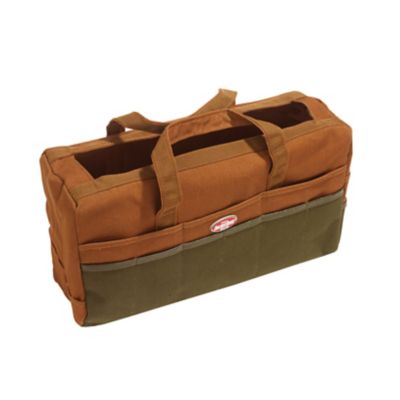
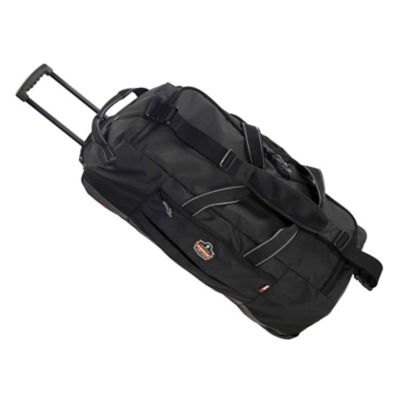
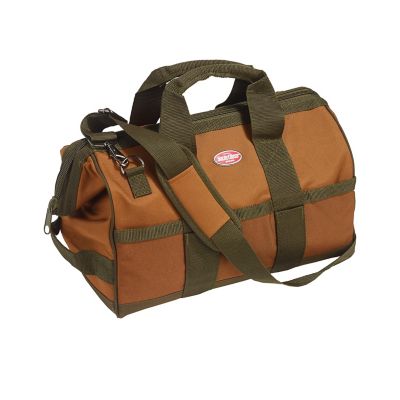
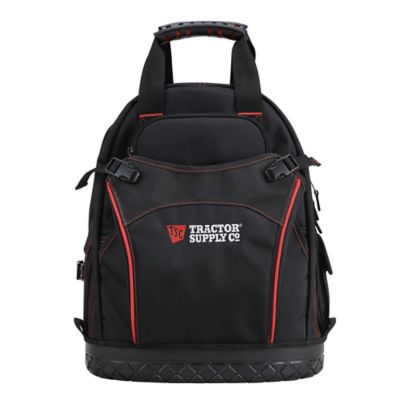
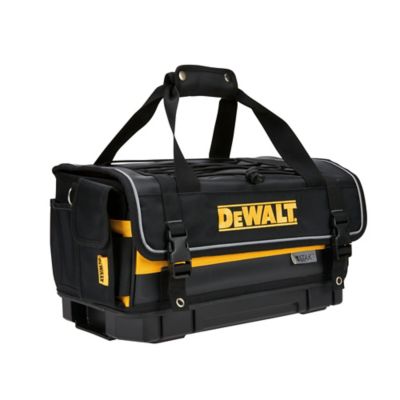
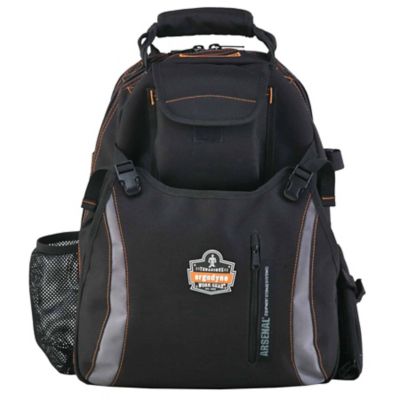
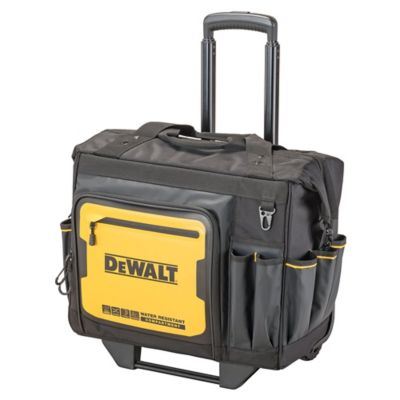
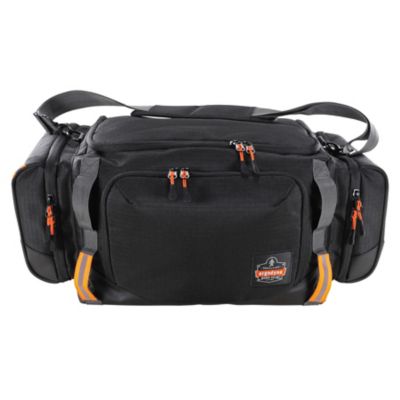
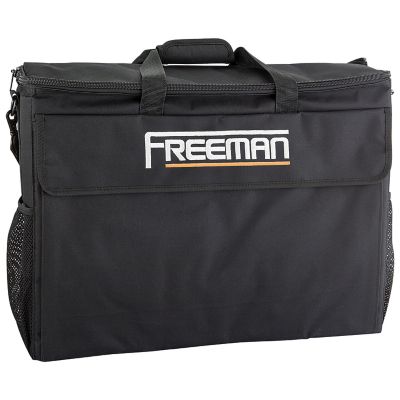
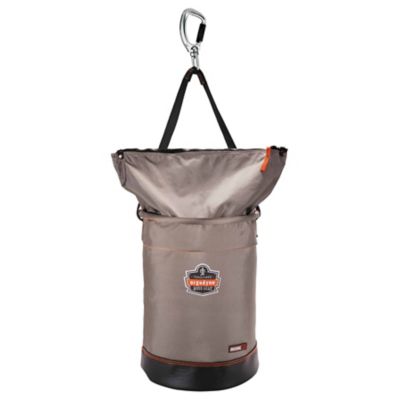
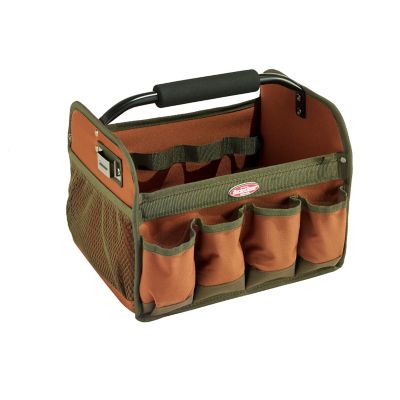
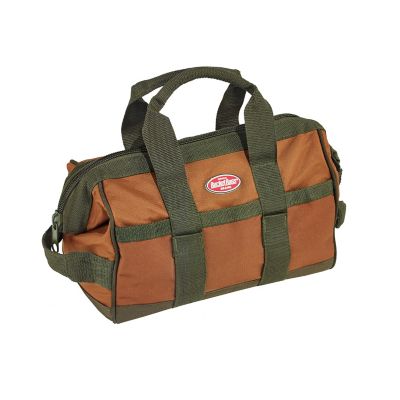
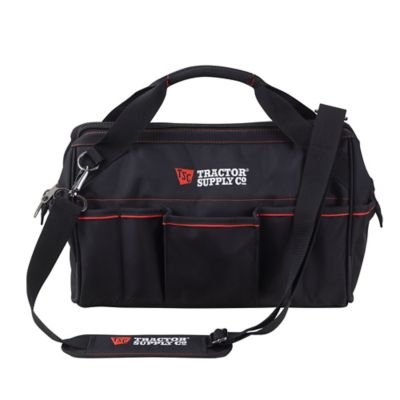
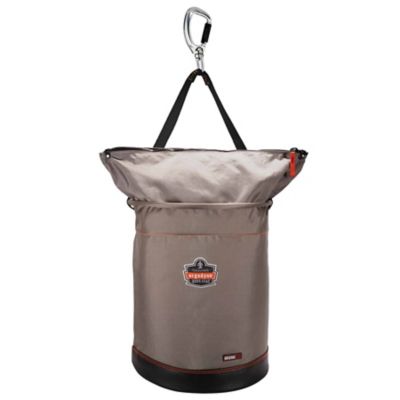
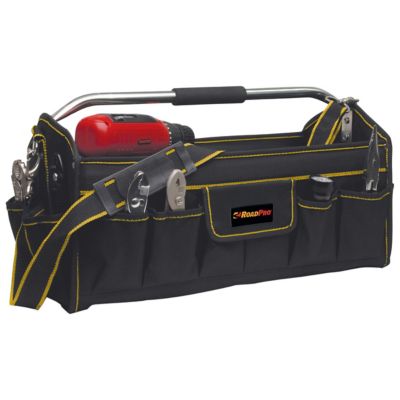
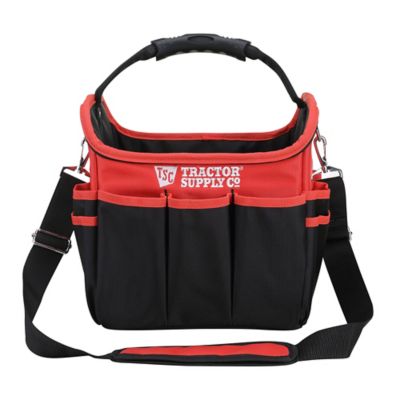
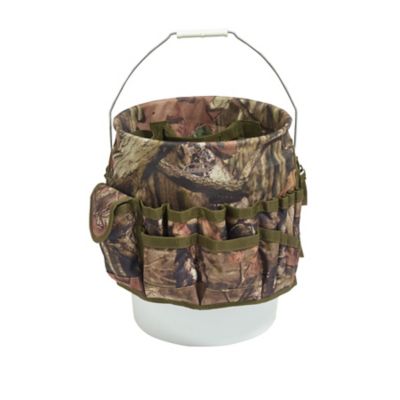
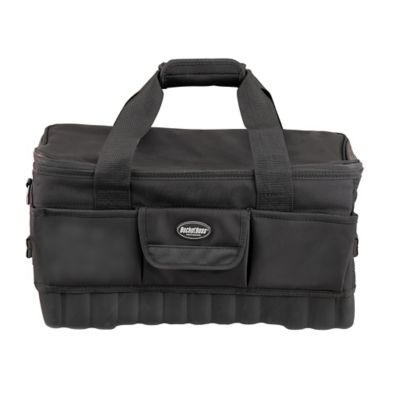
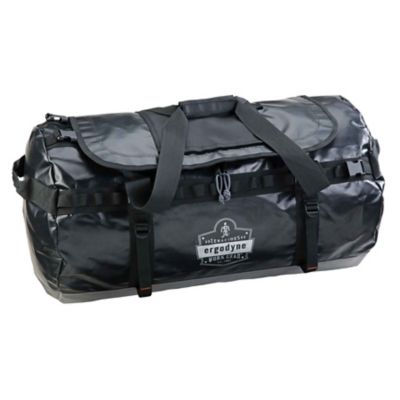
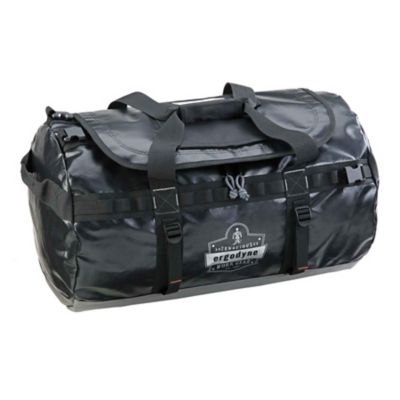
Heavy duty tool bags give working folks a dependable way to keep hand tools, power tools, fasteners and small job supplies together without relying on a loose pile in the truck bed. They’re made for the kind of use that wears out lighter organizers: being set on rough concrete, slid across a barn floor, carried through a muddy yard or tucked into a service vehicle day after day. Look for tough materials such as heavyweight canvas, 500D or 1200D polyester, ballistic nylon and other abrasion-resistant fabrics. A reinforced or water-resistant base is especially handy when a bag may sit on damp ground, a shop floor with a little sawdust and oil on it, or the tailgate during a passing shower. Water resistance helps protect your gear from light moisture, but it’s still smart to keep tools dry after a wet job and avoid treating any soft-sided bag as completely waterproof. Strong stitching, bar-tacked stress points, sturdy zippers and reinforced handles all matter when a bag is loaded down. Some bags have a metal frame that keeps the opening wide, making it easier to see and reach inside instead of digging through a collapsed heap. Others use an open-top tote design for quick access, while zippered bags offer more coverage when you’re driving between the farm, shop and job site. For heavier loads, padded shoulder straps, a comfortable handle and a balanced shape can make a long walk from the truck to the back fence much easier on your hands and shoulders. If your tool collection includes bulky equipment, a rolling bag or backpack-style carrier can help spread the weight and reduce the strain of carrying everything in one hand.
Before choosing a heavy duty tool bag, take stock of the tools you actually use rather than buying by size alone. A compact bag may be just right for pliers, screwdrivers, a tape measure, bits, a utility knife and a handful of sockets, while a larger 18- or 20-inch bag may leave room for a drill, charger, hammer, wrench set and extra supplies. Pay attention to pocket layout, too. Exterior pockets are useful for items you reach for constantly, such as pencils, a flashlight, electrical tape or a small level. Interior sleeves help keep screwdrivers, nut drivers and long-handled tools upright, and roomy compartments can hold batteries, extension cords or boxed hardware. Wide-mouth openings make it easier to spot what you need, especially in a dim shed or when you’re wearing work gloves. A bag with too many small pockets can feel cramped if you mainly carry power tools, while a wide-open tote may not provide enough separation for a collection of hand tools. Think about how the bag will ride in your vehicle or tractor cab, whether it will fit on a shelf, and how much weight you can comfortably carry. A smaller bag can also serve as a grab-and-go repair kit, while larger carriers are useful for keeping a full set of tools ready for maintenance work. Some shoppers choose a set of different sizes so there’s a place for everyday repairs, electrical work, fence maintenance or seasonal equipment servicing. Keeping commonly used tools in one dedicated bag saves time when a gate hinge loosens, a water line needs attention or a piece of equipment needs a quick adjustment before the workday gets rolling. Pairing a rugged carrier with dependable
Heavy Duty Tools can help build a practical setup for the shop, barn or work truck.
Heavy duty tool bags are a solid fit for farmers, ranchers, mechanics, contractors, maintenance crews, do-it-yourselfers and anyone who spends more time fixing things than looking for a missing wrench. They’re useful around the homestead for fence repairs, livestock equipment, garden machinery, plumbing jobs and general upkeep, and they can move easily from a workbench to a pickup or UTV. A contractor may prefer a structured tote with many pockets for fast access, while a service technician might get more use from a zippered bag with separate spaces for meters, cords and small parts. For a person who works out of a truck, a water-resistant bottom and abrasion protection can help the bag hold up against the everyday knocks of loading and unloading. During the cooler months, a well-organized bag is also handy for keeping gloves, a headlamp, spare batteries and emergency repair supplies close at hand when daylight fades early and equipment chores still need to be finished. These bags make practical gifts for a new homeowner, apprentice, farmer, mechanic or handy family member, particularly when you choose a size that matches the recipient’s usual projects. A new tool bag can also be a thoughtful addition to a first workshop or a useful way to organize tools after years of carrying them in a cardboard box or an old bucket. When comparing options, consider fabric weight, base construction, carrying comfort, pocket arrangement, closure style and the typical load. A tough bag that fits the tools you use most will get far more work than an oversized carrier that is awkward to lift or a small one that leaves essential gear behind. With the right size and layout, a heavy duty tool bag keeps tools protected, organized and ready for the next repair, whether that job starts in the garage, at the edge of a pasture or beside the equipment shed.