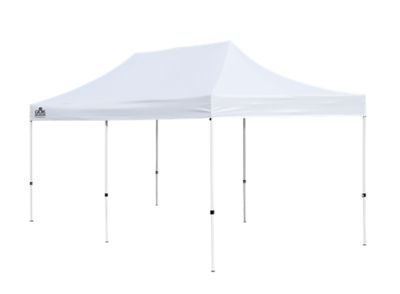
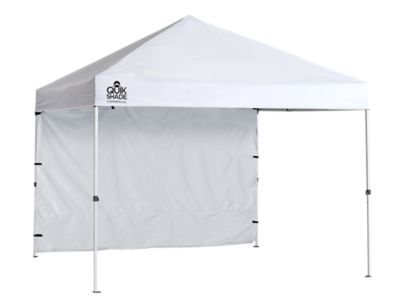
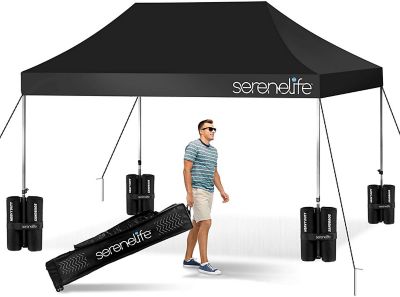
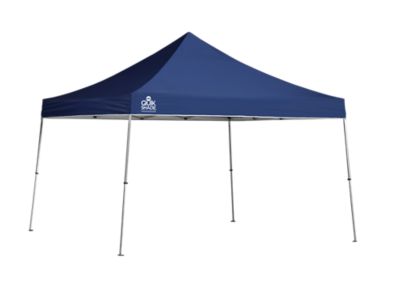
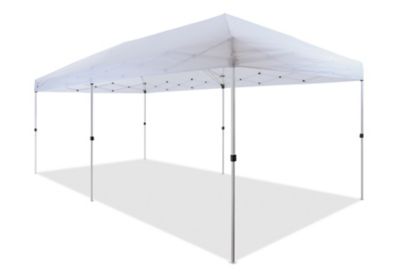
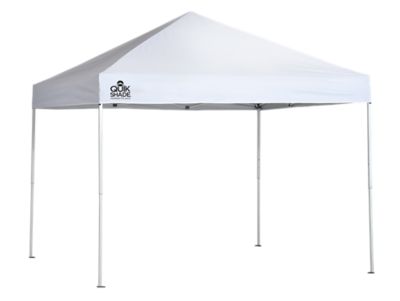
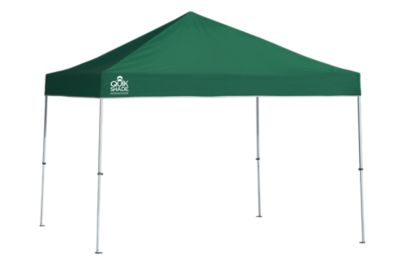
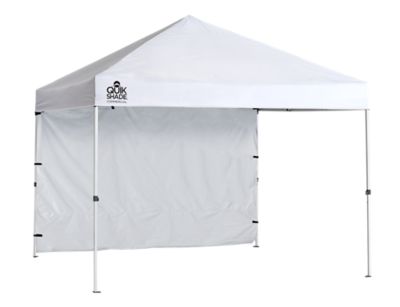
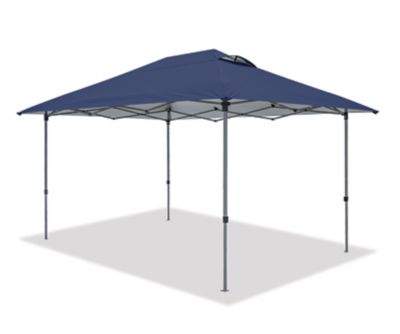
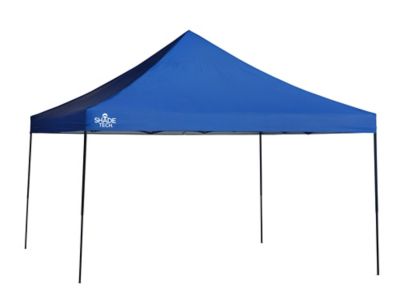
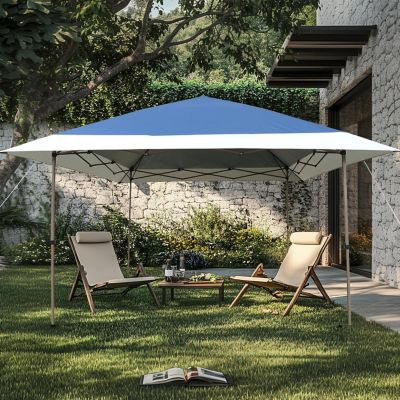
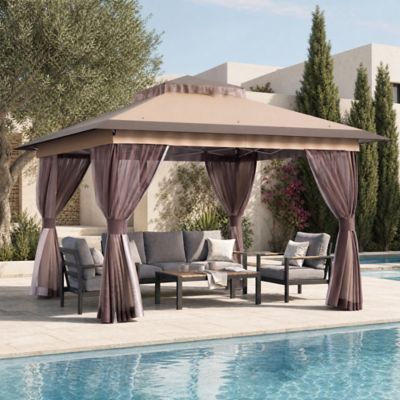
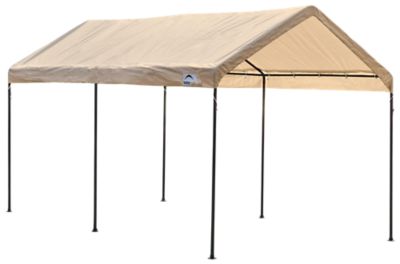
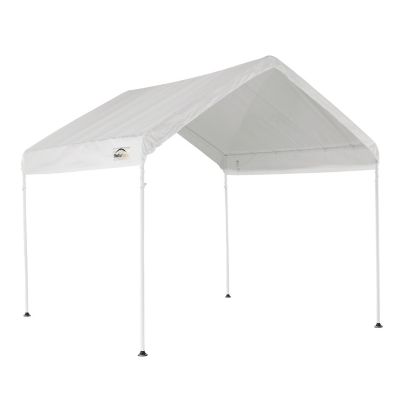
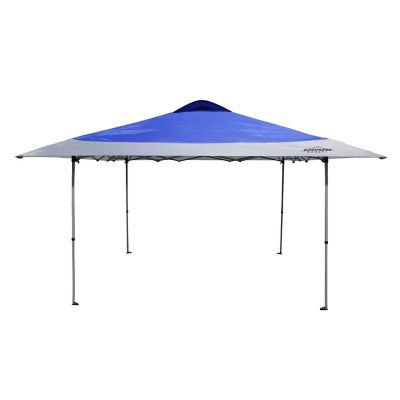
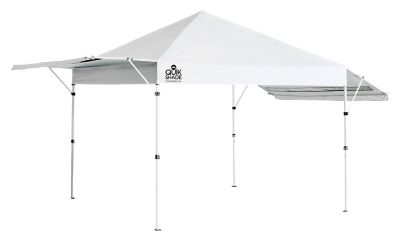
Heavy-duty pop-up canopies are portable, temporary shelters built around folding frames, with reinforced construction intended for repeated setup, takedown and transport. Common frame materials include powder-coated steel and aluminum, while fitted fabric tops provide overhead shade and, depending on their construction and stated ratings, protection from rain. The pop-up design keeps the frame connected as it expands, so there are fewer loose poles to sort through beside the truck. These shelters fit all kinds of outdoor setups, from a farm stand with baskets of produce to a livestock show check-in table, a craft booth or a gathering out by the barn. The right size depends on more than the number of people underneath. A table, folding chairs, display racks and a clear walkway all take up room, and a canopy that covers the table alone may leave little space for someone standing behind it. A nominal 10-foot-by-10-foot canopy has a 100-square-foot footprint, though roof coverage and usable space can differ with the frame design. Straight-leg models generally keep the legs closer to the roof corners, while slant-leg designs may have a wider ground footprint than their overhead coverage. Eave height matters for comfortable entry, and peak height matters when tall displays or equipment need room above them. The collapsed dimensions matter, too, especially when the shelter has to share a truck bed with feed bags, show supplies or market bins. Steel frames often weigh more than comparable aluminum frames, which can affect carrying and loading. Aluminum offers lower weight and resistance to rust, while powder coating helps protect steel wherever the finish remains intact. Leg shape alone does not tell the whole story: tube thickness, joints, truss connections and locking hardware all contribute to frame strength. For a shelter that travels from the driveway to the fairgrounds, those details help distinguish a frame built for frequent handling from one intended for occasional outings.
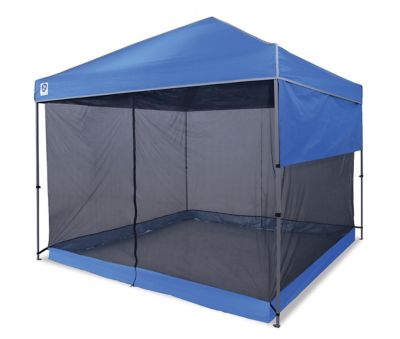
The canopy top does much of the work overhead, so fabric specifications deserve a close look alongside the frame. Polyester and Oxford-weave fabrics are common choices, often paired with coatings that improve water resistance or sun protection. Denier describes the thickness of the individual yarns, not a complete measure of fabric strength or waterproofing. Fabrics labeled 400D or 600D have heavier yarns than lower-denier fabrics, but weave, coating, seams and construction also affect performance. A heavier fabric is not automatically waterproof, and a water-resistant cover may still let moisture through during sustained rain or at unsealed seams. Waterproof claims should be supported by the manufacturer's specifications, with attention to whether those claims apply to the fabric alone or the finished canopy top. Sun protection is another separate feature. A stated UPF rating describes how much ultraviolet radiation the tested material blocks; it does not mean that people beneath an open-sided canopy are protected from sunlight entering around the edges. Reinforced corners, well-fitted peak areas and secure attachment straps help the top sit correctly on its intended frame. A taut fit also helps limit sagging, although no portable canopy should be allowed to collect standing water overhead. Sidewalls can add privacy, block direct sunlight from one side or define a booth, but they also change airflow and increase the surface exposed to wind. Mesh panels offer a different balance of airflow and screening, while solid panels create a more enclosed space. Doors, windows and attachment styles should match how people move through the shelter, whether someone is carrying a sack of feed or stepping behind a sales table. Replacement-cover options may include
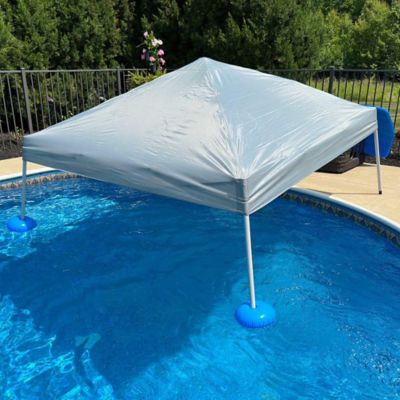
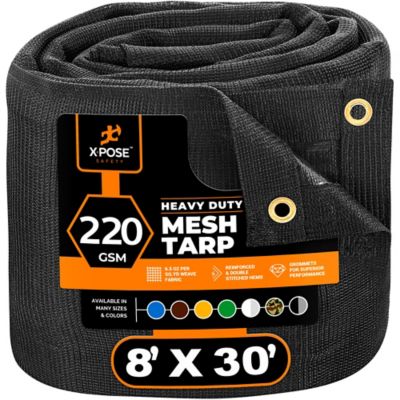
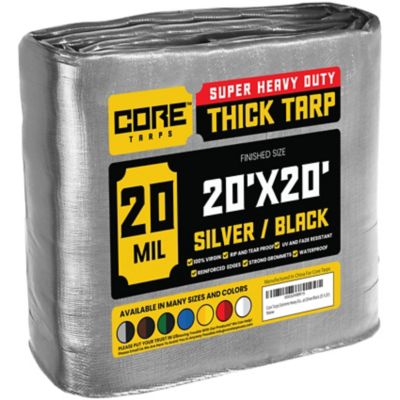
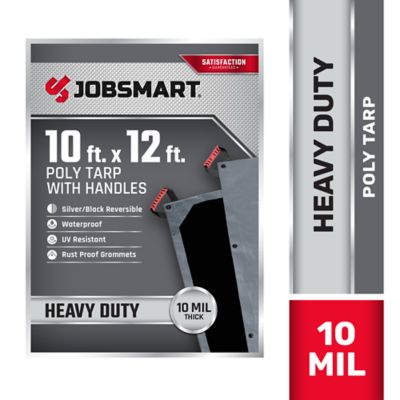
Heavy Duty Canopy Tarps, but any replacement needs the correct dimensions, shape and attachment system, along with approval for the intended frame. An oversized tarp draped across a pop-up frame is not the same as a properly fitted canopy top and can create pooling or put extra strain on the structure.
Everyday convenience shows up in the small details of heavy-duty pop-up canopies: leg-height adjustments that lock firmly, release buttons that keep fingers clear of pinch points, and a carry bag that accommodates the folded frame without a wrestling match. Center-lock mechanisms and thumb-latch systems can simplify setup, but the manufacturer's directions determine how many people are needed and how the frame should open. A second set of hands is often helpful with larger shelters, especially when lifting the top into place or easing the frame apart on uneven ground. Level footing, clear access and room for anchors are just as important as roof size. Stakes may suit some ground surfaces, while pavement generally calls for compatible weights or another approved anchoring method. Stakes also need placement that avoids buried utilities, and guy lines should stay out of walking paths. Frame weight by itself is not a substitute for anchoring. Even a reinforced canopy can lift or shift in wind, and sidewalls can increase that risk. Manufacturer wind limits and takedown instructions should govern use; these shelters are not permanent buildings or a safe place to ride out a storm. Snow, ice and pooled water can overload the roof, so covers need monitoring and prompt takedown when conditions exceed their intended use. Care between outings helps keep the shelter ready for the next market, show or get-together. Dirt and grit can wear at moving joints, while packing a damp top encourages mildew and odors. Cleaning methods should follow the fabric and frame instructions, with the cover fully dry before storage. Bent legs, loose fasteners, worn straps and damaged locks need attention before another setup. A dry storage spot and a protective bag help keep mud and dust from following the canopy into the next event. With a suitable footprint, a properly fitted top and anchoring matched to the site, a heavy-duty pop-up canopy makes a practical base for outdoor work, selling and gathering.