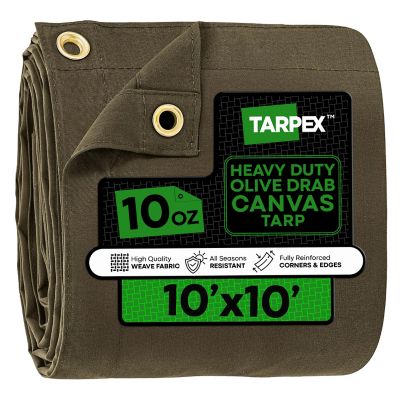
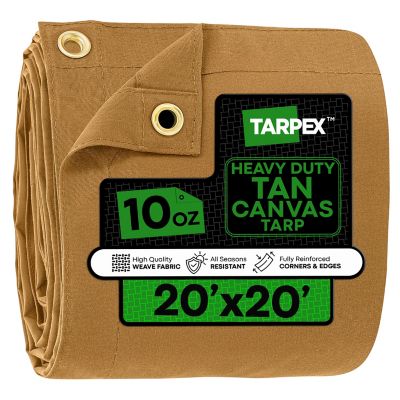
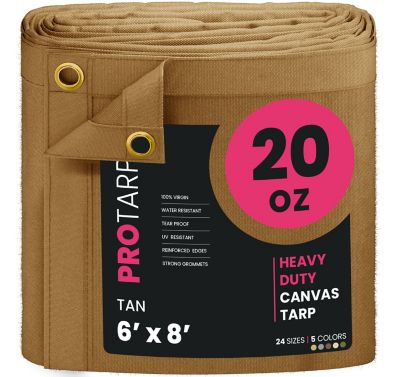
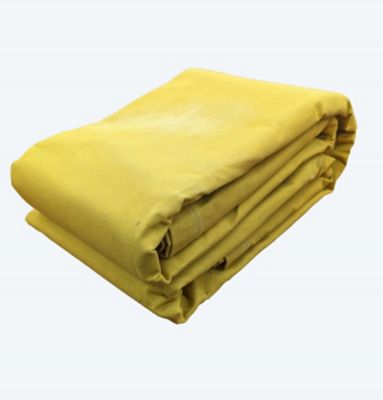
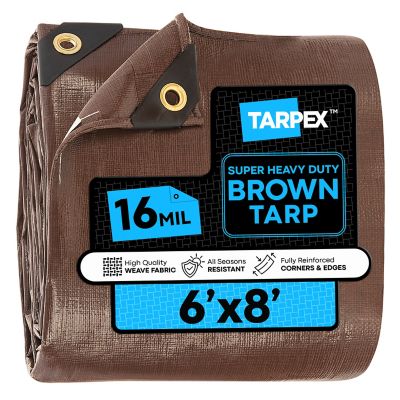
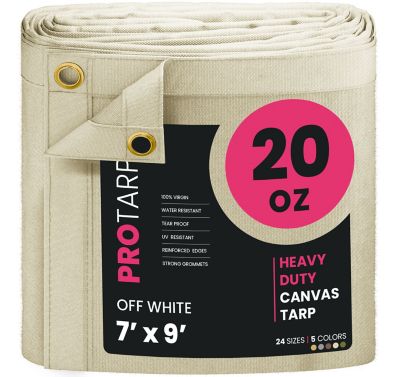
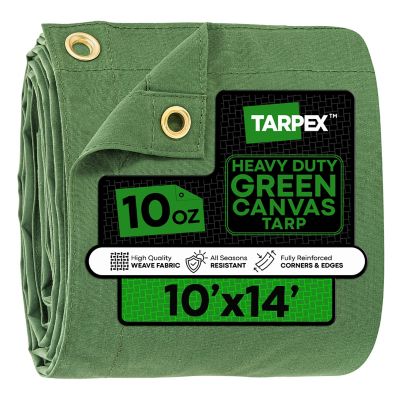
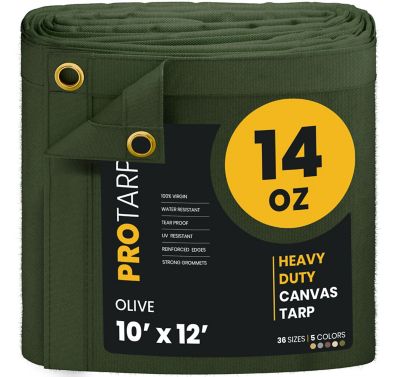
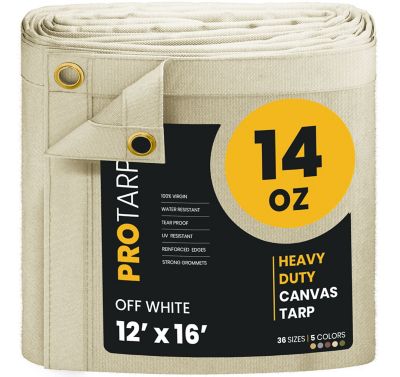
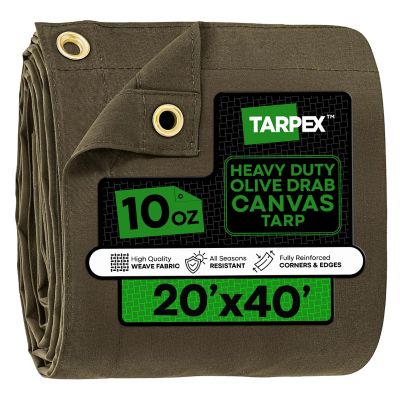
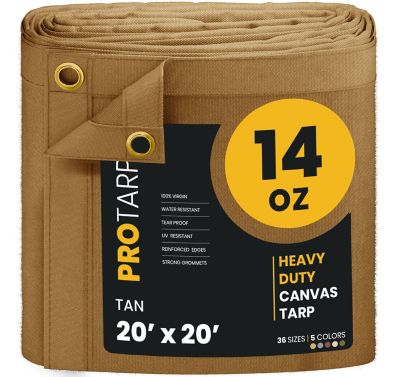
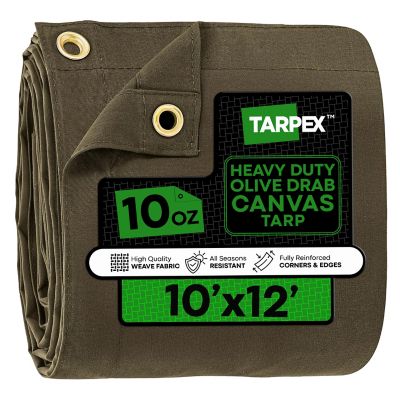
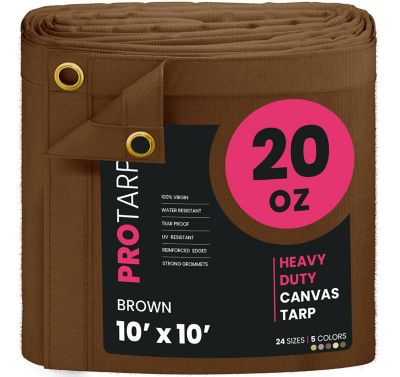
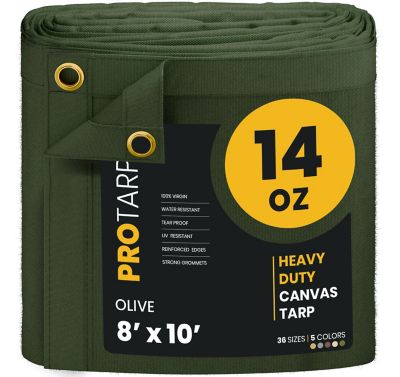
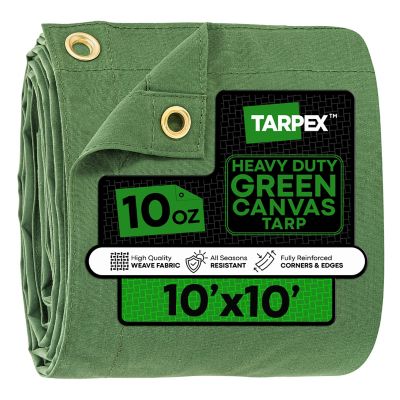
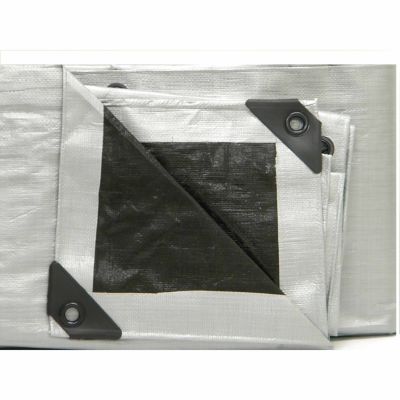
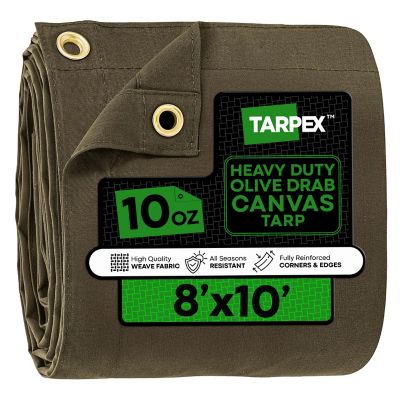
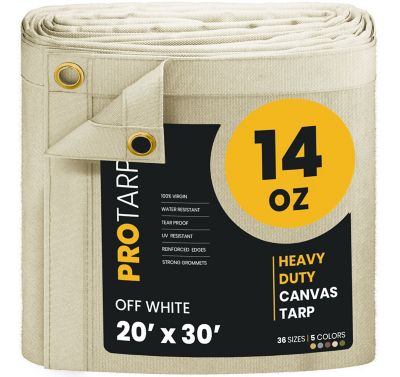
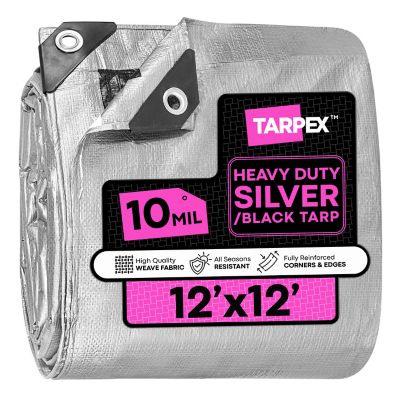
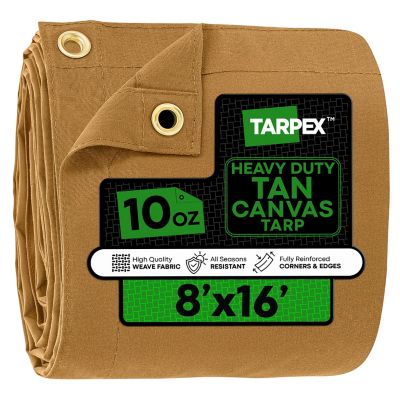
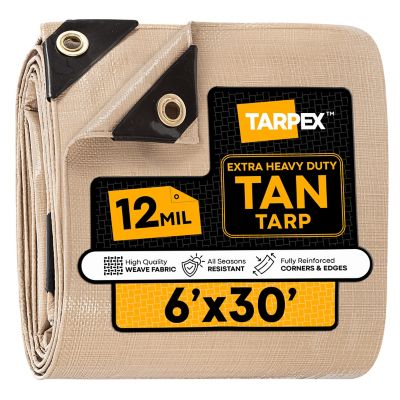
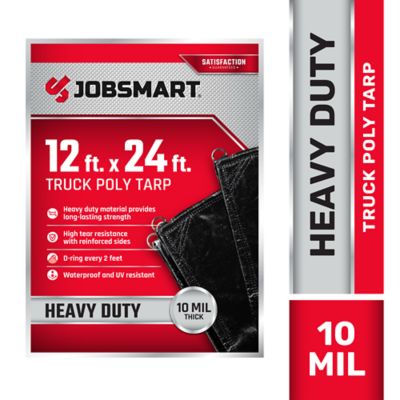
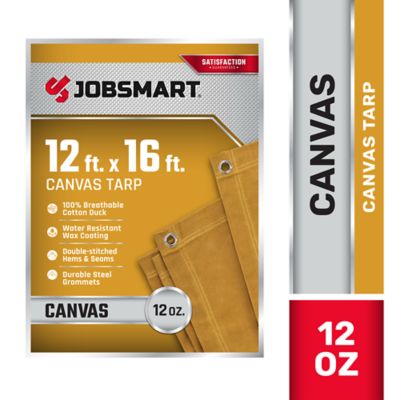
Heavy duty canvas tarps are made for the kind of work that leaves a little dirt under your fingernails. They’re useful on farms, ranches, job sites, hunting camps, workshops, and around the home whenever equipment, materials, or firewood need dependable cover. Unlike thin plastic covers that can flap hard in the wind and turn brittle after long sun exposure, a heavy canvas tarp has a substantial, woven feel and settles over a load with less fuss. Cotton duck canvas and poly-cotton canvas are common choices, with heavier options often weighing about 12 to 21 ounces per square yard. That weight gives the fabric strength against rips, scuffs, and everyday handling, while treated fibers help shed rain and light moisture. Canvas is also breathable, allowing some trapped humidity to escape instead of sealing damp air against the item underneath. That can be helpful when covering lumber, hay equipment, tools, outdoor furniture, or other gear that needs protection without being wrapped in a completely airtight layer. A canvas tarp won’t make an open-air storage area waterproof, and standing water can eventually work its way through, so pitch the cover with a slope and avoid letting rain collect in a low spot. Proper setup matters just as much as fabric weight: leave room for air movement, keep sharp edges padded, and secure the tarp so wind can’t get underneath and turn it into a sail. In cooler weather, a well-placed cover can keep frost, leaves, and muddy runoff off equipment; as the weather warms, it can help shield supplies from direct sun and passing showers.
Start by measuring the item you plan to cover, then add enough extra material to reach down the sides and leave room for tie-downs. A tarp that fits too tightly can pull at the grommets, while one that barely reaches the ground may leave valuable equipment exposed. For a woodpile or a stack of building supplies, cover the top and upper sides while leaving some lower space open for ventilation. For tractors, implements, trailers, and other large equipment, look for a size that provides coverage without dragging excessively across the ground. Heavy duty canvas tarps commonly use reinforced hems and metal grommets around the perimeter, often spaced close enough to give you several anchoring choices. Use every other grommet when conditions are calm, and add more tie points when steady wind is expected. Rope, webbing straps, bungee cords, or suitable tarp anchors can work, but avoid overtightening them against the fabric. Tie to a solid frame or stake rather than a fragile part of the load, and check the cover after the first windy day. The right weight depends on the job. A lighter heavy-duty canvas tarp may be easier to fold, carry, and use for camping gear, firewood, garden materials, or occasional utility work. A heavier industrial-style canvas tarp is a better fit for repeated handling, construction work, farm storage, and large loads that will stay covered for longer stretches. Treated canvas may be water resistant through wax, oil, or silicone finishes, so read the care and use information before exposing it to harsh cleaners, prolonged soaking, or direct flame. Canvas generally handles sparks and nearby heat better than ordinary plastic, making it useful around some camp and work areas, but it should never be treated as fireproof or placed over an active fire, hot exhaust, heater, or other heat source.
A heavy duty canvas tarp can become one of those dependable pieces of gear that earns its spot in the truck, barn, shed, or shop. It can cover a freshly split load of firewood, protect a mower while a storm moves through, provide shade beside a camp, or give a rough work surface for sorting tools and supplies. Hunters and campers may appreciate a breathable cover for gear at base camp, while a homeowner may keep one folded away for storm cleanup, painting, landscaping, or moving bulky items. It can also make a practical gift for someone who spends weekends working outdoors; a solid tarp is the sort of useful present that may not look fancy in a box but gets reached for year after year. Before choosing, consider the environment, how often the tarp will be moved, how much sun and wind it will face, and whether breathability or maximum water resistance matters more. If the cover will be exposed to heavy rain for extended periods or needs to seal out moisture completely, compare canvas with a coated option such as
Heavy Duty Vinyl Tarps. For canvas, inspect the stitching, hem reinforcement, grommet construction, finished size, and listed fabric weight rather than judging by color or appearance alone. Fold the tarp dry before storing it, brush off grit and leaves, and give it a chance to air out after damp use. Mildew and premature wear often begin when a cover is put away wet or dragged across rough gravel. With sensible sizing, firm but gentle tie-downs, and a little care between uses, a heavy duty canvas tarp can help keep working equipment, seasonal supplies, and outdoor projects in better shape through changing weather.