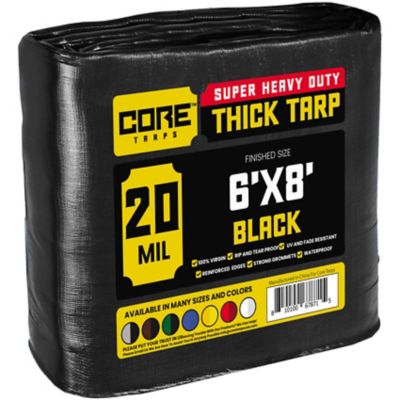
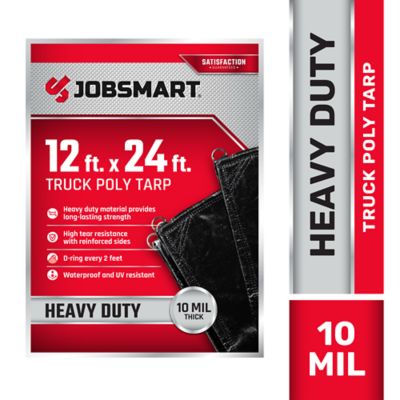
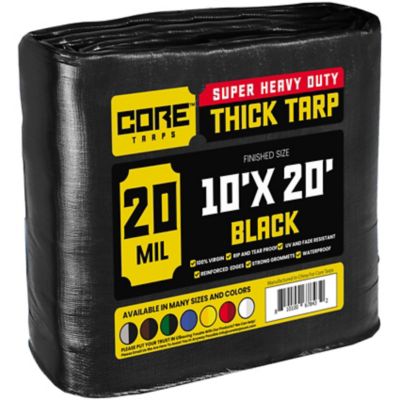
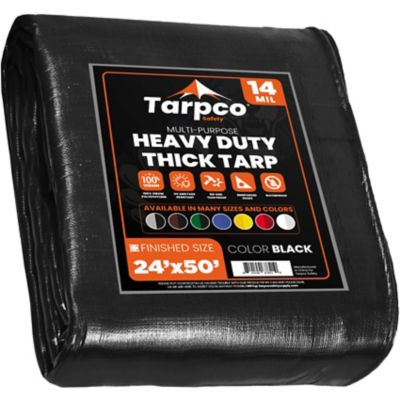
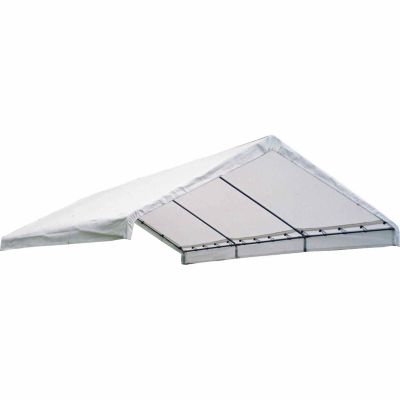
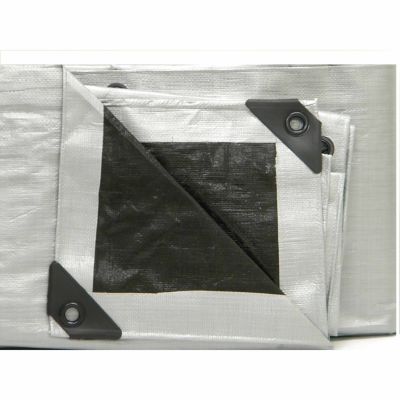
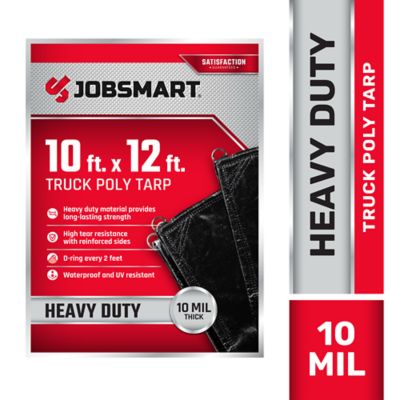
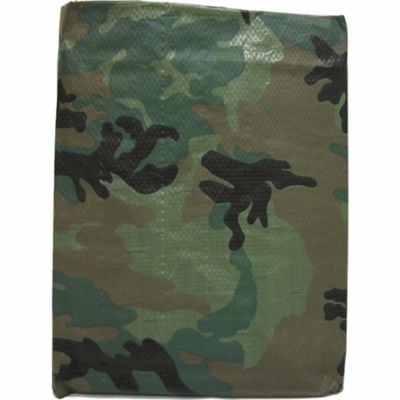
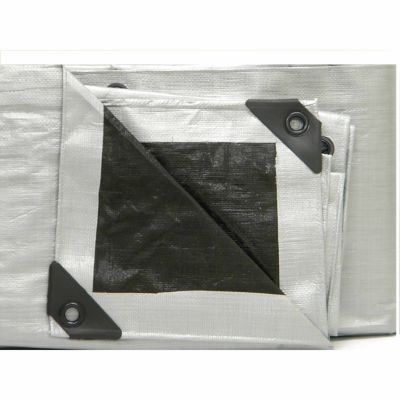
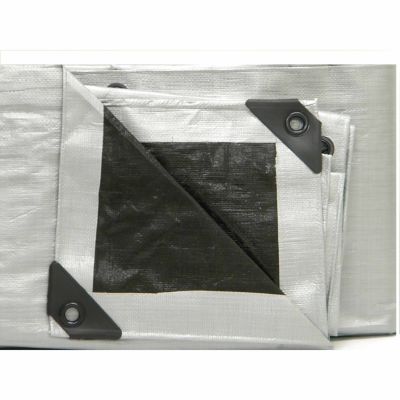
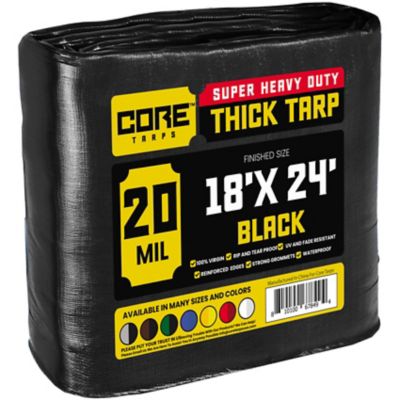
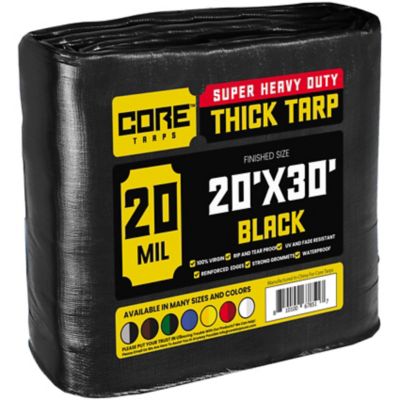
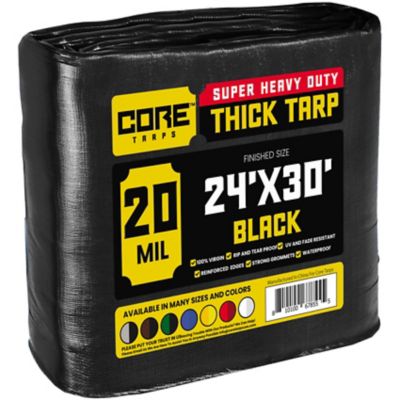
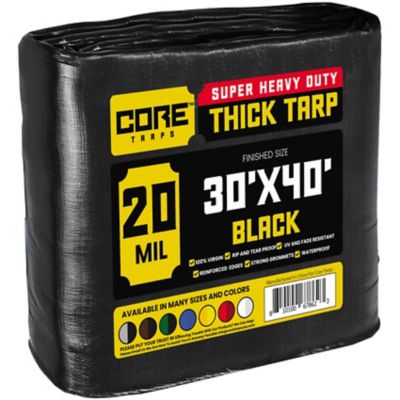
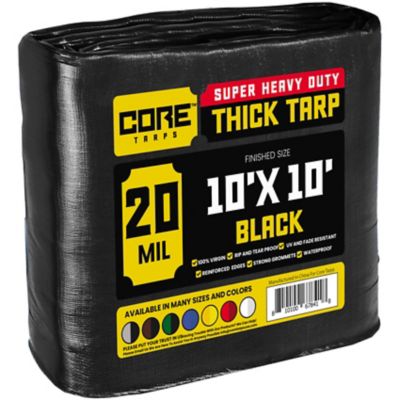
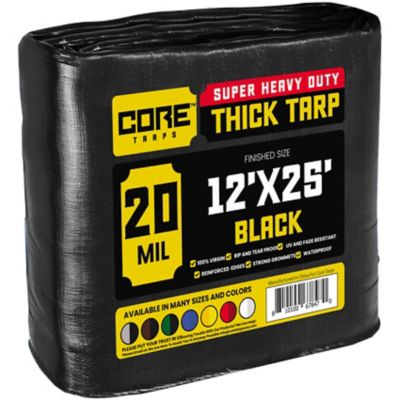
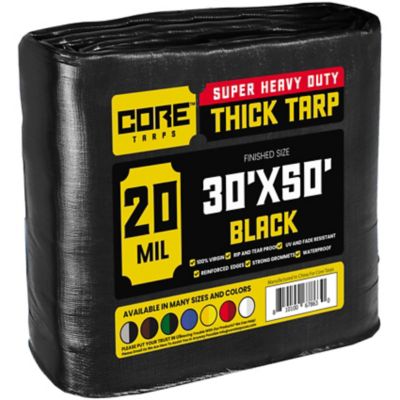
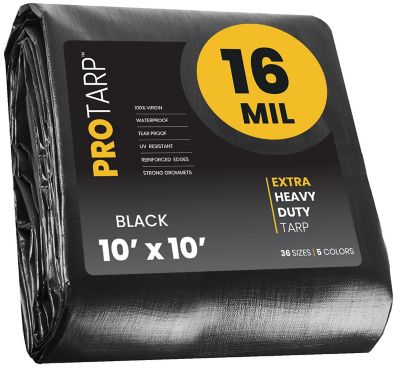
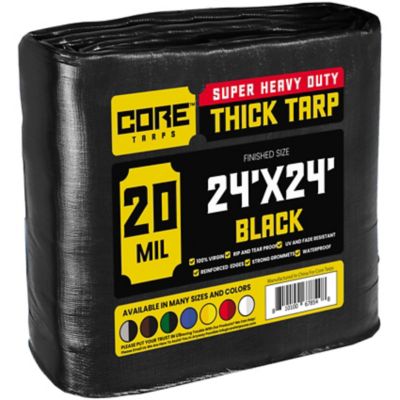
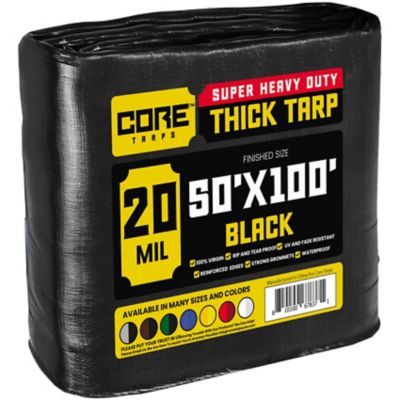
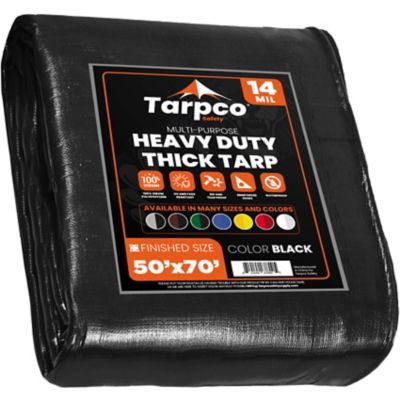
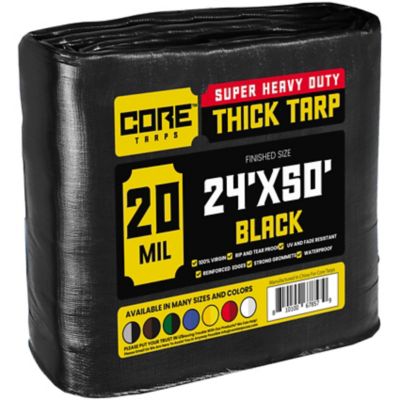
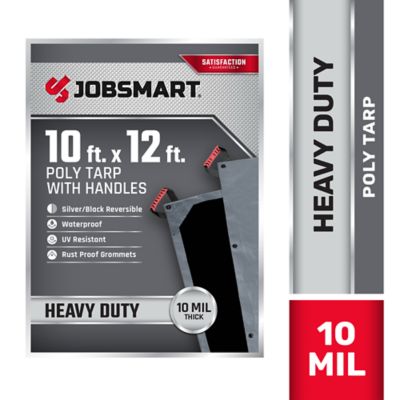
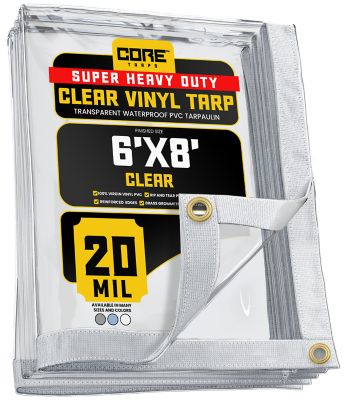
Heavy duty canopy tarps give you a practical way to cover equipment, supplies, vehicles and outdoor work areas when a little extra protection matters. They can help keep rain, snow, leaves and dirt off whatever you have stored underneath, while also providing shade during warmer stretches and a break from wind during the cooler months. A well-chosen tarp may be used over a framed shelter, attached to a temporary canopy, draped across a trailer or secured above a stack of firewood. Around a farm or acreage, it can cover a tractor waiting for its next job, protect fencing supplies from soaking rain, or create a dry place to work on small repairs. At home, these tarps are handy for shielding lawn equipment, lumber, motorcycles, ATVs, patio furniture and outdoor projects. They also fit naturally into camping gear, hunting camp setups, tailgate areas and seasonal storage plans. If you already have a canopy frame, measure the frame and the area you want covered before shopping, keeping in mind that the stated tarp size may include the edges and not the exact finished coverage once it is secured. A tarp that is too small can leave valuable equipment exposed, while one that is much too large may sag, flap and collect water unless it is properly supported. Look for reinforced corners, sturdy hems and plenty of tie-down points so the cover can be pulled snug without putting all the strain on one section. Grommets spaced about 18 to 24 inches apart give you more options for anchoring, especially when wind direction changes or the tarp needs to fit an unusual shape. Brass or other rust-resistant grommets are useful for outdoor service, but even strong hardware can pull out if the tarp is tied down too tightly or allowed to whip in the wind. Use rope, bungee cords, straps or other suitable tie-downs, and avoid sharp edges that can wear through the fabric. For a ready-to-use shelter with a supported frame, browse
Heavy Duty Pop Up Canopies alongside tarp options for a setup that fits the job.
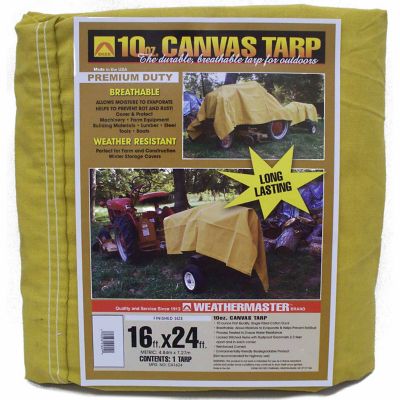
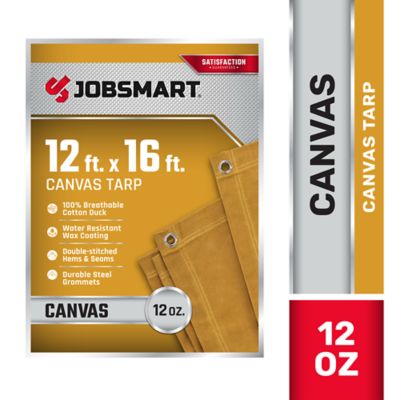
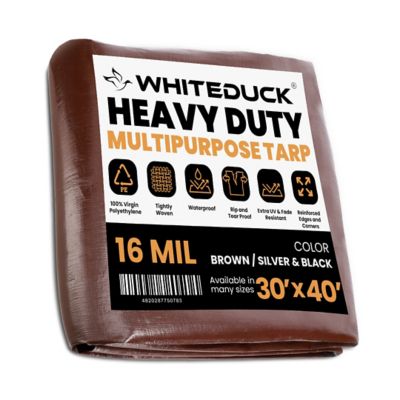
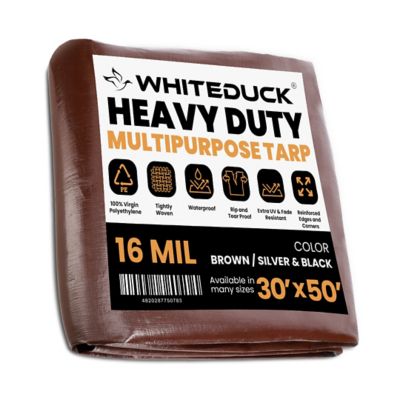
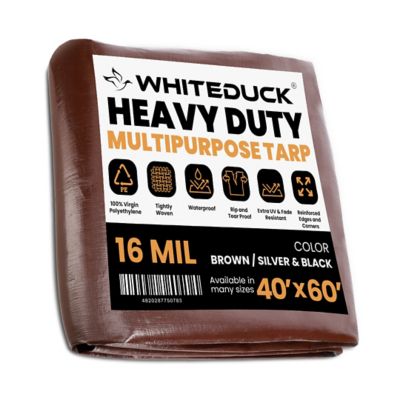
Material is one of the biggest differences among heavy duty canopy tarps. Polyethylene, often called poly, is a popular choice for general outdoor coverage because it is lightweight, affordable, waterproof and easy to handle. Many heavy duty poly tarps are made in the 10- to 12-mil range, with thicker material generally offering better resistance to punctures, abrasion and everyday wear than a thin utility tarp. UV treatment is especially valuable when a tarp will stay outside for extended periods, since sunlight can make untreated material brittle and more likely to crack. Vinyl-coated PVC tarps are heavier and often suited to demanding work where abrasion resistance, waterproofing and long-term durability are priorities. Welded seams can help limit leaks along the construction, and the added weight can help the cover stay in place when it is supported and tied down correctly. Canvas offers a different set of benefits. A heavy canvas tarp, often described by weight such as 12 ounces or more per square yard, has a breathable weave that can reduce condensation underneath the cover. That makes it useful around equipment or materials that need airflow, though canvas is generally water-resistant rather than completely waterproof unless it has been treated with a suitable sealant. Mesh tarps allow air to move through while providing shade and reducing wind, making them useful for open-sided shelter areas where a solid waterproof cover might catch too much wind. Mesh is not the right choice when keeping out steady rain is the main goal, but it can help with sun protection, privacy and airflow. As you compare materials, pay attention to denier, mil thickness, fabric weight, seam construction, UV protection and the intended length of outdoor use. The heaviest option is not always the best fit; a tarp that must be put up and taken down often may be easier to manage in a lighter material, while a fixed or frequently exposed setup may call for the added strength of vinyl or heavy canvas.
Before securing a heavy duty canopy tarp, take a close look at the site and the weather it will face. A level area with room around the edges makes installation easier, and a slight slope helps rain run off instead of pooling in the middle. Do not leave broad flat sections unsupported, since even a tough tarp can stretch under standing water or a load of wet snow. Keep the cover clear of hot exhaust, open flames, sparks and sharp branches, and check whether fire-retardant material is needed for a commercial setting, public event or other location with specific safety requirements. Fire retardancy and compliance markings can matter for temporary shelters used around work crews or gatherings, so review the requirements that apply to your setup rather than assuming every outdoor tarp meets the same standard. During periods of heavy wind, inspect the corners, grommets, straps and frame connections, tightening or repositioning them as needed. A few minutes spent checking the tie-downs can prevent a loose edge from turning into a torn panel or a cover blowing across the pasture. When the tarp is not in use, clean off dirt and plant debris, let it dry completely and fold or roll it loosely in a dry place. Avoid storing it while damp, particularly with canvas, because trapped moisture can lead to mildew and unpleasant odors. Heavy duty canopy tarps make useful additions to a farm shop, trailer kit, campground box or household emergency supply area, and they can be a thoughtful practical gift for someone who spends weekends maintaining property, hauling gear or working outdoors. Choosing the right size, material and tie-down system gives that cover a better chance of standing up to changing conditions, from bright sun and dusty chores to rain, frost and the first wet snow of the season.