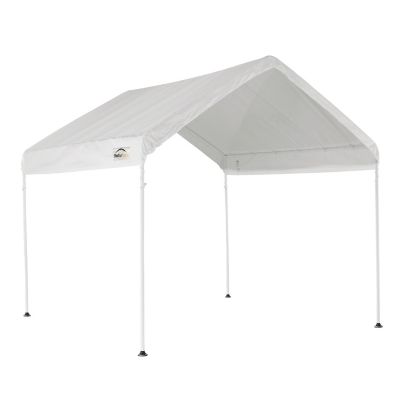
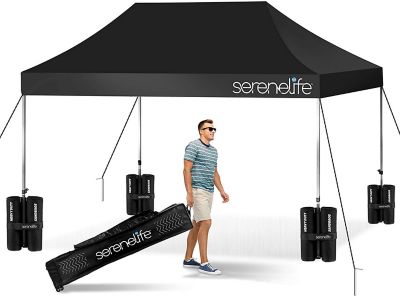
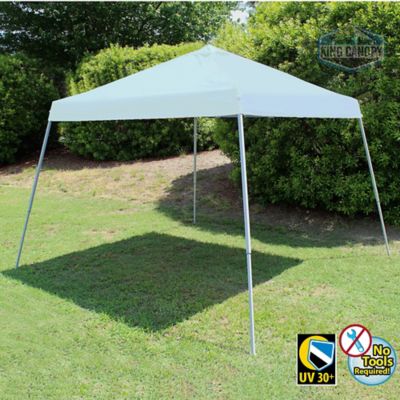
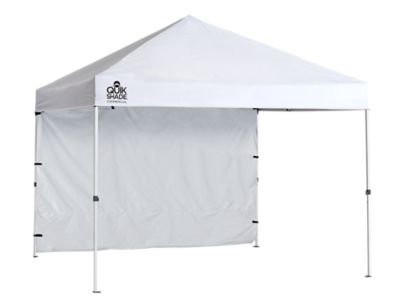
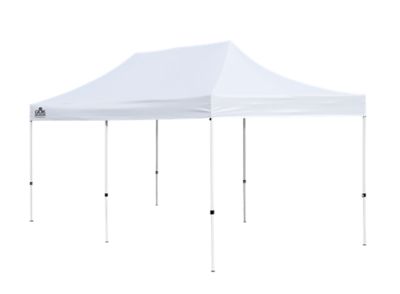
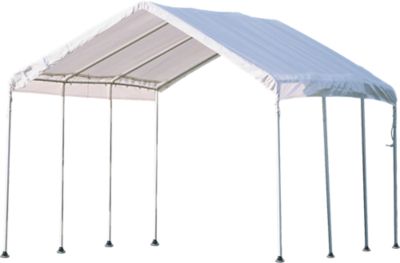
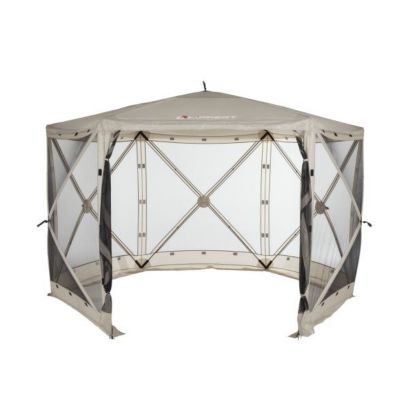
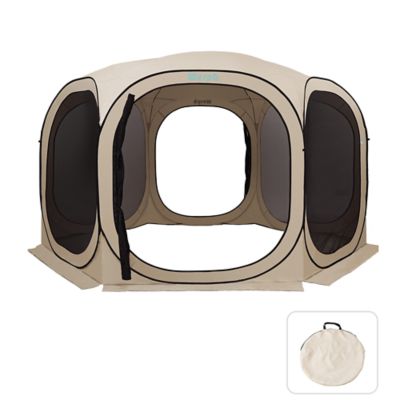
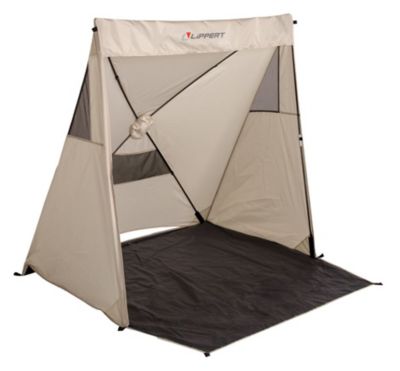
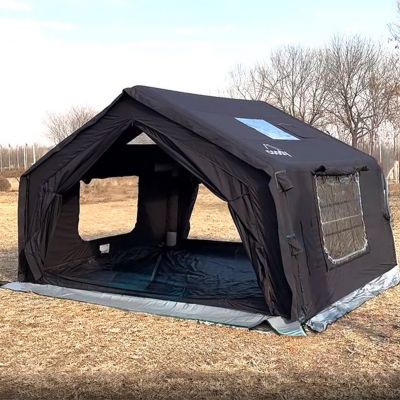
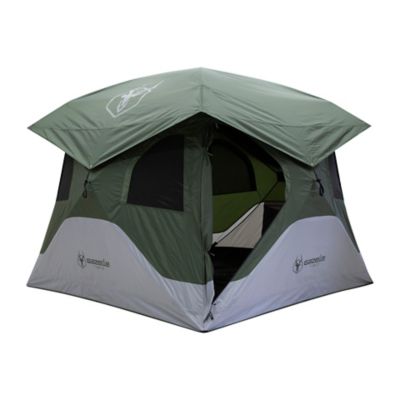
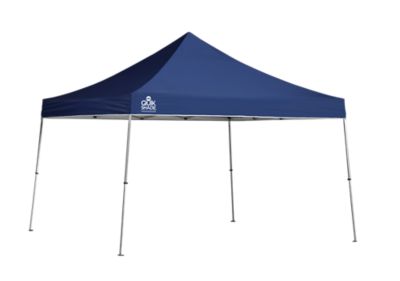
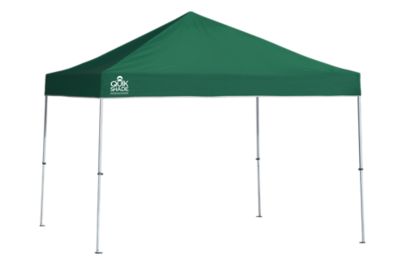
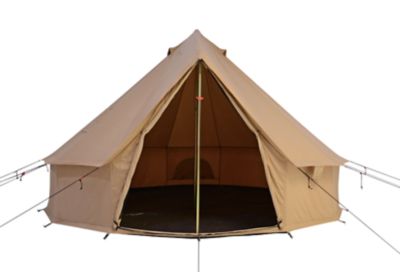
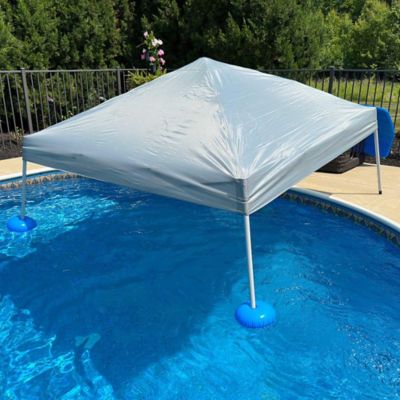
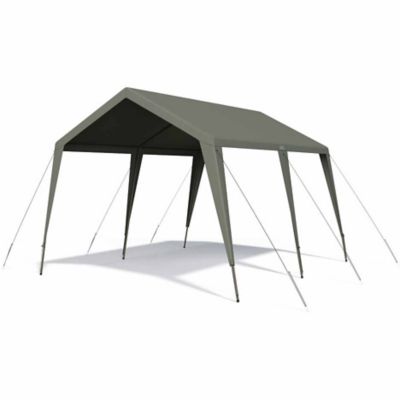
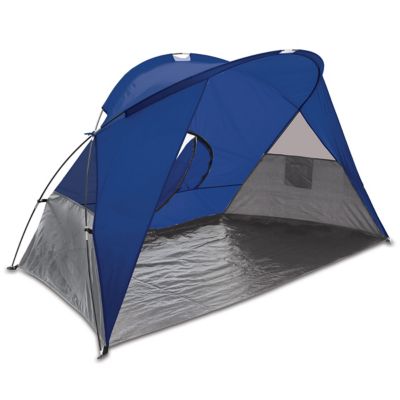
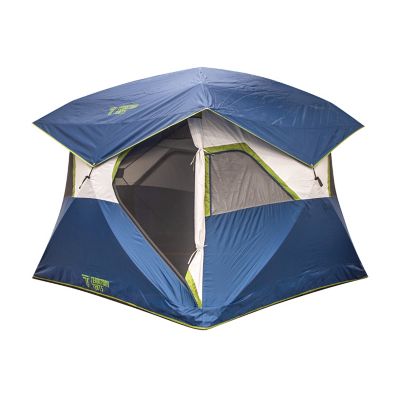
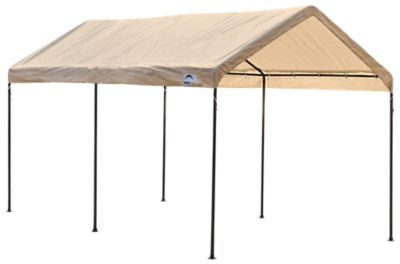
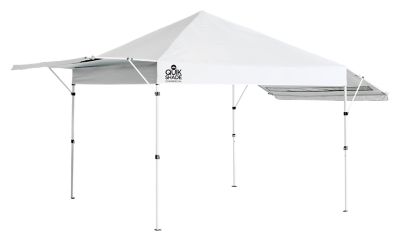
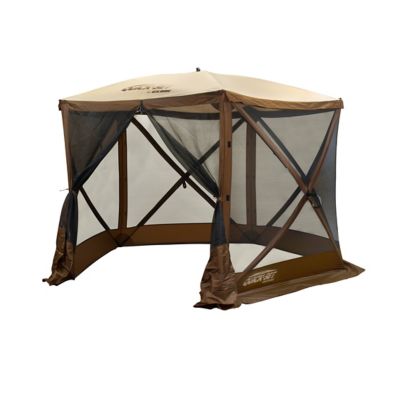
Heavy duty pop up tents provide portable overhead shelter for farmers markets, livestock shows, tailgates, campsite gathering spots, and work around the property. Most products in this category are open-sided canopies with folding frames, rather than enclosed sleeping tents. Their appeal is straightforward: they create a covered space without the poles and assembly involved in a more permanent structure. For someone unloading produce before daylight or setting up a check-in table beside a fairground barn, that simpler setup can make a real difference. A heavier-duty design generally emphasizes a stronger frame, reinforced connection points, and a substantial canopy cover, though the term “heavy duty” does not establish a universal strength or weather rating. Comparing construction details matters more than relying on the name alone. Steel frames often offer solid rigidity at a lower purchase price, while aluminum frames can reduce carrying weight and resist rust. Neither material tells the whole story; leg dimensions, tubing thickness, roof trusses, joints, and locking mechanisms all contribute to how a shelter handles repeated setup and takedown. Protective finishes help shield steel from corrosion, but scratches and exposed hardware still deserve attention. For occasional backyard gatherings, a straightforward frame may meet the need. For a vendor packing and unpacking every weekend, reinforced stress points, replaceable components, and easy-to-operate latches deserve a closer look. Think about who will handle the tent, too. A substantial frame can be welcome once it is standing, yet awkward to lift into a pickup bed at the end of a long day. Packed weight, folded dimensions, and the number of people recommended for setup are practical buying considerations, especially when one person handles most of the hauling. A wheeled carrying bag can help on pavement, although small wheels are less helpful across gravel, pasture, or soft ground. The best fit is a canopy that matches both the job at the destination and the work of getting it there.
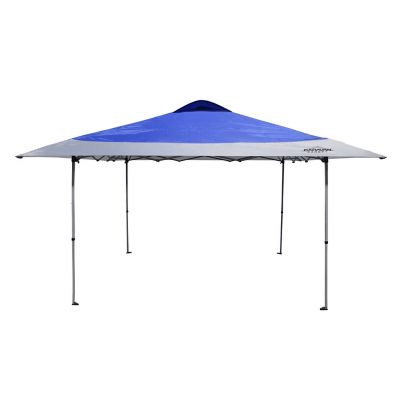
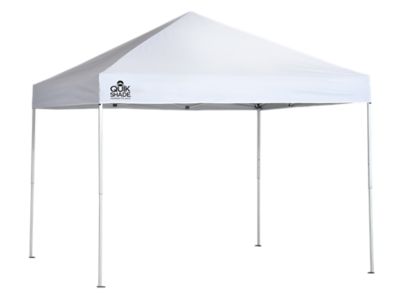
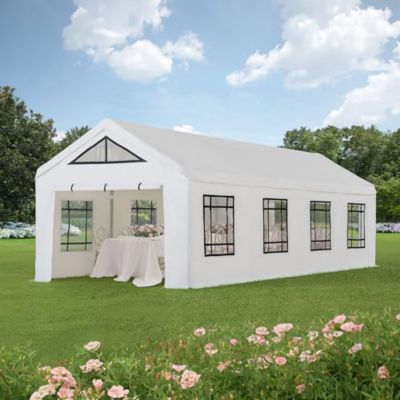
Size and layout shape how useful a heavy duty pop up canopy will be once tables, chairs, coolers, or equipment move underneath it. A nominal 10-by-10-foot footprint represents 100 square feet, but check whether the listed measurements describe the roof or the space between the legs. Slant-leg designs can have a wider base than their overhead cover, which matters when fitting into an assigned market stall. A larger rectangular shelter offers room for longer displays or several tables, but it also means more fabric exposed to wind, a heavier load to transport, and additional anchoring considerations. Picture a roadside stand with baskets across the front table, spare crates behind it, and enough room for two people to pass without bumping the legs. That working space is easy to overlook when shopping by roof dimensions alone. Adjustable leg heights can help accommodate different setups, while peak height and edge clearance determine headroom and access. Canopy fabric deserves the same attention as the frame. Polyester and Oxford-weave fabrics are common, and denier numbers such as 420D or 600D describe yarn size rather than proving overall strength or weather protection. A higher number does not, by itself, establish better performance. Coatings, stitching, seam construction, and reinforcement at frame contact points also matter. Water-resistant fabric can shed light moisture, but it is not the same as a waterproof cover with appropriately sealed seams. Check the stated protection rather than assuming every canopy will keep a table dry through prolonged rain. For sun exposure, look for a stated ultraviolet protection rating when available; shade alone does not establish a particular level of UV protection. Removable sidewalls can add privacy or limit windblown drizzle, and window panels can admit daylight during the cooler months. Walls also change airflow and wind loading, so compatibility and anchoring requirements matter. For vendors and event organizers, any required flame-resistance certification should be verified against the venue’s rules before purchase. A fabric description is no substitute for the documentation an event operator may request.
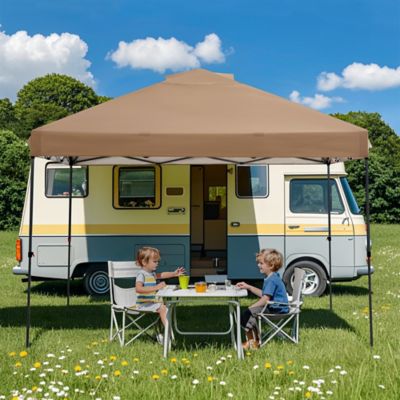
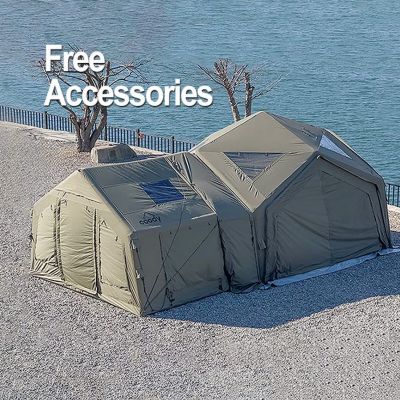
Heavy duty pop up tents suit folks whose outdoor plans involve more than setting out a couple of lawn chairs. They can provide a covered sales area for growers, a shaded rest spot for show crews, or a gathering place beside a camper when everyone comes back for lunch. As a gift for someone who regularly sells at markets or travels to outdoor events, a canopy makes the most sense when its size, packed weight, and setup requirements match that person’s routine. Accessories can be just as important as the shelter itself. Properly matched sidewalls, replacement tops, carrying bags, stakes, guy lines, and leg weights help support different setups, but their inclusion varies. Compare the full package and the cost of any required extras, rather than the frame-and-cover price alone. On grass or soil, manufacturer-approved stakes and tie-downs may be appropriate; on pavement, approved weights or another specified anchoring system may be necessary. Every leg and attachment point should be secured as directed, and a heavy frame is not a replacement for anchoring. Sidewalls can catch wind like a sail, while gusts can lift even a substantial canopy. Follow the manufacturer’s weather limits and take the shelter down before conditions exceed them. These tents are temporary shelters, not protection from thunderstorms, strong winds, or accumulating snow. During the cooler months, shorter daylight and damp mornings make a thoughtful packing routine worthwhile. Let the cover dry fully before storage, clear away leaves and dirt, and check joints and fasteners before the next outing. Keeping fabric from rubbing against sharp cargo also helps prevent avoidable damage between stops. For campsite tasks beyond overhead gathering space,
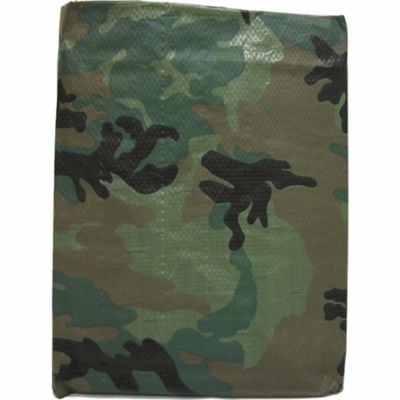
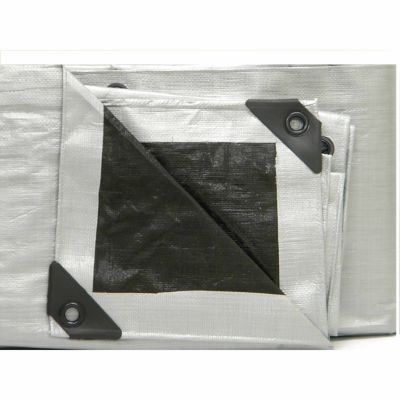
Heavy Duty Tarps for Camping can provide separate ground coverage or help shield supplies when secured appropriately; avoid attaching extra material to a canopy unless its manufacturer permits it. With the right footprint, manageable transport weight, suitable fabric, and a complete anchoring setup, a pop up tent earns its place among the gear that travels from the shed to the truck whenever there is outdoor work or a gathering ahead.