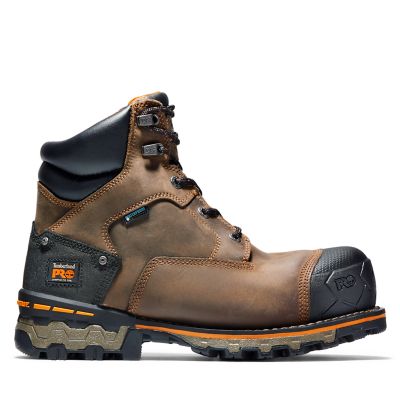
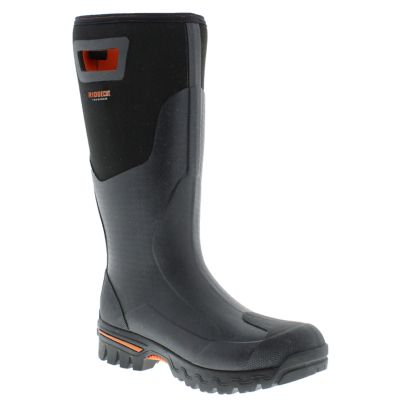
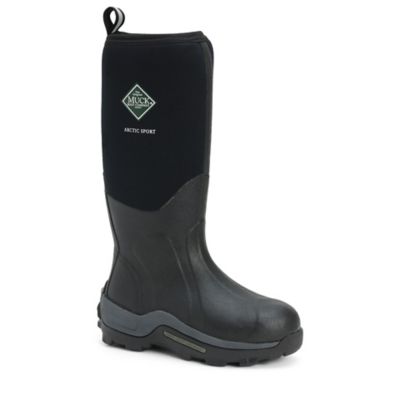
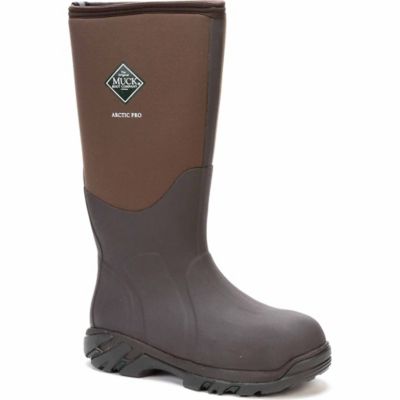
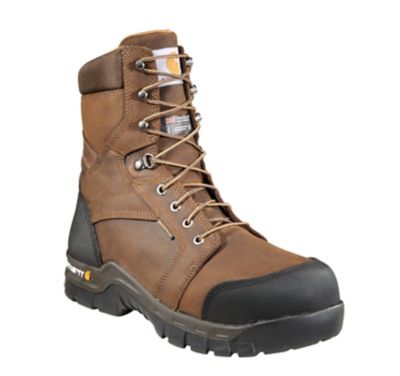
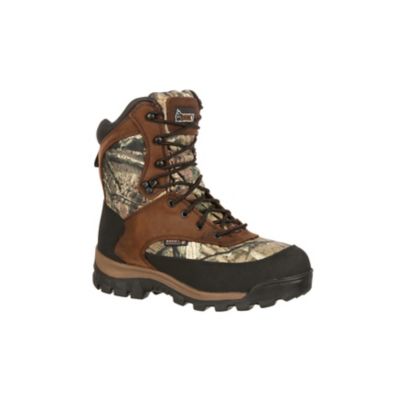
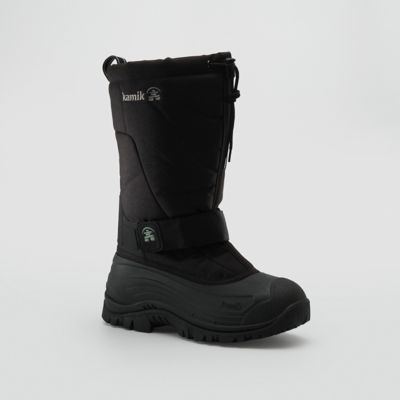
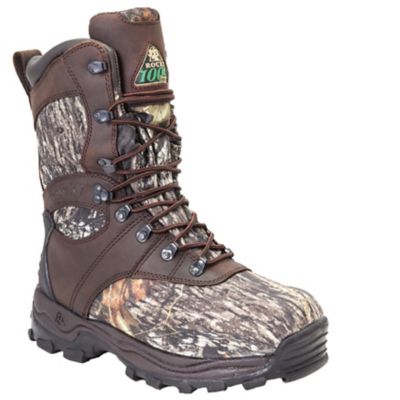
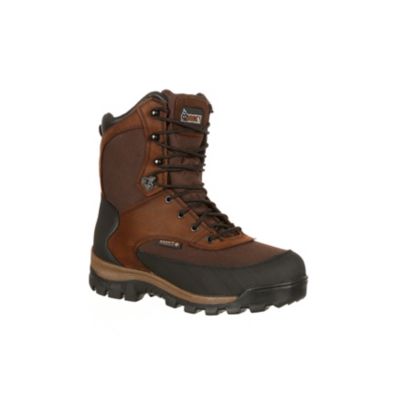
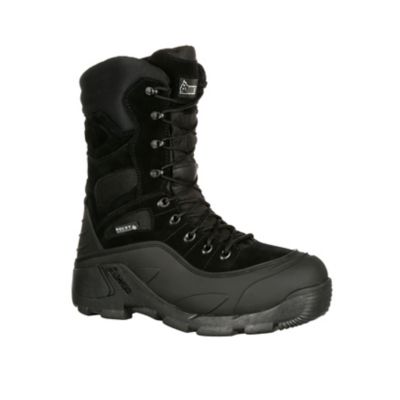
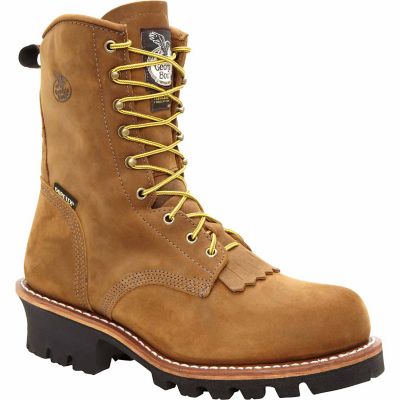
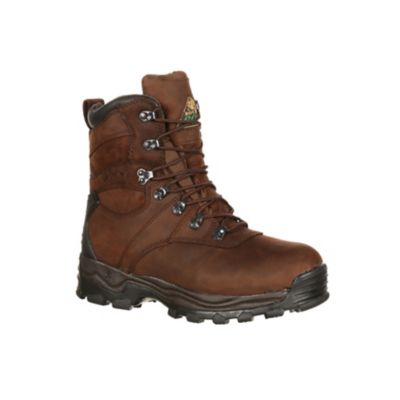
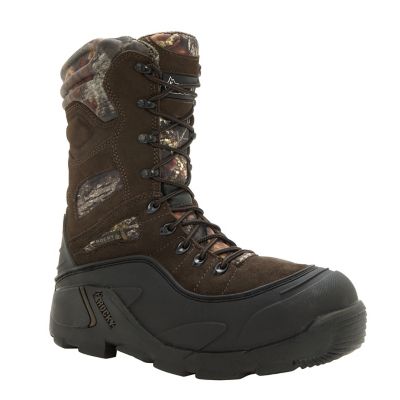
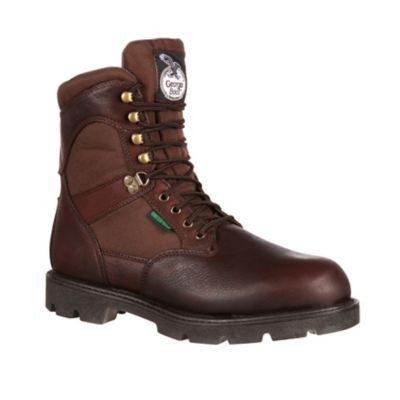
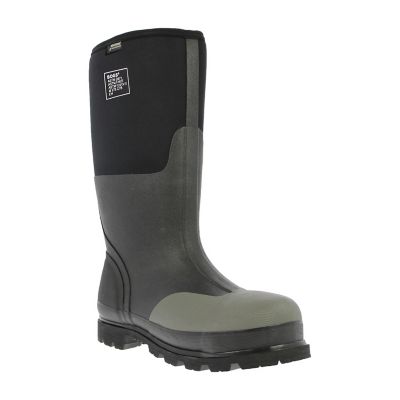
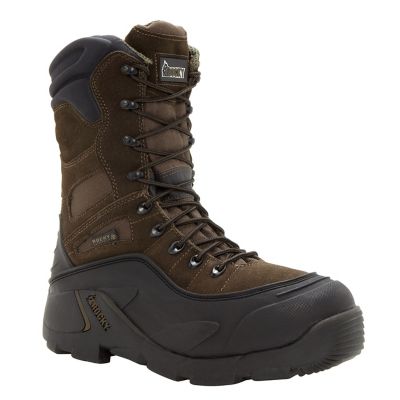
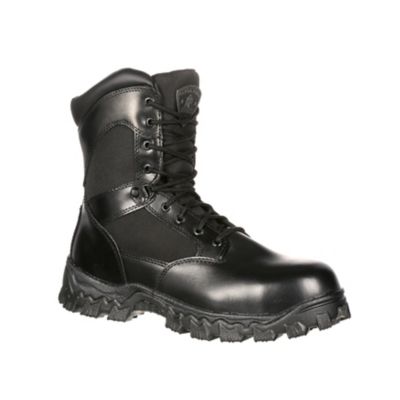
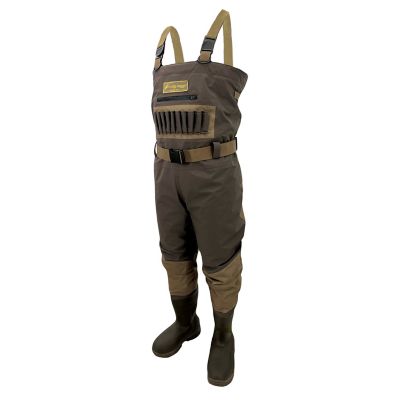
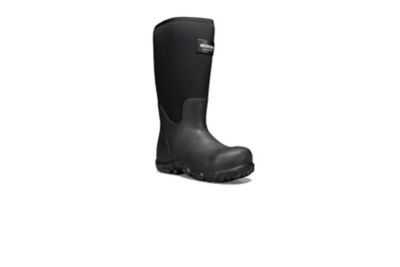
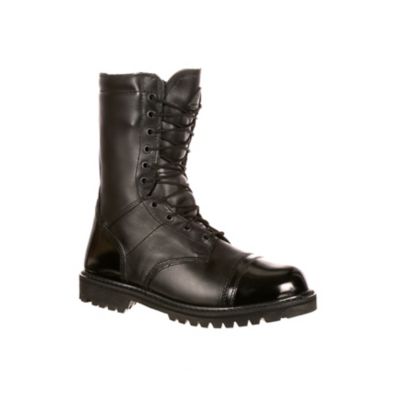
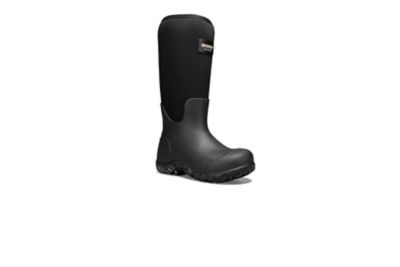
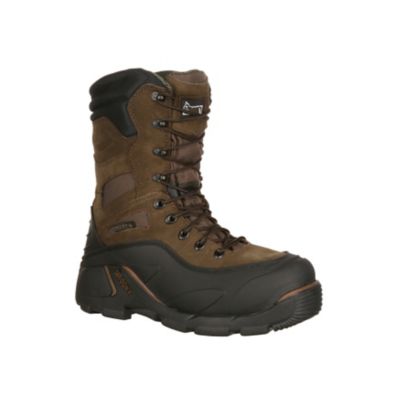
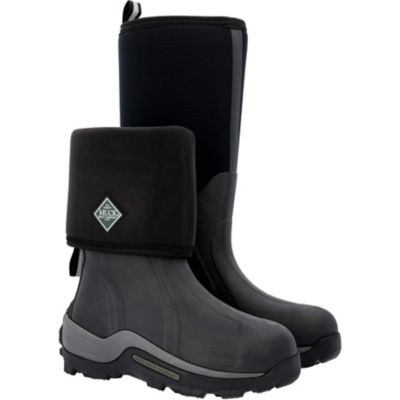
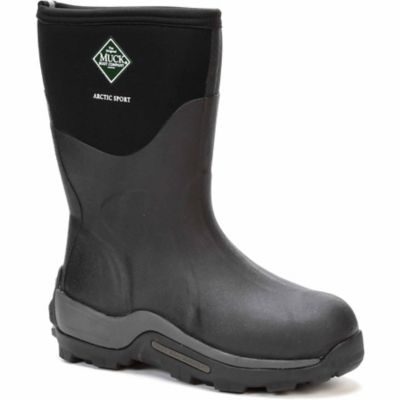
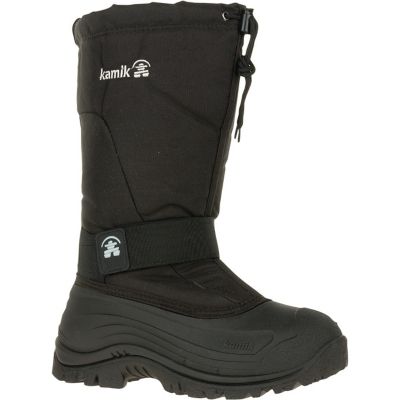
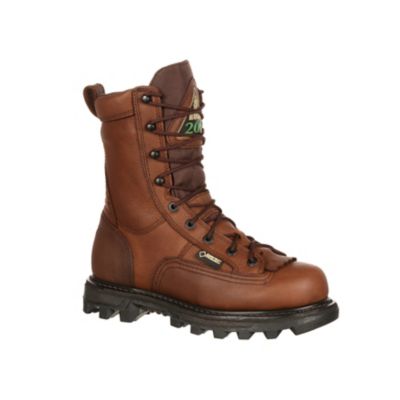
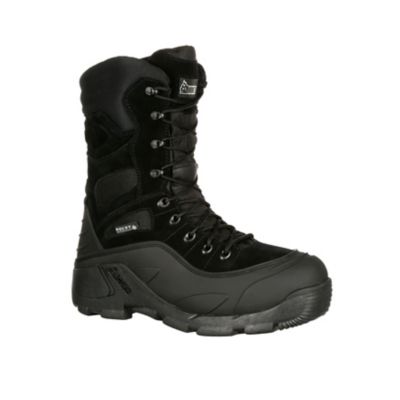
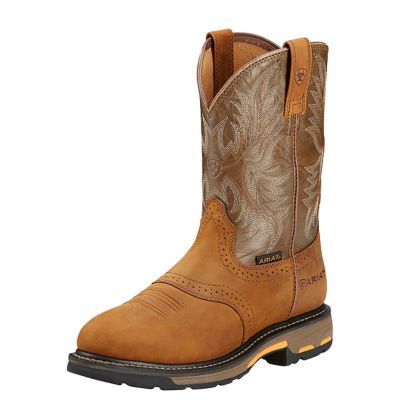
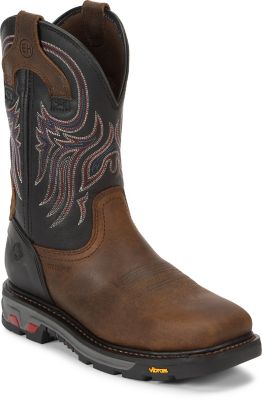
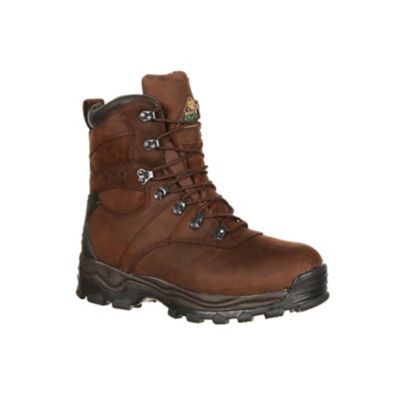
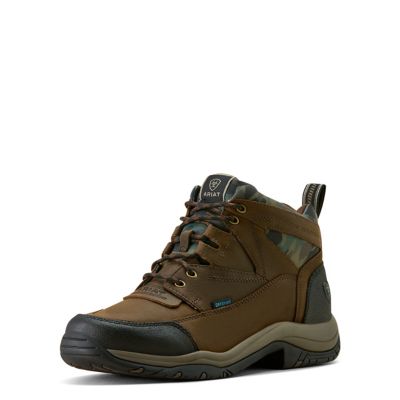
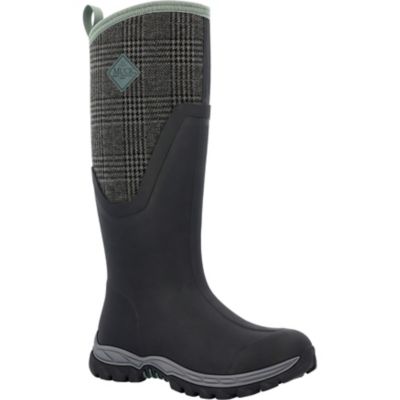
Heavy duty insulated boots are made for the kind of cold, wet work that ordinary footwear cannot handle for long. They help keep feet warm and dry through slush, frozen ground, deep mud, blowing snow and chilly rain, making them a practical choice for farm chores, outdoor work, hunting, ice fishing, winter hiking, snow removal and long days on a jobsite. They can also be handy for anyone who spends time in cold storage areas, barns, trailers or other places where concrete floors and damp air pull the warmth right out of your feet. A warm boot starts with the insulation, but the best pair brings several working parts together: a weather-resistant upper, dependable traction, a supportive fit and enough room for comfortable socks. Insulation is often listed by weight in grams. Lighter insulation, such as 200g to 400g, can suit active wearers who walk, climb or work steadily and generate plenty of body heat. Heavier insulation, such as 600g, 800g or more, is better suited to extended periods outdoors, slower-paced chores or very cold conditions when feet are likely to stay still. More insulation is not always better for every job. A person moving hay bales or checking fences may get hot in a heavily insulated boot, while someone sitting in a blind, standing on a dock or working in a freezer may appreciate the extra warmth. Match the insulation to the activity, the weather and how long you expect to be on your feet.
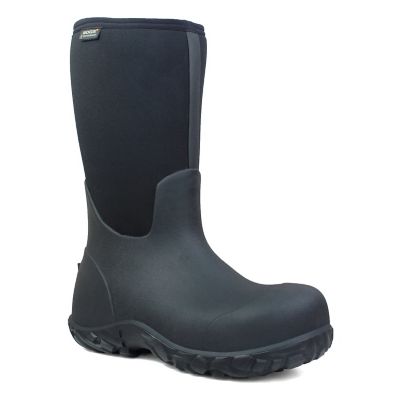
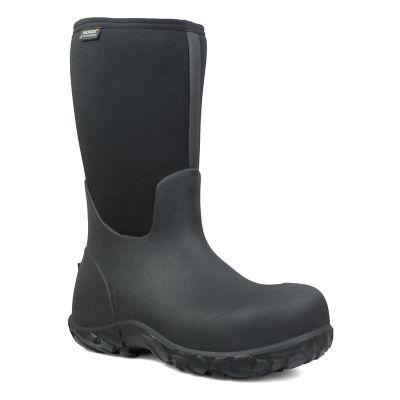
Keeping water out matters just as much as keeping warmth in. Look for waterproof materials, sealed seams, gusseted tongues and construction that helps stop rain and melted snow from finding its way inside. A tall boot can offer added protection when walking through wet grass, snowdrifts or shallow standing water, while a lower profile may feel easier to move in during active work. Rubber lowers are popular for muddy chores and wet ground because they are easy to clean, while treated leather and other durable uppers can offer a sturdy feel with the support many workers want. Some boots use breathable waterproof barriers to help move moisture from sweat away from the foot, which is useful during long walks or busy workdays. Even a waterproof boot can feel damp if worn with the wrong socks, so choose moisture-wicking wool or synthetic styles instead of cotton, which tends to hold sweat against the skin. Try boots on with the socks you plan to wear, preferably later in the day when feet have naturally expanded. Your heel should stay in place without rubbing, your toes should have room to wiggle and the boot should not pinch across the instep. A little extra space can be helpful for warm socks, but too much room allows the foot to slide and can lead to blisters. Pull-on boots are convenient for quick trips to the barn or mailbox, while lace-up designs can offer a more adjustable fit and added ankle support. For work around equipment, construction areas or heavy materials, consider safety toe protection. Steel toes are proven for impact and compression protection, while composite toes can weigh less and may transfer less cold in frigid conditions. Always check the safety rating and job requirements before choosing a pair for a regulated workplace.
The outsole deserves close attention when the ground is slick, uneven or covered in changing layers of mud, ice and snow. Deep, widely spaced lugs can help shed mud and provide a better bite on loose ground, while flexible rubber compounds may stay more dependable during colder weather. No sole can make ice completely slip-free, so take shorter steps, use handrails and slow down around frozen puddles, ramps and metal surfaces. A shank or firm midsole can help support the arch and reduce foot fatigue when carrying feed, walking trails or standing on hard floors. Ankle support is especially useful on rough pasture, wooded ground and uneven jobsite surfaces. Heavy duty boots should feel protective without making every step feel like a chore; weight, flexibility and balance all affect comfort over a full day. These boots are a thoughtful gift for a hunter, farmer, ranch hand, outdoor worker, snow-loving relative or anyone who takes winter chores seriously. They are also useful for households where several people share outdoor responsibilities, from feeding animals before sunrise to clearing a driveway after a storm. Keep boots in good shape by brushing off mud and salt, allowing them to dry away from direct heat and following the care instructions for the materials. Stuffing damp boots with plain paper can help draw out moisture, and removable liners are easier to air out between wears. As the weather warms and then turns cooler again, having the right pair ready by the door means less fuss when the ground gets wet and the work still needs doing. For another cold-weather option, browse
Insulated Snow Boots for Women to compare styles made for warmth, traction and everyday winter comfort.