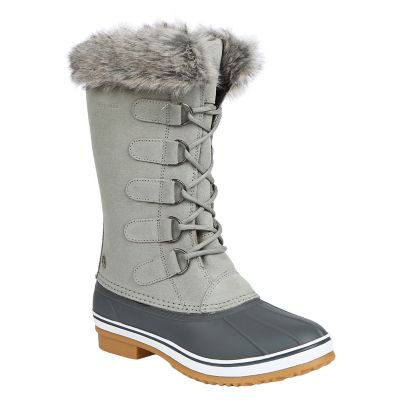
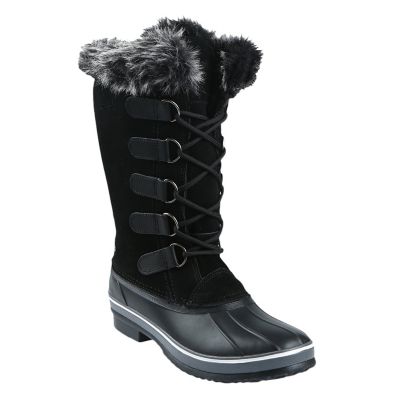
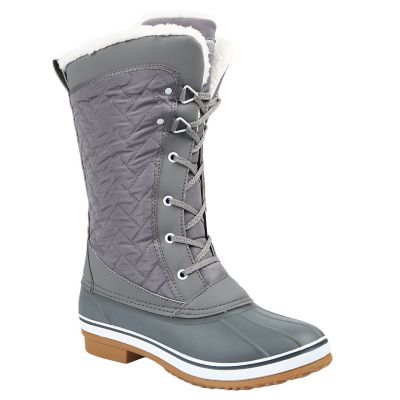
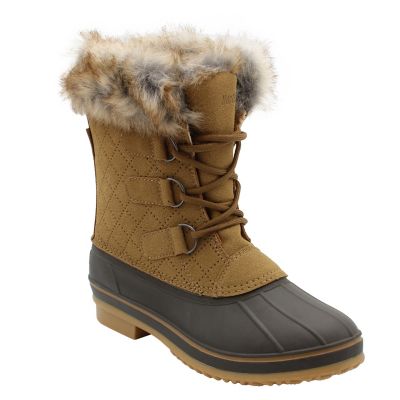
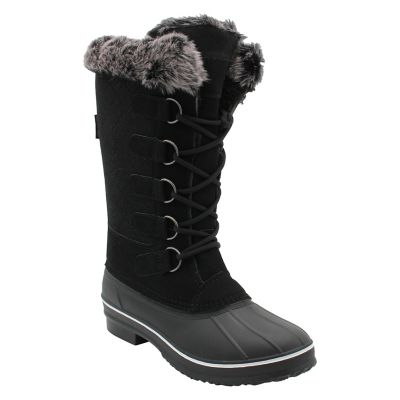
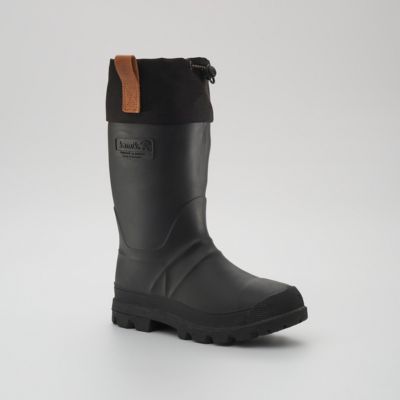
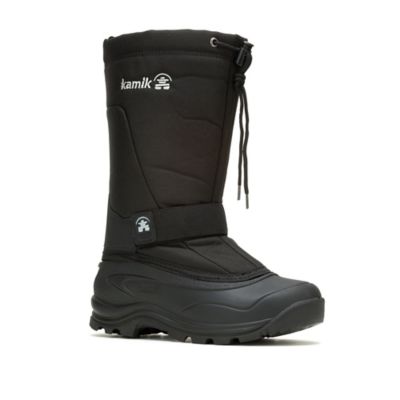
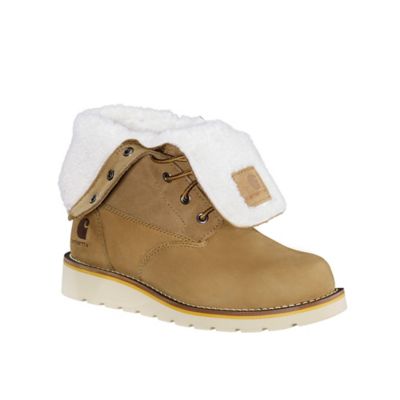
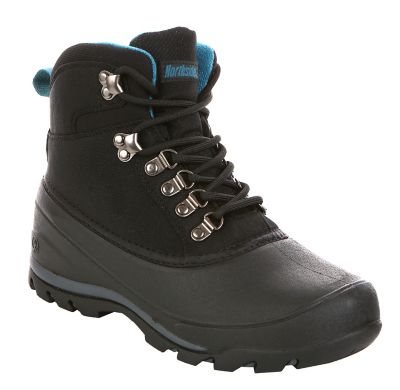
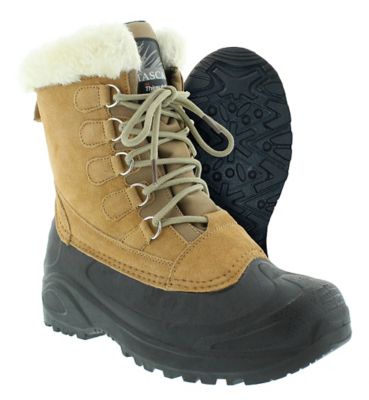
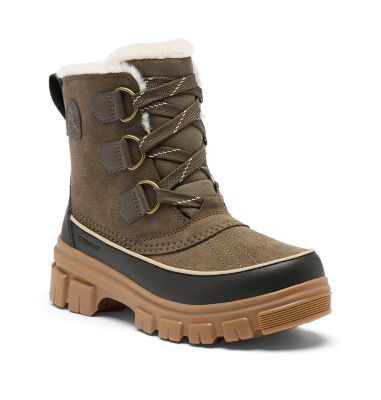
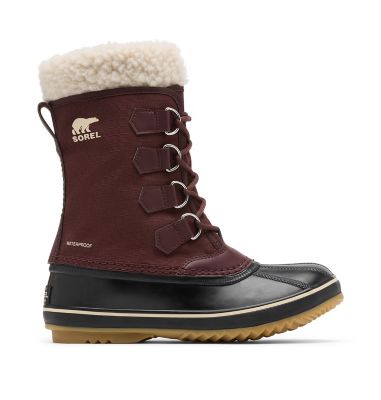
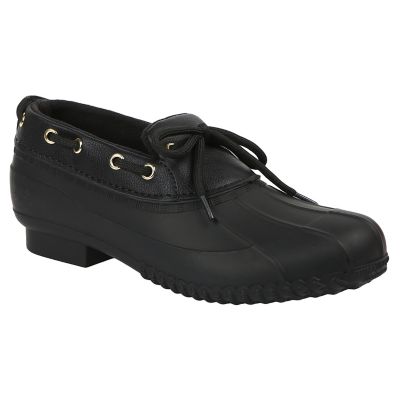
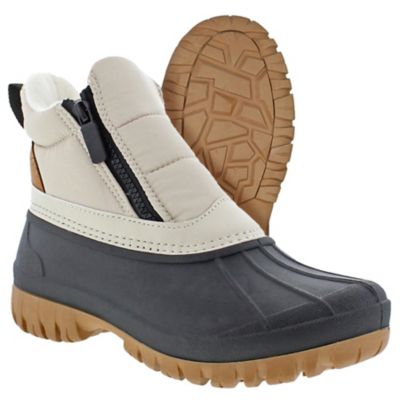
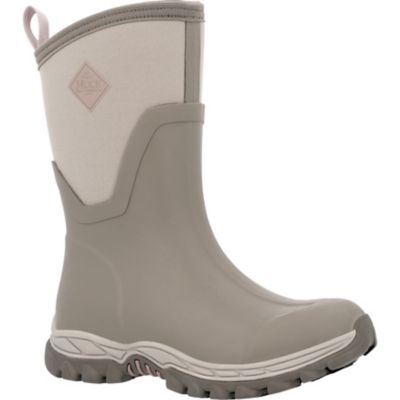
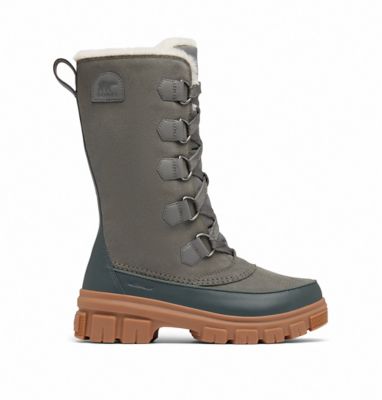
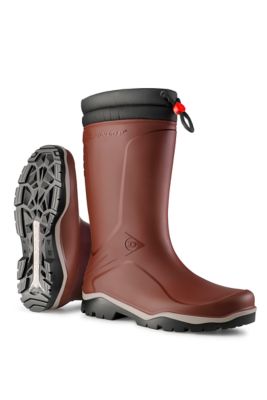
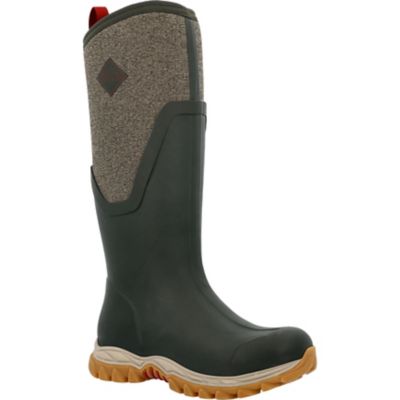
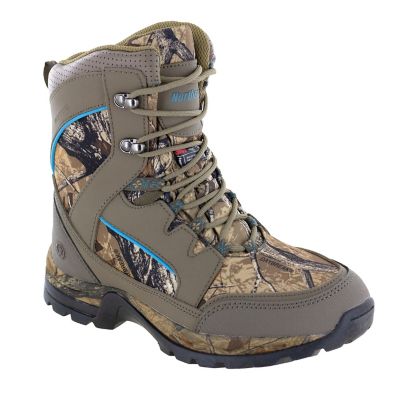
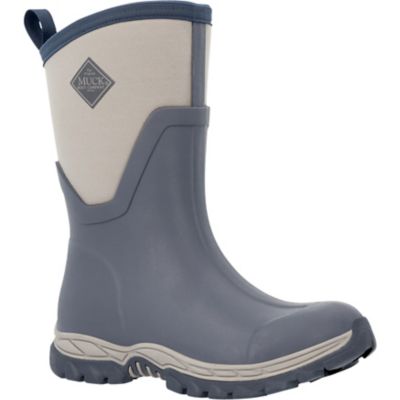
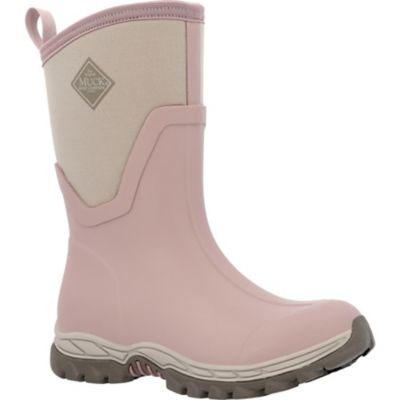
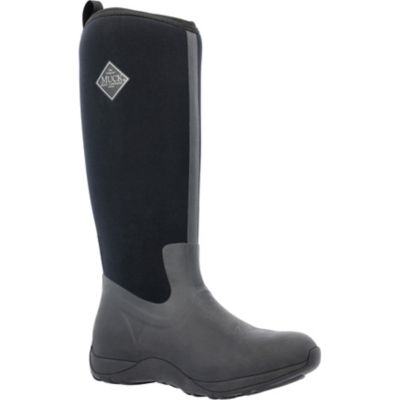
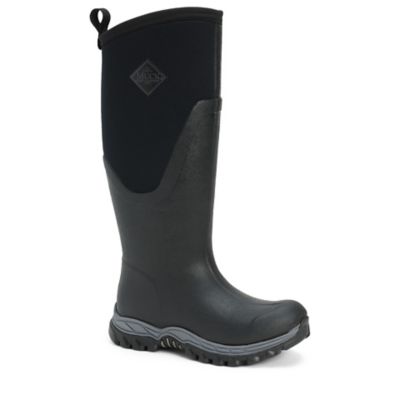
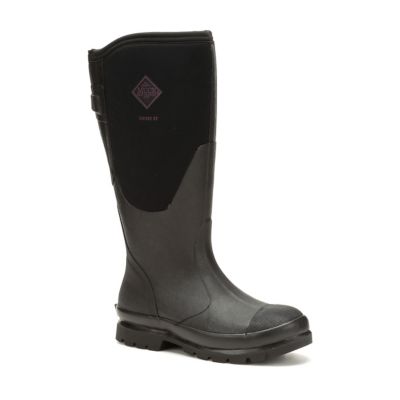
Insulated snow boots for women help hold warmth around the feet while providing coverage for snow, slush and cold ground. They earn their place by the back door when the day includes feeding animals, walking the dog or clearing a path from the porch to the truck. The right construction depends on how much time those boots will spend in wet snow, deep drifts or dry, biting cold. Rubber lower shells help block moisture around the foot, while leather, nylon and other textile uppers offer different combinations of flexibility, coverage and weight. Leather brings a substantial feel and benefits from care suited to its finish; textile uppers can offer easier movement without as much weight. Waterproof construction matters for slushy parking lots and puddles near the barn, but water resistance and waterproofing are not the same thing. Water-resistant materials can handle some surface moisture, while boots described as waterproof may include sealed seams, a waterproof membrane or a molded shell. The boot’s opening still sets a limit on protection: snow or water coming over the top can leave socks wet regardless of the lower construction. Shaft height makes a practical difference here. An ankle-height pair can be convenient for short trips outside, while a taller shaft adds coverage when snow piles up along the fence line. A gusseted tongue helps close the gaps beside the laces, and an adjustable collar can help limit snow entering from above. Lace-up styles let the fit change between the foot and calf, which can be handy with different socks or pant legs. Pull-on styles keep departures simple when there are feed buckets waiting, though the opening needs enough room for easy entry without leaving the heel loose. For everyday wear, the balance between protection and ease of movement often matters more than choosing the tallest or heaviest pair.
Warmth comes from the whole boot, not just a soft lining. Synthetic insulation traps pockets of air around the foot, and fleece or felt linings can add a cozy feel against socks. Some women’s insulated winter boots have removable liners, which can make drying between outings easier. Insulation weights, when listed, describe the amount of insulation rather than a guaranteed temperature limit. A higher insulation weight can add warmth within a comparable boot design, but construction, moisture, activity level and individual comfort all affect how warm a pair feels. Standing beside a gate while livestock move through calls for a different balance than walking briskly down a long driveway. More insulation may suit long stretches with little movement, while a lighter, more flexible boot can feel better for active errands and repeated trips between buildings. Published temperature ratings are best treated as a reference rather than a promise, since socks, wind, wetness and time outdoors change the experience. Fit deserves just as much attention as insulation. Toes need room to move, and a boot that squeezes the forefoot can make thick socks counterproductive by crowding the foot and compressing the insulation. At the same time, too much space can let the heel lift and the foot slide on uneven ground. Trying boots with the socks intended for them gives a better sense of everyday fit than trying them with thin indoor socks. Wool-blend and synthetic winter socks help manage moisture, which matters when a walk to the mailbox turns into shoveling the front steps. A cushioned footbed, supportive midsole and flexible forefoot can make those extra minutes outside more comfortable. Removable footbeds may also leave room for a preferred insert, provided it does not crowd the toes or raise the heel too far. Around the calf, there should be enough space for the clothing worn with the boots without leaving a wide opening that catches snow.
Underfoot, women’s snow boots need to match the ground they will cover. Deep outsole lugs can help grip loose snow, and spacing between those lugs can help release snow and mud instead of letting it pack tightly into the tread. Rubber compounds differ in how flexible they remain in cold conditions, so tread depth alone does not tell the whole story. No ordinary boot outsole makes ice risk-free; a slick patch beside the water trough or on shaded porch steps still calls for care. Compatible traction aids may be worth considering where icy surfaces are common. The outsole and midsole also influence how the boot feels over a full day. A substantial sole can put more material between the foot and frozen ground, while added weight may become noticeable during a long walk. Reinforced toes, sturdy stitching and protection around the lower edge can help with the scuffs that come from steps, gravel and everyday chores. Snow boots intended for casual wear are not a substitute for footwear with the protective features required for a particular job. Between outings, care helps preserve both comfort and the boot’s construction. Salt and mud are easier to manage before they settle into seams, and cleaning methods should suit the upper material. Leather may need an appropriate conditioner or water-repellent treatment, while rubber and textile sections have their own care requirements. Liners and footbeds that come out can dry separately, and gentle airflow is generally a better choice than setting boots against a heater or stove. Putting them away dry also helps keep the mudroom from becoming a row of damp footwear. As a gift, insulated snow boots make practical sense for someone who spends time outside, especially when their size, preferred shaft height and usual chores are known. For another member of the household,
Men's Insulated Snow Boots offer the same kind of cold-weather purpose. Whether the day means a quick trip to the feed shed or a longer stretch outdoors, a comfortable fit and construction suited to the conditions help make winter footing easier to manage.