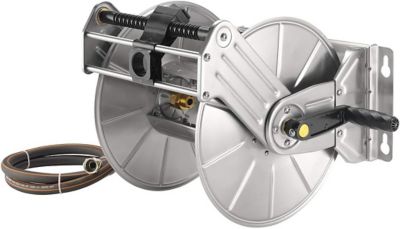
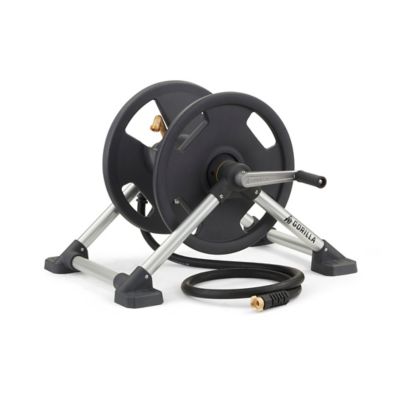
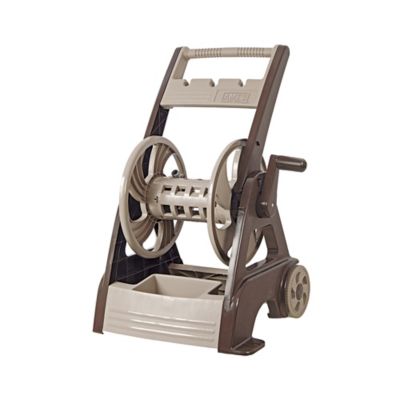
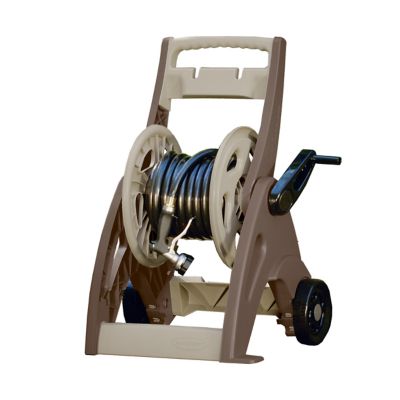
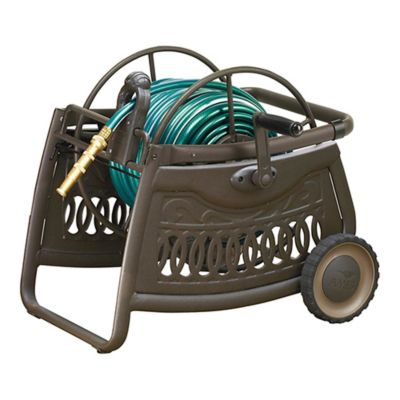
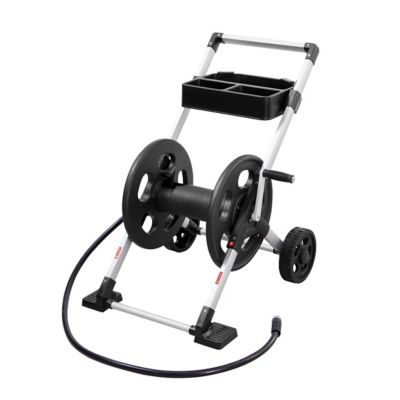
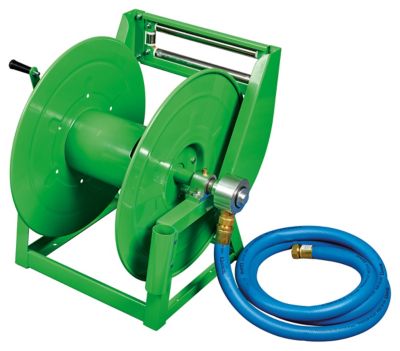
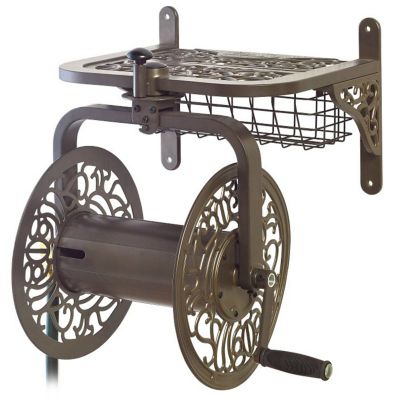
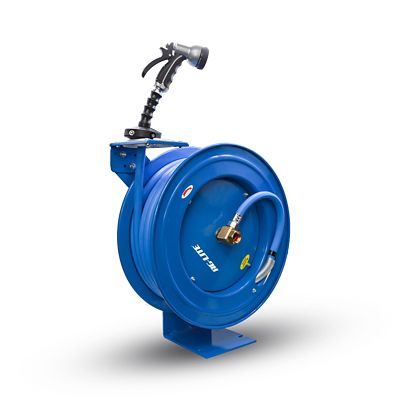
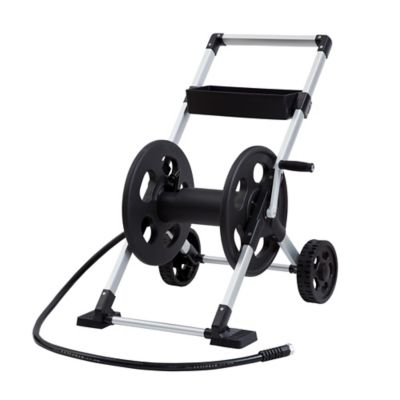
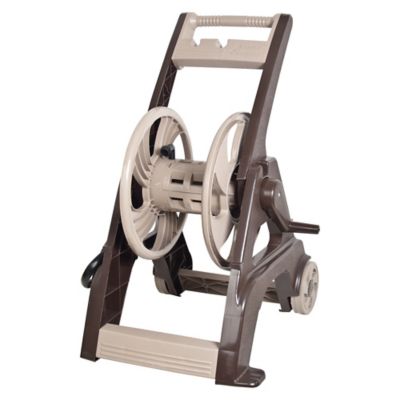
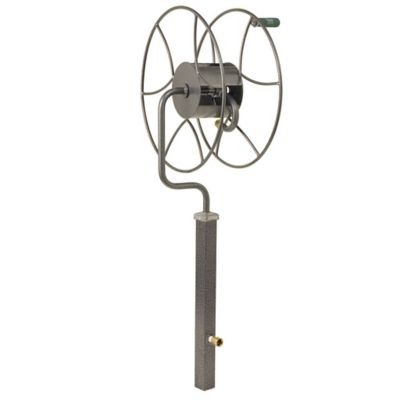
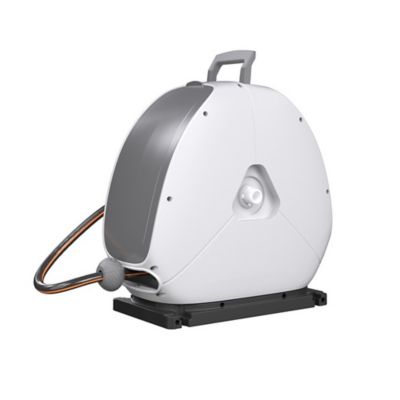
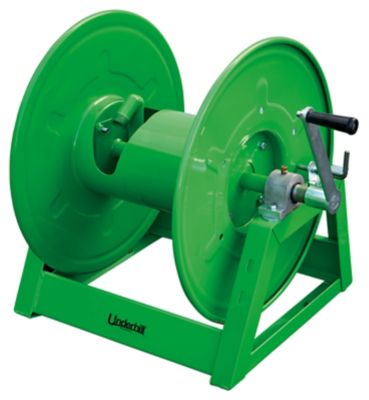
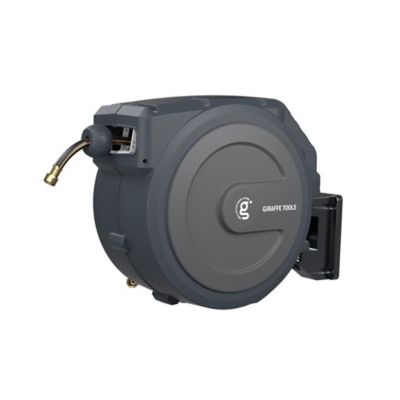
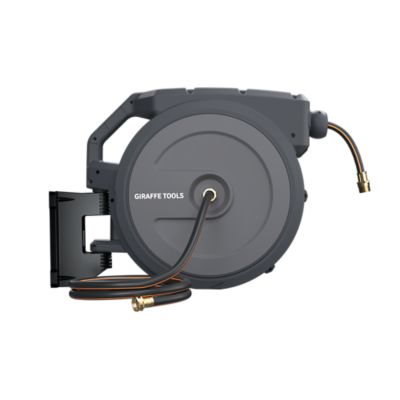
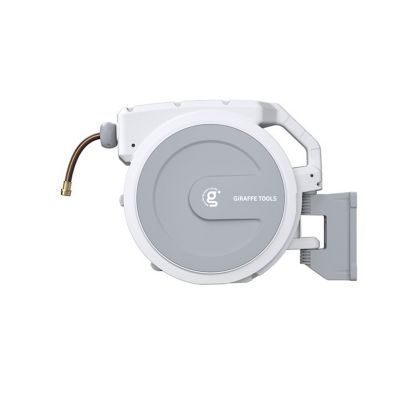
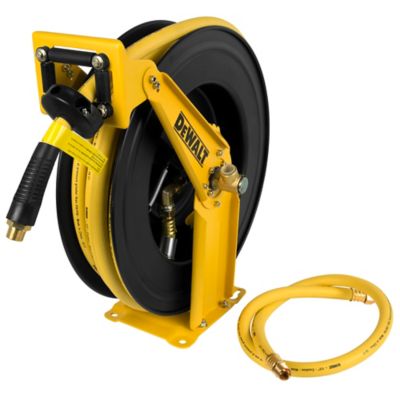
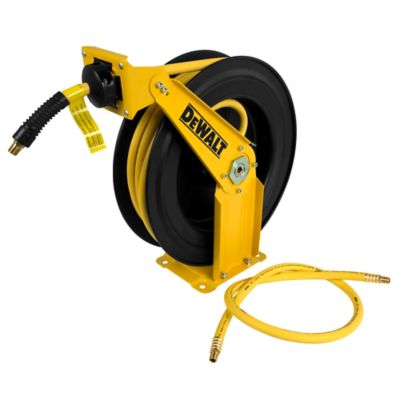
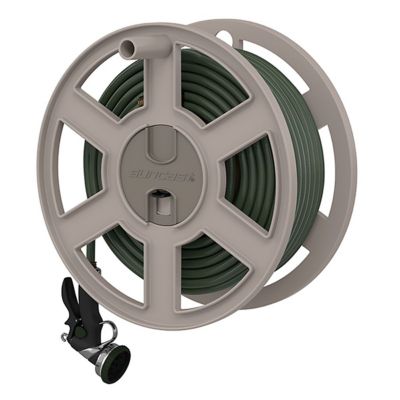
Heavy-duty hose reel carts give long garden hoses a place to ride, unwind and roll back up between chores. Around a small yard, a short hose might reach everything from one spigot. Out by a barn, across a wide lawn or along a row of raised beds, getting water where it belongs takes more hose and a better way to move it. A rolling hose reel keeps that extra length off the ground when the job is done, helping reduce tangles and keeping walkways clear. Carts in this category commonly accommodate roughly 150 to 300 feet of hose, with some designs holding more; the stated capacity depends on the hose diameter and the reel’s dimensions. A reel rated for 300 feet of 5/8-inch hose generally holds less 3/4-inch hose, and thicker hose walls can also affect how much fits. Leaving a little breathing room on the spool makes winding easier than packing it all the way to the frame. For gardeners, livestock owners and folks maintaining acreage, these carts bring hose storage closer to the work instead of tying it to a wall. They suit everyday jobs such as watering new plantings, rinsing muddy hand tools and washing out feed tubs where drainage permits. The cart carries the hose, not its own water supply, so the distance to a working spigot still matters. A short inlet or leader hose connects the reel to the faucet, while the longer working hose pays out toward the job. Whether that leader hose comes with the cart, and whether its length suits the hookup, are worthwhile details to check. A setup that reaches the vegetable patch but leaves the faucet connection stretched tight can put needless strain on the fittings. Enough slack at the water source, room to turn the crank and a clear path across the yard all make a difference in how comfortably a cart fits into daily chores.
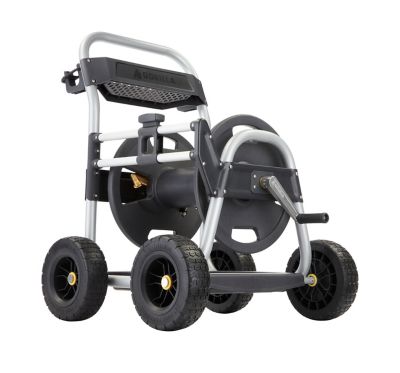
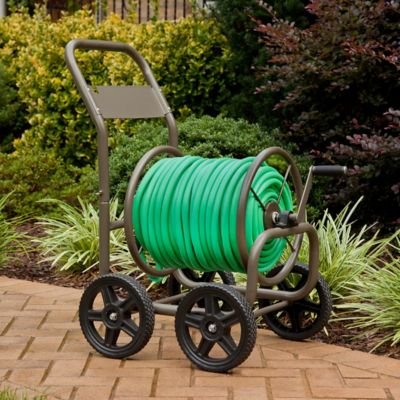
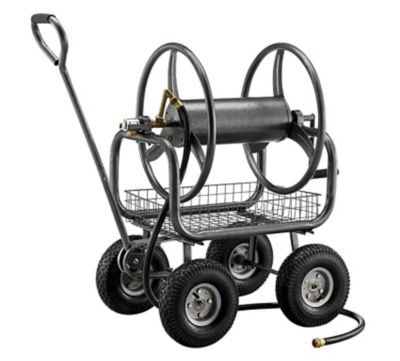
Frame construction and wheel design shape how a heavy-duty garden hose reel cart handles life outside. Powder-coated steel offers strength for carrying a loaded reel, while its coating helps shield the metal from moisture. Scratches and chipped edges deserve attention because exposed steel can rust, especially around damp ground. Aluminum frames generally weigh less than comparable steel frames and resist rust, though overall strength still depends on the tubing, joints and construction. Stainless steel components offer corrosion resistance, but no material makes a cart maintenance-free. A sturdy axle, well-supported reel drum and firmly attached handle matter as much as the frame material when a long hose adds weight. Four-wheel hose reel carts provide a broad support base and carry the load without requiring the operator to balance it on two wheels. Two-wheel designs may take up less floor space, but they need to be tilted and balanced for transport. Neither layout removes the risk of tipping on a slope or when the hose catches behind a fence post. On gravel lanes, rutted ground and uneven turf, larger wheels generally cross small obstacles more easily than smaller ones. Pneumatic tires can cushion the ride over bumps, though they require air-pressure checks and can pick up punctures. Flat-free tires avoid air loss, with ride feel depending on their material and tread. Wheel spacing also deserves a look: a wide stance can help with stability, but the cart still has to pass through the garden gate or between the shed doorposts. A comfortable handle height keeps moving a loaded cart from becoming an awkward, bent-over chore. For storage in a crowded barn aisle or equipment shed, the full footprint includes the wheels, handle and crank, not just the reel drum. Parking on firm, level ground gives the cart a steadier footing during winding, and wheel locks or chocks, where appropriate, can help limit unwanted rolling. Even a substantial frame benefits from a straight pull rather than a sharp sideways tug on the hose.
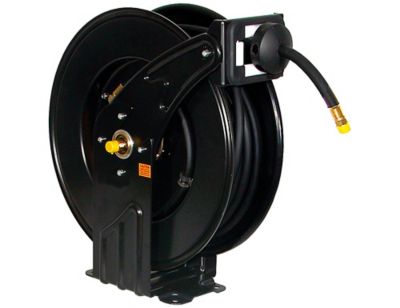
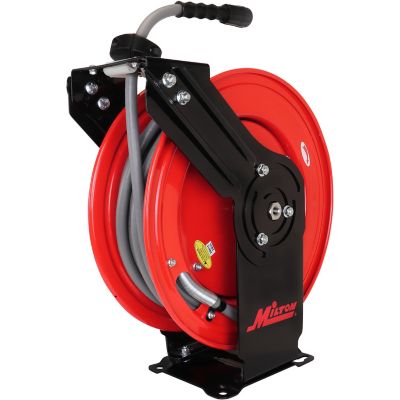
The reel’s water connections and winding hardware do plenty of work behind the scenes. A swivel lets the drum rotate while maintaining the water connection, and brass or stainless steel fittings can stand up well to regular outdoor handling. The seals, washers and fit of those connections still determine whether water stays where it belongs; metal fittings alone do not guarantee a leak-free setup. Matching hose threads, inlet size and the manufacturer’s working-pressure rating helps prevent a mismatch at the faucet or reel. Heavy-duty construction describes the cart’s build, not automatic suitability for pressure-washer service. Equipment that handles higher operating pressures requires a reel, hose, swivel and connections rated for that application;
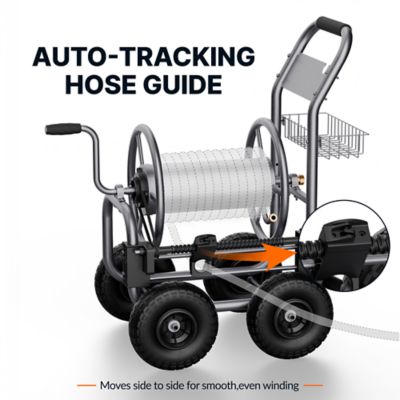
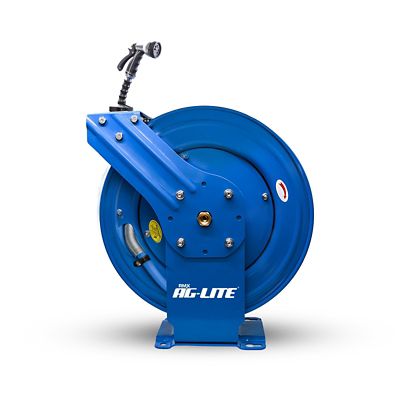
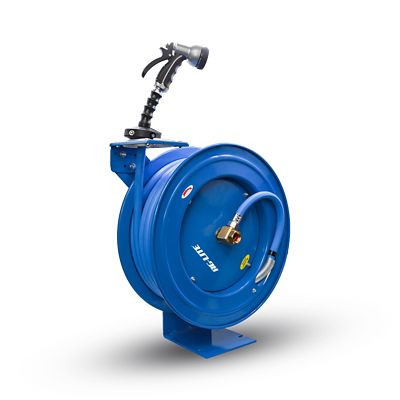
High Pressure Hose Reels belong to that separate set of requirements. For ordinary watering, a smooth-turning crank and a guide that helps distribute hose across the drum can make putting away a long line less of a wrestling match. Hose wound in even layers is less likely to bunch against one side of the reel, and winding without sharp bends helps protect the hose near its coupling. Long hose runs can reduce water flow at the far end, so carrying more hose than the property needs is not always an advantage. The weight matters, too, especially when water remains inside the line. After a muddy afternoon, brushing soil from the wheels and wiping grit away from the crank and swivel helps keep moving parts clear. Periodic checks for loose fasteners, worn washers and coating damage can catch small problems before the next round of chores. During the cooler months, draining the hose, leader line and reel passages according to the manufacturer’s directions helps protect against trapped water freezing. Sheltered storage also limits exposure to sun and weather between jobs. For someone tending a big garden or keeping water moving around an outbuilding, a hose reel cart can be a practical gift when its capacity, connections and size match the property. The best fit is a cart that rolls along the actual route, holds the right hose and parks neatly when the last watering job is finished.