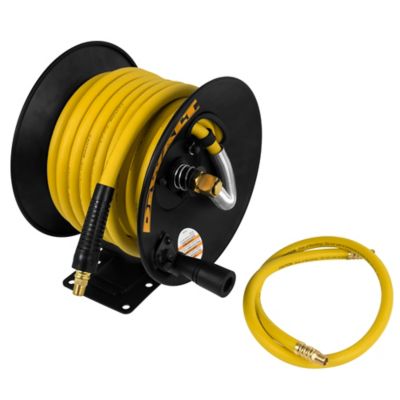
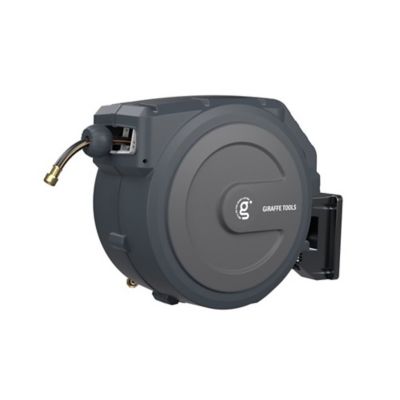
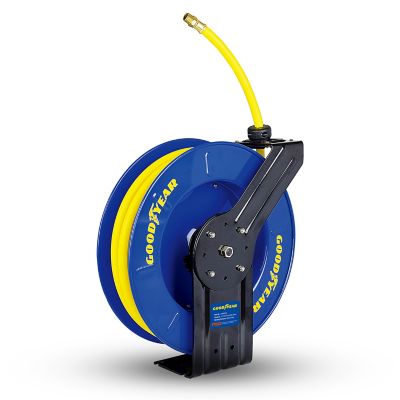
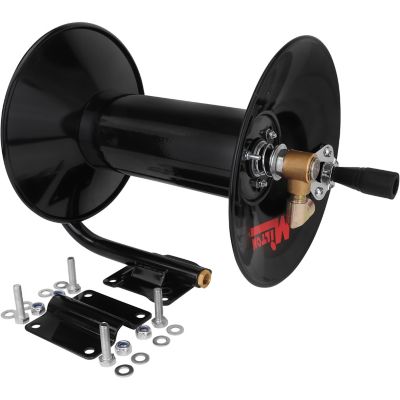
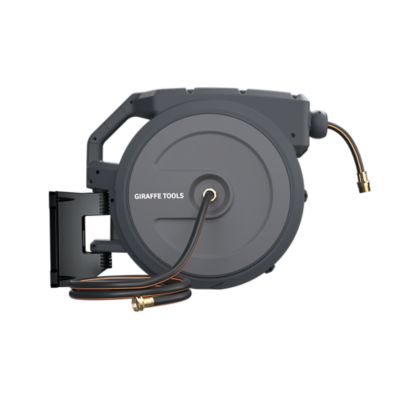
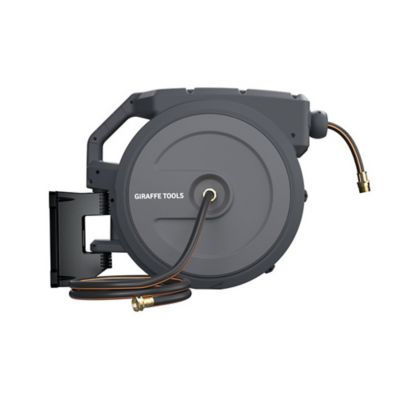
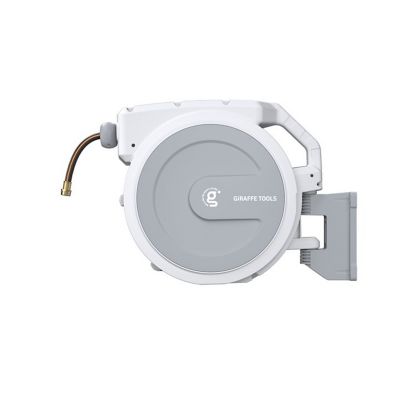
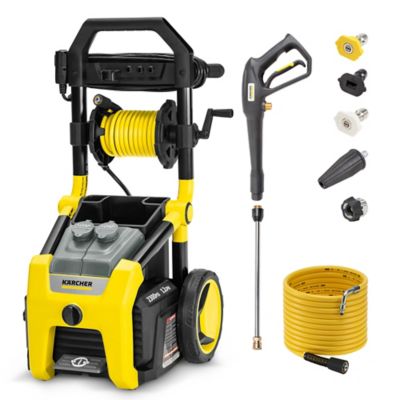
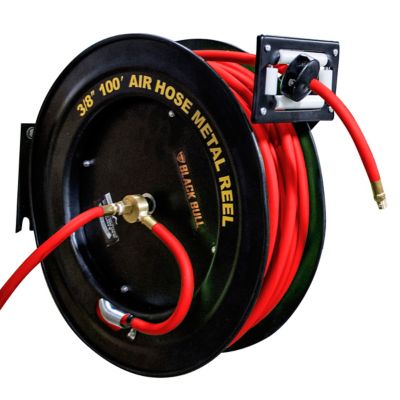
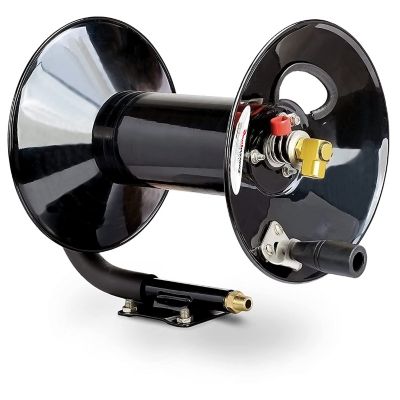
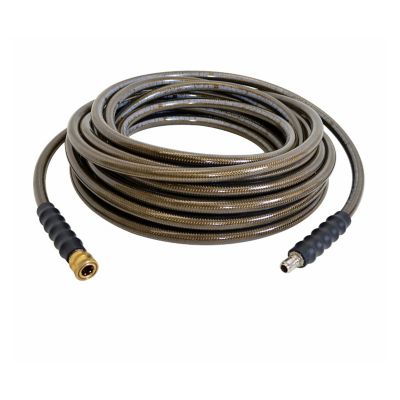
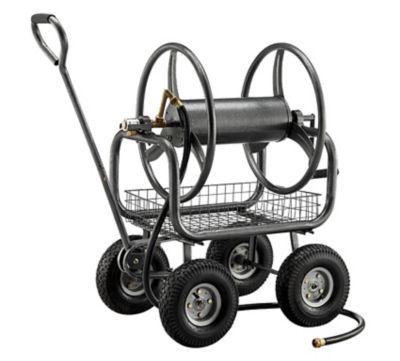
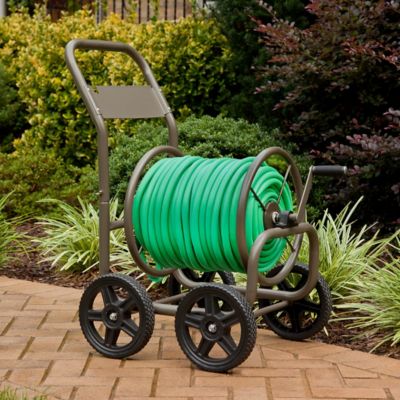
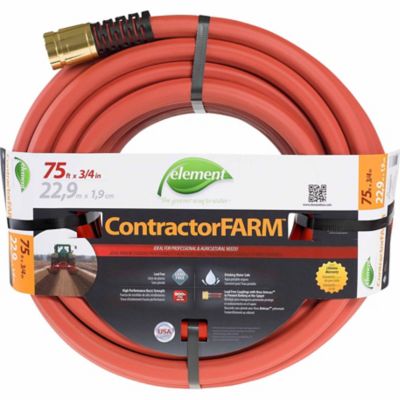
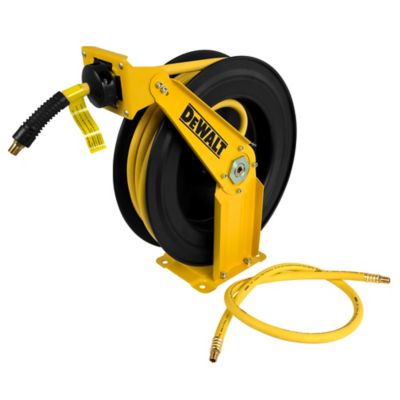
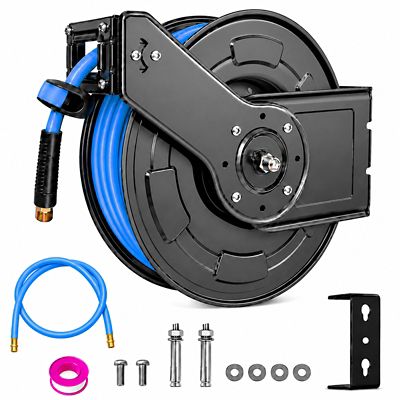
High-pressure hose reels keep pressure washer lines organized, supported and ready to reach the next job, whether that means rinsing mud from a tractor, cleaning a concrete shop floor or washing down a livestock trailer. A reel holds the hose in a controlled coil instead of leaving it in a tangled pile where tires, boots and equipment can damage it. That makes a difference around a busy barn or service bay, where clear walkways and shorter setup times help keep work moving. These reels generally fall into two categories: storage reels that simply carry a disconnected hose, and live reels with a pressure-rated swivel that lets water pass through while the drum turns. A storage reel does not automatically serve as a pressurized connection, so that distinction matters when matching equipment. Working-pressure ratings are another important dividing line. Many pressure washer applications involve equipment in the 3,000 to 5,000 PSI range, but the right rating depends on the machine and the complete hose assembly, not just the reel’s size or appearance. Every wetted component, including the swivel, inlet hose, fittings and cleaning hose, needs a working-pressure rating that meets or exceeds the system’s maximum operating pressure. A burst-pressure figure is not a substitute for a working-pressure rating, and the lowest-rated component limits the assembly. A reel also does not increase the pressure washer’s output; its job is to manage the line and, on a live reel, provide a suitable fluid connection. For setups built around pressure washing,
Pressure Washer Hose Reels provide a closely related category for matching hose storage to cleaning equipment. Farm owners, equipment operators, property maintenance crews and contractors all have reasons to keep hose off the ground between jobs. Even a small wash area benefits when the line has a proper place to rest rather than getting draped over a fence rail or looped across a doorway.
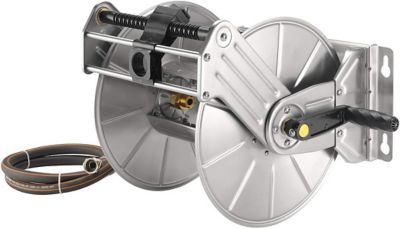
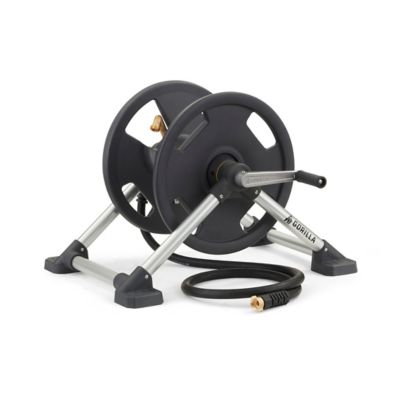
Construction and fit determine how well a high-pressure hose reel settles into a working setup. Steel frames bring weight and stiffness to stationary mounts and mobile wash rigs, while powder-coated finishes help shield the underlying metal from moisture and everyday contact. Stainless steel construction may suit wash areas where corrosion resistance is a priority, though the frame material alone does not establish compatibility with cleaning chemicals. Seals, swivel components and fittings also need to match the fluid traveling through them. A broad base, solid drum supports and accessible mounting holes can make installation more straightforward, but the mounting surface must carry the reel, the full hose load and the force of pulling out the line. Wall mounts can keep floor space open; floor or bench mounts place a hand crank within easy reach; and truck or trailer installations keep hose management close to a mobile pressure washer. Each arrangement needs a reel approved for that mounting position, along with suitable hardware and enough room for the drum and handle to move freely. Hose capacity deserves a close look, too. A stated length capacity applies to a particular hose size, and thicker hose can fill the same drum with fewer feet. Inside diameter affects water flow, while outside diameter affects how much hose the reel can hold. The drum also needs to accommodate the hose’s minimum bend radius so the inner wraps are not forced into overly tight curves. For a wash pad beside a barn, enough hose to reach around equipment may matter more than carrying the longest possible line. For a contractor cleaning several sides of a building, greater reach may reduce equipment moves, but added length can increase pressure loss and make a loaded reel heavier. Connection size, thread type and fitting orientation must all line up with the existing setup. Matching the nominal diameter alone is not enough: different thread standards do not necessarily seal together, and adapters add connections that need their own pressure and fluid compatibility checks.
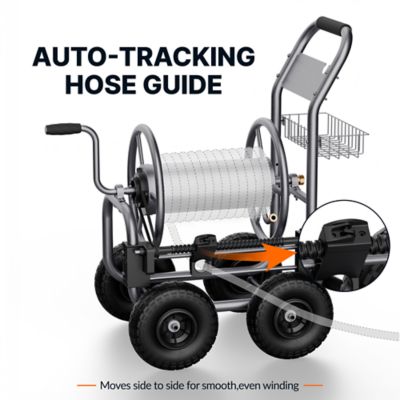
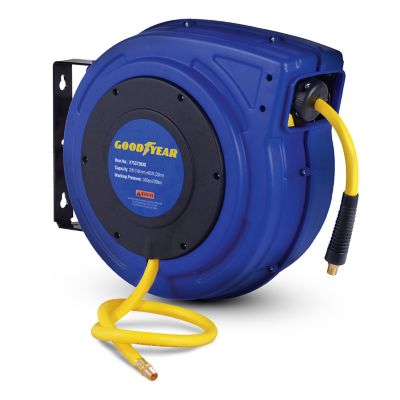
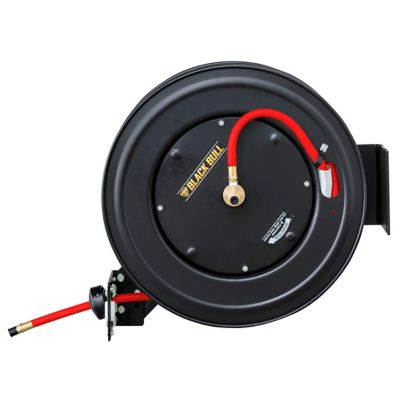
Retraction style shapes the everyday feel of a hose reel as much as its frame or capacity. Hand-crank reels offer direct control over winding and can be a practical fit for long hose runs on a trailer or beside a stationary washer. Handle clearance matters when the reel sits close to a tank, toolbox or wall, and a suitable brake or drum lock helps control unwanted rotation where that feature is provided. Spring-retractable reels pull the hose back without hand winding, often with a latch that holds the line at working length. Their convenience depends on proper mounting, a clear return path and controlled retraction; the hose should be guided back rather than released to whip across the floor. Motor-driven reels can reduce winding effort on larger working setups, though they bring power requirements and controls that need to suit the installation. Regardless of the winding method, even layers help prevent the hose from bunching against one side of the drum. Hose guides and rollers can help manage the entry angle, but they do not replace a clear route between the reel and the work area. Dragging a line around a sharp concrete corner or pulling against a trapped loop still puts strain on the hose and connections. Routine care starts with shutting down the washer and relieving trapped pressure according to the equipment instructions before checking fittings or servicing the reel. High-pressure leaks can cause serious injury, so a suspected leak should never be checked with a hand while the system is pressurized. Regular attention to hose abrasion, exposed reinforcement, loose mounting bolts and seepage around the swivel can catch trouble before the next washdown. Keeping grit out of the winding area and following the specified lubrication and seal-service schedule help preserve smooth operation. Replacement swivels, seals and inlet assemblies should match the reel’s specifications rather than merely look similar. With the pressure rating, hose fit, mounting arrangement and rewind style matched to the job, a high-pressure hose reel gives the cleaning line a settled place in the workspace and makes packing up less of a chore.