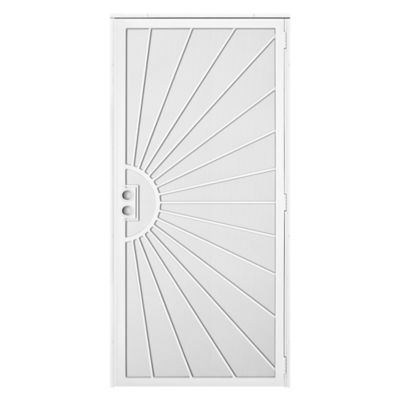
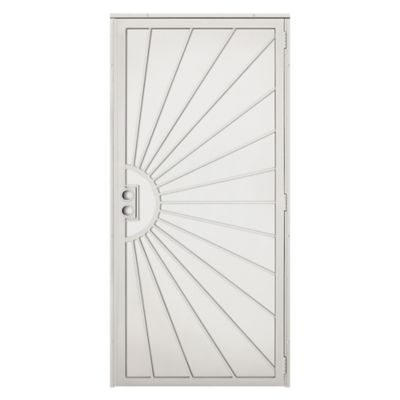
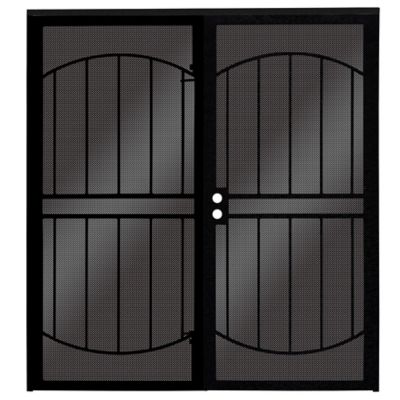
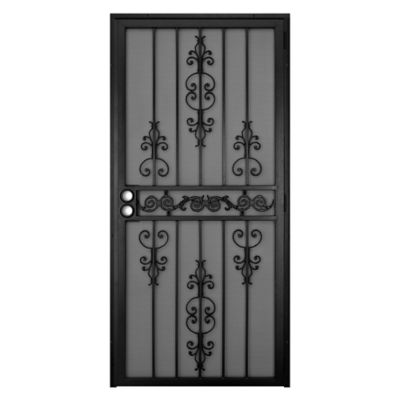
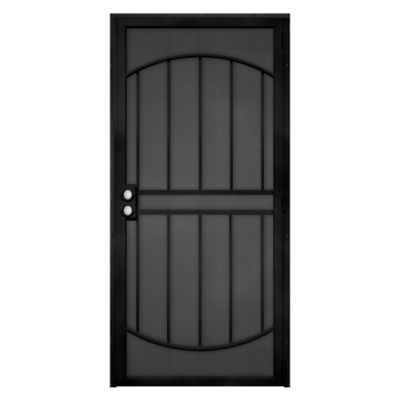
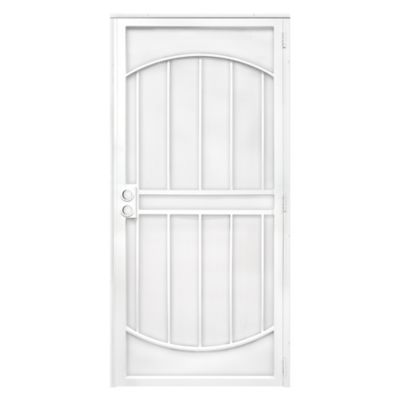
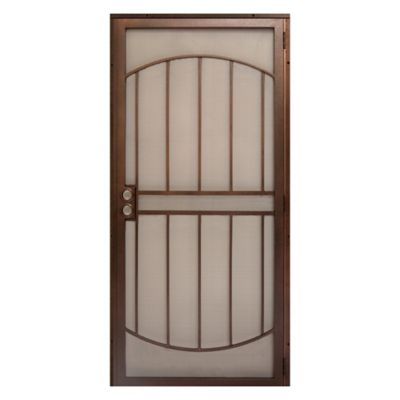
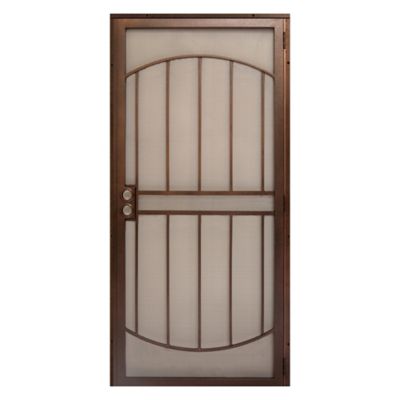
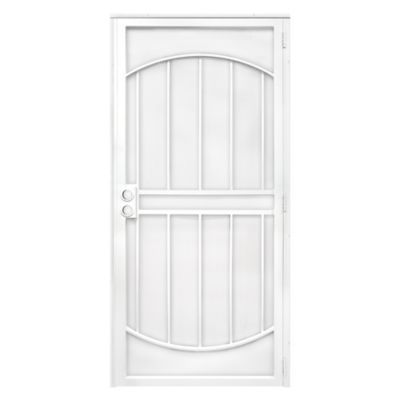
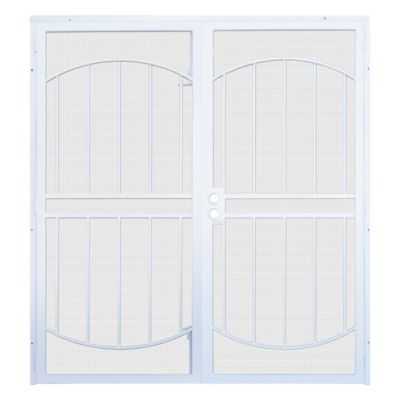
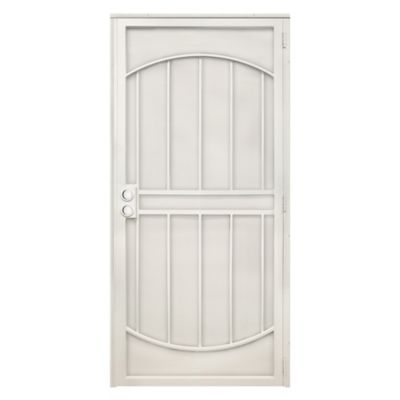
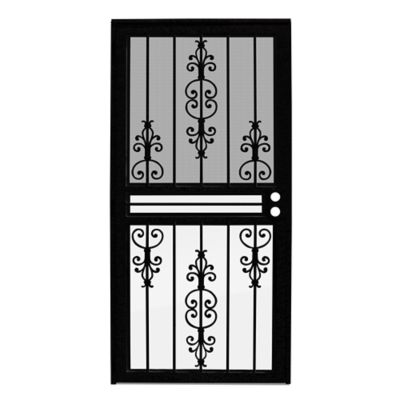
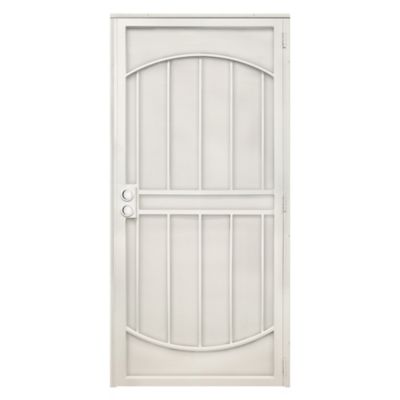
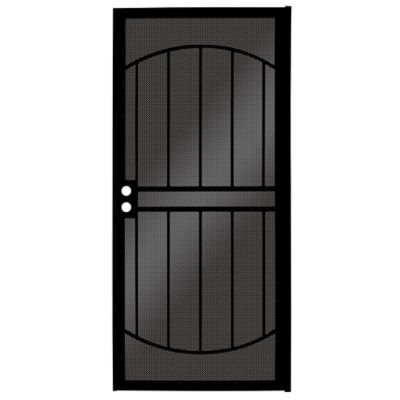
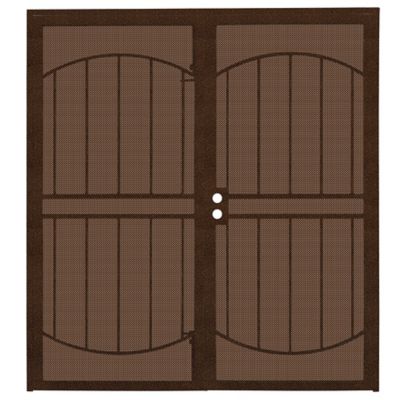
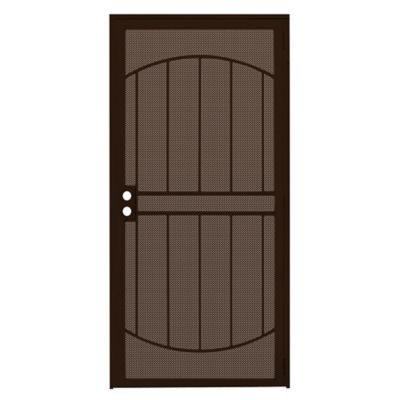
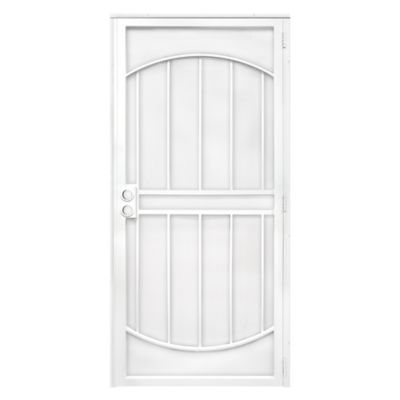
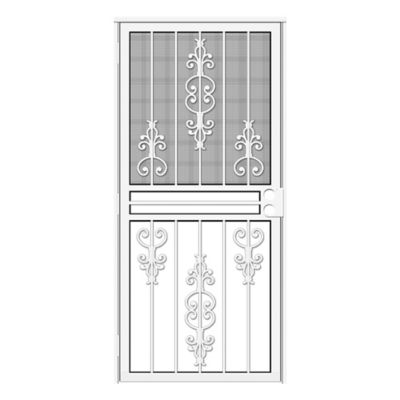
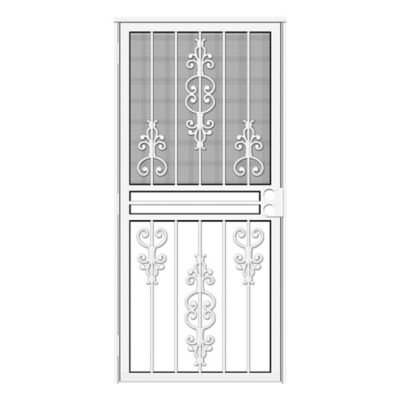
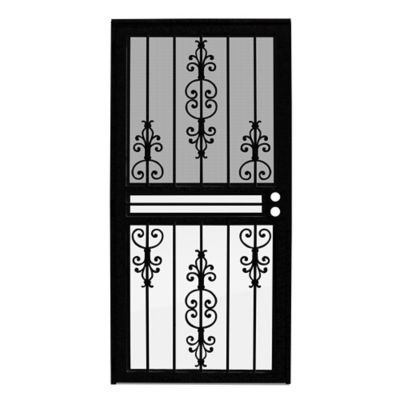
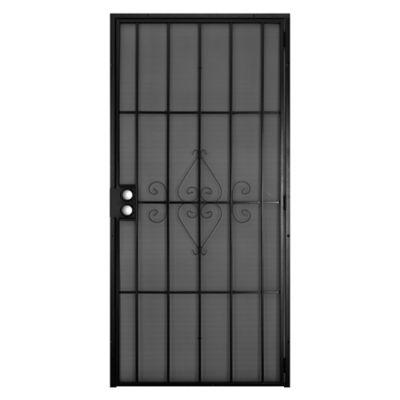
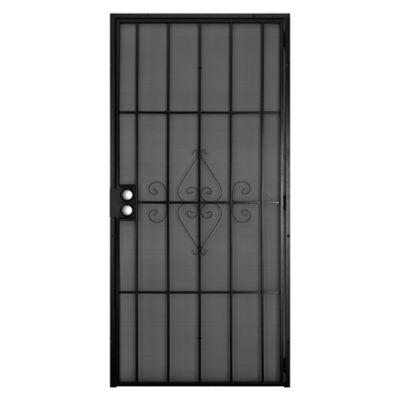
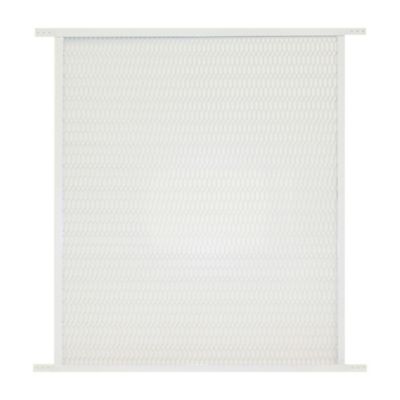
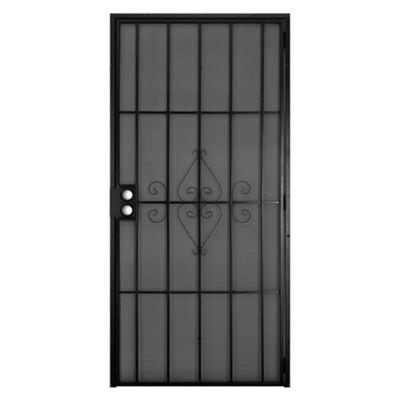
Heavy duty steel security doors are built for folks who want a stronger first line of defense at a home, shop, barn office, storage building, or other entry point. Compared with a lightweight screen door or a standard storm door, these doors typically use a reinforced steel frame, sturdy hinges, a protective lock area, and a steel grille, perforated panel, or impact-resistant mesh that helps keep the opening secure without completely cutting off fresh air or visibility. Some designs also accept glass or screen inserts, giving you a little more flexibility as the weather changes. A well-built door can help discourage forced entry, keep out unwanted visitors, and add peace of mind when you’re working late in the shop, storing tools in an outbuilding, or leaving a house unattended for a stretch. They can be especially useful for rural properties where a back door, mudroom, utility room, or detached garage may sit farther from the main living area. During warmer weather, a security door with a ventilated panel can let a breeze move through while the main door stays open behind it. As cooler weather settles in, a model with a glass insert or tighter weather sealing can help reduce drafts at a frequently used entry. When comparing options, start with the rough opening and the way the door will be used. Measure the width and height at more than one point, and check that the opening is plumb, level, and square before ordering or beginning installation. A door made for a left-hand swing may not work in the same opening as a right-hand swing, and an outswing door needs enough clear space for steps, rails, equipment, and snow or leaves that may collect outside. Look for a frame and hinge system suited to the amount of use the door will receive. A high-traffic shop or business entrance generally calls for more substantial construction than a quiet side entry. Steel thickness, welded joints, hinge size, anchor points, and the strength of the jamb all matter; a heavy door attached to a weak frame will not deliver the protection you expect.
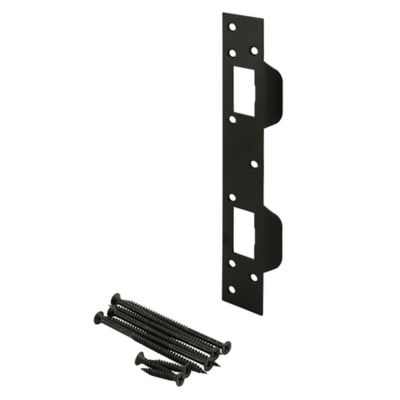
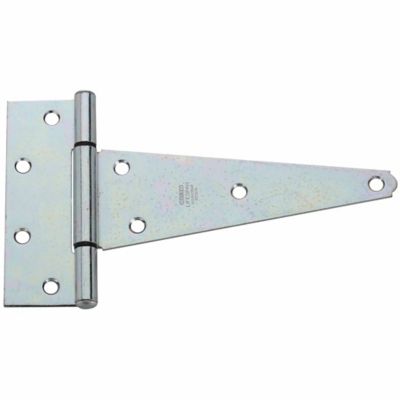
Security features can vary quite a bit, so it pays to look beyond the appearance of decorative scrollwork or a dark powder-coated finish. A welded steel frame in the roughly 1-inch to 2-inch range is common among heavy-duty designs, while thicker or specially reinforced construction may be appropriate for commercial or higher-risk locations. Expanded metal and decorative grilles can provide a solid visual barrier and airflow, while perforated steel or stainless steel mesh may offer a cleaner view through the doorway and better resistance to cutting or impact. Lock protection is another important detail. Features such as overlapping lock guards, reinforced strike plates, tamper-resistant hardware, heavy-duty deadbolts, vault-style pins, and multi-point locking systems can make it harder to pry the door or attack the latch side. Hinge-side protection matters, too, especially on outswing doors; non-removable pins or security studs can help prevent the door from being lifted off its hinges. A powder-coated finish helps protect steel from moisture and everyday wear, but no finish is maintenance-free. Check the coating periodically for scratches, chips, or rust starting around fasteners, the bottom edge, and areas where dirt or standing water collect. Wipe away mud and road salt, keep drain or weep openings clear, and touch up exposed metal with a compatible coating as recommended by the manufacturer. For doors exposed to heavy rain, irrigation spray, or coastal air, corrosion resistance deserves extra attention. Tempered safety glass can add weather protection and visibility, but it should be selected and installed according to the door’s specifications rather than treated as a one-size-fits-all replacement. Prices can range from about $160 to $600 for many residential security screen and storm-door styles, while commercial, industrial, or ballistic-rated steel doors can cost $1,500 to more than $3,500 depending on size, rating, hardware, and installation requirements. The right choice is the one that matches the opening, traffic, local conditions, and level of protection instead of simply choosing the heaviest door available.
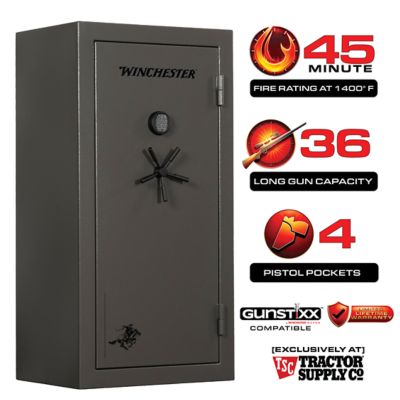
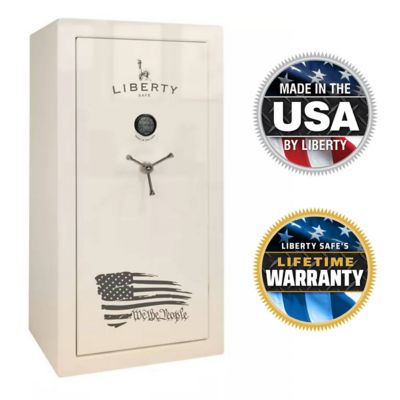
Installation is where many of the benefits of a steel security door are either secured or lost. Before fastening anything, remove dirt, old caulk, loose trim, and damaged framing from the opening. Confirm the jambs are straight and that the sill can support the door without twisting it. Use the heavy-duty anchors and fasteners specified for the door and the wall material, whether that is wood framing, masonry, or steel. In locations where the fastener heads could be reached from outside, one-way security screws or other tamper-resistant hardware may help prevent the frame from being removed, but they should still be installed according to local code and the manufacturer’s instructions. Set the frame carefully, shim where needed, and check the latch side as the screws are tightened so the jamb does not pull out of alignment. Many installations call for a consistent operational gap, often around 1/4 inch on the latch side, though the manufacturer’s measurements take priority. The door should open and close smoothly without rubbing, binding, or needing a hard shove to engage the latch. Test every lock point with the door fully closed, then check that weather stripping makes contact without preventing the latch from seating. For a shop, barn, rental property, or small business, consider who will use the entry and whether a keyed lock, keypad, lever handle, or other access method will be easiest to manage. Keep keys controlled, make sure everyone knows how to release the lock from inside, and avoid blocking the door with feed bags, lumber, tools, or equipment. A security door can be a practical gift for someone fixing up an older farmhouse, improving a workshop, or protecting a newly finished outbuilding, while owners with valuable firearms and other equipment may also want to review storage options such as
Heavy Duty Steel Gun Safes. With the right fit, solid installation, regular cleaning, and occasional hardware checks, a heavy duty steel security door can stand up to daily use and help protect the places and possessions that matter through changing weather and busy seasons.