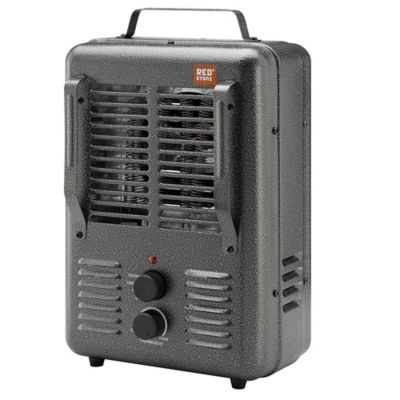
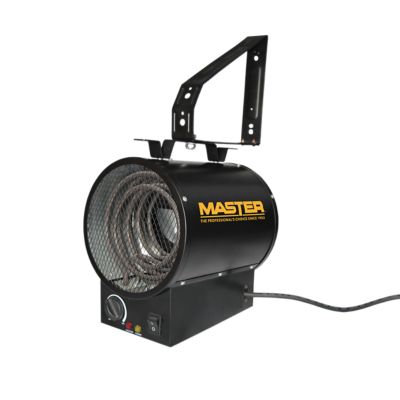
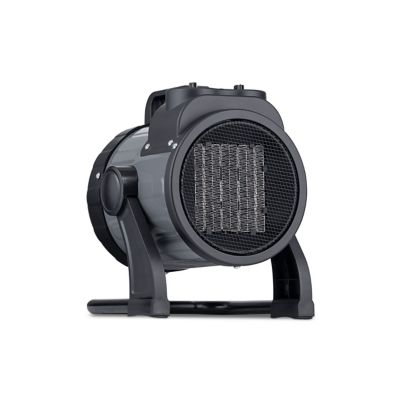
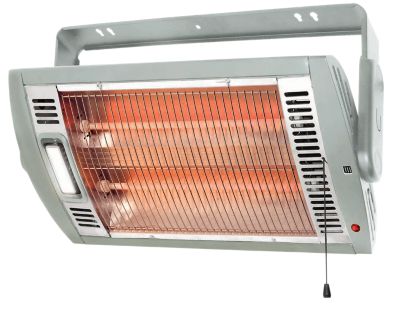
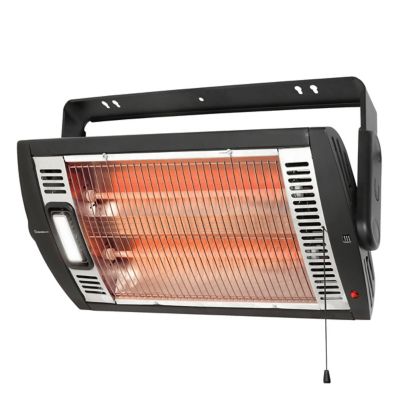
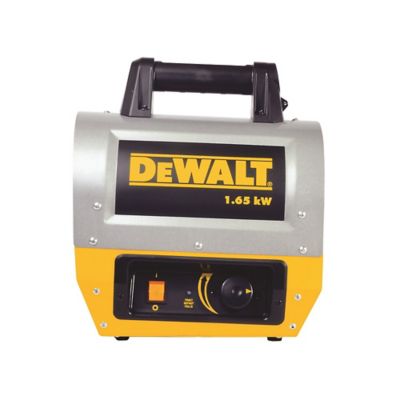
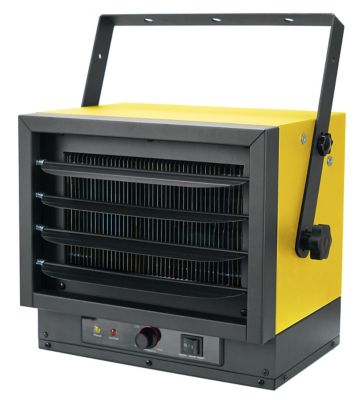
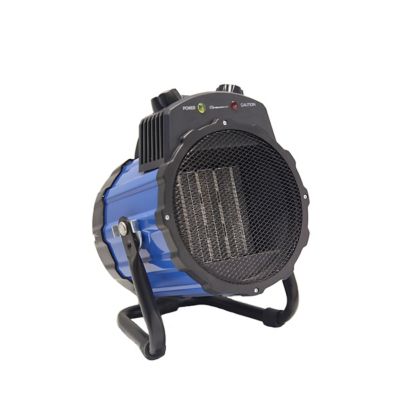
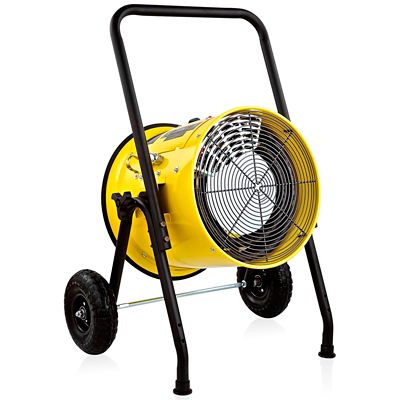
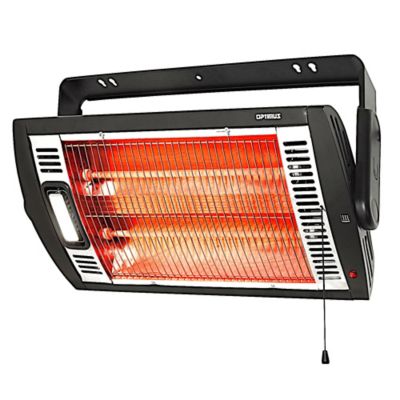
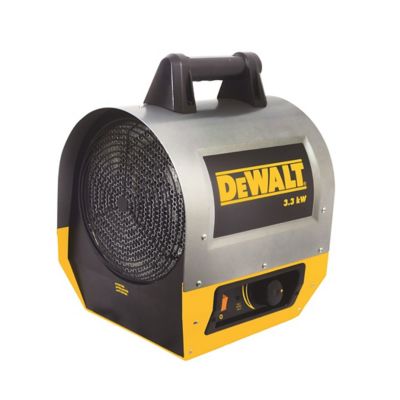
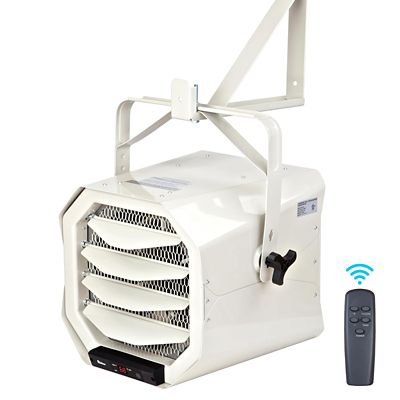
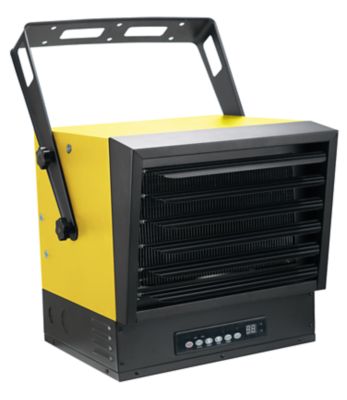
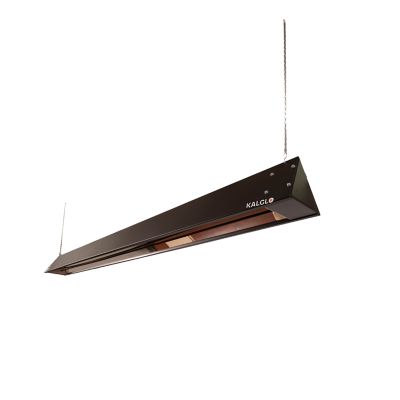
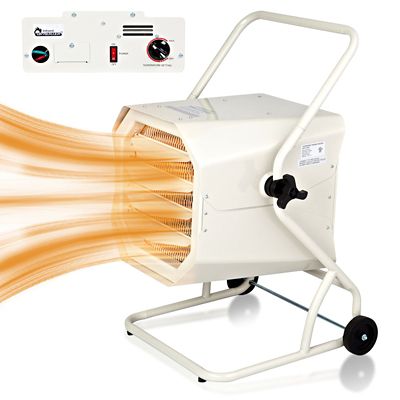
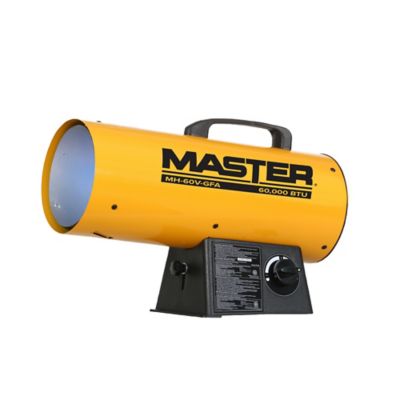
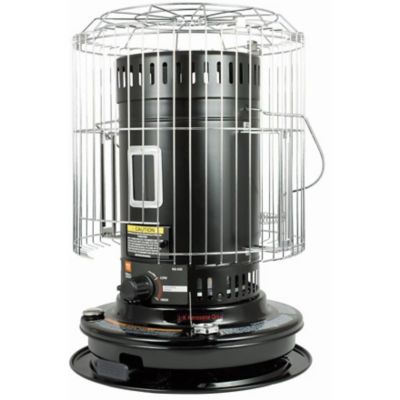
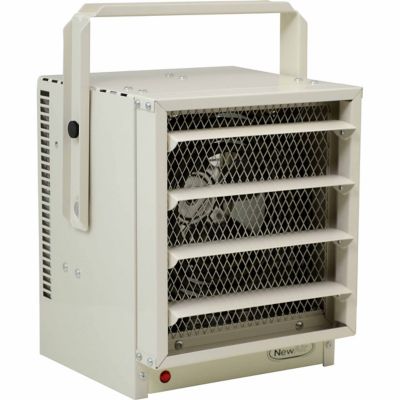
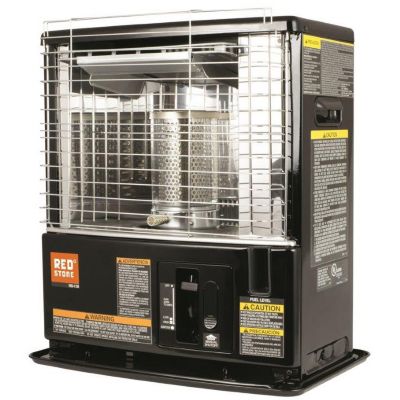
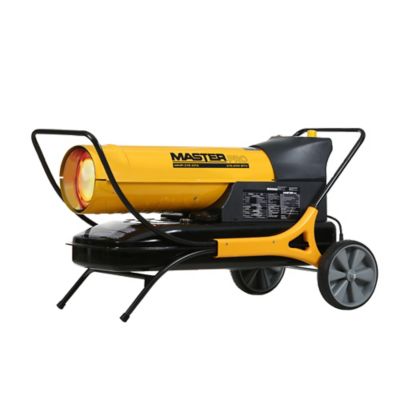
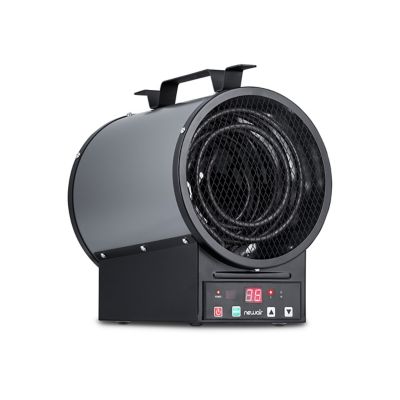
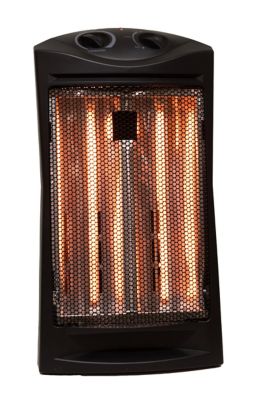
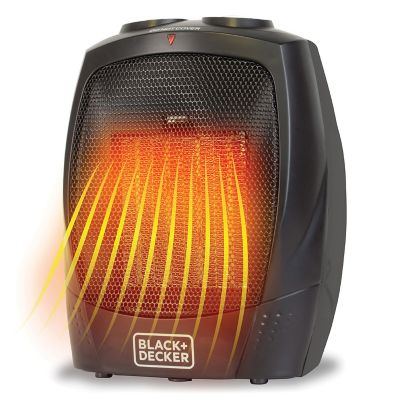
Electric shop heaters bring steady warmth to garages, farm shops and work areas where repairs and projects do not stop just because the air turns cold. They run on electricity rather than burning fuel at the heater, so there is no fuel tank to fill or combustion exhaust to vent from the unit itself. That makes them a practical fit for many enclosed workspaces, although ventilation still matters wherever paint, solvents, engine exhaust or other fumes are present. Fan-forced electric heaters move air across a heating element and push that warmed air into the room. They suit spaces where heat needs to reach beyond one spot, such as a garage with a workbench along one wall and equipment parked across the floor. Electric radiant and infrared heaters direct warmth toward people and surfaces within their heating range, which can make sense around a particular work station. These styles feel different in use: moving warm air helps heat a room, while radiant heat is more focused and depends on placement and a clear path. A heater near the bench can take the bite out of an afternoon spent sorting bolts or replacing a mower belt, but heating an entire shop calls for a closer match between output and the building. Floor area is only part of that match. Tall ceilings, uninsulated walls, concrete floors and frequently opened overhead doors all affect how much heat a space needs and how evenly it holds that warmth. A compact, insulated garage and a drafty equipment shop can need very different heating output even when their floor measurements are similar. Coverage estimates are most useful when they include the conditions behind them, rather than promising that one wattage will heat every building of a certain size. Thermostats, adjustable heat settings and directional louvers help tailor the warmth to the work area, while fan sound and airflow are worth considering for a bench where conversation or close, careful work is part of the day.
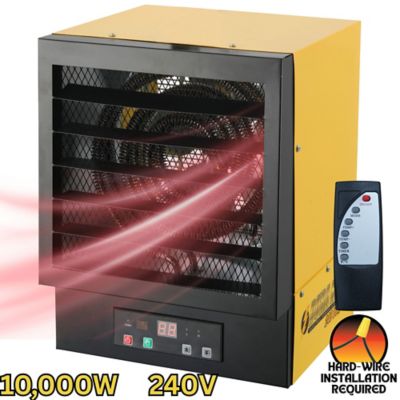
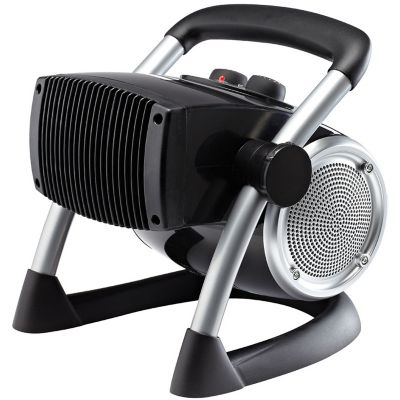
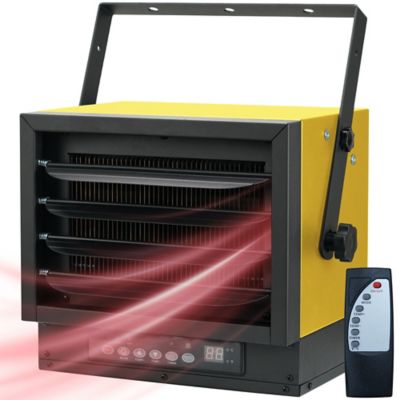
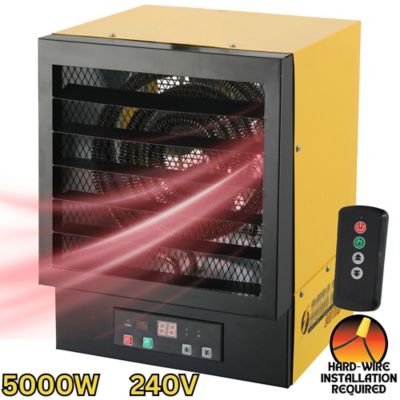
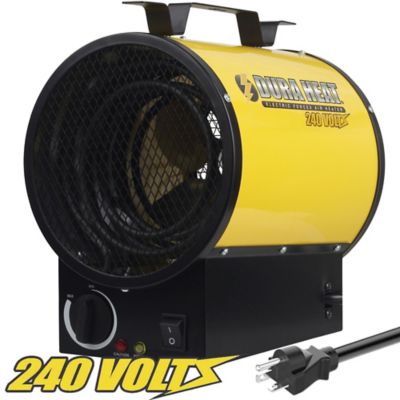
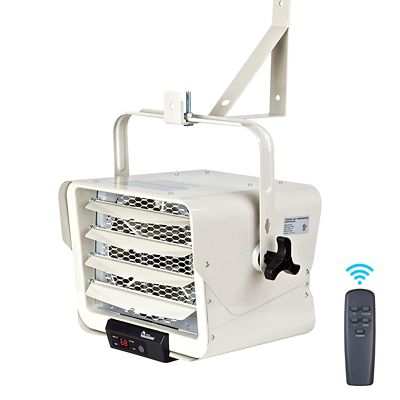
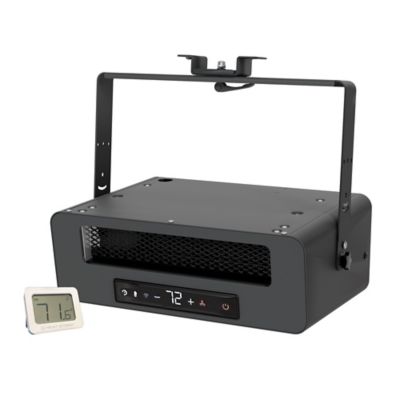
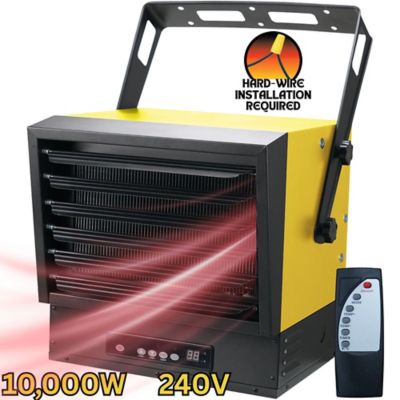
Power requirements are a big part of finding an electric garage heater or shop heater that fits the building. Many portable 120-volt heaters operate at up to 1,500 watts, providing about 5,100 BTU per hour of heat. That output can suit a smaller work area or supplemental heating, but it may fall short in a large shop with little insulation. Higher-output electric shop heaters commonly operate on 240 volts, with ratings such as 5,000 or 10,000 watts providing about 17,000 or 34,000 BTU per hour, respectively. Those figures describe heat output, not guaranteed square-foot coverage. Depending on the heater, installation may involve hardwiring or a compatible, properly rated receptacle, and a dedicated circuit may be required. Voltage, amperage, breaker size and wiring must match the manufacturer's specifications; a licensed electrician can assess the existing service and complete any necessary electrical work. A plug that appears to fit is not enough to establish compatibility, and adapters or extension cords are not a workaround for an unsuitable electrical connection. Mounting style matters just as much in a busy shop. Ceiling-mounted and wall-mounted heaters keep floor space clear for tool carts, tires and equipment, while adjustable brackets can help aim airflow toward the working area. Required mounting height and clearance depend on the model, so a high ceiling or a crowded wall can affect which style makes sense. Portable electric heaters allow more flexibility around a changing work area, provided they sit on a stable surface with the required open space around them. Handles, stable bases and manageable weight are useful features when a heater needs to move between approved locations. Steel housings, protective grilles and secure mounting hardware help the unit stand up to everyday shop conditions, while the finish and construction should suit the environment. Ordinary shop heaters are not automatically suitable for damp spaces, outdoor exposure or areas containing combustible dust. Product ratings and installation requirements matter more than a rugged-looking cabinet, especially in a shop where sawdust, spray finishes or washdown work are part of the routine.
Comfort in a working shop comes from sensible placement as well as heater output. Warm air should reach the area where hands-on work happens without blowing loose papers across the bench or sending a strong draft straight into a seated work station. Adjustable louvers and pivoting mounts can help direct that airflow, but they do not eliminate the need for clearance around shelving, stored lumber, cardboard and other combustible materials. A thermostat helps maintain the selected temperature instead of requiring constant manual adjustments, and multiple heat settings can provide flexibility when the whole room does not need the same level of heating. Overheat protection is a useful safety feature, and tip-over protection is worth looking for on portable designs where applicable. Neither replaces proper placement, supervision or the operating directions supplied with the heater. Keep gasoline, solvents and other flammable materials away, and never run an engine indoors to supplement the warmth. For upkeep, an electric heater generally needs clear air openings and attention to dust buildup rather than fuel-system maintenance. Cleaning should follow the manufacturer's directions with the heater switched off, disconnected from power as instructed and fully cooled. Fan guards, accessible surfaces, cords and mounting points deserve periodic inspection, especially where equipment gets moved around or fine dust settles on everything by the end of the day. Keep clothing, gloves and shop rags off the heater rather than treating it as a drying rack. In a rural workshop, a well-matched heater can help make routine maintenance more comfortable, from sharpening tools to getting equipment ready for its next job. The right arrangement leaves room to work and keeps electrical connections and controls accessible. Explore
Heaters For Workshops for a broader look at workspace heating options, with the building's electrical service, layout and everyday tasks in mind.