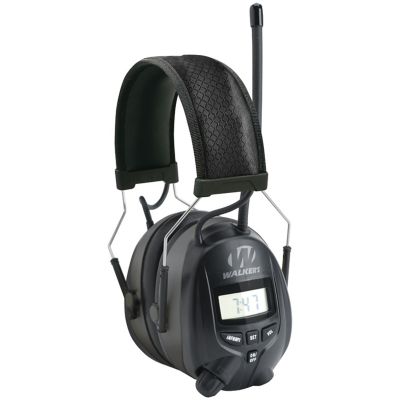
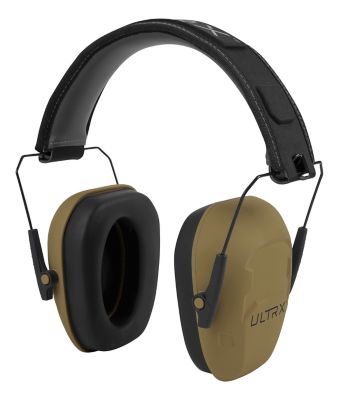
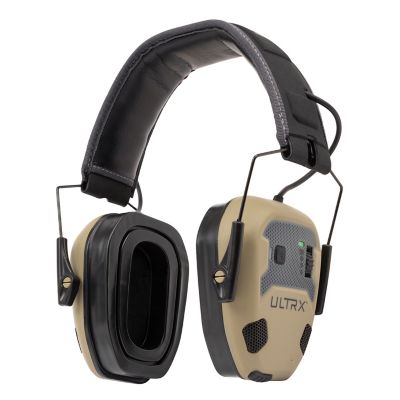
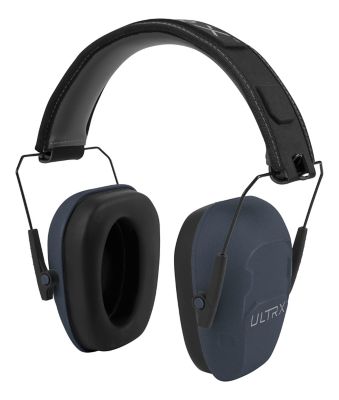
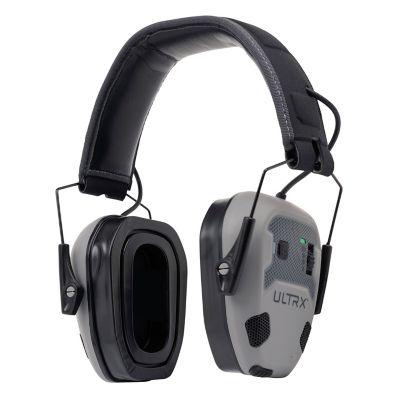
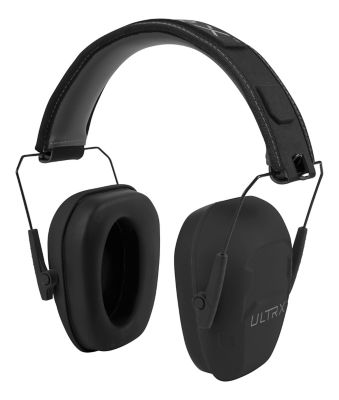
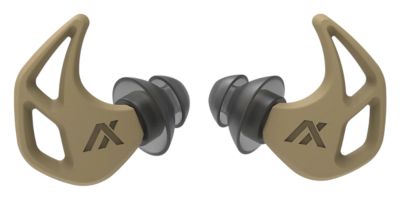
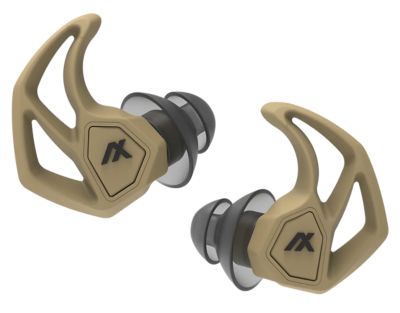
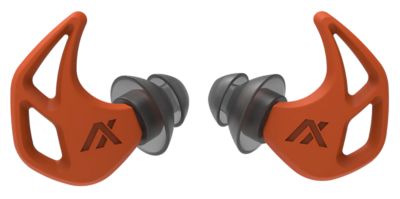
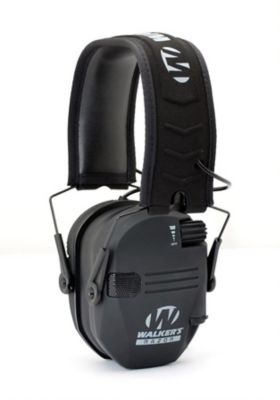
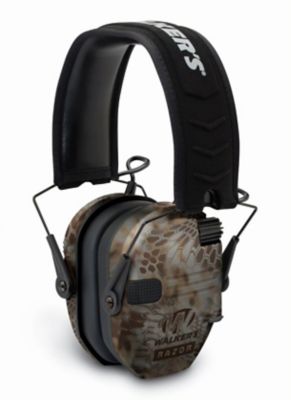
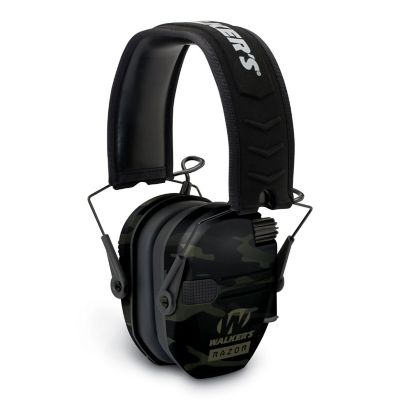
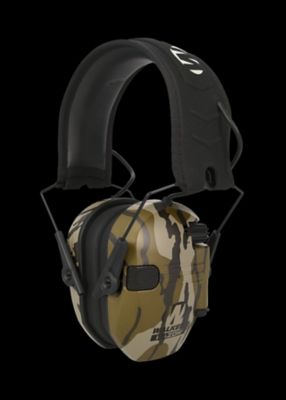
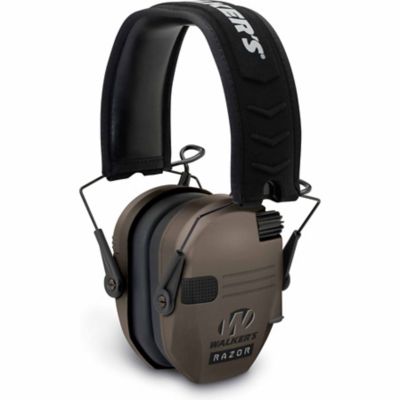
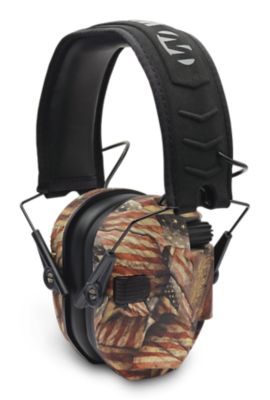
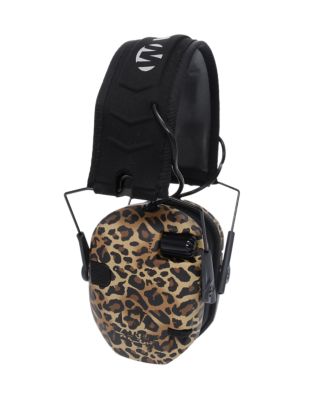
Hearing protection for construction workers includes earplugs and earmuffs designed to reduce the noise reaching the ears during loud work. Concrete saws, nail guns, jackhammers, air compressors and heavy equipment can all contribute to noise exposure, whether the job is a small outbuilding or a busy commercial site. A worker cutting lumber may face repeated bursts of sound, while someone working beside a running generator may have steady noise throughout much of the shift. Both the sound level and the length of exposure matter. Hearing damage can build over time without an obvious warning, making hearing protection an important part of job-site personal protective equipment. Earplugs fit inside the ear canal, while earmuffs surround the outer ears with cushioned cups. Disposable foam plugs, reusable plugs and over-the-head or helmet-mounted earmuffs suit different work routines, and the right choice depends on the noise assessment, required safety gear and individual fit. The Noise Reduction Rating, commonly called NRR, is a laboratory-measured rating expressed in decibels that helps compare hearing protectors. Ratings in the mid-20s through the low-30s appear across many hearing protection designs, but the number on the package does not tell the whole story. Actual protection depends on proper fit, condition and consistent wear, and the NRR should not simply be subtracted from a job-site sound reading. A higher rating is not automatically the best match for every task; workers still need a setup suited to the exposure and the site's communication requirements. For especially loud work, a workplace assessment may call for earplugs beneath earmuffs. Their ratings are not added together to calculate protection. Carpenters, equipment operators, concrete crews, demolition workers and laborers all have reasons to keep appropriate hearing protection close at hand. The same considerations apply to property owners handling construction projects around a barn, workshop or acreage, where a familiar tool can still produce sound levels that warrant protection. A smaller job does not necessarily mean a quieter one, especially when several tools run nearby.
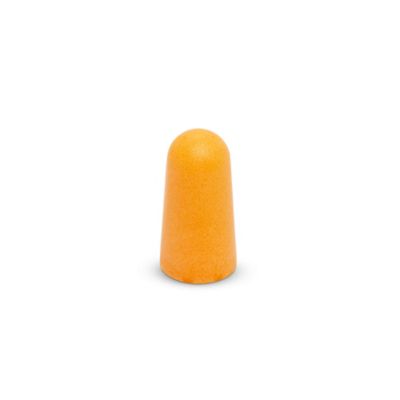
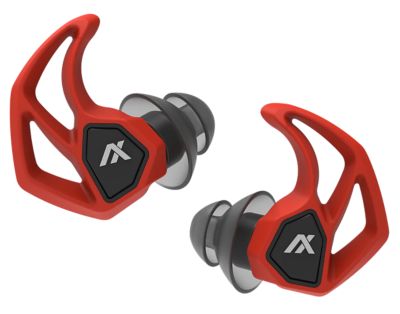
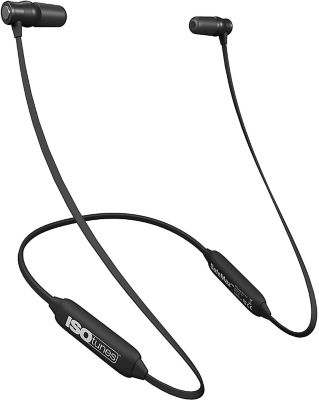
Fit and comfort make a real difference when hearing protection stays on through a full workday. Foam earplugs are lightweight and compact, with a shape that compresses for insertion and expands within the ear canal. Reusable plugs may have flexible flanges made from silicone or other soft materials, while corded styles help keep a pair together between tasks. Ear canals vary, so a plug that fits one worker well may not suit another. A proper fit should provide the intended seal without painful pressure, and workplace fit testing can help verify how much protection a person gets from a particular model. Earmuffs generally pair molded outer cups with sound-absorbing material, soft sealing cushions and an adjustable support band or helmet attachment. Cup depth, cushion shape, headband pressure and overall weight affect how they feel when a worker is bending over a cut line, looking upward at framing or climbing in and out of equipment. The seal around each ear matters as much as the padding. Thick safety-glasses arms, hair caught beneath a cushion or a cap under the seal can reduce protection. Hard-hat compatibility also deserves attention: helmet-mounted earmuffs need attachments approved for the particular helmet, and an over-the-head band must not interfere with required head protection. Other protective gear, including respirators and face shields, can change how the whole setup fits. Some electronic hearing protectors have microphones that bring outside sounds through speakers at controlled levels, while certain communication models support radio contact or wireless connections. These features can help with crew communication, but they do not guarantee that every alarm, vehicle or shouted warning will be heard. Ordinary headphones and noise-canceling earbuds are not a substitute for hearing protection rated for the task. Audio features also need to fit workplace rules, with attention to listening levels and distractions. For crews moving between cutting stations, equipment lanes and quieter work areas, comfort is more than a small extra—it helps make consistent wear practical instead of something that gets set aside halfway through the job.
Construction work puts hearing protection through dust, grit, sweat and repeated handling, so materials and upkeep affect how well it holds up. Earmuff shells should remain free of cracks, support bands should maintain their tension, and sealing cushions should stay soft enough to form a continuous seal. Flattened, split or hardened cushions can compromise the fit even when the outer cups still look fine. Some designs allow replacement cushions or internal inserts, with replacement parts matched to the manufacturer's requirements. Reusable earplugs need cleaning according to their care directions and a clean place to dry and store; disposable plugs should be replaced as directed rather than carried indefinitely in a dusty pocket. A storage case or pouch helps keep plugs away from sawdust and keeps earmuff cushions from being crushed beneath tools. Electronic models have their own care needs, including battery maintenance and limits on exposure to moisture or cleaning liquids. Product care directions determine which cleaning methods suit the materials, since strong solvents or rough scrubbing can damage seals and surfaces. Having hearing protection within reach before loud work starts helps avoid interruptions that leave ears exposed while equipment keeps running. It belongs alongside the rest of a task-matched safety setup, including eye protection, head protection, gloves and
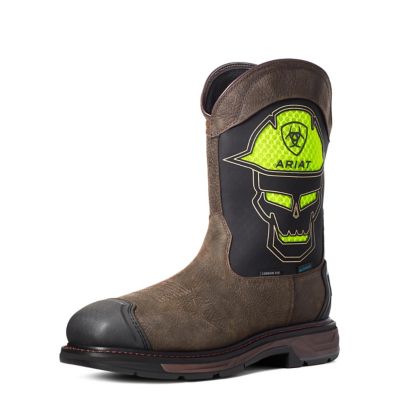
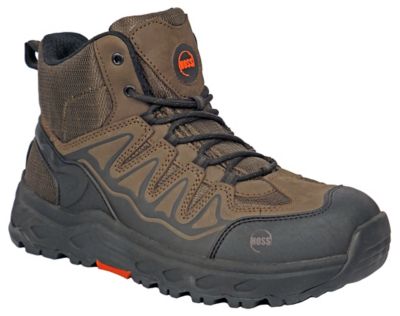
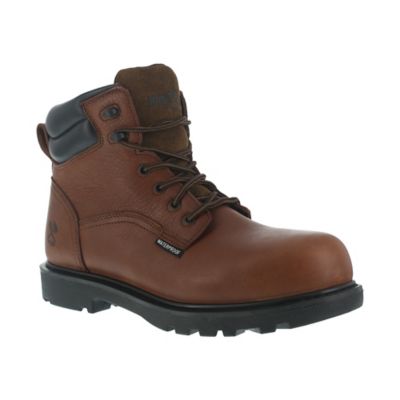
Safety Shoes for Construction Sites. For a crew member splitting time between ground work and machinery, that means gear that works together without one piece pushing another out of place. For a property owner building a shed or repairing a fence line, it means giving power-tool noise the same attention as flying chips and moving blades. Hearing protectors are one part of noise control, not a replacement for quieter equipment, equipment maintenance or workplace exposure controls. A well-matched pair, kept clean and worn correctly throughout noisy tasks, supports a practical safety routine from the first cut to the last cleanup.